

Indian Wooden Cabinet
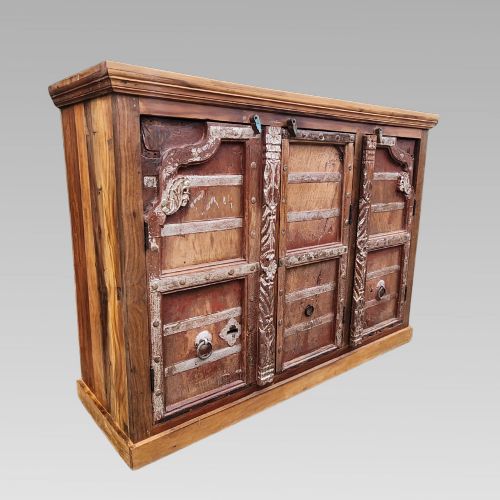
An indian wooden cabinet brings substantial storage and intricate carving into a room, spanning nineteenth-century colonial forms to rustic provincial pieces.
Indian Wooden Cabinet
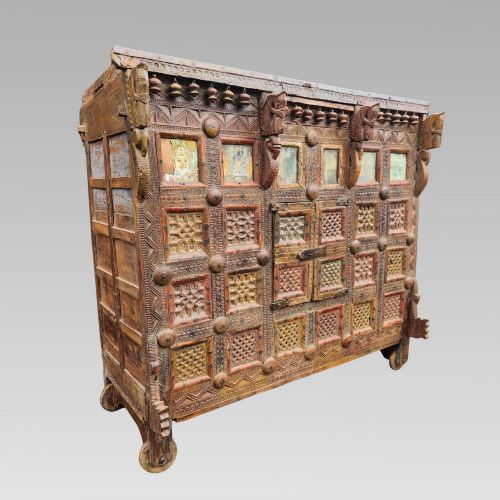
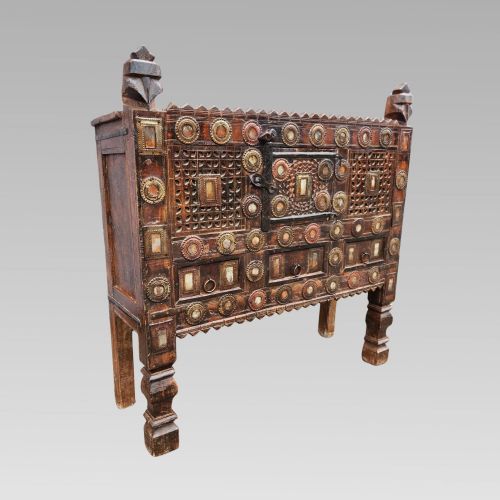
When searching for an indian wooden cabinet, buyers encounter a diverse range of storage furniture including sideboards, armoires, almirahs, and specialised dowry chests known as damchiyas. These pieces bridge traditional regional craft and British colonial influence, particularly through Anglo-Indian and Moorish revival designs.
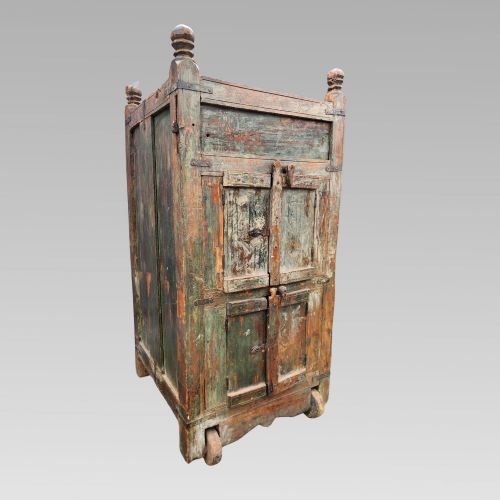
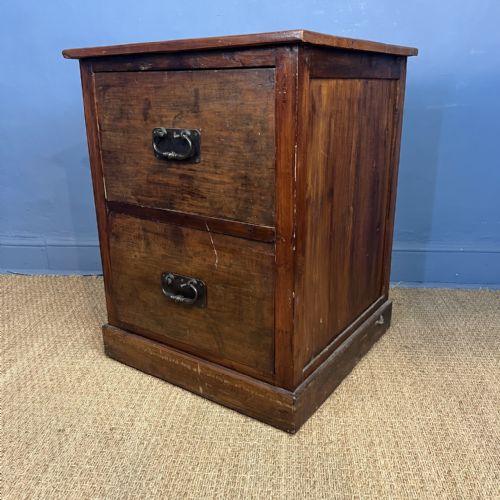
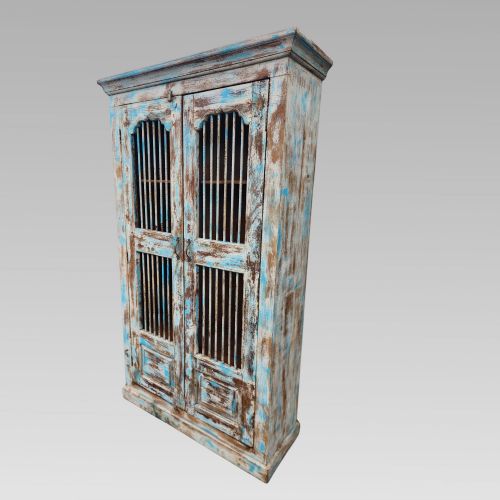
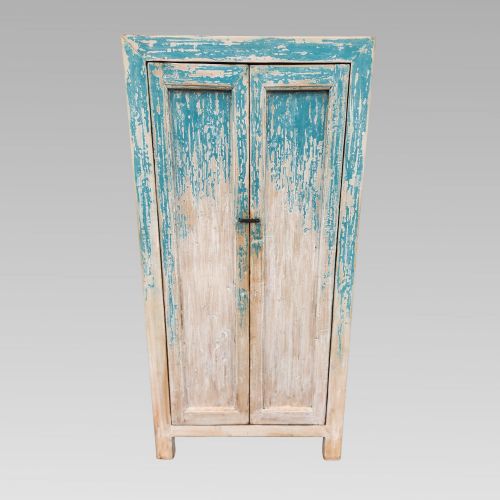
The material record spans nineteenth-century pieces alongside early twentieth-century examples, shifting from formal carved sideboards and bookcases to utilitarian filing cabinets and tall painted cupboards. Buyers will frequently find solid timber construction designed for domestic storage, utility, and display across various domestic settings.
Materials and Technique
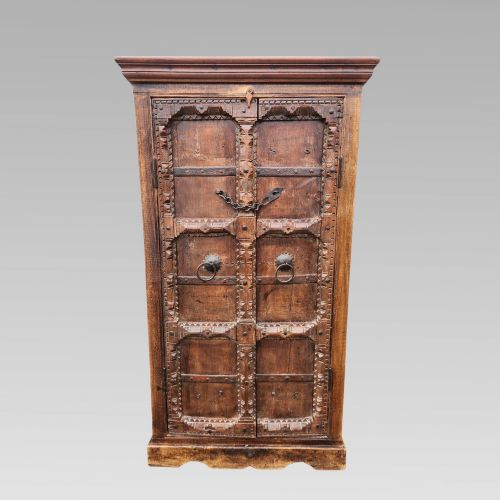
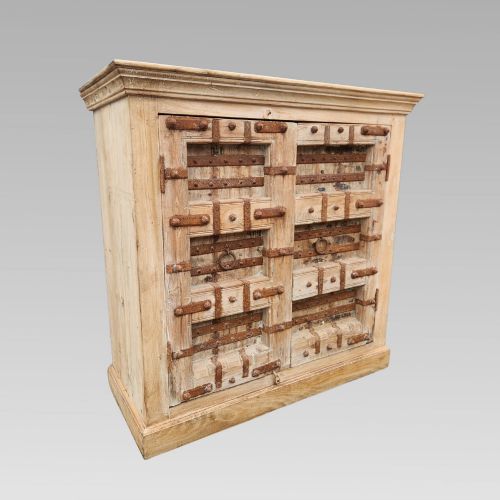
Makers utilised dense native timbers such as teak, padouk, rosewood, and satinwood, frequently paired with secondary hardwoods and structural ironwork for reinforcement. Metal banding and heavy hinges appear regularly on functional storage pieces and large chest forms.
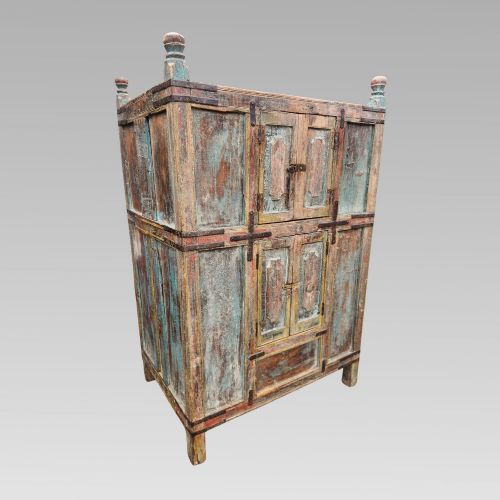
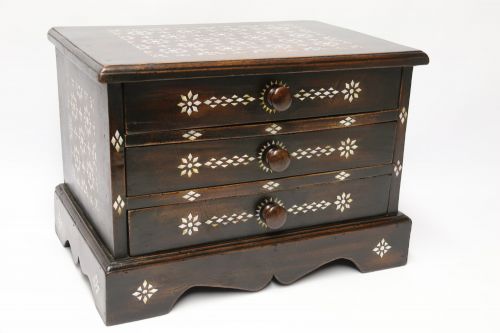
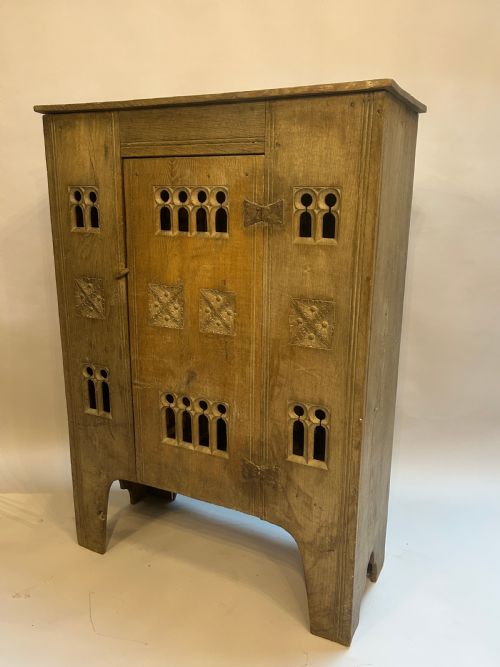
Carving and inlay define the decorative technique, utilising bone, mother-of-pearl, and abalone set into hardwood surfaces. Joinery combines traditional peg construction with panelled doors and louvered ventilation slats, alongside painted surface finishes on folk art pieces.
Craft and Proportion
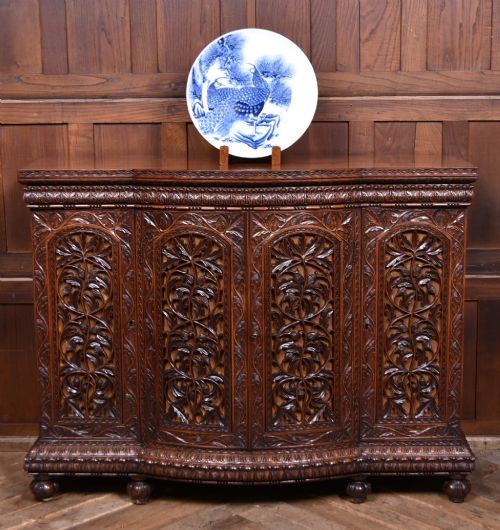
The distinction between tiers rests upon the depth and crispness of the carved detail, particularly on dense woods like padouk and teak. Relief work executed with sharp undercutting and balanced symmetry indicates skilled workshop production rather than hurried output.
Structural integrity and timber selection govern the upper end of the range, visible in the alignment of panelled doors, the condition of intricate bone or metal inlay, and the retention of original brass hardware. Scale and proportion also influence desirability, separating domestic utility pieces from grand architectural sideboards.
The Indian Wooden Cabinet Glossary
- Almirah
- A freestanding cupboard or wardrobe used for storage. This term is common in South Asian domestic architecture and furniture.
- Damchiya
- A traditional low dowry chest or cabinet from Gujarat and Rajasthan, often featuring mirrored glass, heavy carving, and sliding panels.
- Cellarette
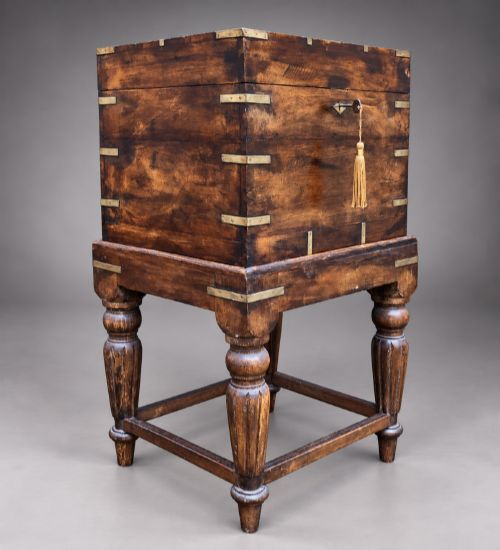
- A lockable container or cabinet designed to hold bottles of wine or spirits. These frequently sit on low stands or floor plinths.
- Padouk
- A heavy, durable tropical hardwood with a reddish-brown hue that deepens with age. It is frequently encountered in nineteenth-century colonial furniture.
Indian Wooden Cabinet: Frequently Asked Questions
How do I clean an antique wooden cabinet?
Dust surfaces regularly with a dry, soft cloth to prevent particulate buildup in carved crevices and joints. Avoid modern silicone sprays or harsh chemical polishes that can degrade aged wax and timber finishes.
Apply a traditional beeswax sparingly if the wood appears dry, buffing gently after application. Protect the timber from direct sunlight and sudden humidity shifts to prevent warping.
What is a damchiya cabinet?
A damchiya is a traditional Indian dowry chest featuring heavy low proportions and elaborate carved woodwork. They often include small inset mirrors and sliding internal compartments.
Historically constructed for rural households, these pieces served as secure storage for textiles and valuables. Today they function well as low sideboards or media units.
Are these cabinets made from reclaimed wood?
Many twentieth-century pieces utilise reclaimed teak and mixed hardwoods sourced from older architectural elements. This practice repurposes seasoned timber into functional storage cupboards and wardrobes.
Nineteenth-century examples typically employ freshly harvested native hardwoods like padouk, rosewood, and satinwood. Both categories show distinct structural patination developed through age and use.
How do I identify Anglo-Indian furniture?
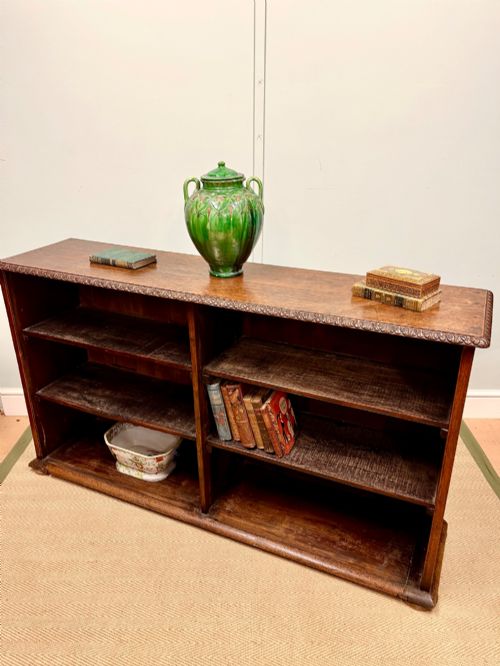
Anglo-Indian furniture combines traditional South Asian carving techniques with European furniture forms such as sideboards, writing desks, and bookcases. They frequently employ dense timbers like padouk and teak.
Decoration often incorporates intricate floral motifs, scrollwork, and ivory or bone inlay. This hybrid aesthetic developed during the British colonial period for export and domestic use.