
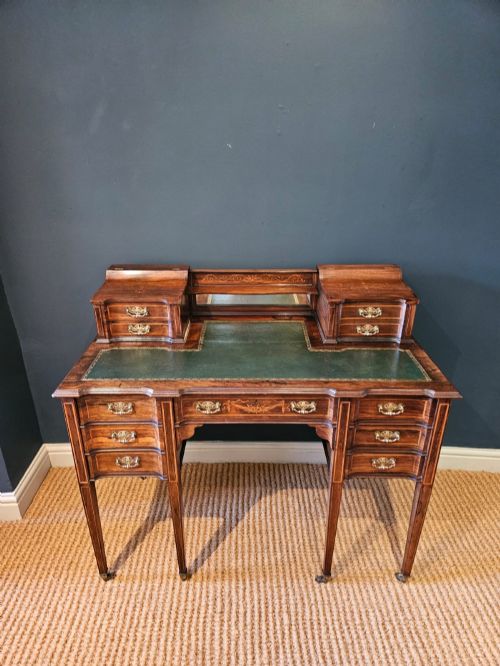
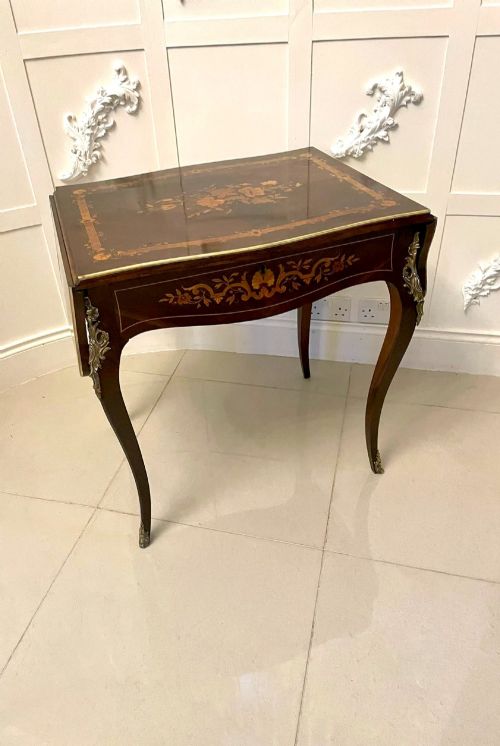

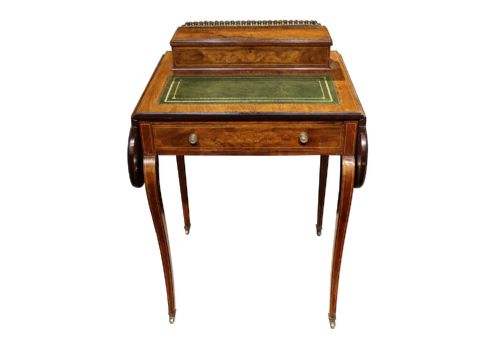
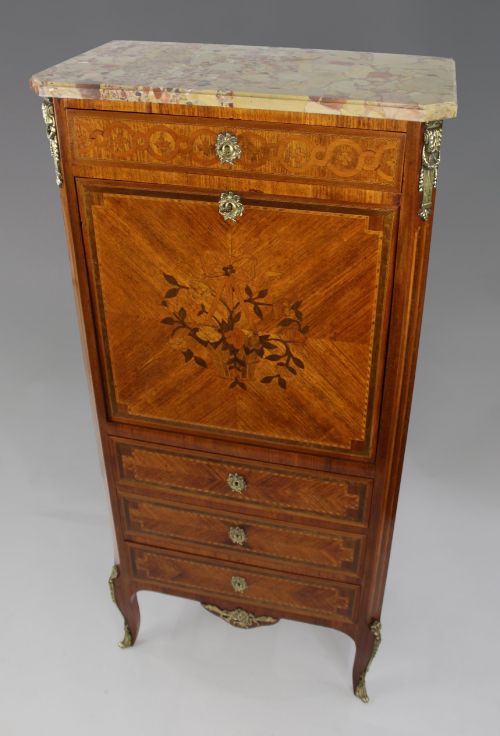



Vintage Rosewood Writing Desk
A vintage rosewood writing desk offers a rich, dark timber surface and refined compartments designed for correspondence and private study.
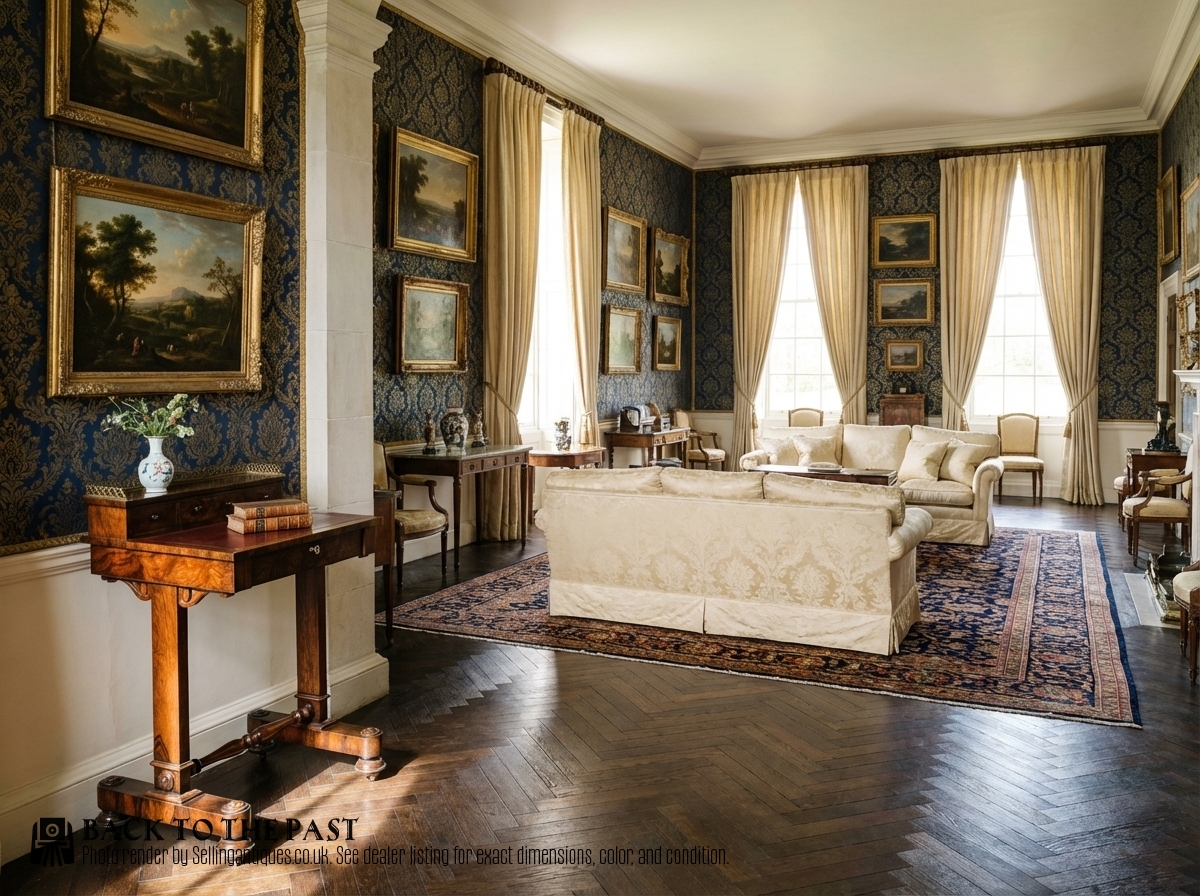
Vintage Rosewood Writing Desk
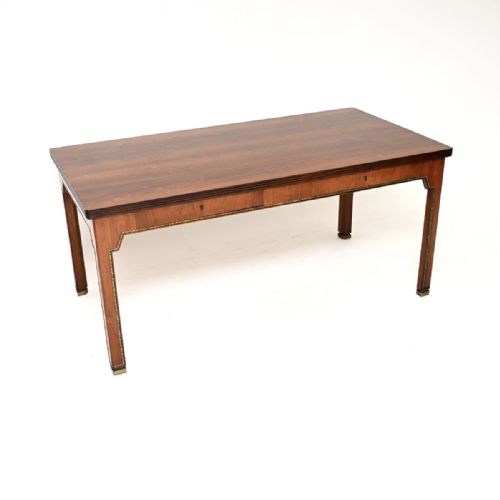
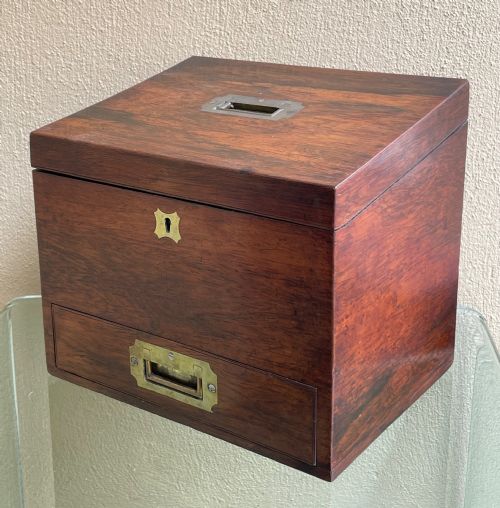
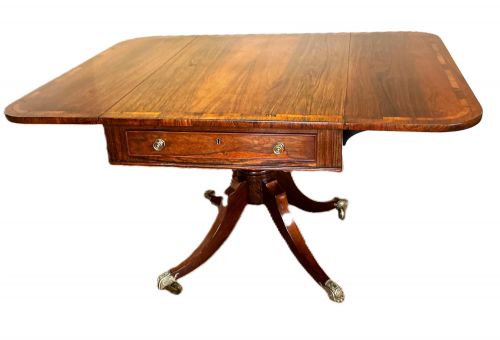
A vintage rosewood writing desk encompasses compact slope boxes, freestanding centre tables, and larger library forms spanning Georgian, Victorian, and later periods. Buyers seeking this phrase encounter portable campaign boxes with fitted interiors alongside substantial writing tables and bureau desks.
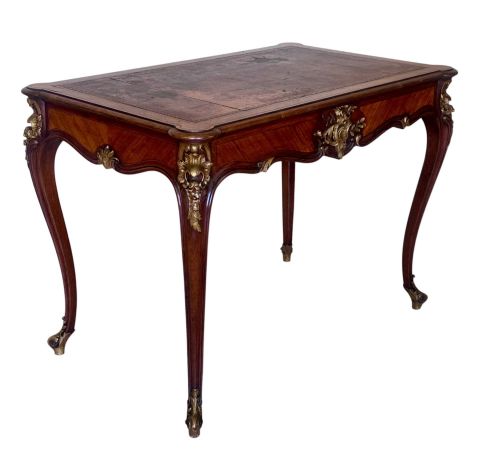
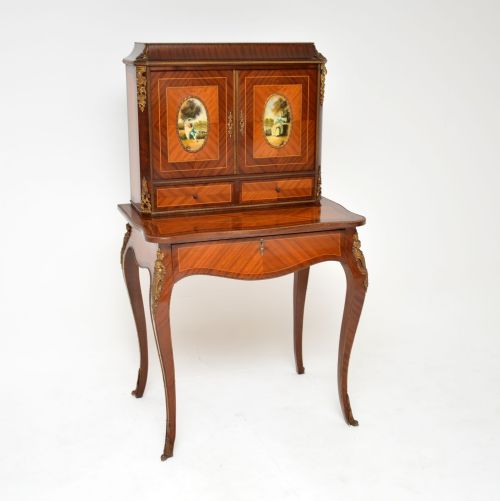
The material character defines the grouping, with dense rosewood frequently paired with brass mounts, leather inserts, and intricate marquetry. Examples range from English Victorian lady's tables to French escritoires and Danish modern desks.
Many variants include secret drawers, inkwells, and drop flaps intended for practical correspondence, reflecting both domestic use and travel.
How they were made
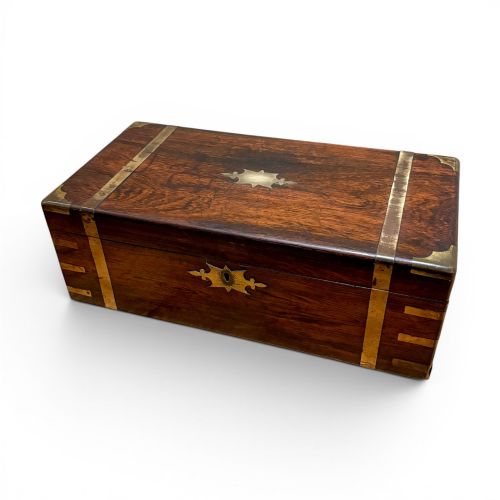
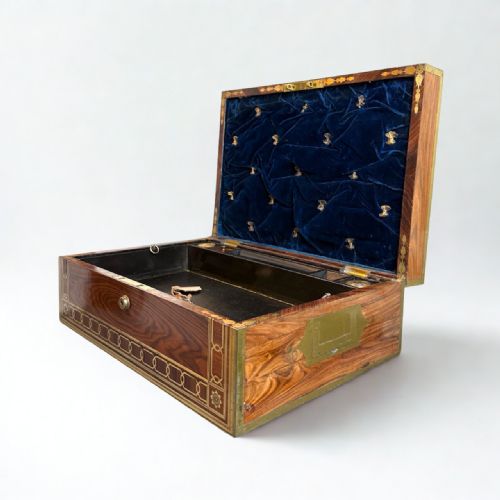
Cabinetmakers utilised dense rosewood timbers, often applied as fine veneers over secondary woods or left solid in smaller portable boxes. Brass banding, flush handles, and corner mounts provided structural reinforcement for travel while adding decorative contrast.
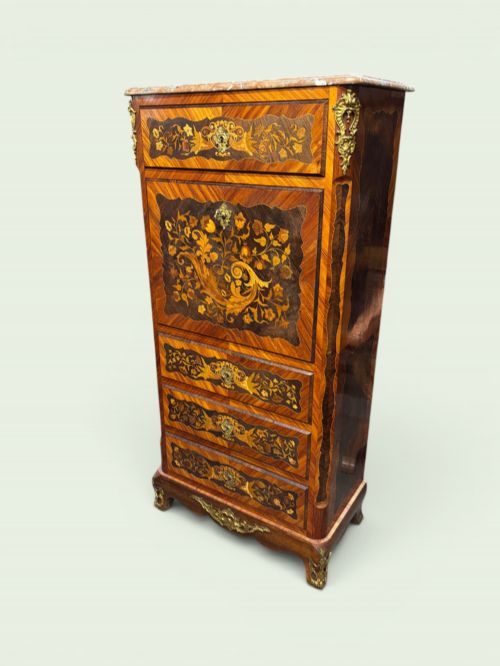
Writing surfaces were frequently inset with tooled leather, while French and continental pieces incorporated ormolu mounts, marble tops, and detailed marquetry inlay using contrasting woods like kingwood.
Several portable writing boxes retain secret compartments designed to hide private correspondence from prying eyes.
What varies in quality
The refinement of the internal fittings, such as secret compartments, fitted pigeonholes, and original brass inkwells, separates standard utility pieces from finer cabinetwork. Precision in the marquetry inlay and the retention of original hardware, working keys, and leather writing surfaces also indicate higher execution.
Structural integrity of the rosewood timber and the crispness of brass mounts or ormolu detailing distinguish workshop standards across periods.
CH. Jeanselme and Co·Maurice Dufrêne·George Austin Dublin
The Vintage Rosewood Writing Desk Glossary
- Writing slope
- A portable box with a hinged sloping lid that opens to provide a slanted surface for writing and storage for stationery. These often feature secret drawers and inkwells.
- Escritoire
- A writing cabinet or desk, usually featuring a fall-front flap that conceals inner compartments and pigeonholes. French examples frequently include marble tops.
- Campaign box
- A sturdy box or desk designed for military travel, fitted with brass corners, flush handles, and secure locks. These pieces prioritise durability and portability.
- Marquetry
- Decorative veneer work forming pictorial or geometric patterns using various coloured woods. It requires skilled cutting and fitting.
- Ormolu
- Gilded bronze mounts applied to furniture, common in French cabinetwork of the nineteenth century. It provides ornamental contrast to dark rosewood.
Vintage Rosewood Writing Desk: Frequently Asked Questions
How do I use a writing slope?
Place the box on a stable table and unlock the lid to reveal the sloping writing surface and internal compartments for paper and pens.
Many slopes feature a bifold design that opens flat or props up to create a comfortable angle for handwriting.
How do I care for rosewood furniture?
Keep rosewood desks away from direct sunlight and steady temperature fluctuations to prevent the timber from drying out or warping.
Dust gently with a dry cloth and avoid harsh chemical polishes that can damage the French polish or wax finish.
How do I identify a campaign desk?
Look for recessed brass corner mounts, flush carrying handles, and sturdy construction intended for easy transport during military or travel use.
Many campaign pieces also feature sectional designs or specialised compartments for documents and ink.
What is the difference between a writing table and a bureau?
A writing table functions primarily as an open desk with legs and surface drawers, while a bureau incorporates a sloping lid or fall-front enclosing pigeonholes.
Tables offer an open workspace, whereas bureaus provide concealed storage for stationery and papers when closed.