
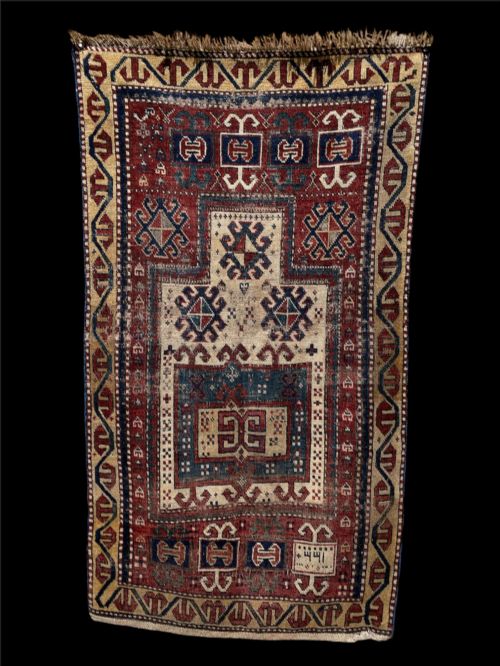
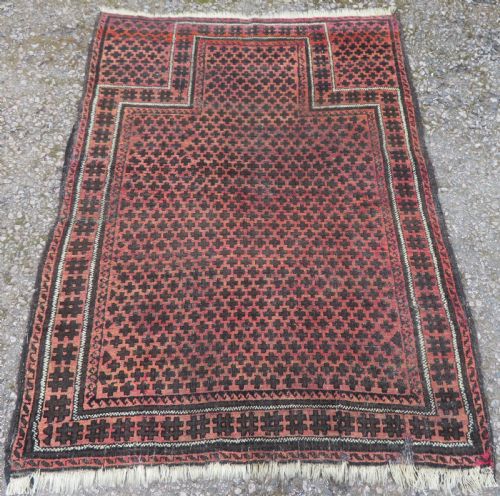


Vintage Prayer Carpet
A vintage prayer carpet brings centuries of woven devotion, niche regional iconography and tactile warmth into domestic spaces.
Vintage Prayer Carpet
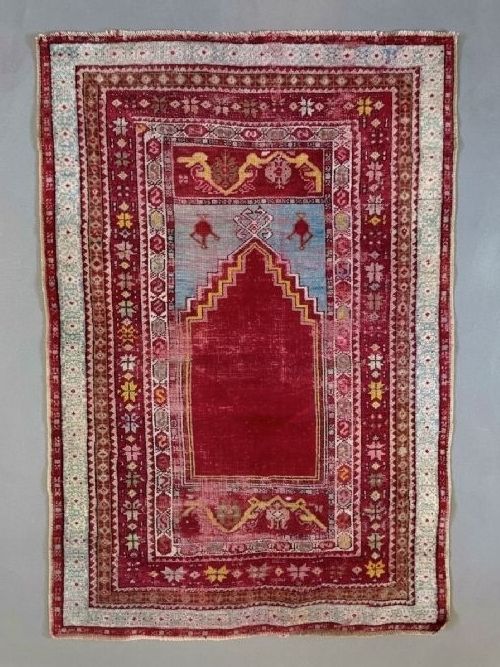
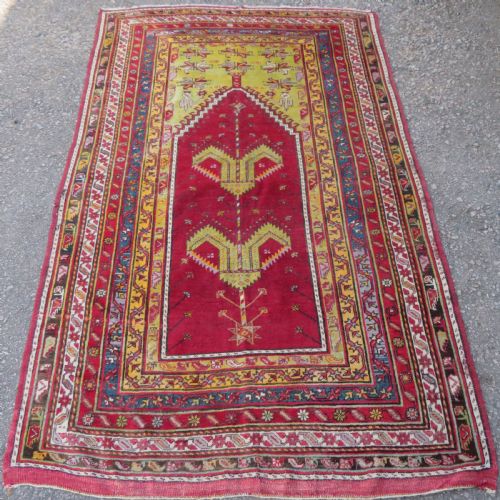
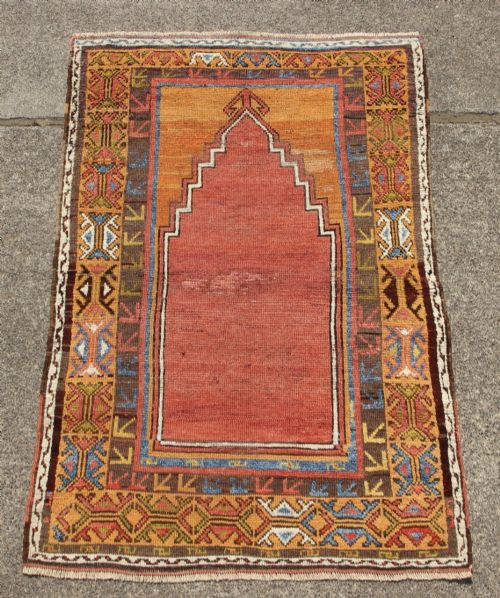
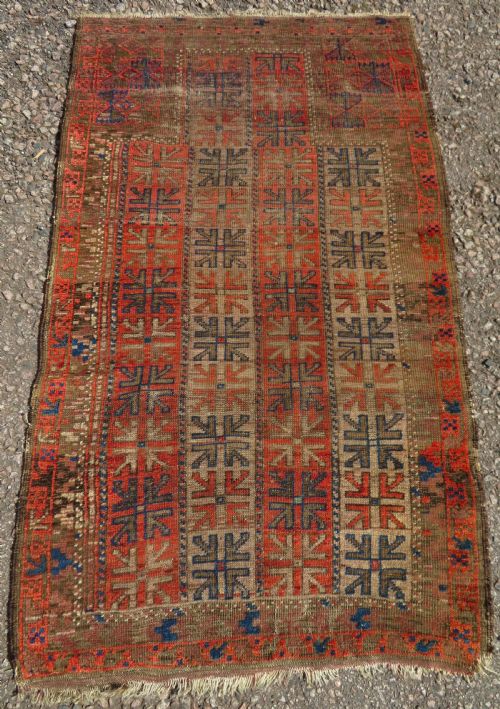
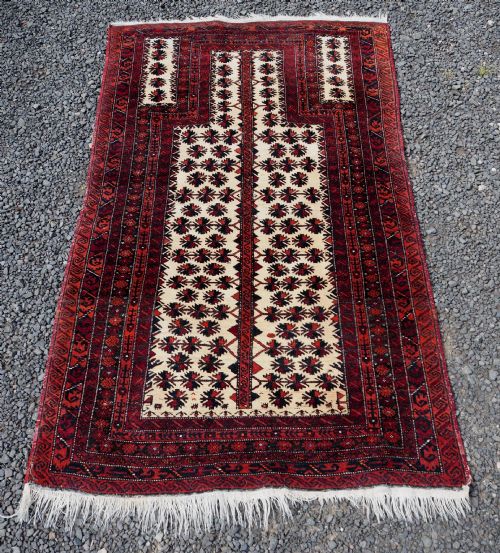
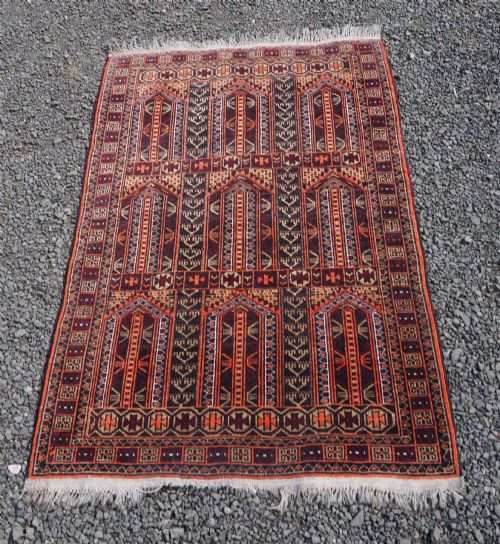
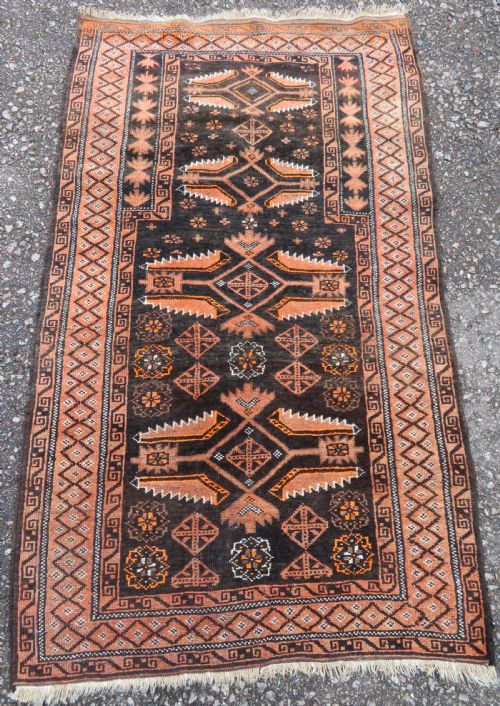
A vintage prayer carpet is a portable textile defined primarily by its architectural mihrab motif, designed to indicate the direction of prayer. These pieces originate from distinct weaving traditions across Anatolia, the Caucasus, Persia and Afghanistan.
The versions most commonly met on this page span from the mid nineteenth century through the early decades of the twentieth century. They encompass village and tribal expressions such as Baluch, Caucasian, and Anatolian Konya or Kirsehir pieces.
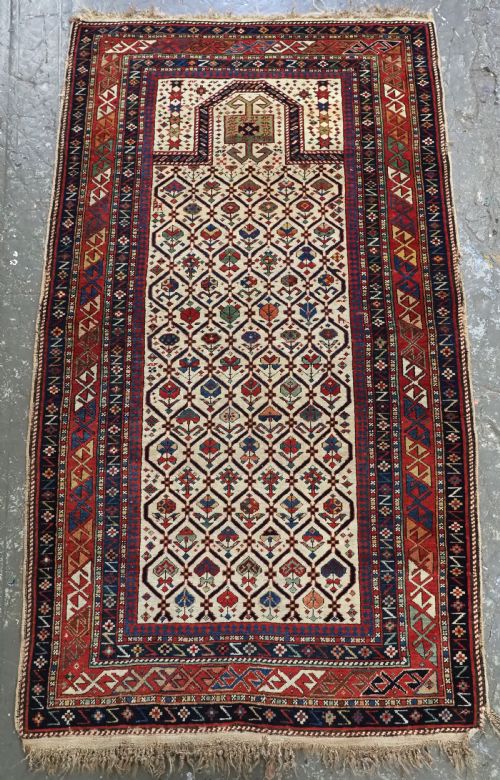
Buyers encounter formats ranging from compact village mats to room-sized carpets intended for devotional or domestic utility. Each regional group employs specific layouts, including floral lattices, stepped arches, and geometric border guards.
How they were made
Weavers constructed these textiles using hand-spun wool, cotton foundations, and occasionally camel wool or goat hair for added durability in tribal pieces. Silk appears in select urban examples, while natural dyes provide the foundational palette of madder reds, indigos, and earth tones.
The pile is hand-knotted onto warp and weft foundations, complemented by flatwoven kilim ends that protect the structural integrity of the textile. Mixed technique constructions also occur in nomadic workshops, combining pile weaving with flatweave sections.
Several carpets include rogue animal hairs spun directly into the wool, reminding modern owners of the nomad's wandering flock.
What varies in quality
The standard of a vintage prayer carpet rests on the crispness of the drawing within the mihrab and the saturation of its natural dyes. Superior pieces demonstrate meticulous knot density that preserves the geometric or floral precision of the design.
Material selection dictates longevity, with hand-spun wool and stable foundational yarns outperforming brittle wools or compromised cotton warps. The artistic ambition of the weaver, visible in spontaneous tribal variations or balanced village symmetry, separates standard utility rugs from masterworks.
The Vintage Prayer Carpet Glossary
- Mihrab
- The arched niche at one end of a prayer rug that mimics the prayer niche in a mosque, oriented toward Mecca during use. Its shape and ornamentation often identify the specific weaving origin.
- Kilim end
- The flatwoven portion at the top or bottom of a knotted rug, formed by warp and weft threads without pile. These sections frequently feature geometric stripes or extra-weft patterning.
- Natural dye
- Colourants derived from plants, insects, and minerals rather than synthetic chemistry. Madder root and indigo are common examples that yield rich tones which age with a soft patina.
- Warp
- The vertical foundation threads stretched tightly on the loom before knotting begins. The pile knots are tied around these stationary cords.
- Weft
- The horizontal threads passed alternately over and under the warp threads after rows of knots. They bind the structure together across the width of the rug.
Vintage Prayer Carpet: Frequently Asked Questions
How were prayer carpets used?
These textiles served as clean, portable spaces for daily prayers, positioned on the ground with the mihrab pointing toward Mecca. Once devotions concluded, they were frequently rolled and stored or utilised as decorative domestic furnishings.
Nomadic and village families also used them within tents or permanent dwellings to insulate floors and delineate living areas. Their portable nature meant they accompanied owners across regions and generations.
How do I distinguish regional styles?
Caucasian pieces tend to display crisp, geometric medallion systems and striking primary colours like blue and ivory. Anatolian rugs from centres like Konya or Kirsehir often feature architectural mihrabs with stylized floral and prayer lamp motifs.
Baluch and Afghan tribal examples rely on deep indigo, camel wool accents, and repetitive geometric borders. Studying the specific palette and knotting structure clarifies the geographic origin of each piece.
Can I place these carpets on the floor?
These vintage textiles tolerate gentle foot traffic when placed in low-impact areas away from direct sunlight and excessive moisture. Using an appropriate underlay prevents slipping and cushions the wool pile against abrasive subfloors.
Heavily fragile or silk examples benefit from wall mounting or display in areas with minimal physical wear. Regular rotation ensures even exposure and preserves the structural integrity of the foundation.
What does natural dye mean for a rug?
Natural dyes utilise organic sources such as madder, cochineal, and indigo to colour the wool before weaving takes place. These colourants interact with the fibre and light over decades to develop a harmonious, mellow patina.
Unlike harsh synthetic chemicals introduced later, natural dyes possess subtle tonal variations known as abrash. This nuance creates gentle horizontal shading across the field as dye batches shifted during production.