


Vintage Porcelain Collectables
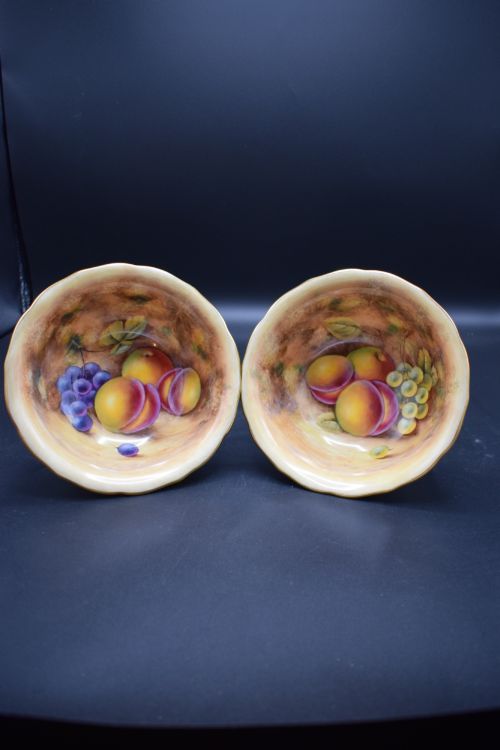
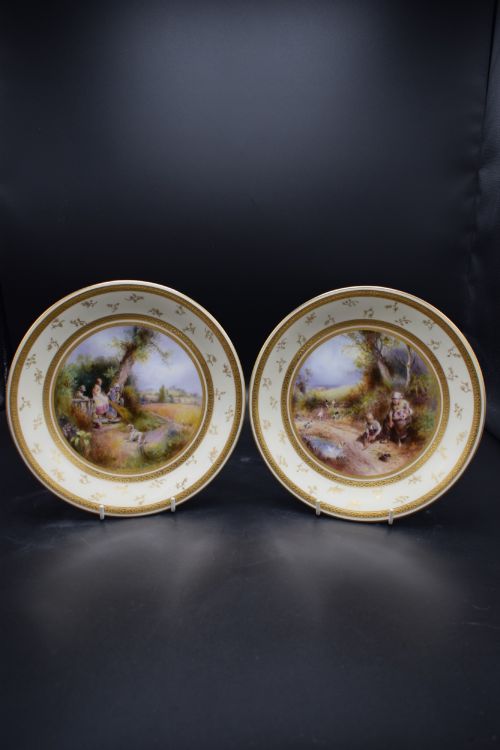
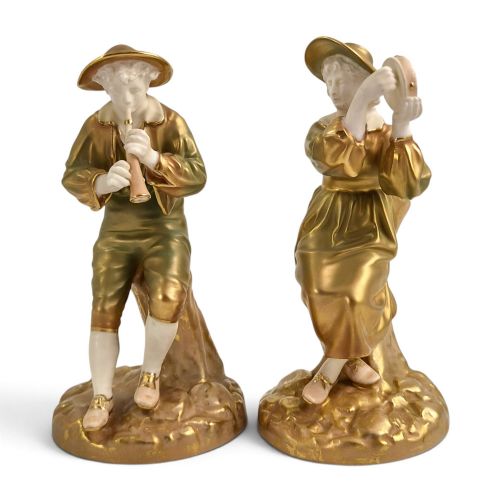
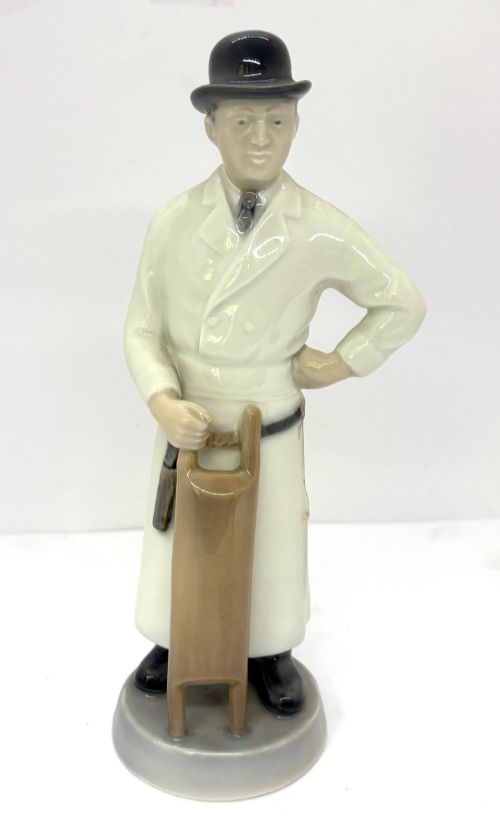
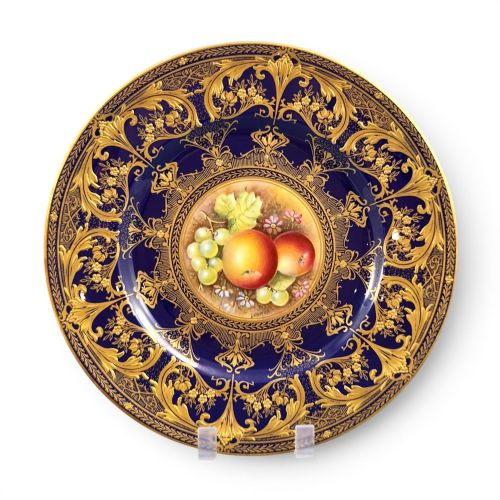
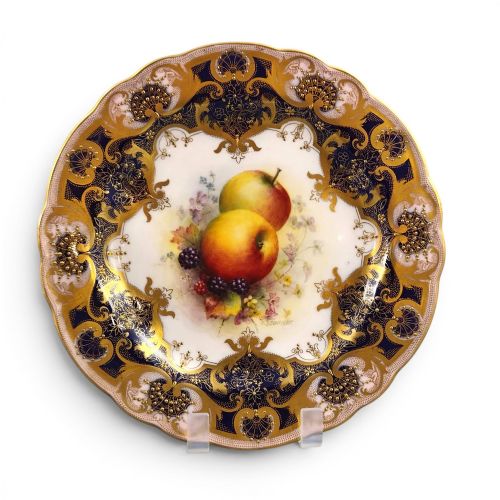
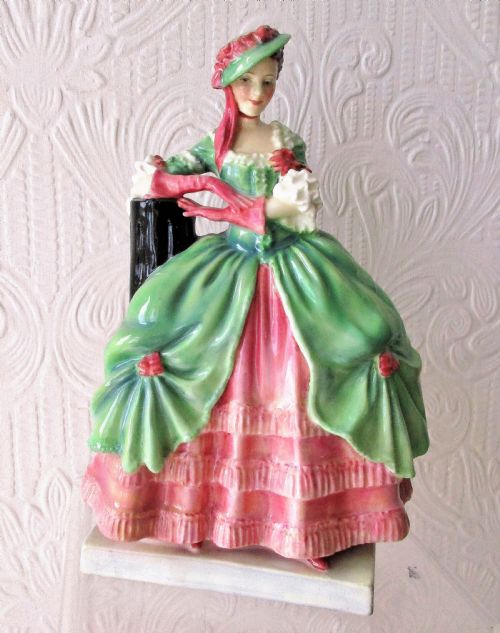
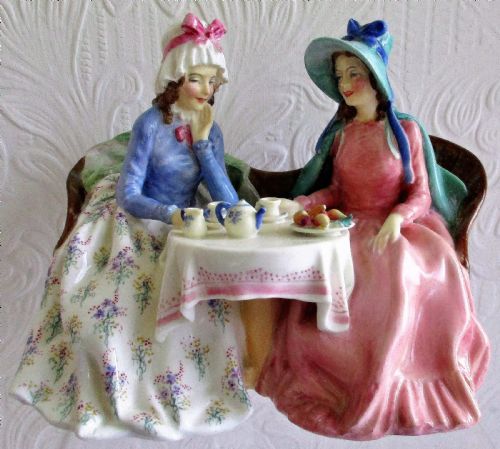
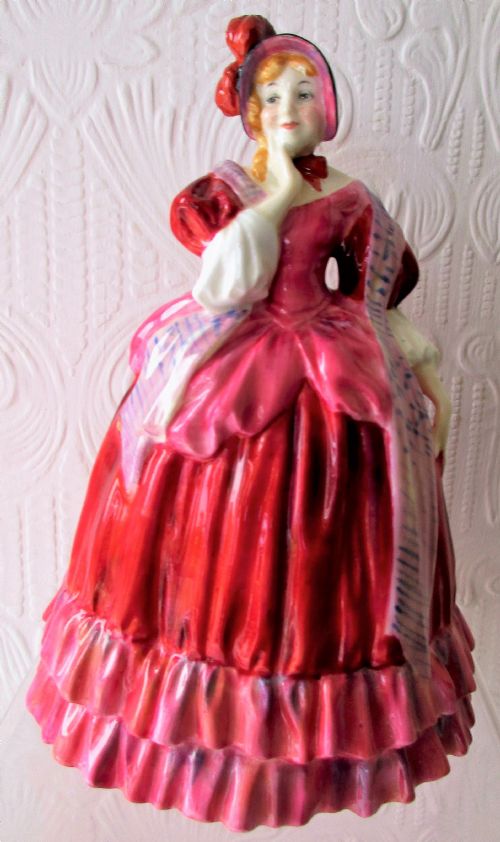
These vintage porcelain collectables span delicate cabinet plates, painted fruit dishes and characterful figures from the early decades of the twentieth century.
Vintage Porcelain Collectables
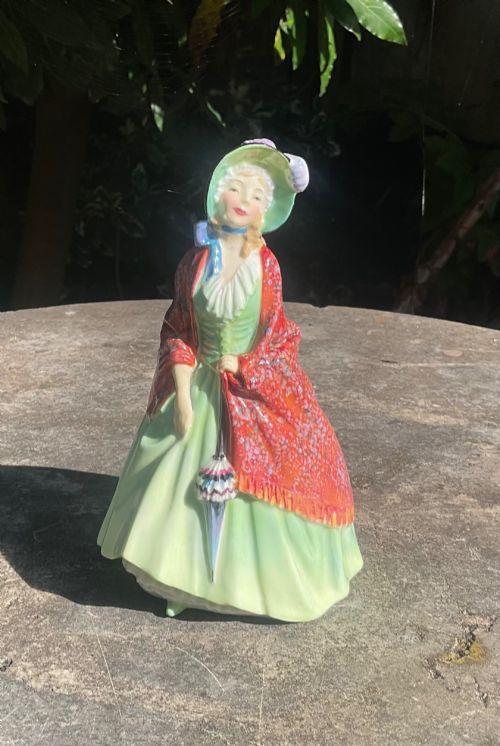
Vintage porcelain collectables encompass a diverse range of decorative objects, from hand-painted cabinet plates to intricate figurines produced by major European factories. Buyers searching this phrase most frequently encounter English bone china figures and vessels alongside continental porcelain pieces dating from the Edwardian era through to the middle decades of the twentieth century.
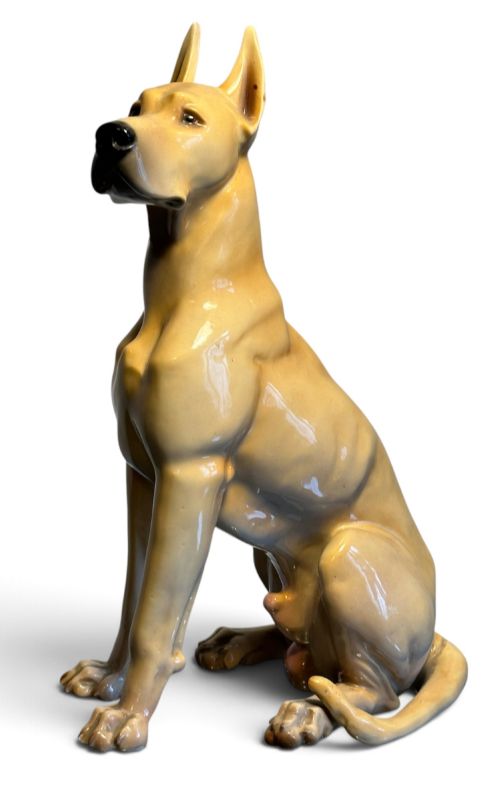
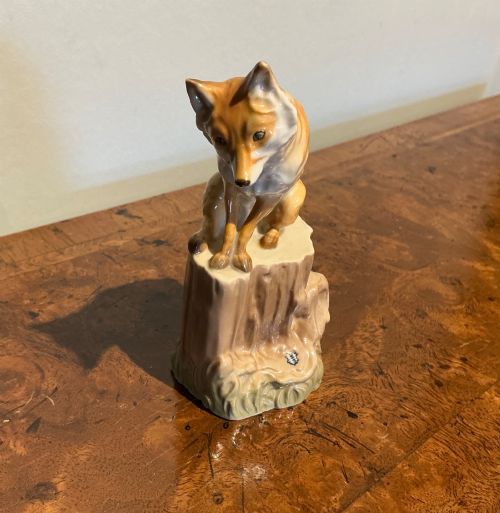
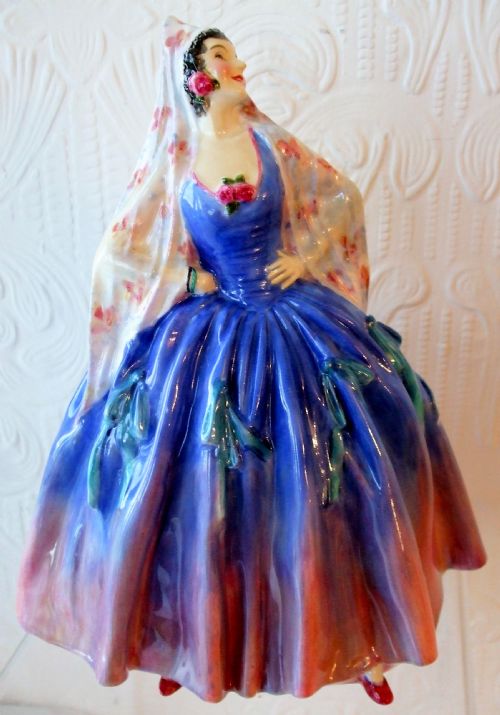
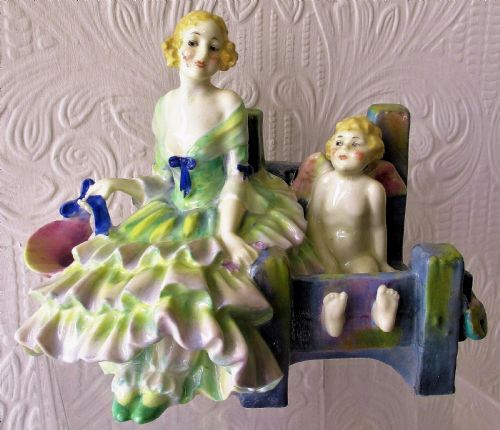
The selection ranges across traditional English floral designs, Art Deco character studies, and vibrant lustre wares created by notable designers. Forms vary from functional cabinet plates and bowls to whimsical animal models, candle snuffers and half doll cigarette strikers.
Objects originate primarily from renowned potteries in Britain, Germany, Denmark and France. Each piece reflects the aesthetic priorities of its decade, shifting from elaborate Edwardian ornamentation towards clean geometric lines and stylised motifs in subsequent periods.
Materials and techniques
Makers utilised fine porcelain and bone china as the primary base materials, shaping them into smooth forms before applying detailed underglaze or overglaze painting. Artists frequently incorporated gold leaf and gilt highlights to accentuate moulded borders and decorative motifs.
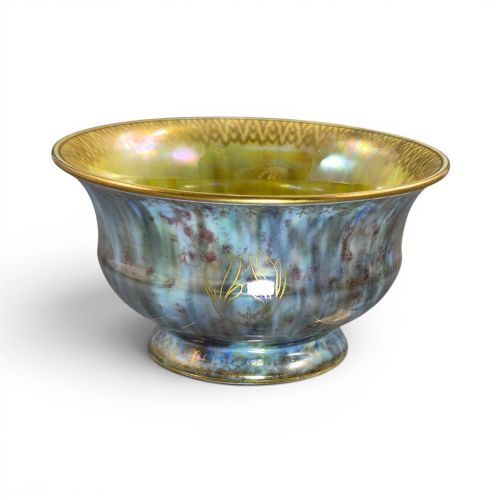
Specialised techniques such as lustre glazing created iridescent, multi-coloured surfaces on bowls and vases, while intricate enamel work added rich opacity to figurative details. Firing processes required precise temperature control to ensure the vitrification of the ceramic body and the permanence of hand-applied pigments.
Vintage Porcelain Collectables Retail Price Guide 2026
Typical asking prices for vintage porcelain collectables among the pieces listed under this phrase on Sellingantiques today, from the lower quarter to the upper quarter. They describe what is for sale here now, not the wider market.
Listings feature multiple periods spanning from the nineteenth century through the 1960s, executed in porcelain, bone china and enamel.
Assessing quality
The standard of painting distinguishes the finest examples from standard production pieces, particularly where artists hand-painted naturalistic fruit, portraits or complex mythical scenes onto porcelain surfaces. Precision in moulding and the crispness of relief details also indicate superior craftsmanship.
Complexity of design and depth of glaze application separate ambitious studio pieces from commercial wares, with layered lustre finishes and extensive gilding requiring exceptional technical skill from the potter and painter alike.
Royal Worcester·Royal Doulton·Royal Copenhagen·Wedgwood·Meissen·Coalport·Nymphenburg·Royal Dux·Shelley·Fasold & Stuach
The Vintage Porcelain Collectables Glossary
- Bone china
- A type of soft-paste porcelain incorporating animal bone ash, resulting in a strong, highly translucent white body.
- Cabinet plate
- A decorative plate intended for display in a cabinet or on a wall rather than for dining use.
- Lustre
- A metallic ceramic glaze that produces an iridescent, pearlescent sheen across the surface of the vessel.
- Half doll
- A porcelain doll upper body without legs, historically utilised as a decorative cover for tea cosies, powder boxes or pin cushions.
- Glaze
- A glassy coating fused to the ceramic body through firing, providing a smooth, protective finish.
Vintage Porcelain Collectables: Frequently Asked Questions
How do I identify the maker?
Makers typically applied stamped, impressed or hand-painted backstamps to the underside of each piece. These factory marks often include specific numbers or ciphers indicating the year of production.
Studying the distinct style of painting or modelling also helps attribute pieces to particular designers or potteries when marks are faint.
How should I clean porcelain?
Clean vintage porcelain gently by hand using lukewarm water and a mild detergent. Avoid harsh abrasive sponges or soaking pieces with delicate gilt decoration for extended periods.
Dry each item thoroughly with a soft lint-free cloth to protect the glaze and painted surfaces.
Are figurines marked with numbers?
Many figures feature model numbers, registration numbers or artist initials painted or impressed on the base. These numbers correspond to factory archives and help determine the exact production era.
Designers often signed their sculptural work directly into the wet clay before the initial firing.