



Mid Century Porcelain Figurines
Mid century porcelain figurines bring character and mid-century modern style to a room, offering expressive forms that collectors prize.
Mid Century Porcelain Figurines
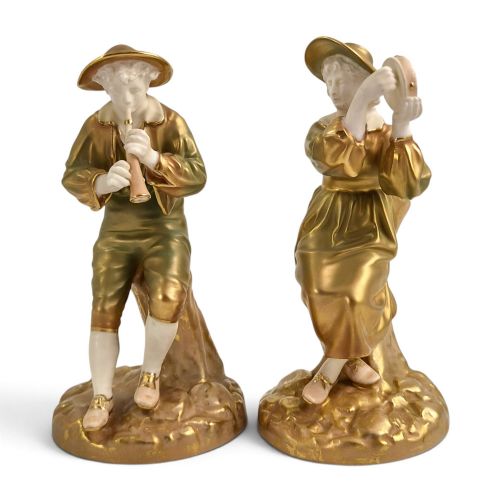
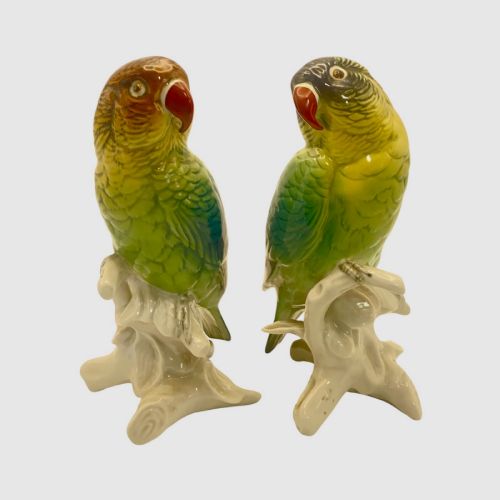
Mid century porcelain figurines encompass decorative sculptures and ornamental figures produced across various mid-century aesthetics, alongside earlier Victorian and Georgian pieces appearing in the selections. These sculptures range from naturalistic bird pairs such as cockatoos and parrots to human figures and literary groups.
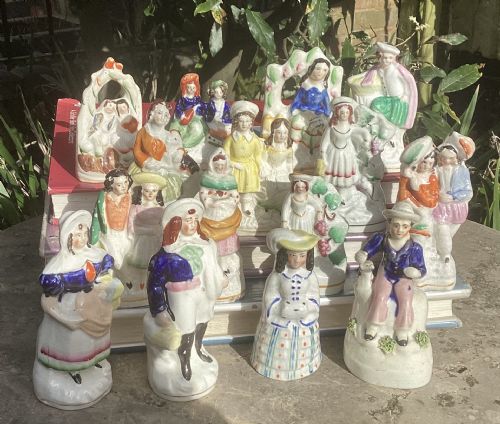
The objects take the form of freestanding decorative figurines, desk accessories, and sculptural groups intended for display on mantelpieces and tables. While the phrase points toward mid-century items, the available evidence also spans 18th-century and 19th-century works including Staffordshire pottery and parian ware.
Materials and manufacture
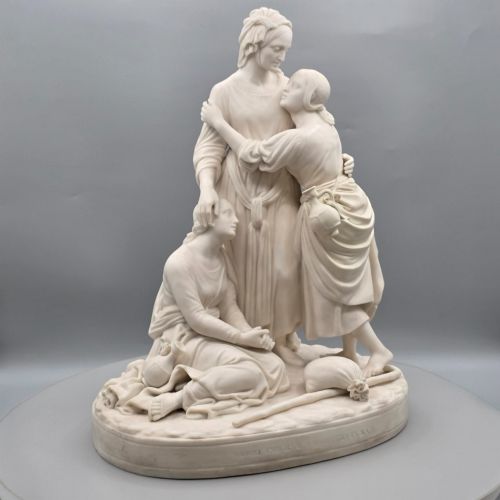
Makers utilised porcelain, bone china, hard-paste porcelain, and parian porcelain to shape these figures, frequently applying enamel colours and gilding with gold leaf. Parian porcelain provided a marble-like finish suited to classical and literary subjects.
Techniques involved moulding and casting clay bodies before firing and hand-painting enamel details or applying metallic leaf accents. Individual factories employed distinct kiln temperatures and glaze recipes, resulting in varying degrees of translucency and surface gloss.
Mid Century Porcelain Figurines Retail Price Guide 2026
Typical asking prices for mid century porcelain figurines among the pieces listed under this phrase on Sellingantiques today, from the lower quarter to the upper quarter. They describe what is for sale here now, not the wider market.
Ceramic greyhounds doubling as quill holders offer a charming glimpse into the practical desk habits of 19th-century writers.
Assessing quality and execution
Quality reveals itself in the crispness of the moulding and the delicacy of hand-painted facial expressions, plumage, and drapery. Finer examples retain intact enamel colours and precise application of gold leaf without rubbing.
The reputation of the maker and the sophistication of the sculptural model distinguish standard production pieces from masterworks. Clean firing free from kiln flaws and careful finishing distinguish superior figures from basic commercial output.
Karl Ens·Thomas Parr·Karl Tutter·T.J Jones
The Mid Century Porcelain Figurines Glossary
- Bone china
- A type of soft-paste porcelain incorporating bone ash for strength and translucency. It permits thinner walls and finer detail in sculptural casting.
- Parian porcelain
- A bisqueware porcelain named after Parian marble due to its smooth, unglazed, granular texture. It became popular in the 19th century for classical figures.
- Hard-paste porcelain
- A durable ceramic material fired at high temperatures using kaolin and petuntse. It produces a dense, vitreous body resistant to scratching.
- Gilding
- The application of gold leaf or powdered gold to ceramic surfaces for decorative emphasis. It highlights borders, garments, and architectural details on figures.
- Enamel
- A glass-like substance fused to the porcelain surface through firing to add colour. It provides permanent hues across costumes, feathers, and bases.
Mid Century Porcelain Figurines: Frequently Asked Questions
What materials are used for mid century porcelain figurines?
These figures are constructed from standard porcelain, bone china, hard-paste porcelain, and parian porcelain. Surface decoration frequently incorporates enamel colours and gold leaf.
Different manufacturing traditions utilised specific clay bodies to achieve distinct levels of translucency, weight, and surface texture.
How do I display these figurines at home?
Figurines fit well on mantelpieces, bookshelves, side tables, and within glass-fronted cabinets where lighting enhances their glaze. Desk accessories also serve functional decorative roles in workspaces.
Placement should consider natural light exposure to protect enamel colours and ensure stable surfaces away from high traffic areas.
How do I distinguish mid-century from Victorian pieces?
Mid-century pieces typically exhibit cleaner lines and stylised forms associated with mid-century modern design, whereas Victorian figures display ornate detailing, heavy gilding, or romantic subjects.
Examining the base marks, stylistic conventions, and the specific porcelain body helps clarify the likely period of manufacture.
What subjects are common in these sculptures?
Common subjects include birds such as cockatoos and parrots, human figures with musical or domestic themes, and classical literary groups. Staffordshire animals like greyhounds also appear frequently.
These subjects reflect the aesthetic preferences and cultural interests of the periods in which the factories operated.