



Vintage Plant Container
These vintage plant container pieces span Victorian and Edwardian periods, offering robust copper, brass, and mahogany vessels to display greenery.
Vintage Plant Container
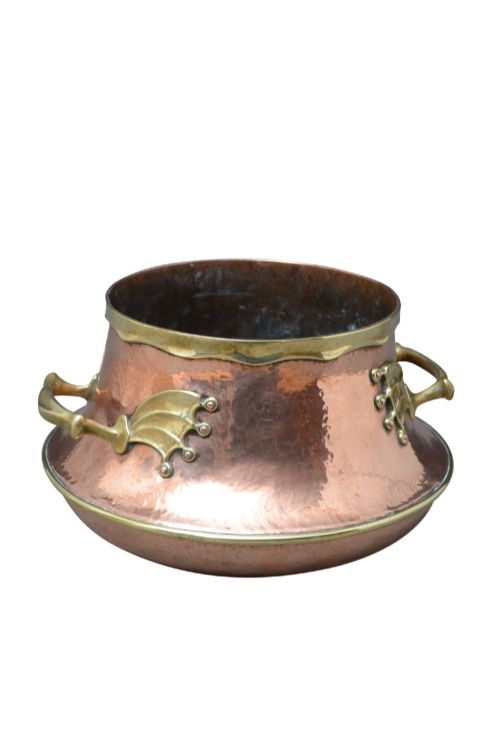
A vintage plant container bridges domestic horticulture and interior decoration, frequently appearing as a jardiniere, planter, or plant stand. These vessels house potted plants or serve as ornamental items within a room, drawing on forms from the Georgian period through to the 1930s.
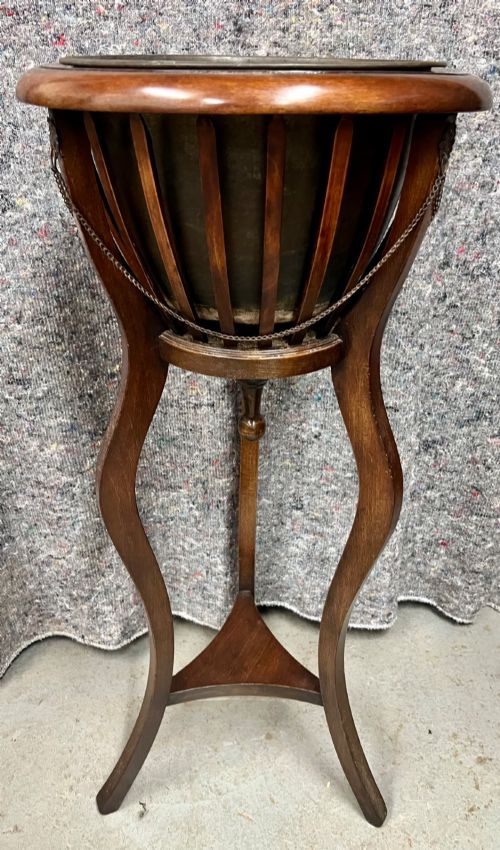
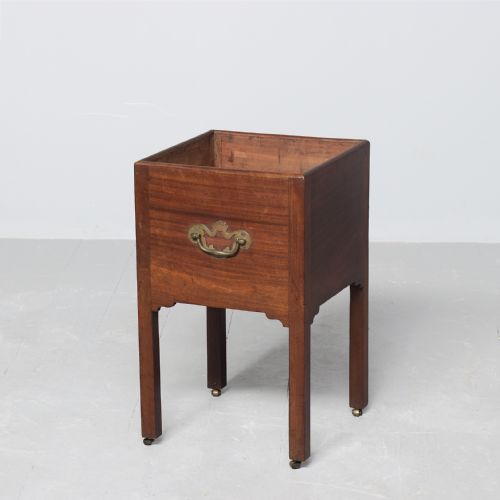
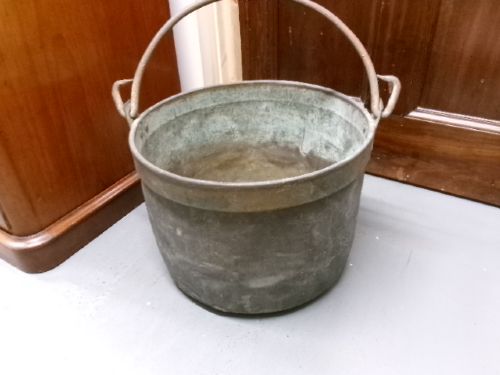
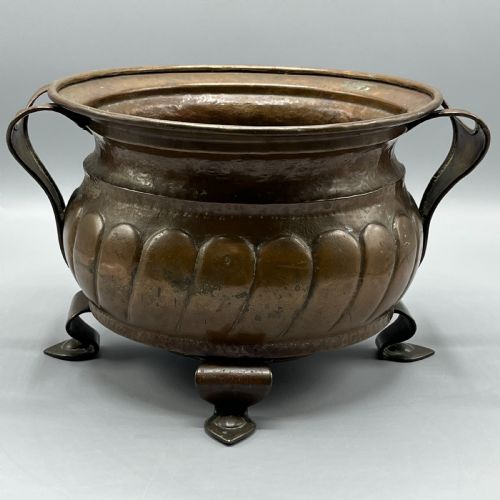
The selections available here lean heavily toward Victorian and Edwardian metalwork, alongside Arts and Crafts designs and mahogany stands. Metal vessels often take the form of cauldrons, coal buckets, or handled pots, while wooden examples include stands and wine cooler conversions.
Origins span British workshops alongside continental European and Asian examples, including French and Japanese pieces. Buyers encounter both utilitarian garden planters in zinc and decorative glazed stoneware pottery designed for indoor display.
How They Were Made
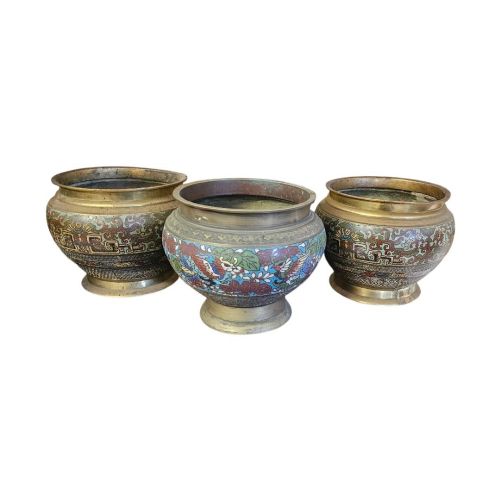
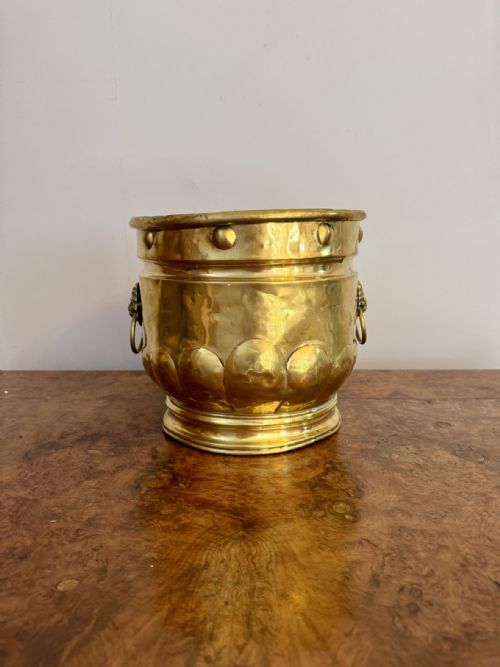
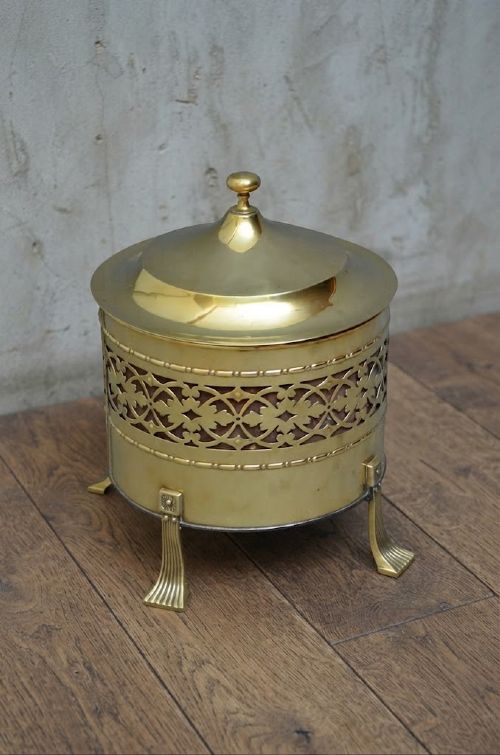
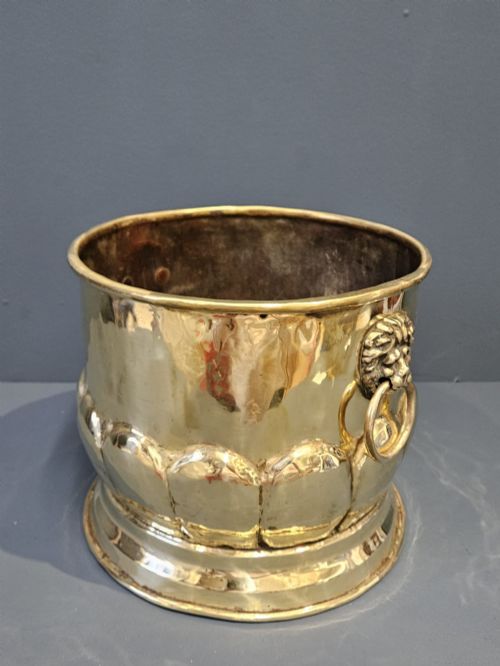
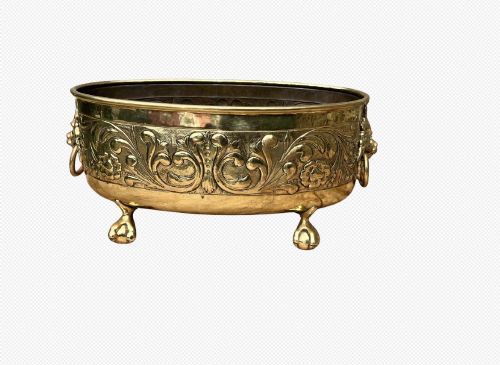
Metals such as brass, copper, bronze, and iron dominate the construction, often shaped through hammering, repoussé work, or champlevé enamel techniques. Artisans applied fretwork, lion mask handles, and animal head motifs to surface designs during the Victorian and Edwardian eras.
Timber vessels utilise solid mahogany or oak, sometimes incorporating coopered stave construction akin to vintage log bins or wine coolers. Glazed stoneware pottery relies on traditional ceramic throwing and firing methods, decorated with distinct glazes characteristic of late nineteenth-century art potteries.
Vintage Plant Container Retail Price Guide 2026
Typical asking prices for vintage plant container among the pieces listed under this phrase on Sellingantiques today, from the lower quarter to the upper quarter. They describe what is for sale here now, not the wider market.
Several planters arrive with fierce lion mask handles, ready to guard your ferns with nineteenth-century determination.
What Varies in Quality
The calibre of metalwork dictates much of the distinction in these vessels, separating heavy gauge hand-hammered copper or cast brass from thinner sheet alternatives. Crisp detailing in repoussé decoration, animal handles, and fretwork reveals the hand of skilled workshops.
Woodwork quality rests on timber selection and joinery integrity, especially in mahogany stands and coopered oak bins where stability matters. Glazed ceramic pieces are elevated by deep, even glaze application and well-defined studio or pottery markings.
J Sankey and Sons·Doulton Lambeth
The Vintage Plant Container Glossary
- Jardiniere
- An ornamental pot or stand for holding flowers or plants, usually designed for indoor placement. These vessels appear in ceramic, copper, brass, and mahogany.
- Repoussé
- A metalworking technique where the artisan hammers the design from the reverse side to form a raised pattern on the front. This method decorates many nineteenth-century brass and copper planters.
- Champlevé
- An enamel technique where troughs are carved into a metal surface and filled with vitreous enamel before firing. It appears on bronze vessels from the late Qing period.
- Coopering
- A method of joining curved wooden staves together with metal bands to form a watertight vessel. This technique builds wooden log bins and wine coolers.
- Fretwork
- Ornamental perforated woodwork or metalwork created by cutting intricate patterns through the material. Edwardian planters frequently utilise this decorative border style.
Vintage Plant Container: Frequently Asked Questions
How do I protect surfaces from water damage?
Many vintage metal and wooden planters were not manufactured with modern waterproof liners. Place a discreet plastic or ceramic saucer inside the vessel to catch drainage water and protect the interior base.
Regularly check beneath the container to ensure moisture does not sit against polished wood or table surfaces. Removing the plant for watering outside the container also prevents stagnant water accumulation.
Can I use these indoor planters outside?
Materials such as zinc, iron, and heavy bronze handle outdoor conditions well if protected from harsh winter frosts. However, polished brass, copper, and mahogany pieces are better suited to indoor environments where humidity remains stable.
Exposing vintage mahogany or lacquered brass to direct outdoor weather causes rapid surface degradation and timber splitting. Assess the specific metal alloy and wood type before placing any container in a garden setting.
How do I clean antique brass and copper?
Dust the surface gently with a dry cloth to remove loose particles without scratching the soft metal. Avoid harsh chemical cleaners that strip away patination accumulated over the Victorian and Edwardian periods.
Allowing the natural oxidation to remain preserves the character and historical depth of the object. Light maintenance with mild soapy water on a damp cloth is usually sufficient for general upkeep.
What is the difference between a jardiniere and a planter?
A jardiniere typically refers to an ornamental pot designed to sit inside a room, often featuring decorative feet or handles. Planters can serve a similar indoor function but frequently describe more utilitarian vessels used for growing.
In historical listings, these terms often overlap depending on whether the vessel held potted plants directly or acted as an outer cachepot. Both forms share the primary purpose of displaying greenery within domestic spaces.