


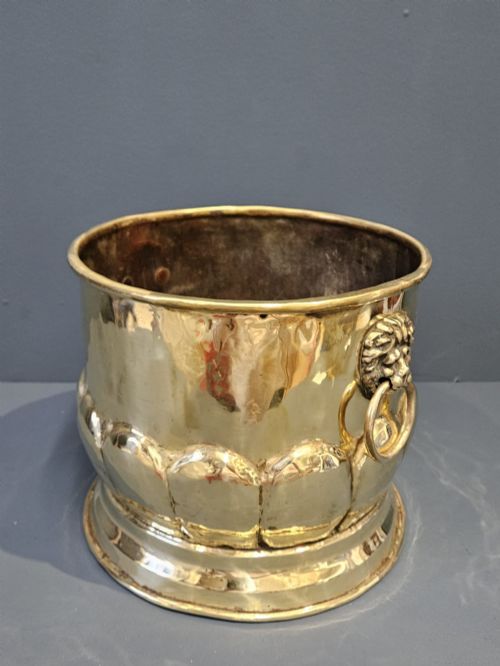
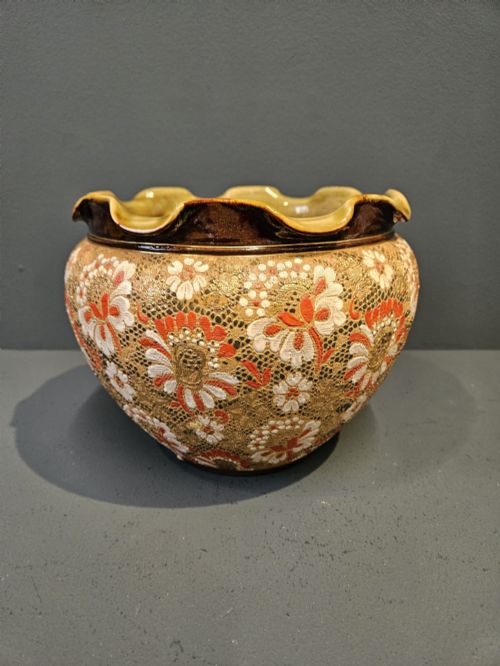
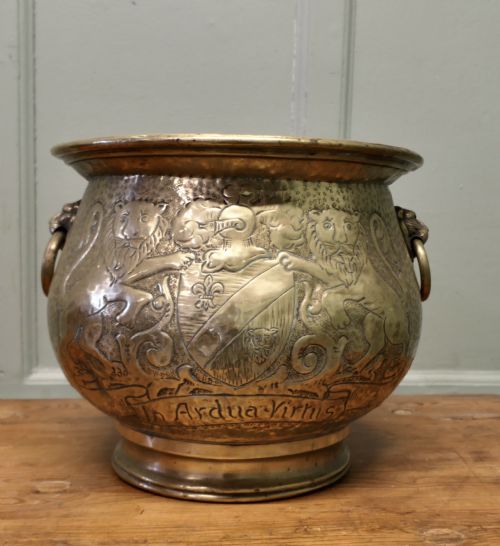
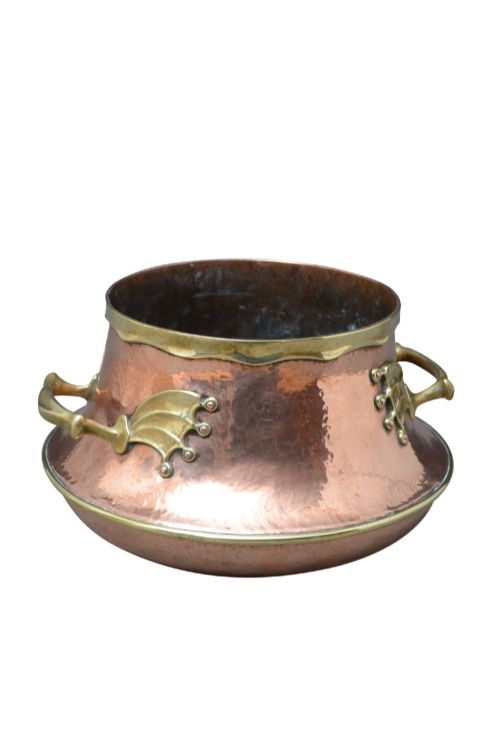
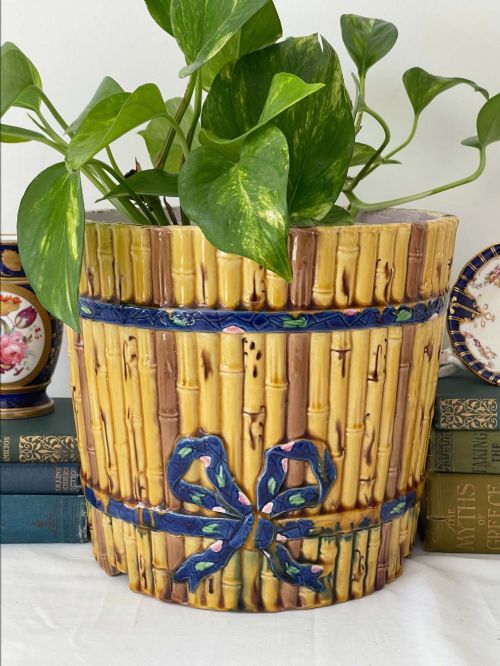

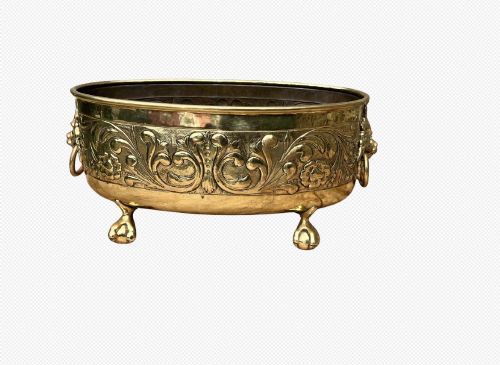
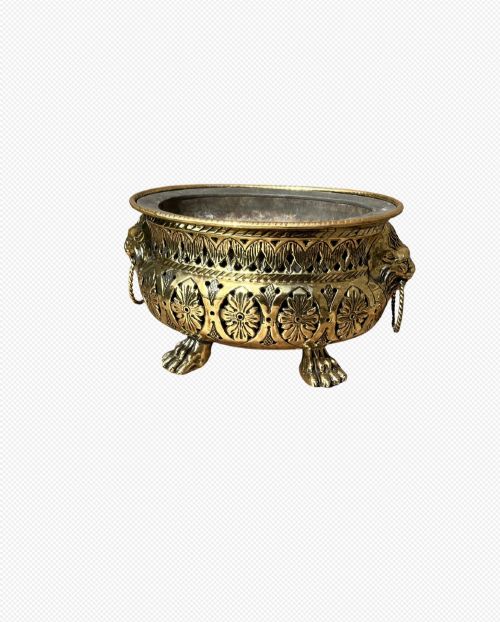
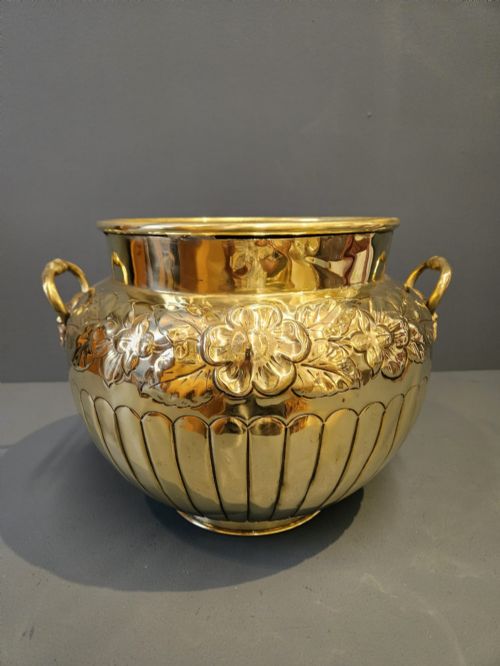
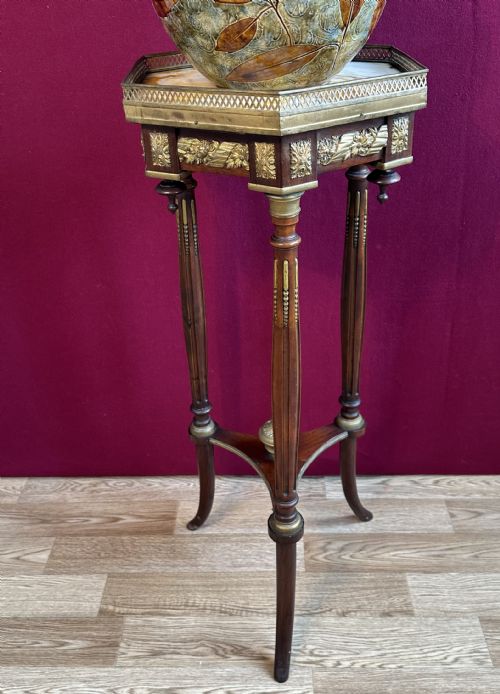
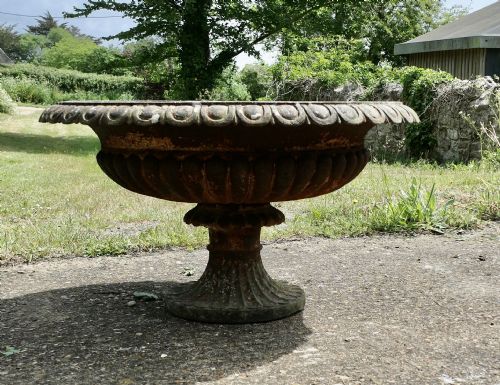
Victorian Jardiniere Pot
A victorian jardiniere pot brings interior greenery to life with the robust character of nineteenth-century metalwork and ceramics.
Victorian Jardiniere Pot
A victorian jardiniere pot serves as an ornamental vessel designed to hold potted plants indoors, combining practical drainage containment with decorative presence. These pieces emerge primarily from the nineteenth century, spanning periods from the 1850s through to the Edwardian era.
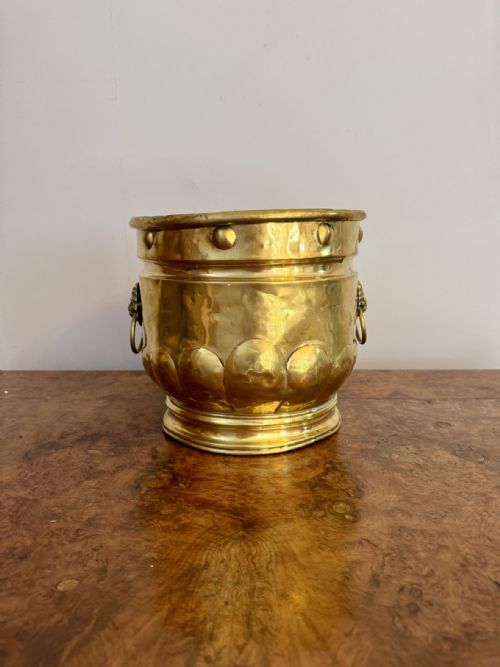
Origin influences form significantly, with English earthenware and ceramic pieces appearing alongside imported brassware from India and cast iron garden urns. Each example reflects the domestic horticulture obsession of the period, providing a solid receptacle for ferns and palms.
How They Were Made
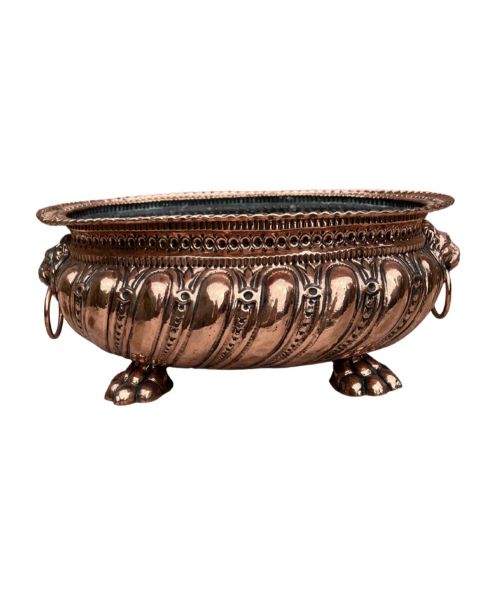
Metal vessels rely on techniques such as hand-engraving, piercing, and hammering to ornament brass and copper surfaces. Makers shaped sheet metal into cylindrical and bowl forms, often incorporating cast iron components or wrought iron stands for stability.
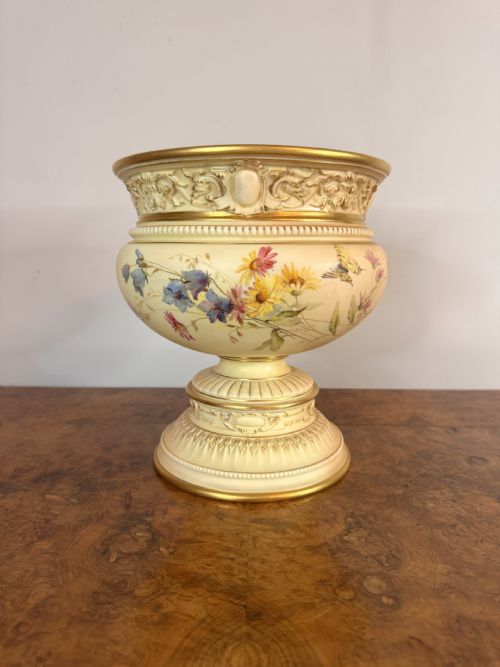
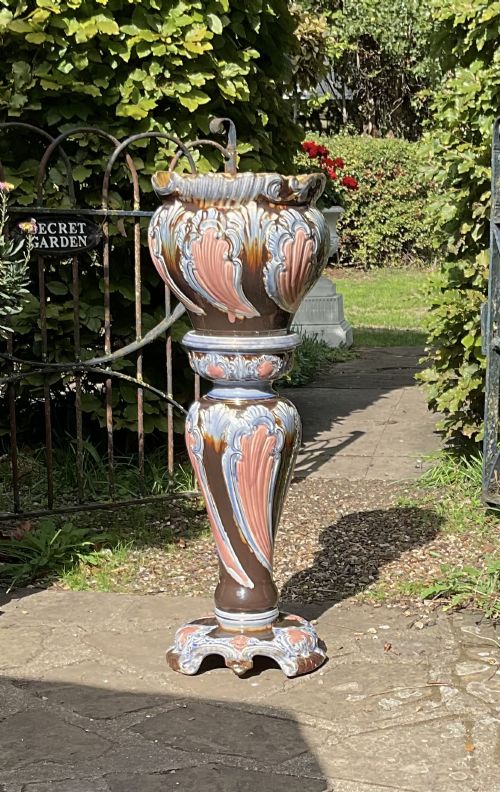
Ceramic and stoneware examples utilise moulding and throwing methods, decorated with majolica glazes, transfer printing, or specialised finishes like Slaterware. Artisans applied botanical motifs and crests directly to the clay body before firing and glazing.
Victorian Jardiniere Pot Retail Price Guide 2026
Typical asking prices for victorian jardiniere pot among the pieces listed under this phrase on Sellingantiques today, from the lower quarter to the upper quarter. They describe what is for sale here now, not the wider market.
The inventory includes Asian export bronze pieces alongside British ceramic wares from Doulton and Burmantofts.
What Varies in Quality
The execution of surface decoration distinguishes standard production items from exceptional studio pieces, particularly in hand-chased metalwork and hand-painted ceramic glazes. Crisp detailing in embossed crests, shields, or foliate designs indicates superior craftsmanship from reputable potteries or metalworkers.
Substance and material thickness dictate the durability of the vessel, with heavy-gauge copper, robust stoneware, and solid cast iron representing superior manufacturing standards. The integrity of internal surfaces and the preservation of original patination heavily influence the overall standard of surviving examples.
William Adams And Sons·W A Adderley·Doulton Lambeth·Doulton Burslem·Royal Doulton·Royal Worcester·Burmantofts·Ethel Beard
The Victorian Jardiniere Pot Glossary
- Jardiniere
- An ornamental pot or receptacle for holding plants or flowers. This term derives from the French word for gardener.
- Cachepot
- A decorative pot used to conceal an ordinary flowerpot. It lacks drainage holes at the base, requiring a saucer or liner inside.
- Majolica
- A type of earthenware coated with an opaque tin-glaze and painted with bright colours. It gained immense popularity during the nineteenth century for vibrant botanical wares.
- Slaterware
- A ceramic technique developed by Doulton where lace or textured fabric is pressed into damp clay. This creates a distinctive roughened surface resembling fabric or skin.
- Jasperware
- A type of stoneware pioneered by Josiah Wedgwood characterised by a matte finish and contrasting white reliefs. It appears in classic blue shades on nineteenth-century decorative vessels.
Victorian Jardiniere Pot: Frequently Asked Questions
What is a victorian jardiniere pot used for?
These vessels were originally designed to house potted palms and ferns inside nineteenth-century parlours and drawing rooms. They protected fine furniture from water damage while displaying indoor plants.
Today, they function equally well as decorative interior planters or statement centrepieces for dried arrangements and storage.
How do I clean a brass jardiniere?
Brass and copper vessels benefit from gentle dusting with a soft, dry cloth to preserve their historical patination. Aggressive metal polishes can strip away decades of oxidation that collectors value.
If washing is necessary, use mild soap and warm water, drying the metal immediately to prevent water spots.
Can I plant directly into these pots?
Many ceramic and metal pieces lack drainage holes, meaning direct planting can trap moisture and cause interior corrosion or rot. Using a plastic nursery pot inside the vessel protects the historic material.
This also allows you to remove the plant easily for watering without risking damage to the antique surface.
How can I tell the age of a jardiniere?
Dating relies on maker marks, registration numbers, and stylistic cues such as Arts and Crafts hand-hammering or Aesthetic Movement motifs. Ceramic bodies often feature factory stamps underneath that narrow down the production decade.
Material composition and construction methods, like hand-piercing versus machine stamping, also point toward specific historical periods.