




Vintage Persian Saddlebag
These vintage persian saddlebag examples are woven textile pieces carrying nomadic history, prized for their rich patterns and authentic tribal character.
Vintage Persian Saddlebag
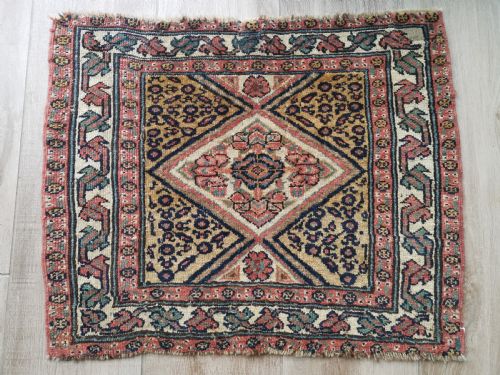
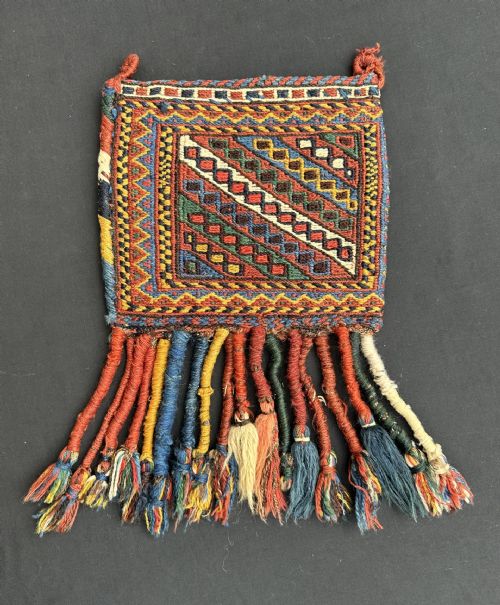
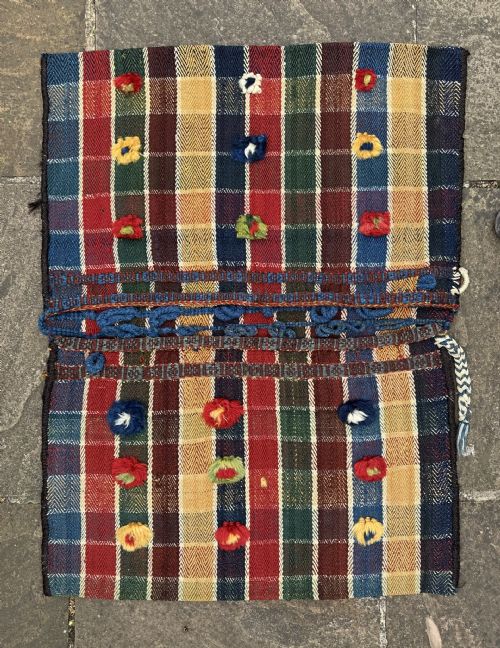
A vintage persian saddlebag brings tangible nomadic heritage into a room, functioning as a textile artwork or wall hanging. When searching for a vintage persian saddlebag, collectors encounter complete double pouches, single bag faces, and half saddlebags originating from various tribal groups.
The pieces on this page span the nineteenth century up to the early decades of the twentieth century. Regional weaving traditions such as Afshar, Qashqa'i, Shahsavan, Luri, and Kurdish define the visual identity of these items.
Materials and construction
Weavers utilised hand-spun wool and cotton foundations, dyed with natural colour extracts that yield deep, enduring tones. The surface techniques combine pile knotting with flatweave structures such as sumac.
Nomadic makers constructed these items for practical utility during seasonal migrations, ensuring robust durability through tight knot densities and reinforced selvedges.
The inventory records items from multiple tribal groups including Afshar, Qashqa'i, Shahsavan, Luri, Kurdish, and Baluch.
Assessing quality and authenticity
Superior examples display exceptional wool lustre and precise geometric or boteh motifs executed by skilled nomadic hands. The depth and clarity of natural dyes distinguish finer tribal work from standard production.
Completeness alters the character of a piece, as surviving original backs and intact closures remain scarcer than individual bag faces. Structural integrity of the weave and wool pile condition determine the overall preservation standard.
The Vintage Persian Saddlebag Glossary
- Khorjin
- The Persian term for a traditional double-sided saddlebag used by nomadic tribes for transport and storage. These were slung over pack animals during migrations.
- Sumac
- A supplementary weft-wrapping technique that creates a durable, ribbed flatweave surface without a pile. Shahsavan weavers frequently employed this method.
- Boteh
- A stylised almond or pear-shaped motif representing a floral shoot or cypress tree. This design appears frequently across Afshar and Persian tribal textiles.
- Bag face
- The decorative front panel of a storage pouch preserved after the plain back has worn away or been removed. These panels are often mounted and displayed as small rugs.
- Nomadic
- Pertaining to pastoral groups moving seasonally with their flocks across Persia. Their textiles reflect the specific tribal iconography of regions like Fars and Luristan.
Vintage Persian Saddlebag: Frequently Asked Questions
How were saddlebags used?
Nomadic tribes utilised these double pouches across pack animals for transporting household belongings during seasonal migrations. They served practical storage functions inside tents once stationary.
Over time, many of these utilitarian containers were separated into individual bag faces as sections wore out or families divided their possessions.
Where did these pieces originate?
The pieces originate from various tribal regions across Persia, including Fars, Luristan, and Kerman Province. Different confederations like the Qashqa'i, Afshar, and Shahsavan developed distinct regional designs.
Local environmental factors and available plant dyes influenced the specific wool colours and patterns characteristic of each tribal group.
How do I hang a bag face?
Mounting a textile safely requires a sleeve stitched along the top edge to distribute weight evenly across a concealed wooden batten or metal rod. Avoid using direct pins or nails that pierce the wool and cotton foundation.
Allowing the textile to hang freely away from direct sunlight protects the natural dyes from fading over the years.
How do I identify different tribes?
Attribution relies on examining specific structural traits, colour palettes, and motif repetitions unique to each group. For instance, Shahsavan pieces often feature sumac technique, while Afshar items frequently display boteh designs.
Familiarity with regional weaving habits helps connect individual pieces to specific nomadic populations of nineteenth-century Persia.