



West Persia Wool Mat
These west persia wool mat pieces are tribal and village floor coverings offering genuine nomadic character for your interior.
West Persia Wool Mat
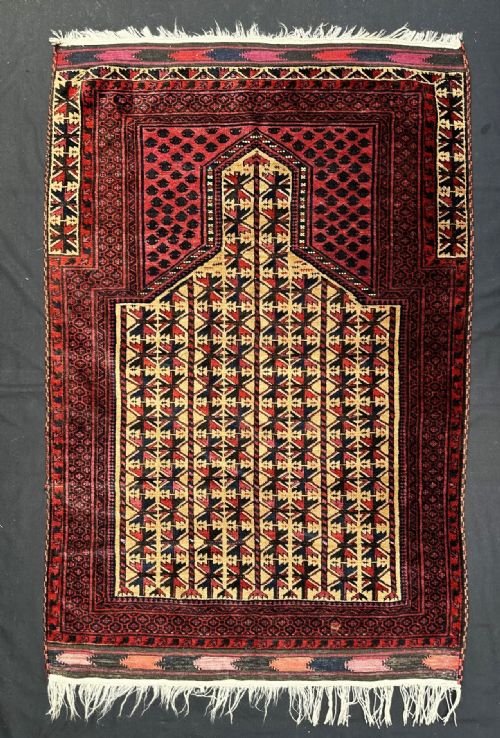
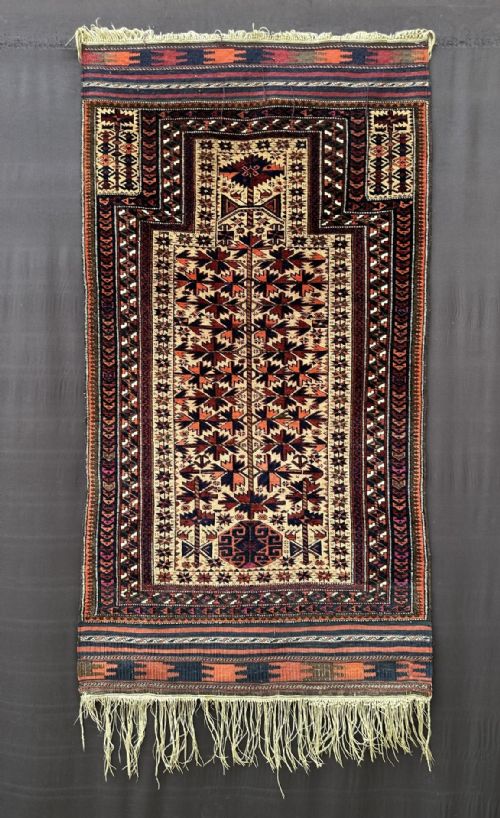
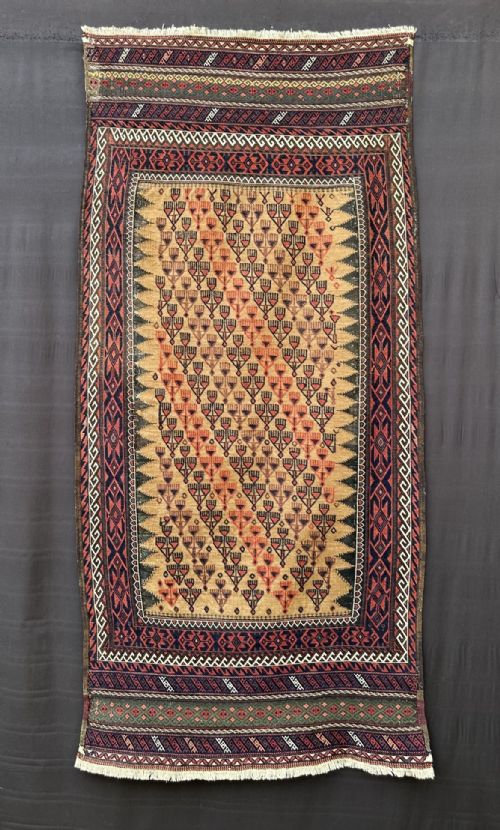
A west persia wool mat encompasses tribal rugs, village carpets, and flatweave sofres made across various Persian regions. You encounter pieces originating from nineteenth-century nomadic and village groups, often linked to specific tribal makers.
The selection ranges from prayer rugs and dining sofres to saddle bag faces and flatweaves. These textiles reflect the distinct weaving traditions of communities working in western and borderland Persian provinces.
Most examples date from the late nineteenth century to the early twentieth century. Buyers select these floor coverings for their authentic tribal designs and historical textile value.
Materials and Construction
Weavers utilised natural wool for the pile and foundation of these textiles. Cotton and camel hair also appear frequently in the structural elements and contrasting details of the weave.
Nomadic and village artisans constructed these pieces using traditional hand-knotting and flatweave techniques. The combination of durable wool and sturdy foundations ensured the survival of these rugs through generations of daily use.
West Persia Wool Mat Retail Price Guide 2026
Typical asking prices for west persia wool mat among the pieces listed under this phrase on Sellingantiques today, from the lower quarter to the upper quarter. They describe what is for sale here now, not the wider market.
Tribal weavers occasionally embedded stray animal hairs directly into the wool pile as an authentic signature of nomadic life.
Assessing Quality and Execution
Quality in a west persia wool mat depends on the fineness of the knotting and the handling of the wool. Superior examples display precise geometric or pictorial execution by experienced tribal weavers.
The integrity of the structural materials and the preservation of the original edges and ends dictate the overall standard. Pieces with well-maintained wool and balanced proportions represent the finer end of the weaving tradition.
The West Persia Wool Mat Glossary
- Sofreh
- A spread or cloth used for dining or food preparation among nomadic tribes. These flatweave or pile textiles often feature striking geometric field designs.
- Prayer rug
- A small rug featuring a mihrab or arch design used by Muslims for daily prayers. Tribal weavers produced these for personal use or local trade.
- Saddle bag face
- The front panel of a larger utility bag used for transport on animals. These small rug fragments display concentrated tribal patterns.
- Flatweave
- A textile woven without a pile, such as a kilim or sofre. These pieces rely on warp and weft interlacings to form the pattern.
- Pile
- The upright yarn loops or tufts that form the soft surface of a rug. Artisans knotted wool to create this textured layer above the foundation.
West Persia Wool Mat: Frequently Asked Questions
How do I clean an old wool rug?
Surface dust can be removed gently with a suction-only vacuum without using a beater bar. Professional textile cleaning is recommended for deeper maintenance to protect the natural fibres.
Water and harsh chemical detergents should be avoided at home. Specialist conservators ensure the antique dyes and wool foundations remain stable during washing.
Where were these tribal rugs made?
These textiles originate from various regions including Luristan, Kerman, and the borderlands between Persia and Afghanistan. Nomadic tribes and village groups produced them for domestic utility and traditional use.
Local workshops and migrating groups contributed distinct regional motifs. Each tribal group utilised specific colour palettes and weaving structures unique to their heritage.
What does a sofre rug do?
A sofre served as a clean surface for kneading bread dough or laying out communal meals in nomadic households. These flatwoven or piled textiles functioned as practical household inventory.
Today, collectors appreciate them for their minimalist geometric compositions. Their elongated formats make them versatile for narrow spaces and wall display.