

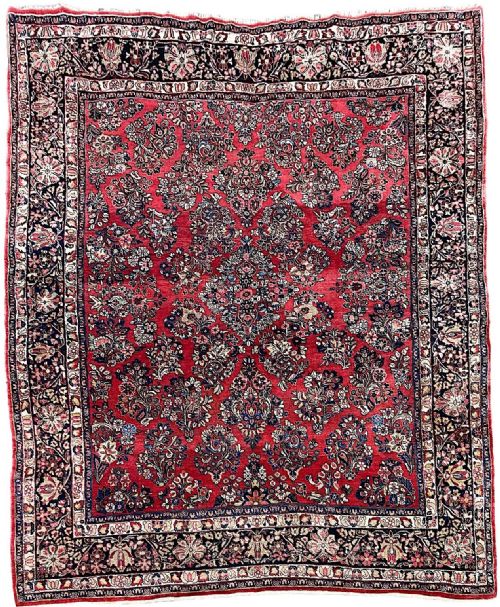


Vintage Persian Room Rug
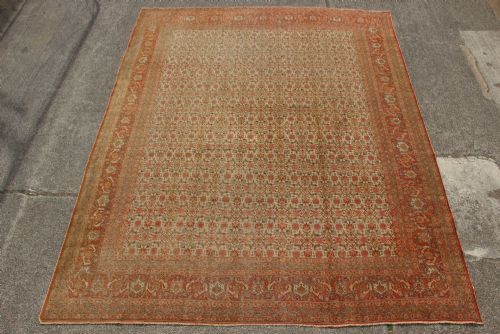
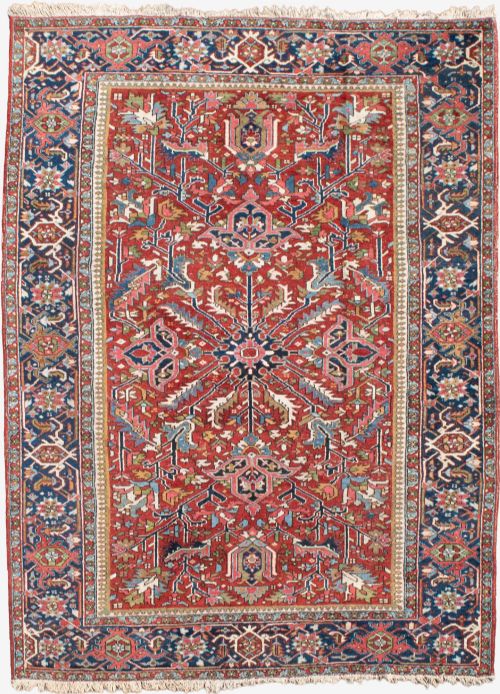
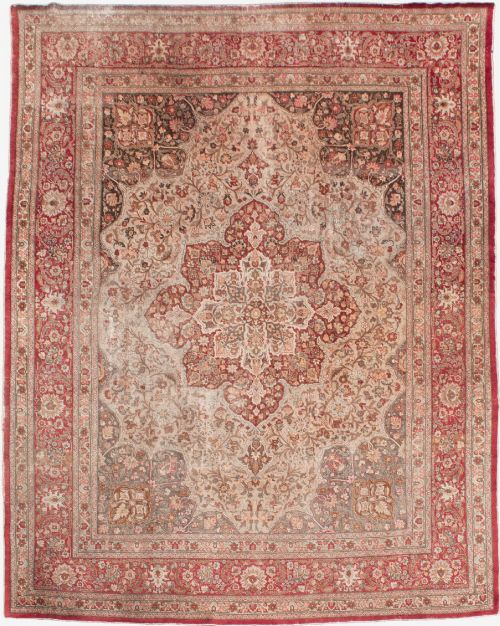
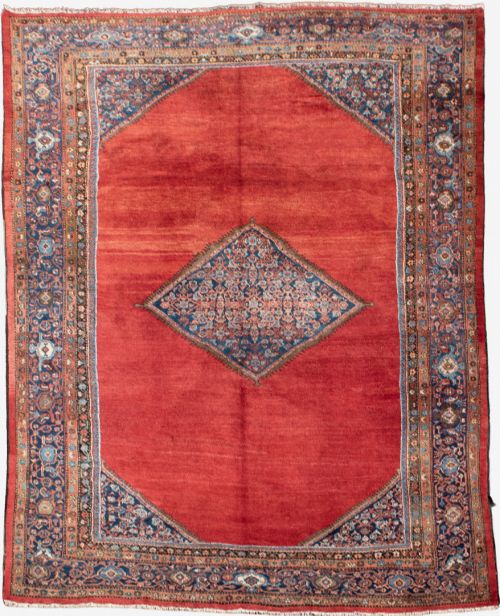
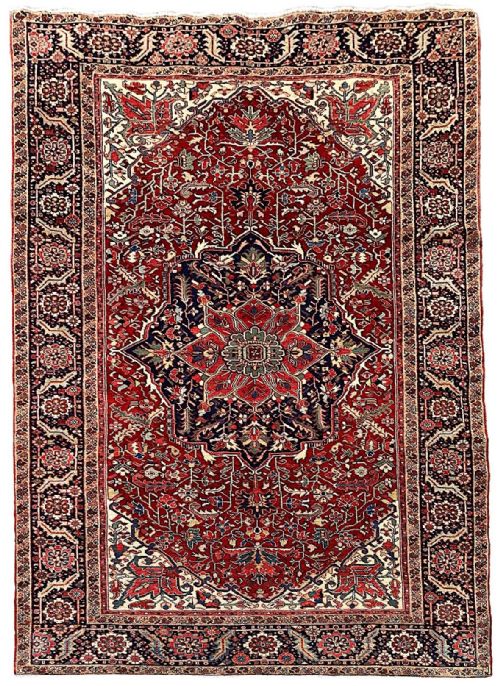
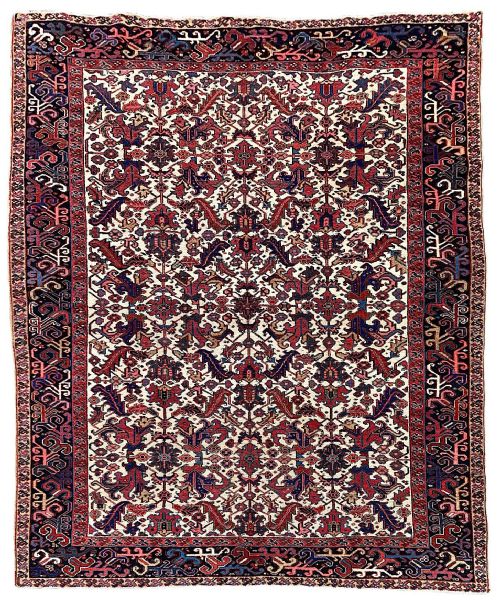
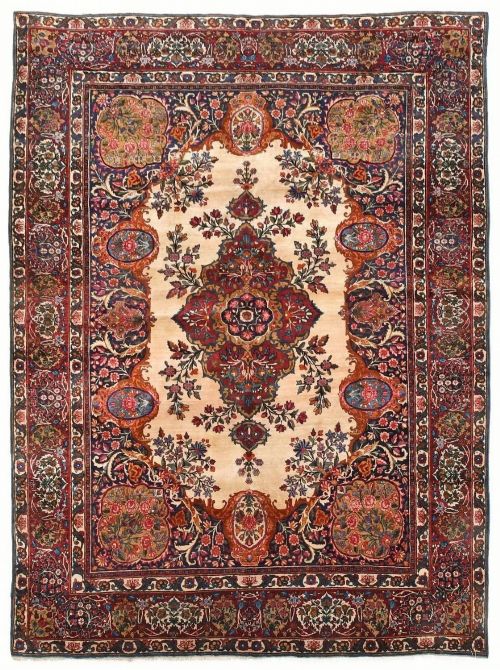
A vintage persian room rug anchors a large floor space with intricate hand-woven wool and cotton designs from the late nineteenth and early twentieth centuries.
Vintage Persian Room Rug
A vintage persian room rug encompasses large floor coverings woven across various workshops and villages in Persia, alongside related regional styles. Buyers seeking a room-sized statement piece will find substantial carpets designed to anchor substantial living areas and reception rooms.
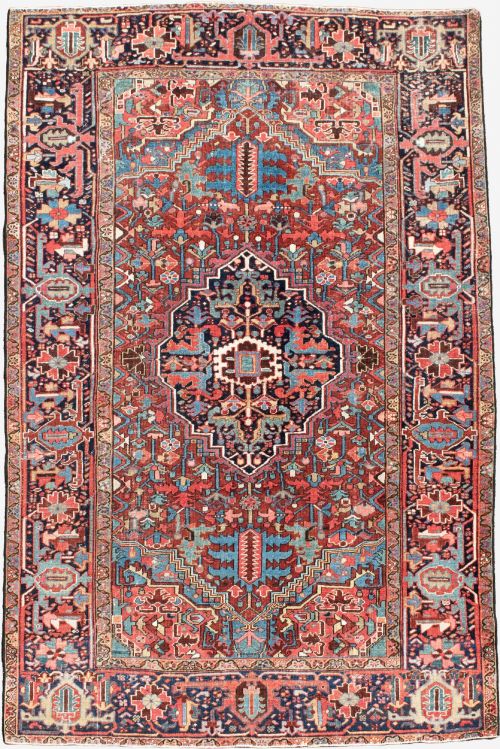
The selection ranges from geometric Heriz and Bijar carpets to curvilinear Tabriz, Kirman, and Kashan room sizes. These large formats were woven to suit generous country house proportions and formal drawing rooms.
Originating between the 1870s and 1940s, these pieces reflect traditional regional weaving practices carried down through generations. Each rug demonstrates the specific aesthetic vocabulary of its originating workshop or tribal group.
How They Were Made
These floor coverings were hand-woven using foundations of sturdy cotton or wool, upon which skilled artisans knotted dense woolen piles. Certain finer examples incorporate silk highlights or are woven entirely with silk to achieve delicate detail and luminous surface reflection.
Natural dyes derived from plants and minerals provided the rich, saturated palettes seen in the older nineteenth-century specimens. Later twentieth-century pieces occasionally integrated early synthetic dyes alongside traditional colorants, yielding softer or brighter tones.
Some antique carpets bear the subtle stray wool tufts of nomadic livestock woven straight into the village design.
What Varies in Quality
Knot density and structural integrity determine the foundational calibre of each carpet, dictating how sharply the design lines resolve across the field. Tighter, more uniform knotting on the reverse side points to greater time and skill invested by the weaver.
The choice of wool and the subtlety of the dye work differentiate standard production from superior pieces. Lustrous, lanolin-rich wool takes dye evenly and ages gracefully, developing a rich patina over decades of foot traffic.
Benlian Tabriz
The Vintage Persian Room Rug Glossary
- Pile
- The vertical or diagonal loops of yarn that form the usable soft surface of the rug. This upper layer absorbs the wear of daily use while displaying the woven pattern.
- Warp
- The stationary longitudinal threads stretched taut on the loom upon which the knots are tied. Cotton is the standard material for these structural tension threads.
- Weft
- The horizontal threads passed back and forth between the warp threads after each row of knots to lock them securely in place. They determine the firmness of the rug's foundation.
- Medallion
- A large central ornamental motif dominating the middle of the carpet field. This focal design element frequently mirrors the corner spandrels in its decorative scheme.
Vintage Persian Room Rug: Frequently Asked Questions
How do I clean a vintage rug?
Professional specialist cleaning is essential for antique wool and silk floor coverings to prevent dye bleeding and fibre distortion.
Regular gentle vacuuming without a beater bar removes loose grit before it settles deep into the foundation pile.
Are these rugs suitable for high traffic?
Dense wool construction makes traditional room-sized carpets remarkably durable for busy living spaces and hallways.
Placing a quality underlay beneath the carpet cushions the pile and prevents slipping under heavy daily foot traffic.
How do I identify a Heriz carpet?
Heriz carpets typically feature bold, geometric medallion designs anchored by strong corner spandrels and sturdy structural wool. Their robust knotting and village-style motifs set them apart from finer city-woven workshop carpets.
Most examples date from the late nineteenth century to the early decades of the twentieth century.
What is a room size carpet?
Room size pieces generally measure over three metres in length, designed to sit comfortably beneath central furniture groupings.
These larger formats allowed Victorian and Edwardian homeowners to anchor expansive reception rooms with a single harmonious textile.