





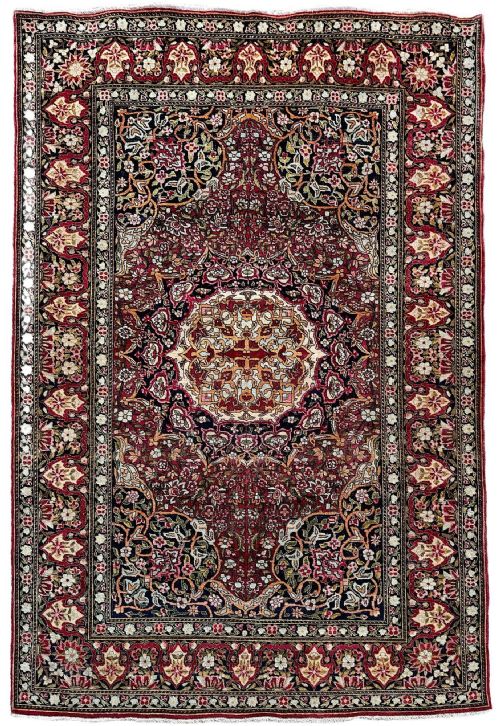
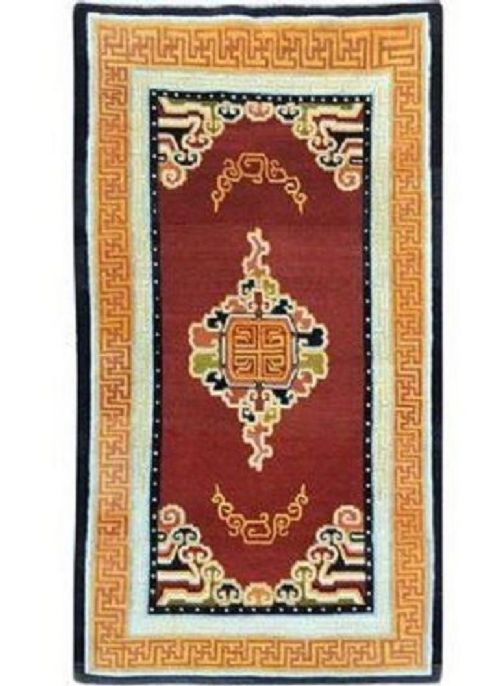
Traditional Oriental Floor Rug
A traditional oriental floor rug brings substantial hand-knotted pile and rich regional pattern to a room, offering durability and historical depth.
Traditional Oriental Floor Rug
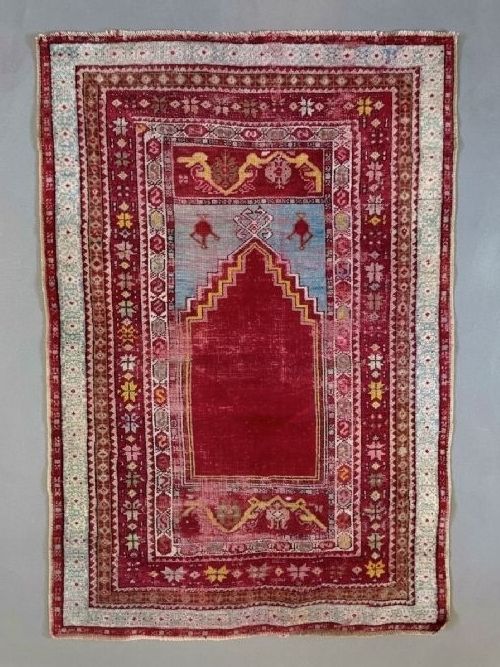
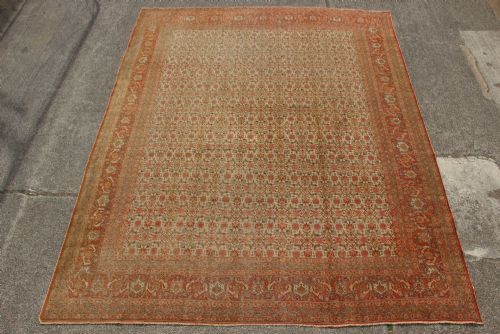
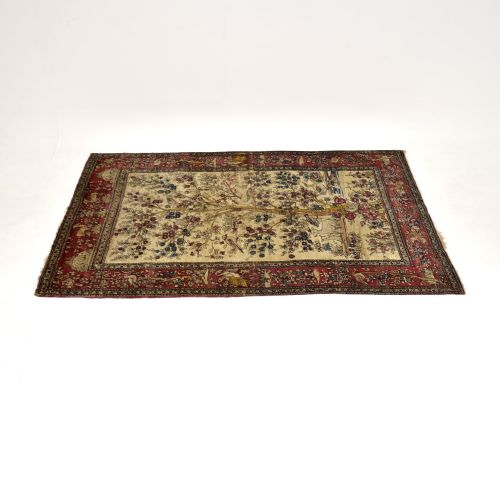
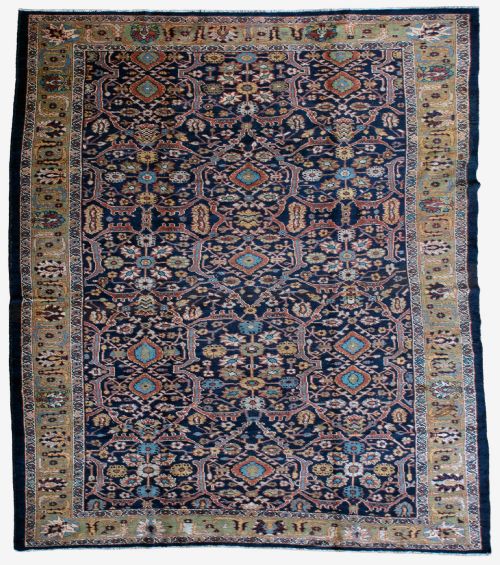
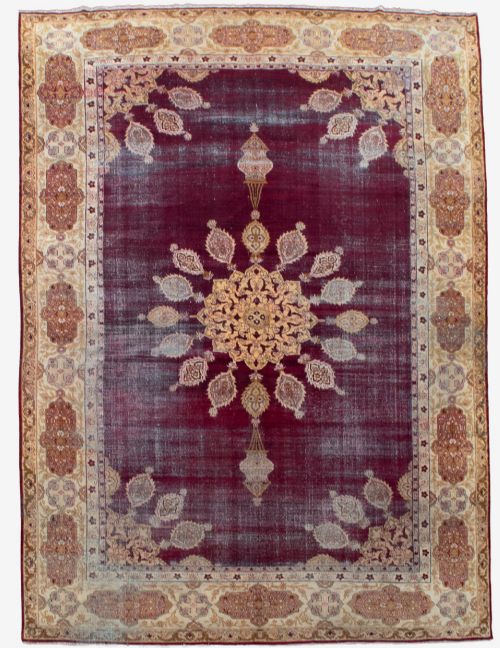
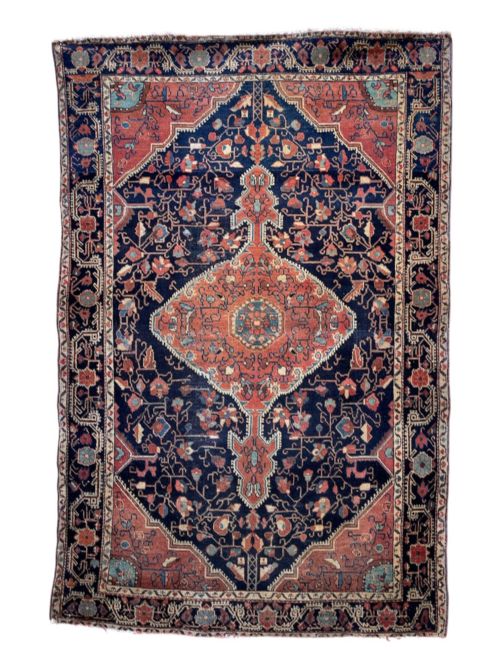
A traditional oriental floor rug covers formats from small hearth rugs and area pieces to large room-sized carpets and long hallway runners. These textile pieces originate from workshops, villages, and nomadic confederacies across Persia, the Caucasus, Turkey, Central Asia, and Tibet.
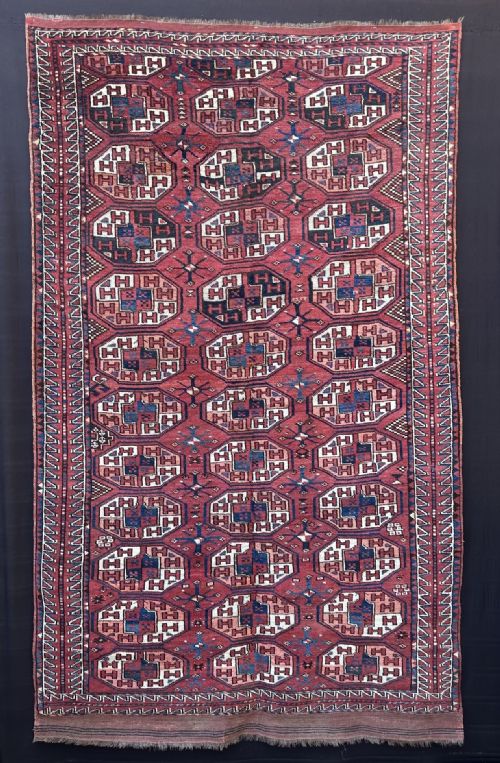
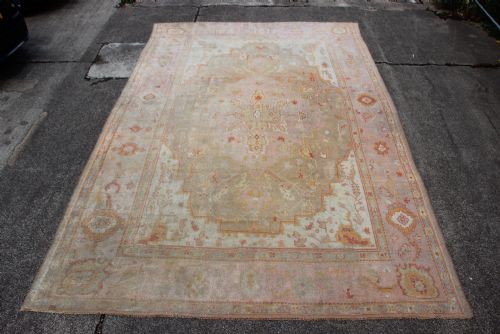
The selections span production dates from the mid-nineteenth century through the early twentieth century, encompassing Persian tribal weaves, Oushak room carpets, and Turkmen main carpets. Pieces emerge in diverse room proportions, including square formats and substantial oversize dimensions suitable for country houses.
Materials and construction
Makers constructed these floor textiles primarily using wool for the pile, paired with cotton foundations for warp and weft threads, alongside occasional silk highlights.
Weavers relied on natural dyes to colour the yarns, producing rich reds, rust tones, and complex regional palettes that developed varied patination over decades of use.
Nomadic weavers occasionally embedded stray animal hairs directly into the wool pile while working on distant desert looms.
What separates the grades
Quality rests in the precision of the knotting, the density of the wool foundation, and the complexity of the traditional design execution by specific tribes or workshops.
Superior examples display exceptional depth of natural colour and balanced compositional geometry, reflecting the skill of the regional weavers.
Kizyl Ayak Tribe·Ersari Beshir
The Traditional Oriental Floor Rug Glossary
- Pile
- The upright yarn loops or cut ends that form the soft surface of a rug. It absorbs foot traffic and protects the foundation structure.
- Warp
- The vertical threads stretched tightly on the loom before knotting begins. Cotton or wool strands form this essential structural grid.
- Weft
- The horizontal threads passed between rows of knots to secure the pile in place. It binds the warp threads together firmly.
- Gul
- A repeated octagonal medallion motif frequently found in Turkmen and Afghan tribal weaving traditions. Each emblem denotes specific tribal lineages.
- Kelleh
- A large format rectangular carpet traditionally used in Middle Eastern interiors as a room runner or long floor covering.
Traditional Oriental Floor Rug: Frequently Asked Questions
How do I clean an antique rug?
Professional dusting and gentle hand washing maintain the integrity of wool pile and natural dyes over generations of use.
Avoid harsh chemical treatments or domestic scrubbing machines that damage fragile cotton foundations.
Where were these carpets woven?
Weavers produced these textiles across workshops in Persian towns, Caucasian villages, and Central Asian nomadic camps.
Each region developed distinct geometric patterns and colour palettes tied to local materials.
How do I date an oriental rug?
Analysis of wool quality, natural dye fading patterns, and structural weave characteristics points toward specific decades.
Stylistic shifts in tribal motifs help place pieces within nineteenth or early twentieth century production periods.
Can I place rugs in hallways?
Long hallway runners and carpet formats fit narrow passages and heavy transit areas effectively.
Using a secure underlay protects the foundation structure from excessive friction against hard flooring.