





Vintage Paper Storage Cabinet
These vintage paper storage cabinet pieces are practical organisers built to hold documents and sheets, offering steady utility and period character.
Vintage Paper Storage Cabinet
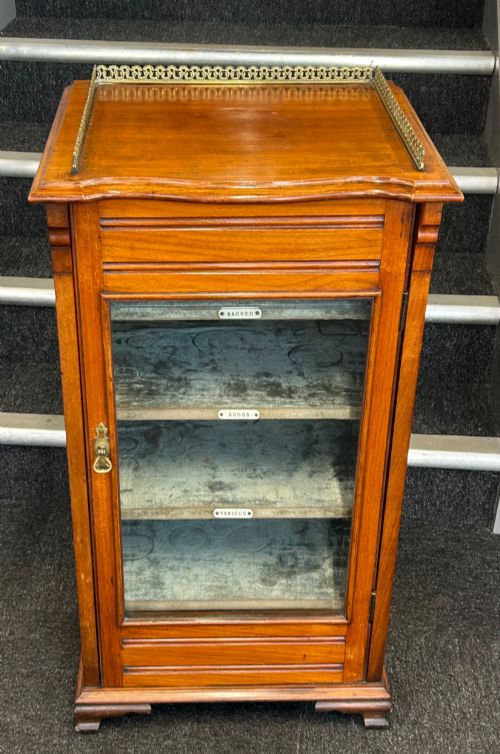
When you search for a vintage paper storage cabinet, you encounter a variety of forms designed to sort documents, music sheets and folios. The selection spans filing cabinets, music cabinets, canterburys and desktop drawers originating from periods such as the Victorian era, Edwardian period and the 1930s.
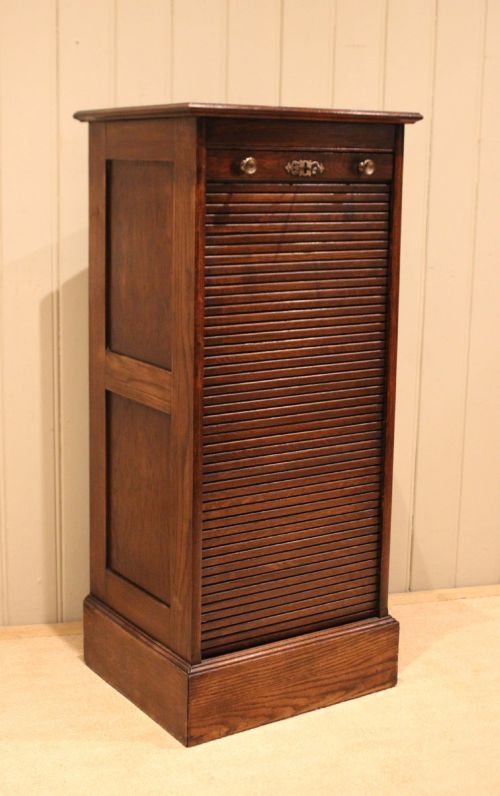
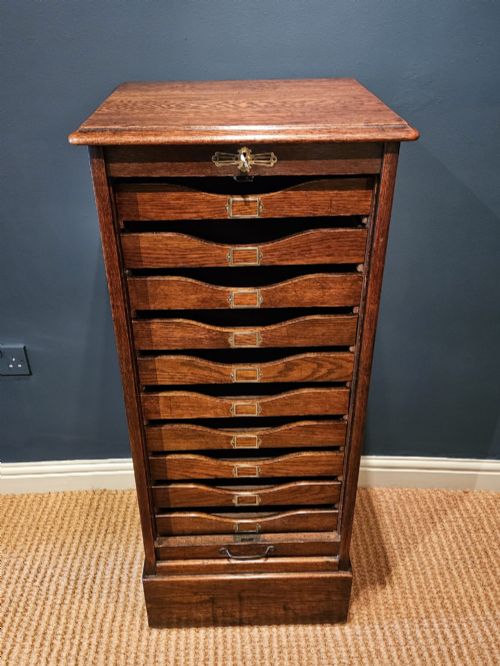
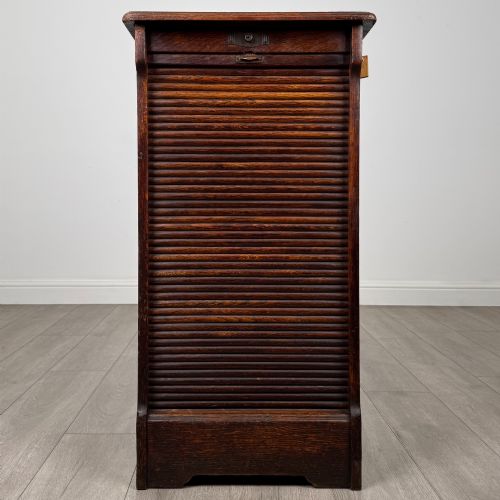
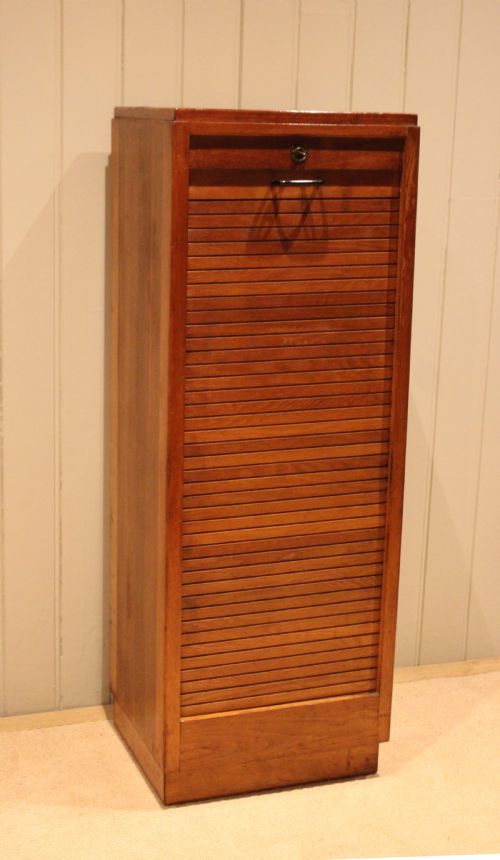
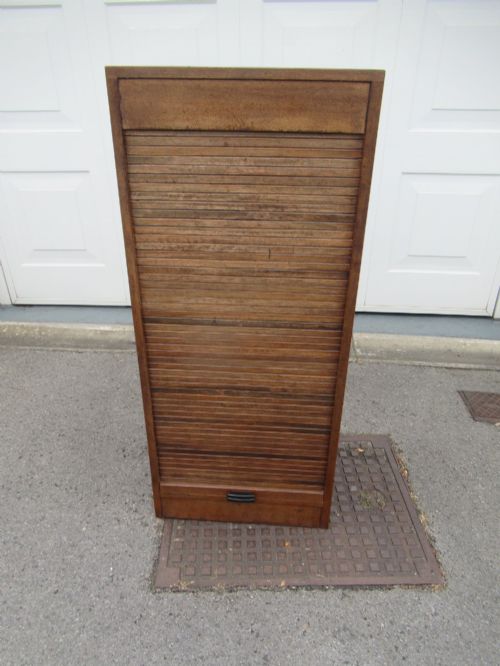
You are most likely to meet oak and mahogany pieces featuring tambour fronts or drop-down drawers. These range from compact desktop filing drawers to tall office cabinets constructed for daily workspace organisation.
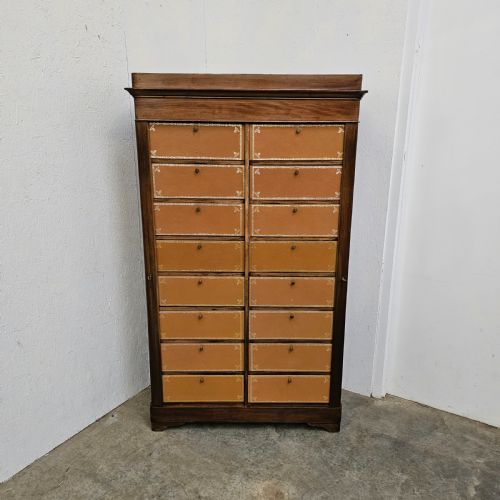
Design influences vary from Arts and Crafts and Art Deco styles to French nineteenth-century pieces and Edwardian Chippendale revivals. Each form reflects the specific filing needs of its original office or domestic environment.
Materials and construction
Cabinet makers utilised hardwoods such as oak, mahogany, walnut and rosewood, often pairing them with brass hardware, leather accents and canvas elements. Wood veneers and inlay wood embellish select surfaces on formal music and folio cabinets.
Tambour construction appears frequently, using slatted wooden strips that slide smoothly along tracks to conceal interior shelving or filing slots. Carved details and specialised internal partitioning define the build of Victorian and Edwardian examples.
Listings feature periods spanning the nineteenth century through to the 1940s, constructed predominantly in oak, mahogany and walnut.
What separates the finest pieces
The distinction between standard utility items and superior examples lies in the precision of the joinery and the operation of sliding mechanisms like tambour doors. Smooth movement without binding indicates careful initial assembly.
Material selection and decorative finishing dictate the upper range, where figured timbers, intricate inlay and fitted leather inserts elevate standard office furniture into refined domestic pieces.
The Vintage Paper Storage Cabinet Glossary
- Tambour
- A flexible door constructed from narrow strips of wood glued to a canvas backing, allowing it to slide around a curved track. This mechanism conceals the interior shelving while saving exterior space.
- Cartonnier
- A piece of furniture designed with multiple vertical compartments or drawers to hold papers and documents. French examples often incorporate leather-bound drop-front drawers.
- Canterbury
- A low stand featuring partitions, originally designed to hold sheet music or folios. It usually stands on legs with castors for mobility.
- Folio Cabinet
- A specialised storage unit built to accommodate large sheets of paper, prints or drawings without folding them. These often feature wide, shallow drawers.
- Inlay Wood
- Pieces of contrasting timber fitted into recesses within a solid wood surface to create decorative patterns. This technique decorates panels on Edwardian music cabinets.
Vintage Paper Storage Cabinet: Frequently Asked Questions
How do I operate a tambour door?
Tambour doors slide horizontally or vertically along hidden grooves built into the cabinet frame. The flexible wooden slats curve smoothly around the inside of the cabinet.
Keep the tracks clean and free of dust to ensure the mechanism glides without catching.
What fits inside music cabinets?
Music cabinets contain shallow drawers or vertical partitions sized specifically for sheet music and paper folios. They keep paper flat and sorted.
These compartments adapt well to modern office stationery, letters and craft paper.
Where should I place a cartonnier?
Cartonniers suit tabletops, desks or dedicated side tables where paperwork requires sorting within reach. Their vertical compartments keep documents visible and organised.
Position them away from direct sunlight to protect leather inserts and wood finishes.
How do I identify an Edwardian piece?
Edwardian cabinets often display lighter timbers like satinwood or inlaid mahogany, reflecting a shift away from heavier Victorian styles. Look for clean lines and understated revival details.
Maker marks or retailer stamps inside drawers occasionally confirm the period origin.