


Vintage Painted Display Cupboard
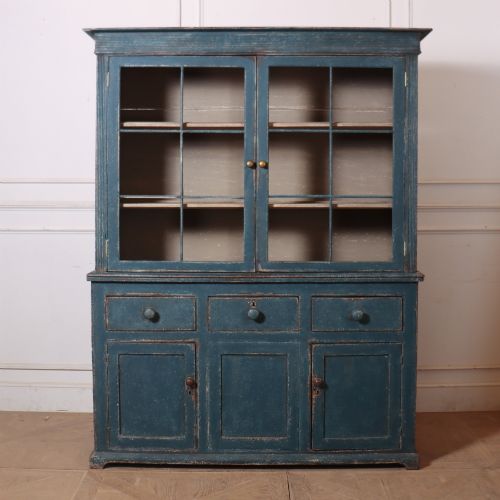
A vintage painted display cupboard brings character to a room while keeping your cherished collections protected behind glass.
Vintage Painted Display Cupboard
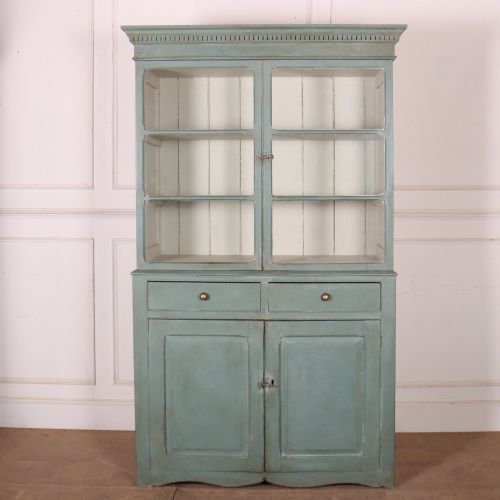
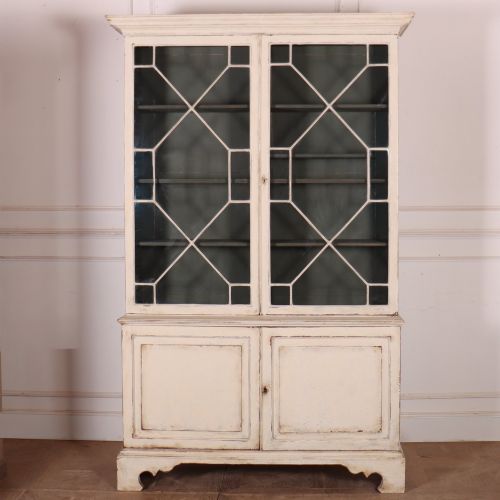
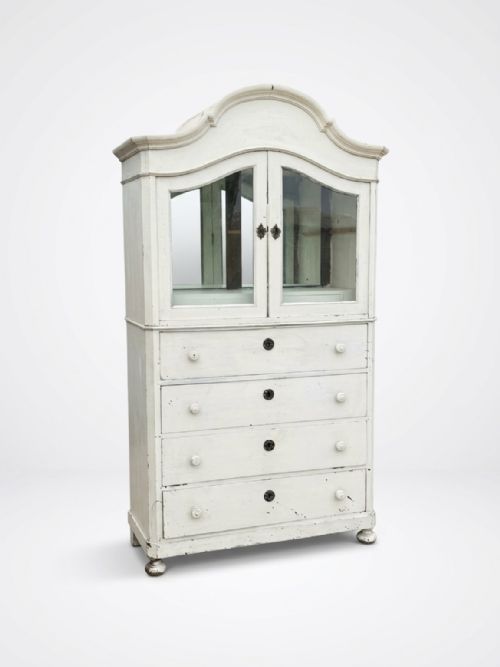
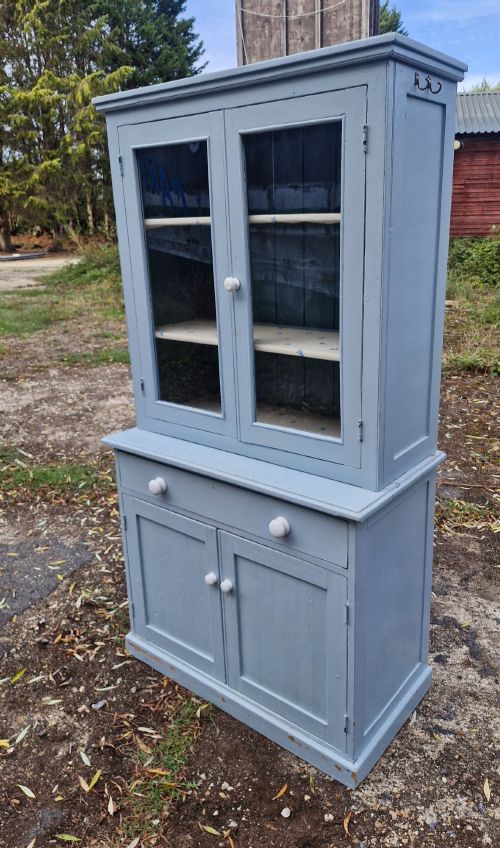
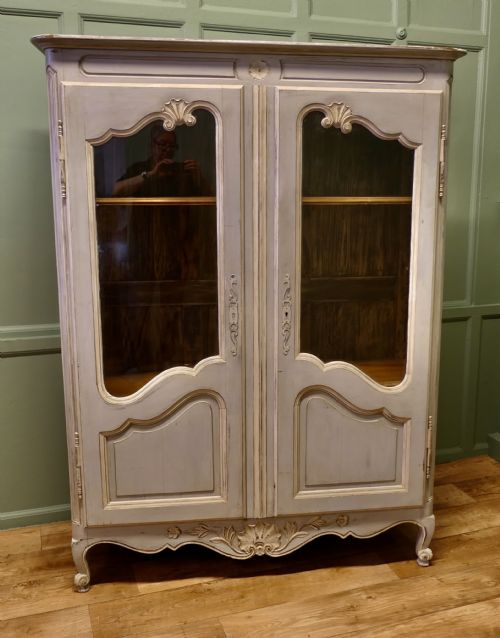
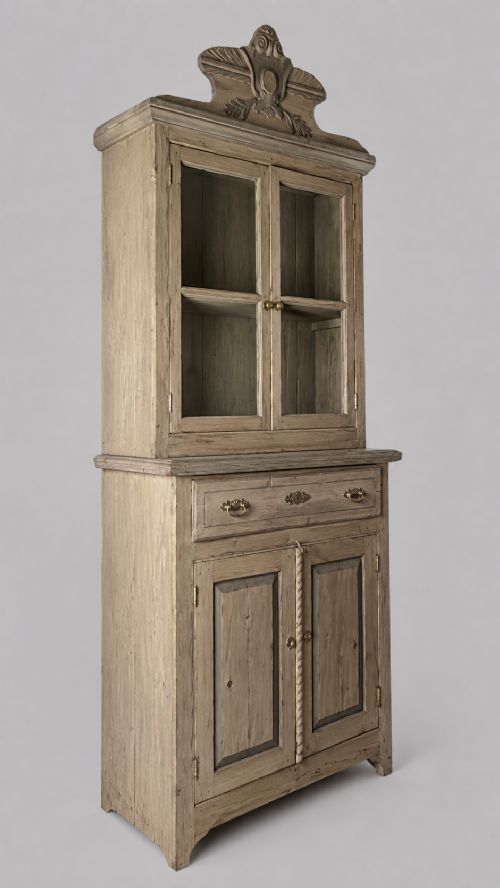
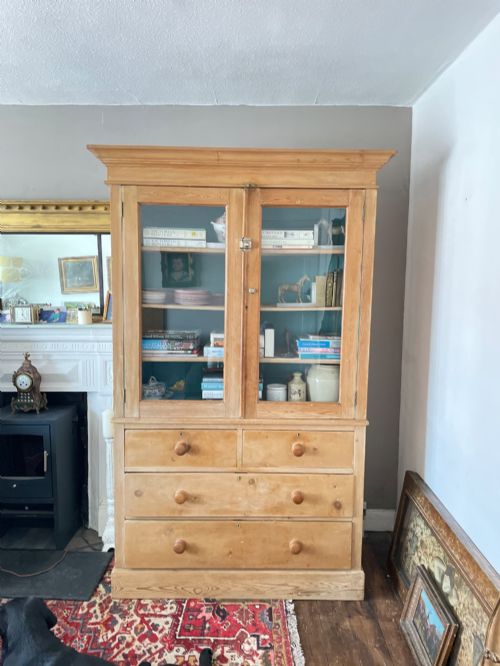
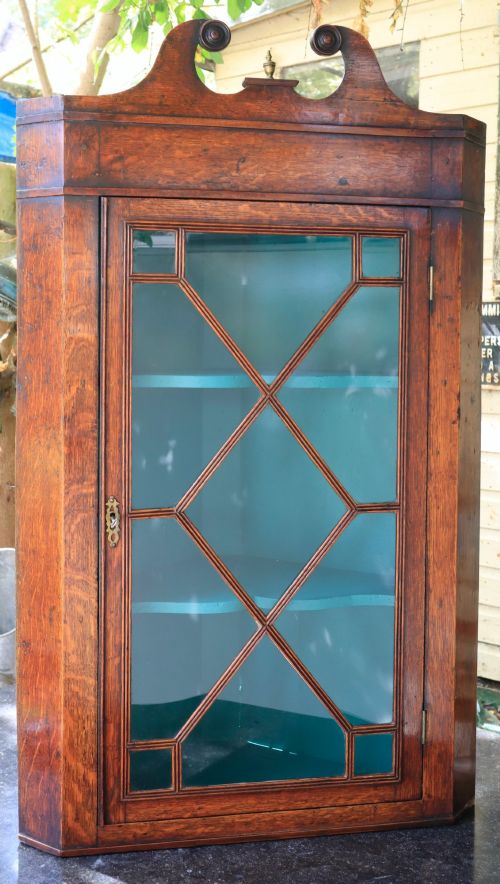
A vintage painted display cupboard satisfies the search for storage that showcases ceramics, books, or glassware rather than hiding them away. Pieces matching this description range from tall Victorian bookcases and kitchen dressers to corner cabinets and shop fittings.
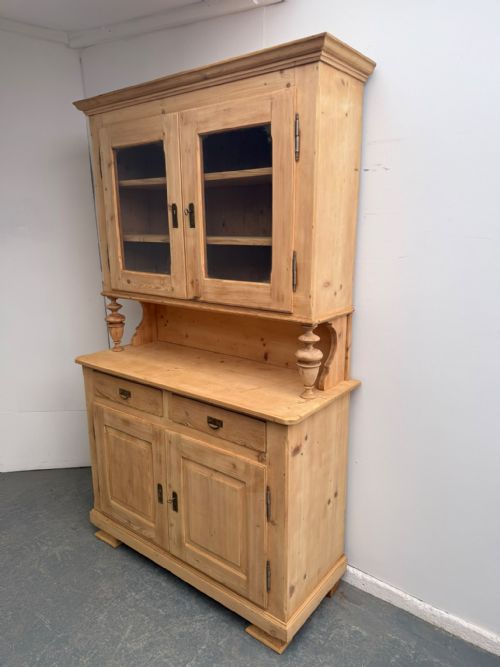
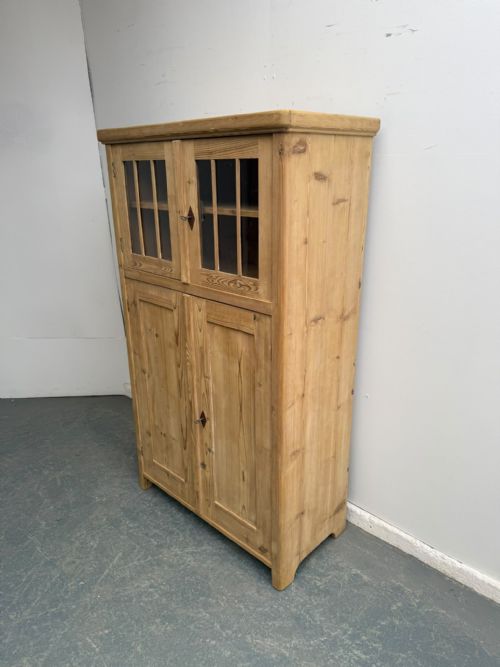
Form follows function closely across these pieces, with glazed doors, open shelving, and multi-drawer configurations dominating the inventory. Pine forms the primary wooden substrate, often enhanced by painted surfaces or decorated interiors.
Materials and Construction Methods
Pine and oak serve as the foundational woods for the majority of these cupboards, chosen for their structural reliability and availability during the eighteenth and nineteenth centuries. Joinery techniques rely on traditional methods suited to heavy everyday use in kitchens, shops, and parlours.
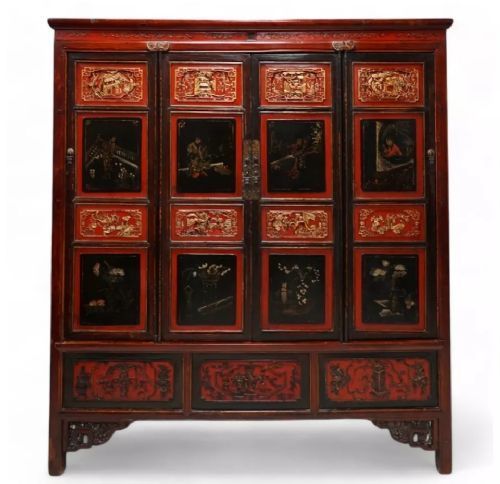
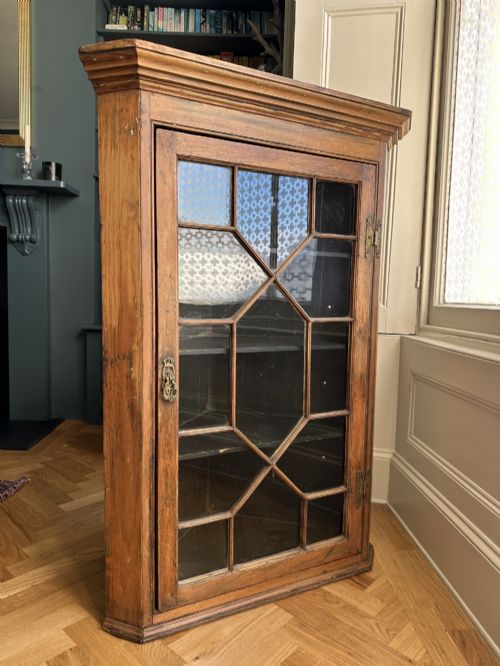
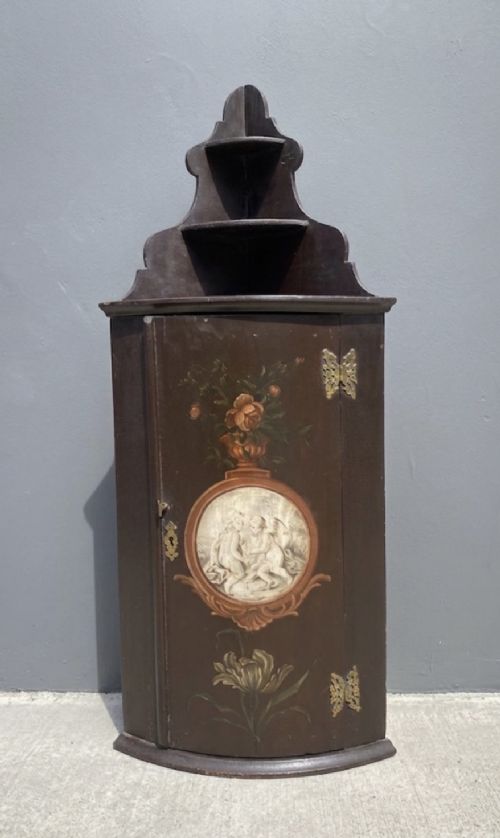
Glass panels are fitted into wooden doors using wooden glazing bars to allow maximum light into the interior display space. Brass hardware, iron hinges, and occasionally red lacquer or Chinoiserie decoration complete the surface finishes.
Surface treatments vary from original paint schemes and waxed pine to later decorative layers involving cream, teal, or white pigments. Interiors frequently feature contrasting painted finishes designed to highlight the objects stored within.
Listings include pine, oak, and mahogany pieces spanning the eighteenth, nineteenth, and early twentieth centuries.
Assessing Quality and Character
The distinction between standard utility storage and superior cabinet work lies in the harmony of proportions and the integrity of the original glazing. Pieces retaining their early or original painted finishes command attention for their authentic patination.
Construction depth matters significantly, as seen in two-part dressers and breakfront bookcases where the balance between upper display space and lower cupboard storage is carefully proportioned. Finer examples display thoughtful detailing in cornice mouldings and interior shelving arrangements.
The Vintage Painted Display Cupboard Glossary
- Vitrine
- A glass-fronted cabinet specifically designed for displaying fine objects, porcelain, or curiosities. These pieces often feature glazed sides to maximise illumination of the contents.
- Breakfront
- A cabinet design where the central section projects forward from the flanking wings. This architectural arrangement adds visual depth and presence to large bookcases and dressers.
- Bonnet top
- A cabinet top featuring a curved, arched, or hood-like architectural pediment. This regional style is frequently observed on eighteenth and nineteenth-century storage furniture.
- Chinoiserie
- European decorative style inspired by Chinese art and design, characterised by lacquered surfaces and painted motifs of figures, birds, and landscapes. This technique appears on decorative cabinets from the Edwardian era and the early twentieth century.
- Dresser
- A large multifunctional piece of furniture combining lower cupboards or drawers with upper open shelves or a glazed display cabinet. They were traditionally used in kitchens and dining rooms for tableware.
Vintage Painted Display Cupboard: Frequently Asked Questions
What is a vintage painted display cupboard used for?
These cupboards provide practical storage while functioning as a focal point for displaying collected ceramics, books, or glassware in living spaces.
Their glass-fronted doors and open shelving keep items visible and dust-free, making them suitable for both kitchen and parlour use.
How do I date an antique painted cabinet?
Dating relies on observing construction methods, timber choices, hardware types, and the underlying characteristics of the paint layers.
Eighteenth-century examples often display simpler joinery and hand-planed timbers, whereas Victorian and Edwardian pieces show more industrialised manufacturing techniques.
Are painted finishes on these cupboards original?
Many pieces retain their original or early painted surfaces, such as traditional cream, teal, or white coats applied during the nineteenth or early twentieth centuries.
Other items may have been stripped to raw pine or repainted in later periods to suit changing decorative tastes.