
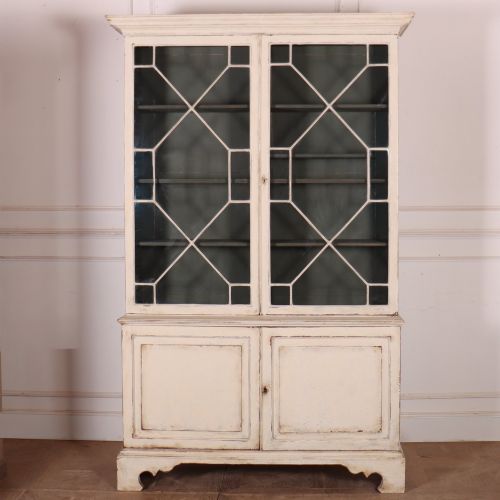
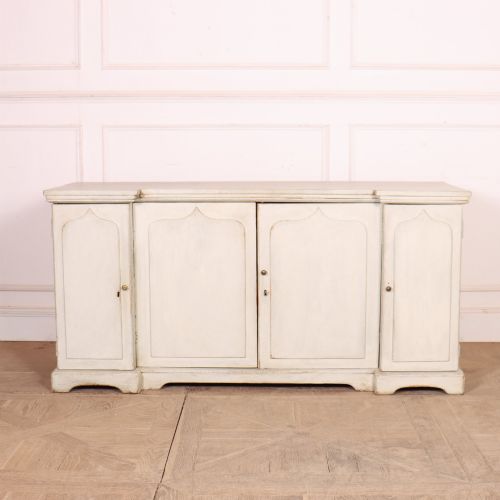
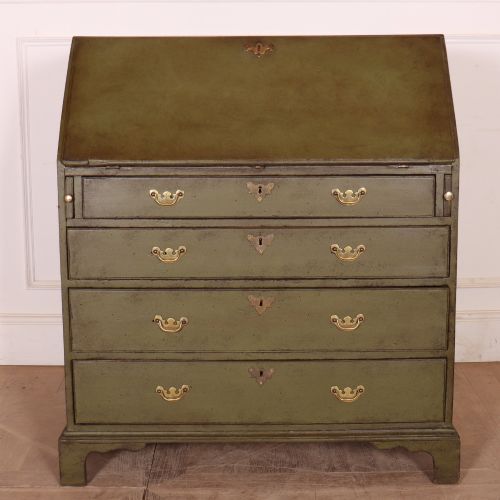
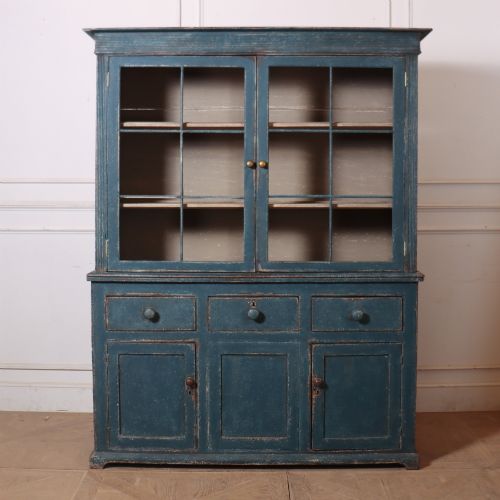
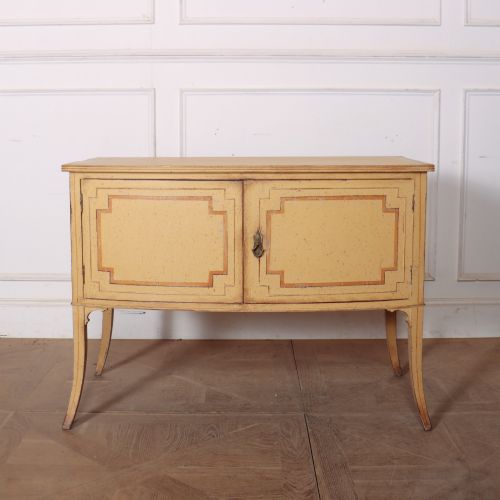
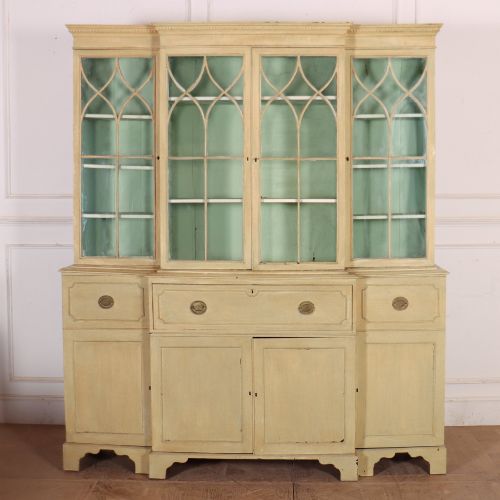
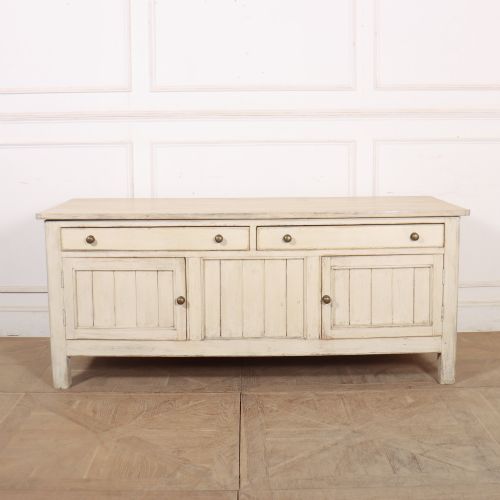
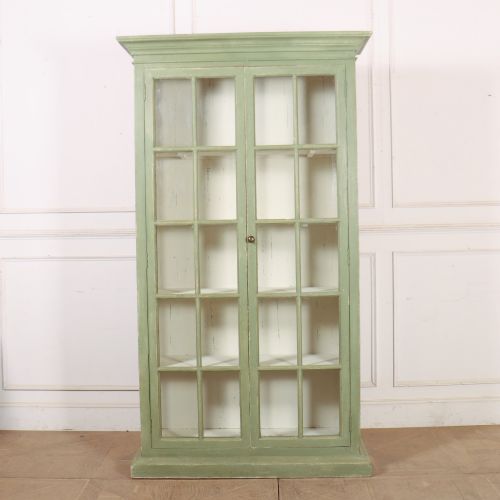


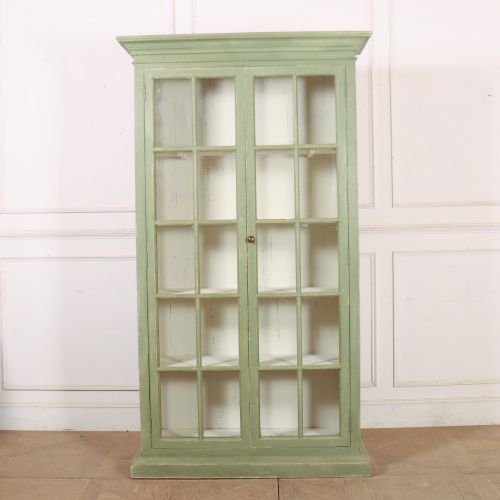

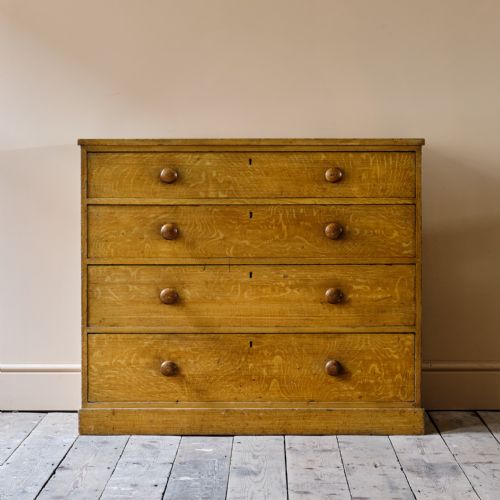


English Country Painted Cabinet
An english country painted cabinet brings practical utility and honest surface history into a room, offering generous storage through pine and painted timber.
English Country Painted Cabinet
An english country painted cabinet encompasses robust forms built for utility in domestic spaces, ranging from kitchen dressers and housekeeper cupboards to bureaux and side cabinets. These functional items served demanding household storage needs across generations before finding a place in modern rooms for their decorative presence.
The versions most frequently met on this page span the eighteenth and nineteenth centuries, taking shape in pine and painted timber. Regional pieces from the West Country sit alongside Georgian and Victorian examples, showing utilitarian design softened by coats of paint applied over decades of use.
How they were made
Makers constructed these pieces primarily using pine and timber, joining structural carcases with pegged mortise and tenon joints to withstand heavy domestic service. Glass panels appeared in glazed bookcase doors, while brass fittings provided functional hardware for drawers and cupboards.
Surfaces received layers of paint, sometimes simulated to mimic finer woods or applied in regional hues like green and black. This painted finish protects the underlying timber while recording the changing decorative tastes of successive owners.
Pine and painted timber dominate the material selection across these listings, alongside brass hardware and glass panels.
What varies in quality
The integrity of the original timber construction dictates the foundational standard of a piece, distinguishing sturdy joinery from loose or heavily altered carcases. Proportion and balance play a major role, as vernacular pieces with pleasing visual harmony outrank awkward or hastily assembled examples.
The character of the paint surface separates ordinary repainting from compelling original or early pigment layers. Wear patterns that reveal authentic age add depth, whereas unsympathetic modern coatings obscure the grain and history of the wood beneath.
Minton
The English Country Painted Cabinet Glossary
- Breakfront
- A piece of furniture with a central section that projects forward from the flanking sides. This architectural arrangement creates depth and shadow on larger dressers and bookcases.
- Housekeeper Cupboard
- A large, upright storage piece traditionally used for linen, dry goods, and household provisions. These substantial cupboards feature multiple panelled doors enclosing deep internal shelving.
- Bureau
- A desk fitted with a sloping hinged flap that drops down to reveal a writing surface and small compartments. Below the writing flap, chests of drawers provide supplementary storage.
- Chinoiserie
- European decorative style inspired by Chinese art, featuring painted motifs and figures. This style appears on specialised side cabinets within the selection.
- Glazed Bookcase
- A cabinet with glass-panelled doors designed to display and protect books. These pieces combine upper display space with enclosed lower storage.
English Country Painted Cabinet: Frequently Asked Questions
Where were these painted cabinets used?
These practical pieces lived in domestic spaces across rural Britain, primarily serving kitchens, pantries, and living quarters. Housekeepers and families relied on them for storing provisions, linen, and everyday utensils.
Over time, many migrated from working farmhouses and country houses into general reception rooms. Their durable construction allowed them to adapt easily from utilitarian storage to decorative display.
How do I distinguish eighteenth century pieces?
Eighteenth century examples display specific construction traits, such as hand-cut dovetails and pegged frame joints, alongside older timber seasoning methods. Their proportions often reflect earlier vernacular design traditions before industrial standardisation took hold.
Examining the interior woodwork and the composition of the paint layers helps confirm early origins. Later nineteenth century pieces frequently show machine-sawn elements and different hardware fixings.
Should I touch up the paint?
Preserving the existing surface texture is usually preferable to applying fresh paint, as original or aged coats contribute significant historical character. Patina accumulated through generations of use tells the visual story of the object.
Intervening with modern touch-ups can flatten the subtle tones and wear patterns that collectors value. Gentle cleaning with appropriate conservation methods maintains the integrity of the finish without erasing its history.
What is a dresser base?
A dresser base is the lower counter portion of a traditional kitchen dresser, typically fitted with a combination of drawers and cupboard doors. Unlike complete dressers, these lower sections lack the upper plate rack.
They functioned as versatile working surfaces and storage units for food preparation and tableware. Today, they serve well as sideboards or console tables in various rooms.