
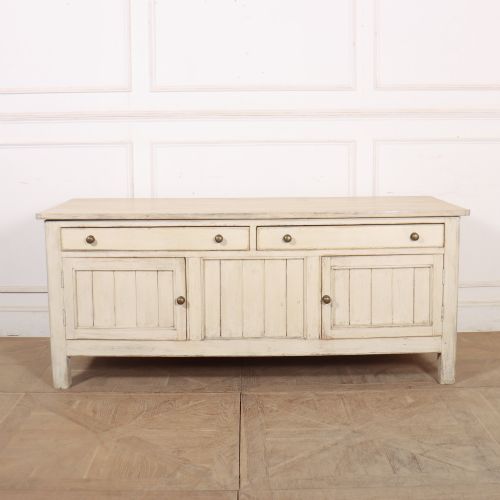

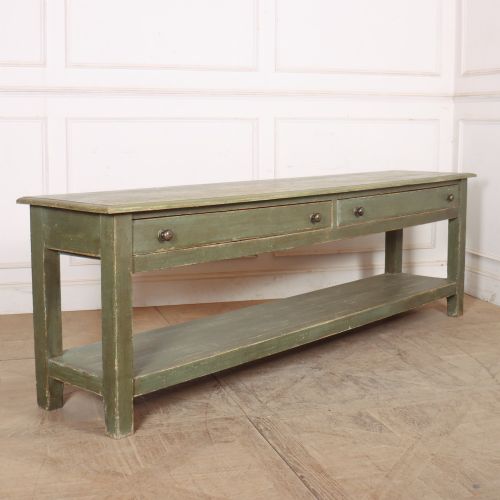


Painted Wood Dresser Base
A painted wood dresser base brings robust storage and enduring regional character to a room, offering surface space and deep cupboards.
Painted Wood Dresser Base
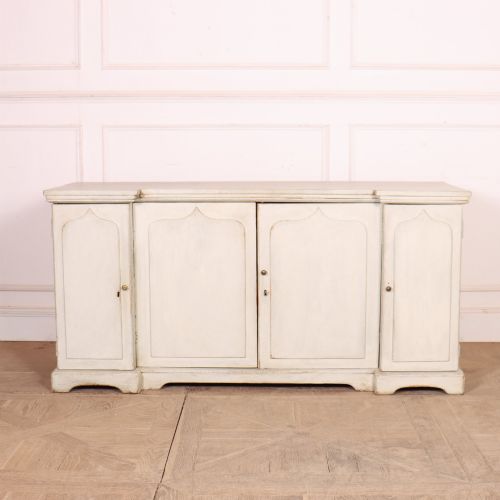
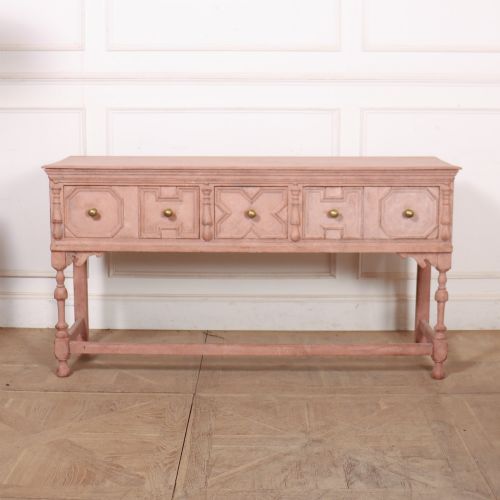
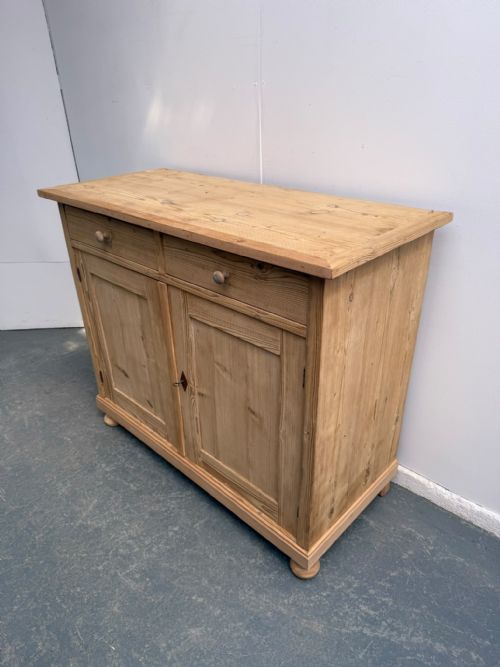
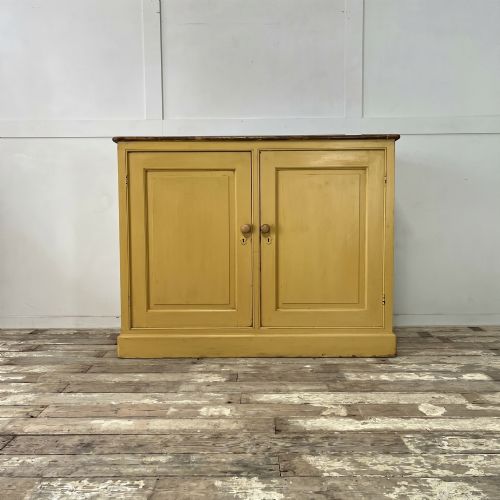
A painted wood dresser base provides sturdy storage through combinations of drawers and cupboards set beneath a broad serving surface. These pieces emerge in styles like English Country, Victorian Country, Rustic Farmhouse, and French Provincial, reflecting their origins in domestic kitchens and sculleries.
Most examples found here date from the nineteenth century or the Victorian era, alongside eighteenth-century items. Forms range from low servers and console tables to large cupboards and potboard dresser bases with open lower shelves.
Regional variations appear across England, Scotland, Wales, France, and Italy. A buyer encounters native timbers transformed by historical paint finishes, scumble glazes, or surfaces prepared for fresh wax and paint.
Materials and construction methods
Pine and oak form the primary structural timbers, supplemented by birchwood and general painted timber. Workshops utilised traditional joinery for heavy daily use, building carcasses designed to bear substantial weight on their top surfaces.
Iron and brass fittings such as hinges, handles, and keyplates secure doors and drawers. Finishes comprise layered paint, scumbling techniques, and bare wood prepared for wax.
Listings span the eighteenth and nineteenth centuries, featuring pine, oak, and birchwood built into potboards, servers, and console tables.
Factors of distinction
The integrity of the original timber frame and the depth of accumulated paint layers dictate the character of a piece. Finer examples retain honest proportions, balanced drawer arrangements, and patinated surfaces that show decades of domestic use.
Construction quality depends on solid joints, original hardware, and unaltered configurations from the workshop. Altered heights or replaced timbers diminish the historical integrity of the piece.
The Painted Wood Dresser Base Glossary
- Dresser base
- A low kitchen or dining room sideboard featuring drawers and cupboards, historically used for food preparation and storing tableware.
- Potboard
- An open lower shelf built into a dresser base, originally designed for storing heavy pots and pans.
- Scumble
- A decorative painting technique involving a translucent glaze dragged over a lighter base coat to imitate wood grain or create textured depth.
- Breakfront
- A piece of furniture where the central section projects forward from the flanking outer sections.
- Buffet
- A side table or low cupboard used for serving food and displaying dining vessels.
Painted Wood Dresser Base: Frequently Asked Questions
What is a dresser base?
A dresser base is a low furniture piece with drawers and cupboards, serving as a functional work surface and storage unit.
Unlike a full dresser, it lacks the upper plate rack, making it easier to place beneath windows or under low ceilings.
How were these used originally?
These pieces stood in kitchens, sculleries, and dining rooms for food preparation and storing heavy utensils.
The broad top surface acted as a counter, while cupboards and drawers held linens, dry goods, and earthenware.
How do I date a piece?
Dating relies on construction methods, timber choice, and the style of hardware and panel assembly.
Nineteenth-century items often show machine-sawn elements alongside hand-planed surfaces, whereas eighteenth-century examples display entirely hand-worked joinery.
What woods are most common?
Pine and oak appear most frequently across regional English, Scottish, and Welsh workshops.
Other timbers like birchwood and mixed painted hardwoods also occur, particularly in provincial French and Italian pieces.