



19th Century Painted Sideboard
A 19th century painted sideboard brings regional colour and practical storage into a room, spanning Scandinavian, French, and English country traditions.
19th Century Painted Sideboard
A 19th century painted sideboard encompasses a diverse group of large storage furniture, including kitchen dresser bases, potboard dressers, commodes, and cupboards. These pieces originate from various regional workshops across Europe and Asia, reflecting local domestic needs of the period.
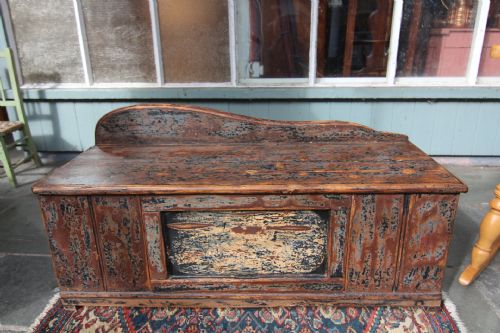
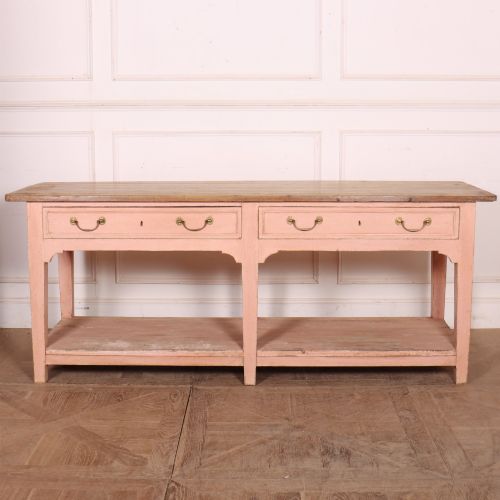
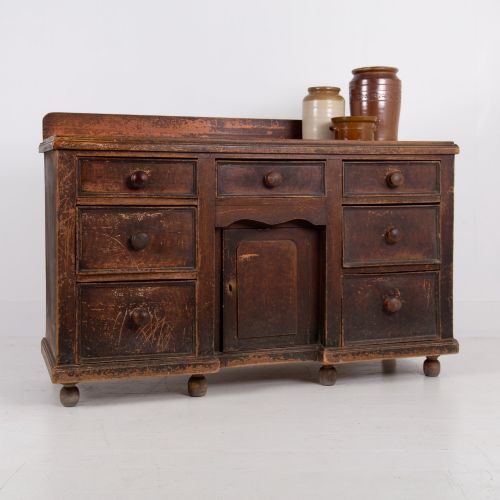
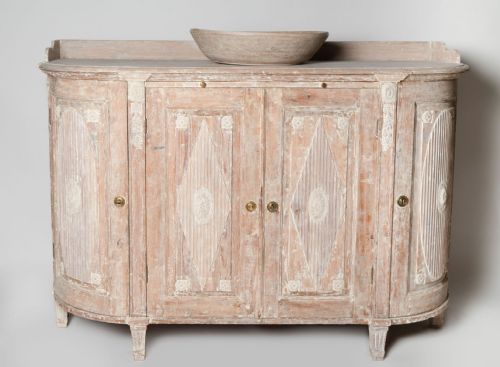
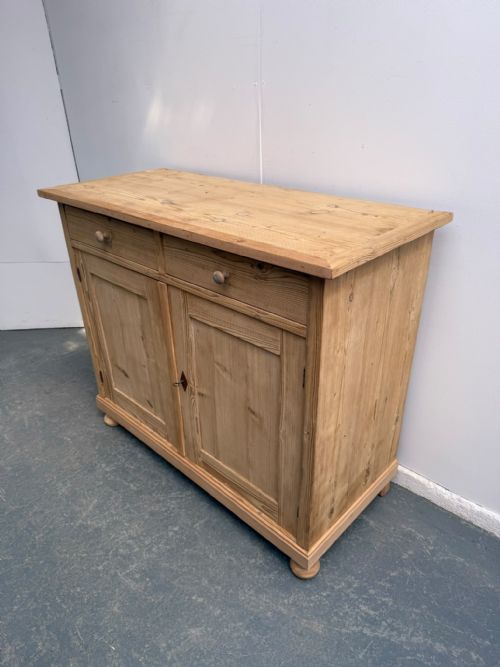
The pieces most frequently met on this page are constructed from pine, often bearing original or scraped paint finishes from Scandinavian, French, and English rural traditions. Forms range from low servers and chiffoniers to tall dresser bases with cupboards and drawers.
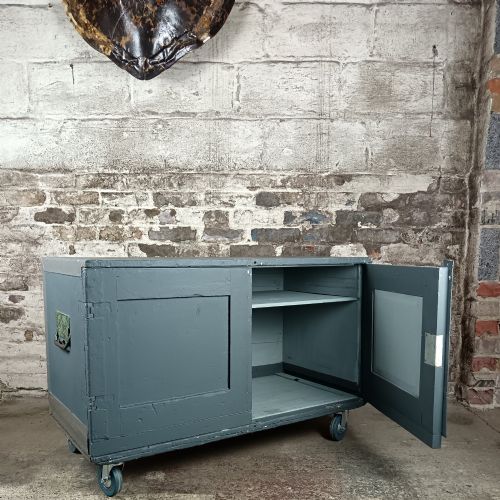
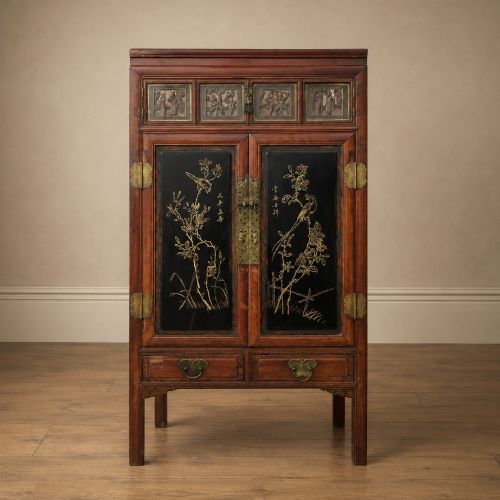
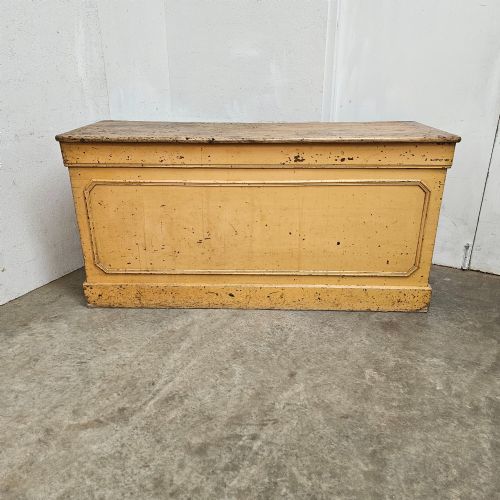
Buyers also encounter specialised forms such as campaign chests, shop counters, and Chinese lacquer cabinets alongside standard dining room and kitchen sideboards. The stylistic vocabulary spans Gustavian restraint, rustic farmhouse utility, and Victorian aesthetic decoration.
Materials and construction methods
Makers predominantly built these pieces from solid timber, with pine serving as the primary structural material for regional European furniture, complemented by occasional hardwoods like walnut and satinwood in more decorative pieces. Construction relies on traditional joinery techniques suited to domestic use, accommodating the expansion and contraction of timber over decades.
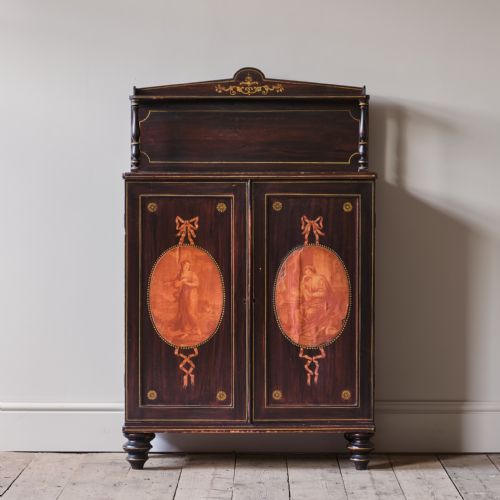
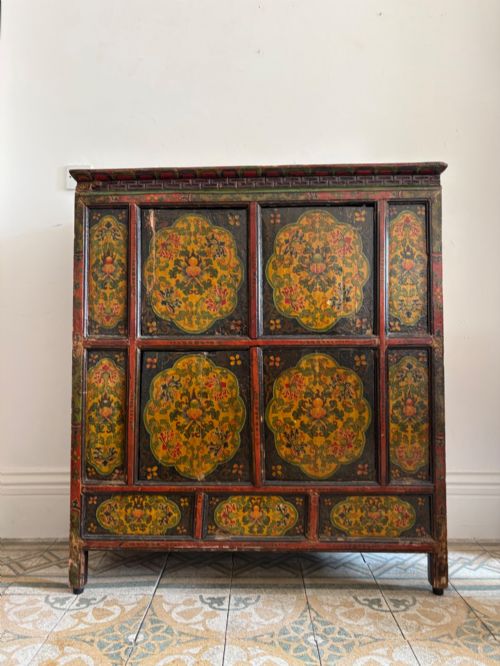
Surfaces received various decorative treatments, including hand-painted floral motifs, simulated rosewood paint, scrumbled finishes, and layered lacquer. Paint was applied directly to wood or over preparatory layers, with many surviving examples retaining their original or early scraped surfaces.
Several kitchen dressers include integrated dog kennels built directly into the lower base, ensuring the family hound had a designated sleeping spot beneath the dinner plates.
Evaluating quality and condition
Quality in these pieces rests primarily on the integrity of the surface finish and the originality of the paint. Examples retaining their untouched, early, or scraped original paint command greater interest than those stripped or repainted in later periods.
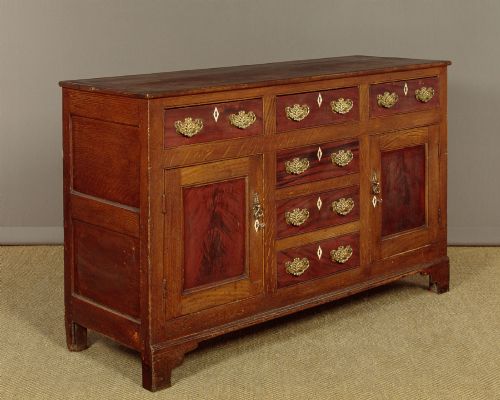
Proportion and structural survival also dictate quality, as pieces retaining their original brass or iron hardware, drawers, and potboards display greater integrity. The finesse of hand-painted floral decoration or specialised techniques like simulated wood graining separates standard utility furniture from finer artistic examples.
The 19th Century Painted Sideboard Glossary
- Potboard
- An open lower shelf on a dresser base traditionally used for storing pots and heavy kitchen utensils. This feature is particularly common in English and Welsh farmhouse furniture.
- Chiffonier
- A small, low sideboard or cabinet equipped with drawers and doors, developed in the early 19th century. It frequently includes a raised shelf or mirrored back in later Victorian iterations.
- Scrumpled
- A paint finish created by dragging, sponging, or softening wet glaze over a lighter base coat to imitate the grain of more expensive woods. This technique was widely utilised in regional 19th-century cabinet making.
- Gustavian
- The Swedish interpretation of French neoclassical style, characterised by restrained carving, pale painted finishes, and functional elegance. Pieces from this tradition often utilise soft greys, creams, and whites.
- Commode
- A low piece of furniture containing doors or drawers, functioning primarily as a sideboard or storage cabinet in continental European interiors. French and Austrian examples often feature painted or polished surfaces.
19th Century Painted Sideboard: Frequently Asked Questions
How do I identify original paint?
Original paint typically exhibits natural wear, fine craquelure, and integration with the underlying wood grain that modern repainting cannot replicate. Examining edges, interiors, and areas protected from daily friction reveals the layered history of the surface.
Scraped paint surfaces often show older colour schemes beneath the topmost layer, confirming the piece has not been subjected to modern decorative stripping or wholesale repainting.
Where were these sideboards made?
These sideboards originate from diverse geographical regions, including rural England, Wales, France, Scandinavia, and China. Each region utilised local timbers and distinct decorative traditions, such as Gustavian pale paints in Sweden or red lacquer in Chinese workshops.
Local cabinet makers and regional joiners built the European examples for domestic utility, while Asian export workshops produced specialised lacquer and cabinet forms for international markets.
How do I care for a painted surface?
Caring for an antique painted surface requires maintaining stable indoor humidity and avoiding direct sunlight, which can fade or crack historic pigments. Gentle dusting with a dry, soft cloth is sufficient for routine maintenance.
Harsh chemical cleaners, modern furniture polishes, and excessive moisture must be avoided to protect the underlying paint layers and prevent lifting or bubbling of the historic finish.