


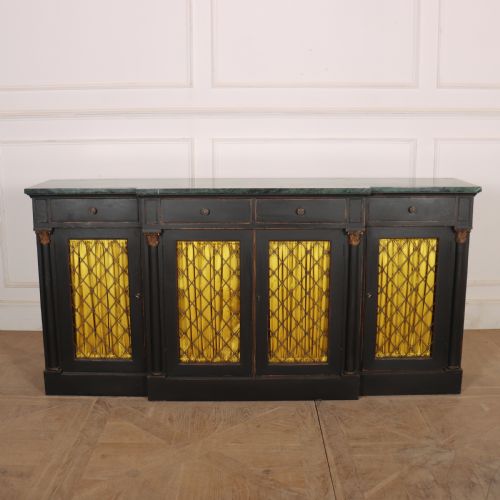


Yellow Painted Sideboard
These yellow painted sideboards bring enduring character and functional storage to any room, offering robust timbers finished in historic coats of colour.
Yellow Painted Sideboard
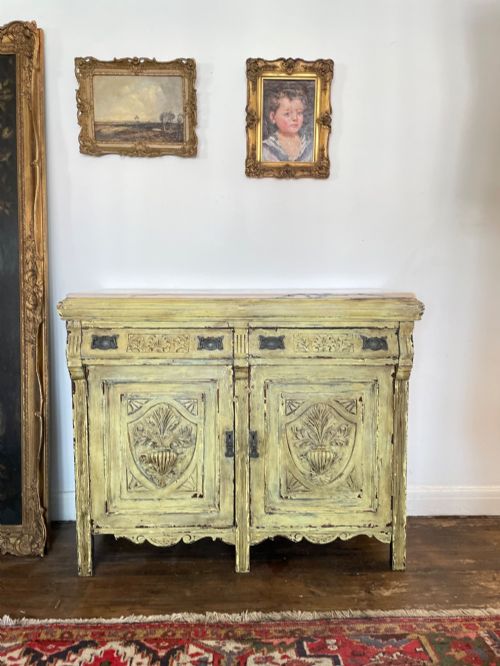
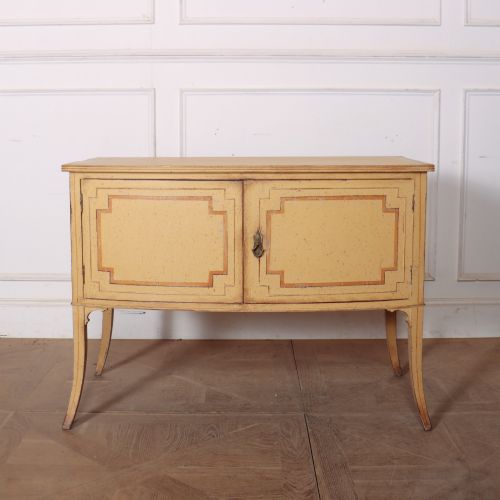
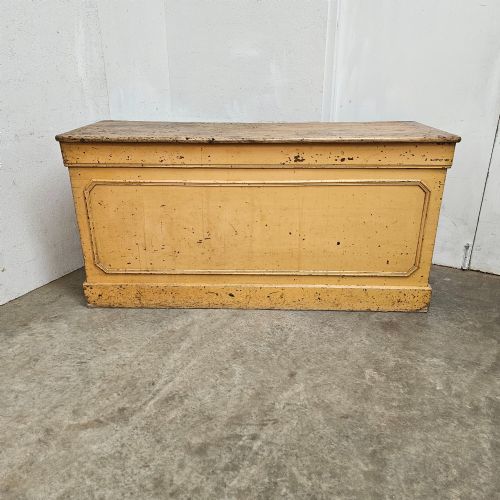
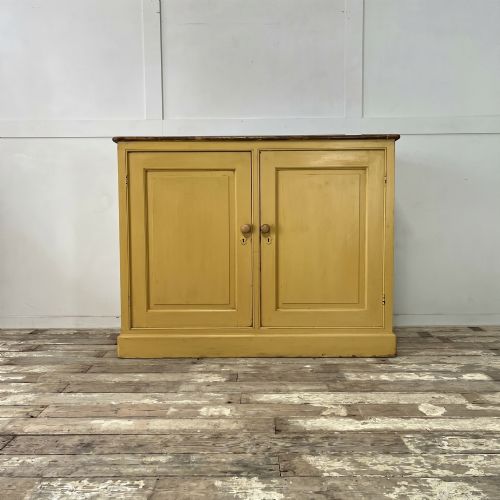
A yellow painted sideboard encompasses a diverse range of country furniture, shop counters, and dressers finished in historic paint. Buyers exploring this selection will encounter sturdy pine and timber carcases shaped by various regional traditions.
The pieces on this page span several centuries, featuring nineteenth-century examples alongside earlier eighteenth-century forms. Common iterations include kitchen dressers, side cabinets, and serving tables bearing original or aged decorative paint.
Stylistic influences vary widely across the inventory, ranging from English and West Country vernacular pieces to French provincial items and Italian country designs. Each form serves a practical storage function while displaying the distinct patination of its regional workshop.
Materials and construction
Construction relies predominantly on solid pine and domestic timbers, assembled using traditional joinery suited to heavy daily use. Iron and brass hardware often secure doors and drawers, while select pieces incorporate distinctive pink marble tops for added utility.
The defining exterior finish is painted wood, applied in layers that acquire gentle wear and historic cracking over generations. Artisans shaped these cabinets as functional furniture for country houses, schools, and commercial shops.
Yellow Painted Sideboard Retail Price Guide 2026
Typical asking prices for yellow painted sideboard among the pieces listed under this phrase on Sellingantiques today, from the lower quarter to the upper quarter. They describe what is for sale here now, not the wider market.
A nineteenth-century dog kennel dresser offers a charming reminder that historic furniture was built to accommodate every member of the household, including the hounds.
Assessing quality and character
Quality in these painted pieces rests in the integrity of the timber carcase and the undisturbed nature of the surface finish. Pieces retaining original paint layers hold greater visual cohesion than those subjected to later redecoration.
Proportional harmony and regional detailing distinguish finer workshops from utility items. The integration of original hardware, stable joints, and authentic patination defines the enduring appeal of each sideboard.
The Yellow Painted Sideboard Glossary
- Breakfront
- A cabinet design where the central section projects forward from the flanking outer sections. This architectural arrangement adds depth and visual interest to larger storage furniture.
- Commode
- A low standing cabinet or chest featuring doors or drawers, originating as a French form for domestic storage. These pieces often serve as decorative sideboards in contemporary rooms.
- Housekeeper Cupboard
- A large storage cabinet traditionally used for linens, dry goods, and household provisions in large domestic properties. They usually combine upper shelving with lower drawers or cupboards.
- Patina
- The surface sheen and softening of colour acquired by wood, metal, and paint through age and handling. This characteristic surface evolution signals authenticity and long use.
- Serviette
- A term less relevant here than the serving table, which provides an open surface for presenting food and dishes. These tables often feature simple timber construction beneath painted finishes.
Yellow Painted Sideboard: Frequently Asked Questions
How do I care for historic painted wood?
Keep painted furniture out of direct sunlight and away from rapid temperature shifts to protect the timber and surface coat. Dust gently with a dry or slightly damp cloth without applying modern chemical polishes.
Allow the surface to breathe and avoid placing hot items directly onto the painted wood or marble tops. Gentle maintenance preserves the historic character and integrity of the original finish.
Are these sideboards suitable for modern kitchens?
These robust timber cabinets offer generous storage capacity, making them practical additions to contemporary kitchen and dining spaces. Their historic utility translates well to storing tableware, linens, or daily provisions.
Consider the specific dimensions and drawer configurations of each piece to ensure it fits your intended room layout. The varied styles blend easily into both traditional and eclectic modern interiors.
How can I tell a nineteenth-century piece apart?
Nineteenth-century items often display simpler vernacular construction methods, standard pine timbers, and specific regional hardware. Tool marks left by hand saws and planes help indicate age.
Comparing the paint layering and wear patterns against known period examples provides further context. Regional variations in West Country or continental workshops also guide dating.
What is the difference between a dresser and a sideboard?
A dresser traditionally combines a lower cupboard or drawer base with upper open shelving for display. Sideboards generally consist solely of a low storage cabinet or serving surface.
Both forms utilise durable timbers and painted finishes to serve functional dining and kitchen roles. Regional terminology often overlaps between these two practical furniture types.