
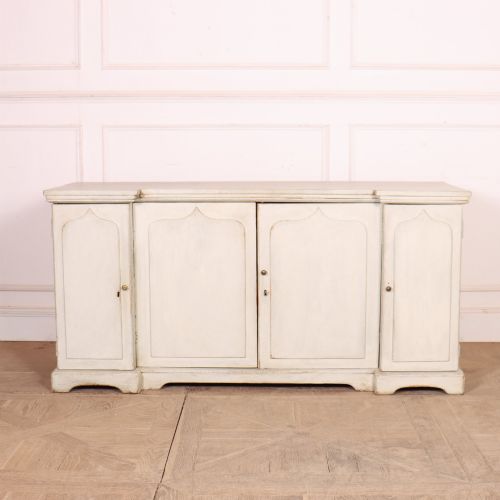
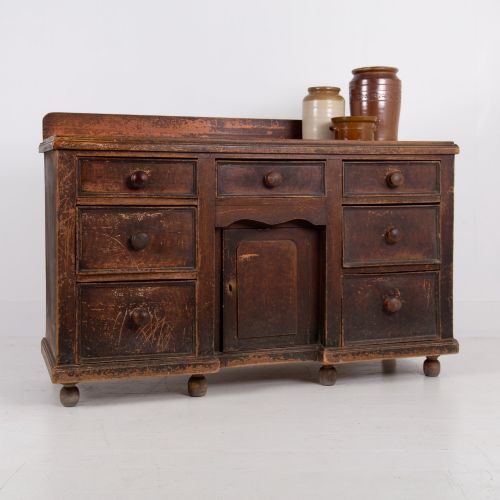
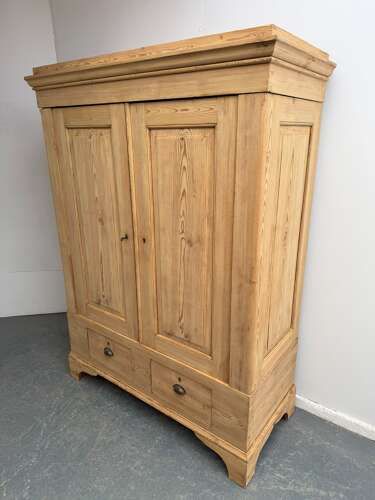
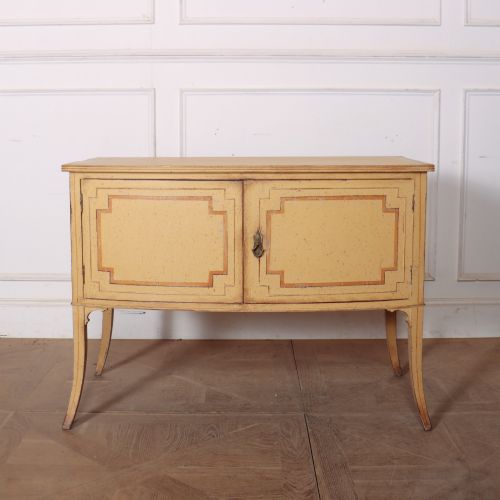


Painted Low Cupboard
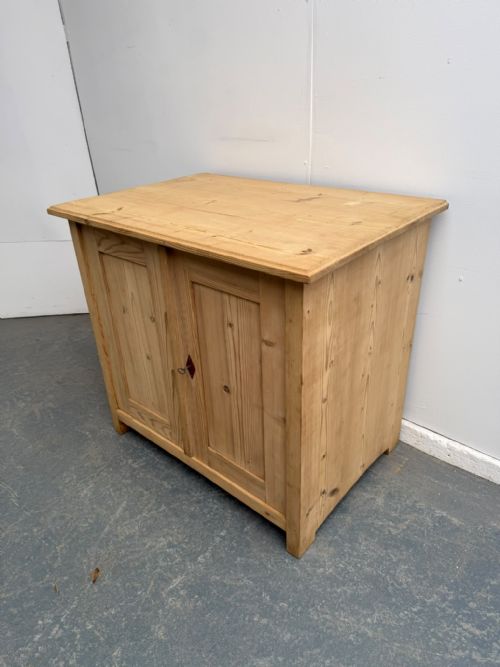
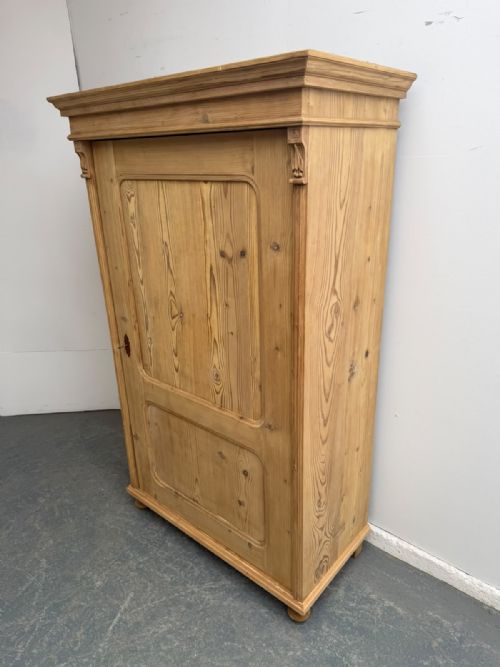
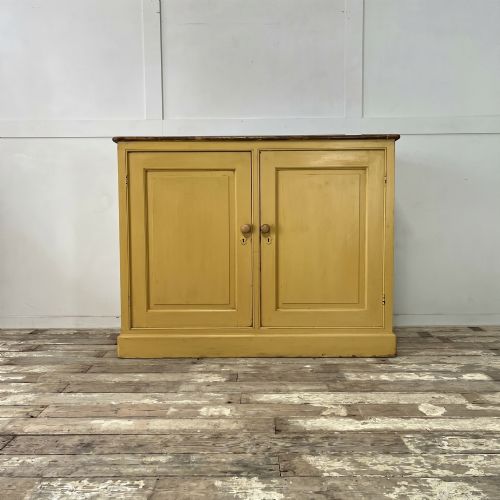
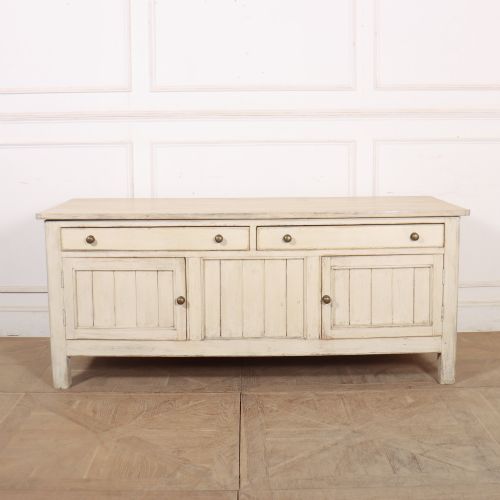
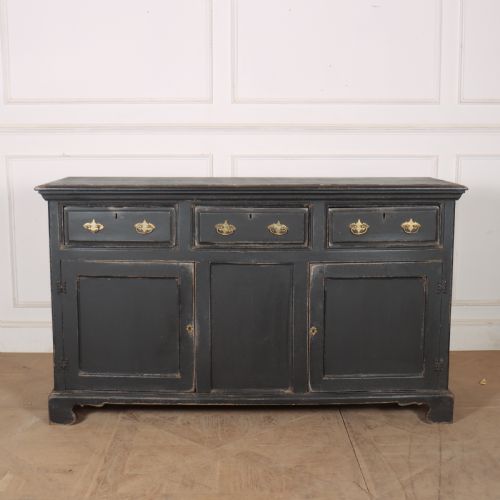
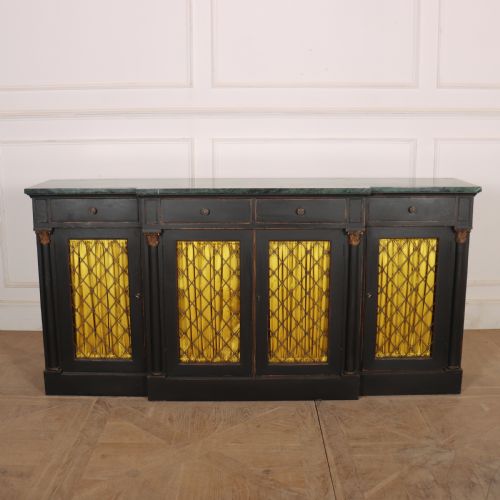
These painted low cupboard examples range from country pine to formal Regency pieces, offering practical low-level storage with character.
Painted Low Cupboard
A painted low cupboard provides accessible storage at a reduced height, frequently found in formats such as dresser bases, side cabinets, and wide storage units. Buyers searching for a painted low cupboard encounter domestic furniture spanning the eighteenth, nineteenth, and early twentieth centuries.
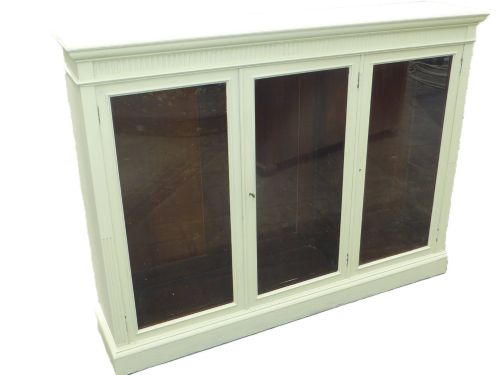
Forms vary from breakfront dresser bases with multiple doors to single-door storage cupboards and glazed bookcases. Most pieces are constructed at a height suitable for surface display or serving purposes.
Assessing quality and finish
The distinction between standard utility items and finer examples rests upon the survival of original paint surfaces and decorative details. Pieces bearing untouched historic finishes or pen-work decoration occupy the upper tier of the range.
Proportion and cabinet-making skill also separate simple country workshop output from sophisticated urban furniture. Well-executed joinery and balanced breakfront proportions elevate the standing of any low cupboard.
Styles span Georgian country, English Country House, Regency, and Victorian vernacular traditions.
Waring & Gillow·Gillows
The Painted Low Cupboard Glossary
- Dresser base
- The lower section of a kitchen dresser, featuring cupboards or drawers beneath a flat top surface.
- Breakfront
- A piece of furniture where the central section projects forward from the flanking outer sections.
- Press cupboard
- A large storage cabinet traditionally used for linen or clothing, fitted with internal shelves or hanging space.
- Pen-work
- A decorative technique using ink applied to wood to create intricate linear patterns and illustrations.
- Glazed bookcase
- A cabinet fitted with glass-paned doors designed for the display and storage of books.
Painted Low Cupboard: Frequently Asked Questions
What is a painted low cupboard used for?
These low cabinets serve as practical storage units in living spaces, hallways, and dining rooms. Their reduced height allows the top surface to function as a sideboard or display area.
Historically, similar pieces stored tableware, linens, or household provisions in domestic settings.
How do I date a painted low cupboard?
Dating relies on timber selection, construction methods, and stylistic cues from periods such as the Georgian, Regency, and Victorian eras. Dovetail joints, backboard construction, and hardware types offer further chronological indicators.
Original paint surfaces and decorative schemes also help anchor a piece within a specific nineteenth or eighteenth-century timeframe.
Are these cupboards in original paint?
Some pieces retain their historic or original painted surfaces, showing patination and wear accumulated over generations. Other items have been stripped or recorded as suitable for waxing and painting by the buyer.
Descriptions specify whether a surface is original, aged, or requires further finishing work.
Where were these cupboards made?
The inventory includes English country pieces alongside Scottish dairy dressers and continental examples such as Swedish cupboards. Regional workshops produced utilitarian pine furniture for local domestic use.
Urban cabinet-makers created more formal decorative side cabinets using refined timbers and ornamentation.