


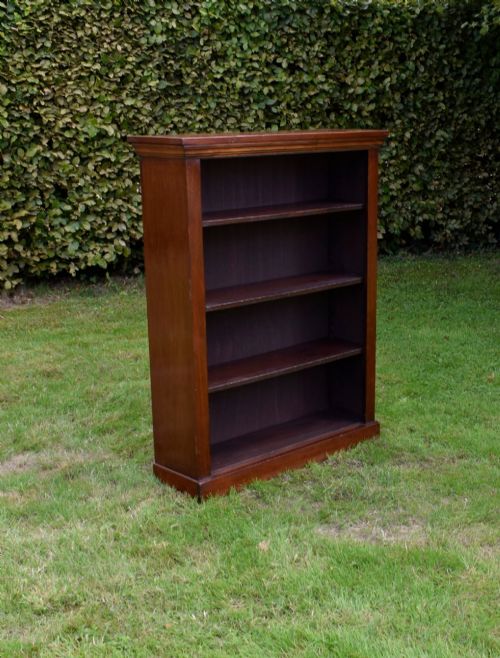
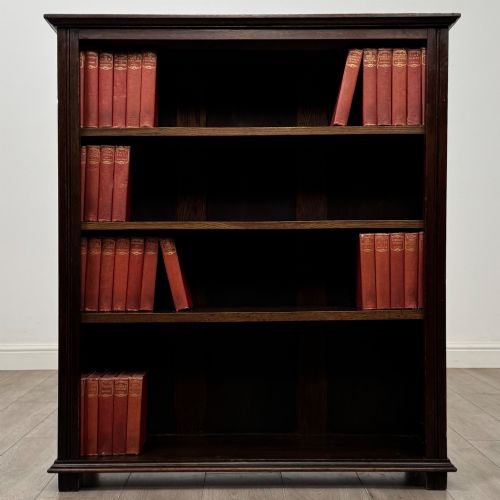
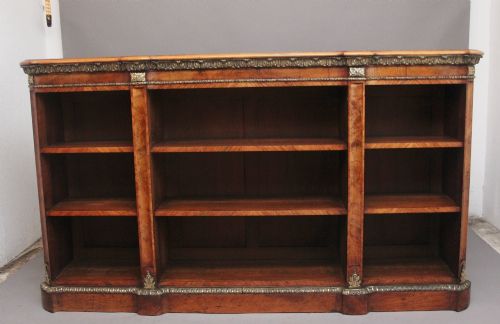
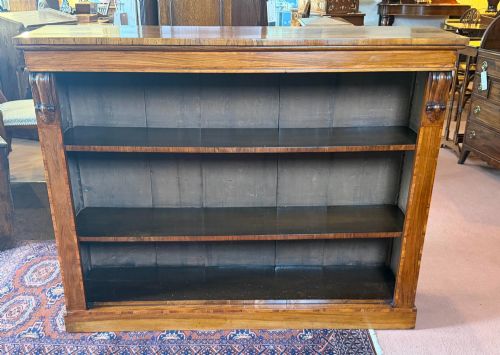
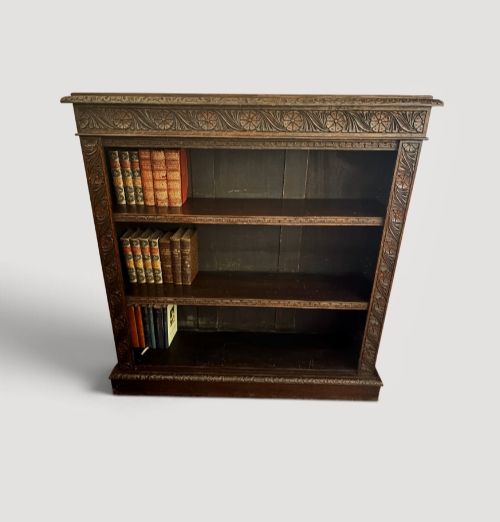
Antique Wooden Bookcase Cabinet
These antique wooden bookcase cabinet pieces combine practical storage with formal display, spanning Georgian craftsmanship to Edwardian simplicity.
Antique Wooden Bookcase Cabinet
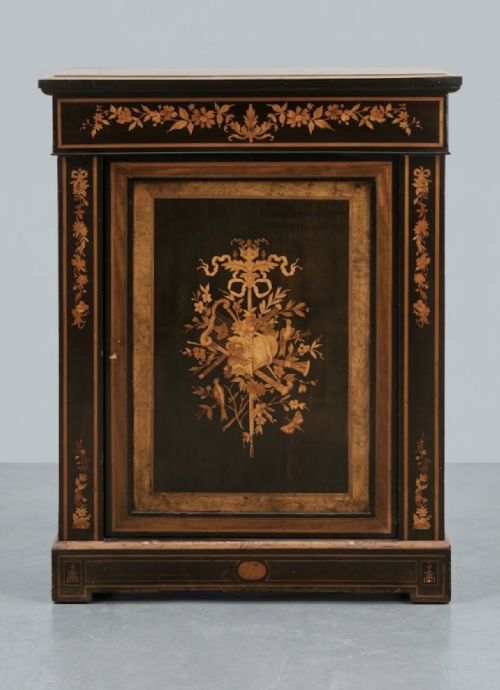
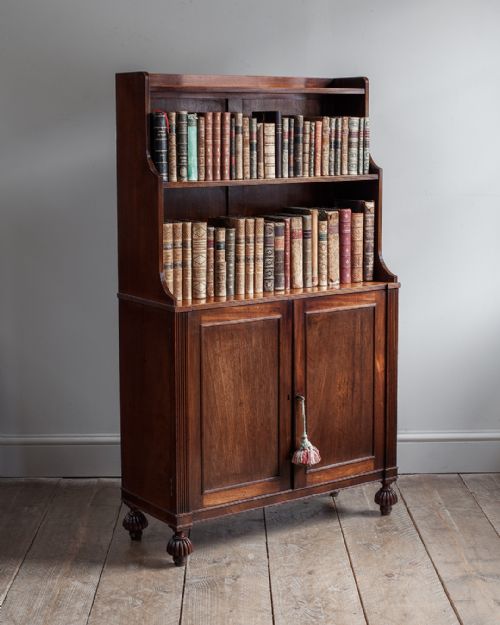
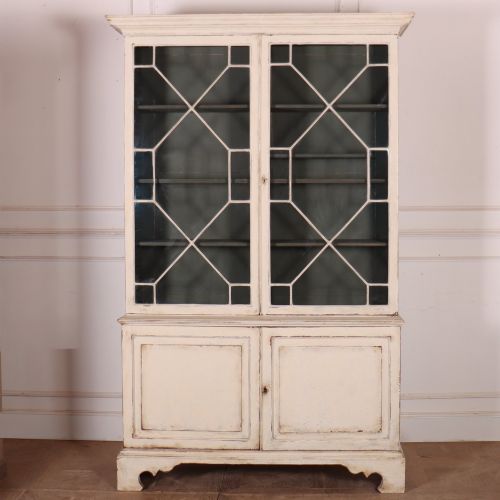
An antique wooden bookcase cabinet bridges the requirement for secure book storage and the display of decorative items, appearing frequently in mahogany, oak, and walnut across this selection.
Makers shaped these items through the 18th, 19th, and early 20th centuries, resulting in forms ranging from open shelves to glazed double doors and bureau variations.
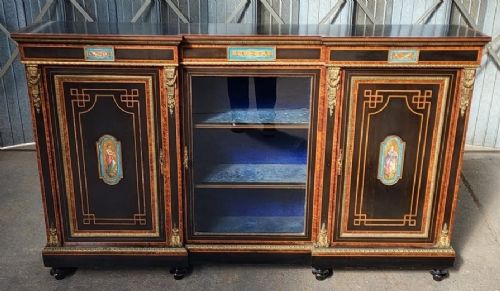
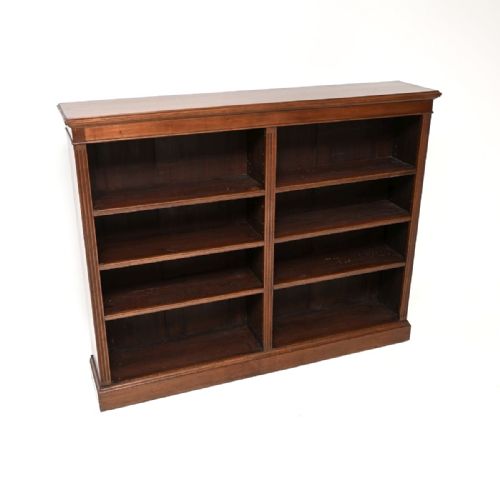
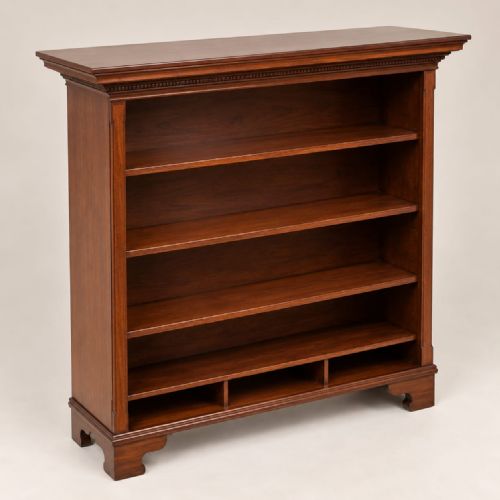
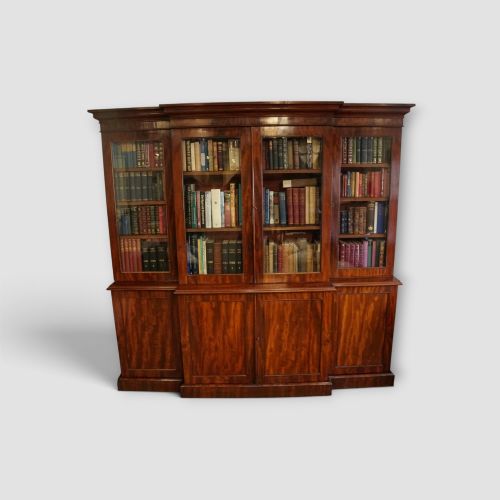
Victorian and Edwardian iterations dominate current examples, offering both imposing breakfront proportions and compact formats suited to domestic rooms.
Materials and Construction
Cabinetmakers utilised solid timbers and figured veneers, selecting flame mahogany, burr walnut, and satinwood for visible exterior surfaces.
Structural elements frequently incorporated oak and general timber framing, supplemented by brass hardware, glass panels, and occasional ormolu mounts.
Joinery methods spanned traditional dovetailing for drawers and mortise and tenon framing for the primary case bodies.
Listings span Georgian, Victorian, and Edwardian periods, utilising mahogany, oak, walnut, and satinwood.
Assessing Craftsmanship
Superior examples display careful timber selection, where veneer figures align symmetrically across drawer fronts and doors rather than appearing haphazard.
The finesse of applied inlays, carved details, and the integration of secondary woods indicate the tier of workshop production behind each piece.
Structural integrity relies on original backboards, smoothly operating drawers, and doors that hang true within their frames.
Johnstone and Jeanes·Gillows
The Antique Wooden Bookcase Cabinet Glossary
- Breakfront
- A cabinet design where the central section projects forward from the flanking wings. This architectural arrangement creates depth and shadow across large bookcases.
- Secretaire
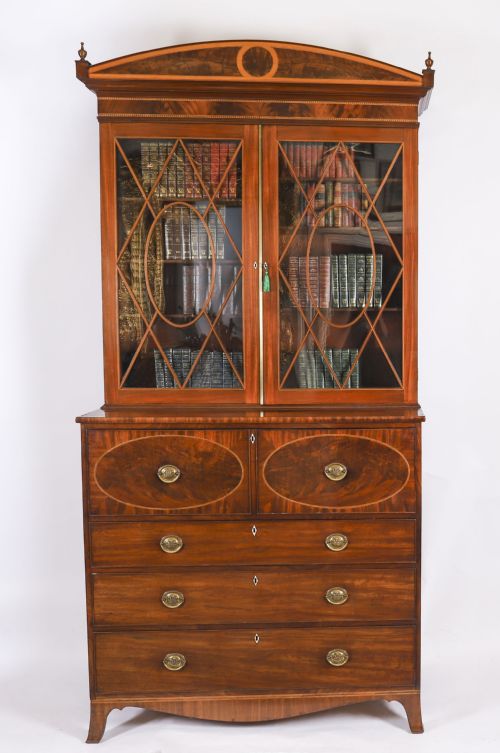
- A desk form featuring a drop-down writing flap concealing internal small drawers and pigeonholes. It integrates a writing surface into the upper or central portion of a bookcase.
- Ormolu
- Gilt-bronze mounts applied for decorative effect on furniture surfaces. It appears on finer Victorian and Regency pieces to accent corners and borders.
- Waterfall bookcase
- A tiered shelving unit where each successive shelf steps back from the one below it. These pieces often feature graduated heights suitable for smaller volumes.
- Vitrine
- A glass-fronted display cabinet designed to showcase porcelain and decorative objects. These structures use glazed doors and side panels to maximise light penetration.
Antique Wooden Bookcase Cabinet: Frequently Asked Questions
How do I distinguish a bureau bookcase from a standard cabinet?
A bureau bookcase incorporates a hinged writing flap that opens to reveal internal compartments for stationery.
Standard cabinets focus purely on shelving or display space behind solid or glazed doors without a dedicated writing surface.
What is the difference between an open bookcase and a glazed cabinet?
Open bookcases provide unhindered access to shelves, suiting everyday volumes that require frequent handling.
Glazed cabinets protect contents behind glass doors, traditionally guarding delicate leather bindings from dust and light exposure.
Where were breakfront bookcases placed in historic homes?
Breakfront bookcases occupied principal reception rooms, libraries, and formal parlours where their grand scale commanded the space.
Their substantial proportions required high ceilings and wide walls to anchor the room's decorative scheme.
How do I care for antique wood finishes?
Maintain timber surfaces by applying quality natural wax periodically and buffing gently with a soft cloth. Keep pieces away from direct heat sources and strong sunlight to prevent veneer cracking.