

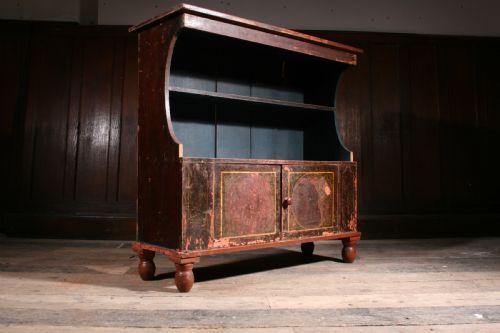


Georgian Painted Standing Bookcase
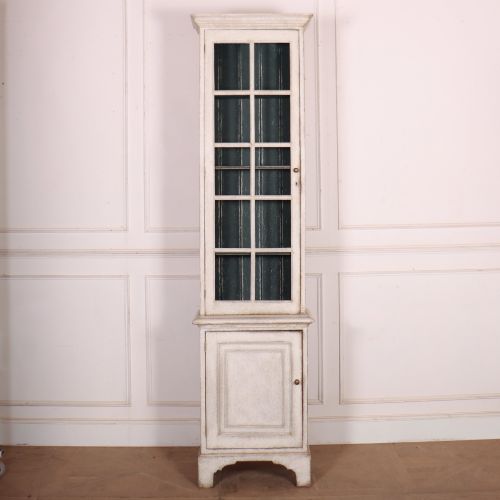
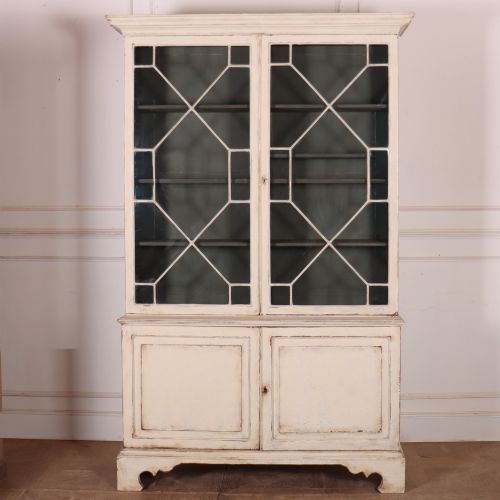
A georgian painted standing bookcase brings colour and architectural presence to a room, offering open shelves or glazed doors for a library.
Georgian Painted Standing Bookcase
A georgian painted standing bookcase encompasses tall timber shelving units and display cabinets finished with painted decoration or original colour. These pieces range from authentic late eighteenth century George III examples to later Edwardian and revival interpretations.
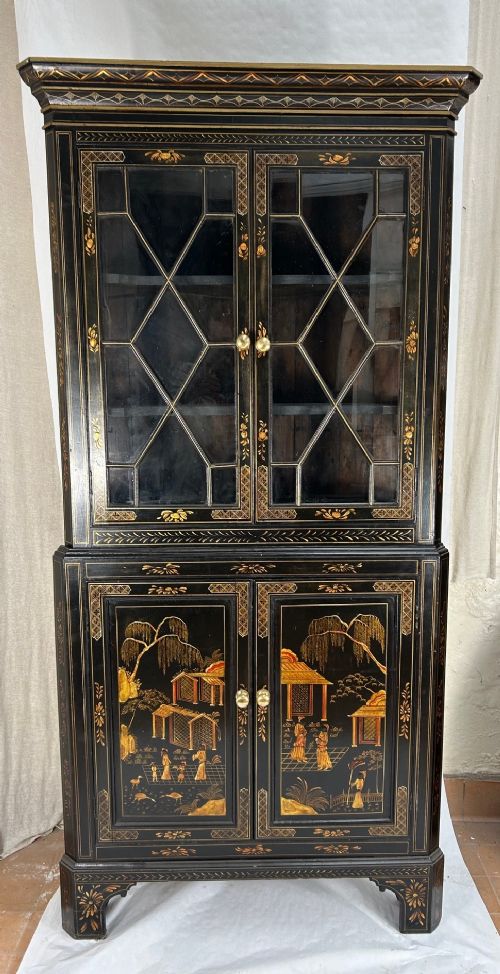
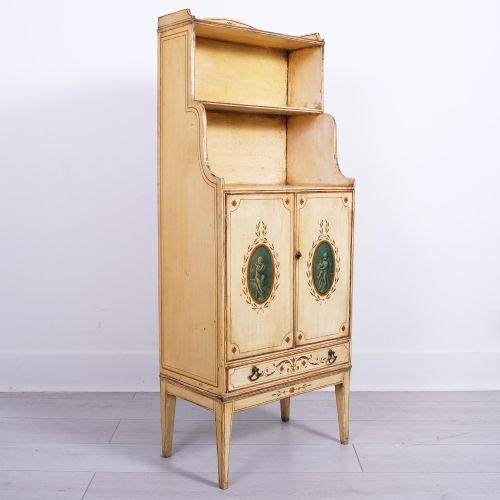
The selection includes tall waterfall bookcases, breakfront display cabinets, and corner cupboards designed to fit domestic interiors. Surfaces feature everything from delicate satinwood and Chinoiserie motifs to plain painted timber finishes.
Buyers will encounter both period originals and later revivals spanning the nineteenth and twentieth centuries. Each item serves primarily to house books or display decorative objects while adding distinct visual weight to a space.
How they were made
Construction relies primarily on timbers such as mahogany and satinwood, often enhanced with applied paint, lacquer, or inlaid details. Makers applied fine painted decoration by hand, incorporating Chinese influence or classical motifs directly onto the wood.
Functional elements integrate brass hardware and glass panes for glazed doors or cabinet fronts. These materials combine structural cabinetry with decorative surface finishes characteristic of the period and its later revivals.
Georgian Painted Standing Bookcase Retail Price Guide 2026
Typical asking prices for georgian painted standing bookcase among the pieces listed under this phrase on Sellingantiques today, from the lower quarter to the upper quarter. They describe what is for sale here now, not the wider market.
Some nineteenth-century makers could not resist adding a touch of Chinoiserie whimsy to otherwise stern mahogany cabinetry.
What varies in quality
Quality rests in the finesse of the painted decoration and the selection of underlying timbers. Finer examples display meticulously executed hand-painted motifs and superior joinery rather than basic surface applications.
The integrity of the original paint finish and the proportion of the piece dictate its standing. Subtle differences in hardware, such as brass fittings, and the clarity of glass set superior cabinets apart.
Edwards & Roberts
The Georgian Painted Standing Bookcase Glossary
- Waterfall bookcase
- A set of graduated open shelves where the sides step back progressively from bottom to top. This form appeared during the late eighteenth century for displaying smaller volumes.
- Breakfront
- A cabinet design where the central section projects forward from the flanking wings. This architectural arrangement creates depth and shadow across the front elevation.
- Chinoiserie
- European interpretation of Chinese decorative arts, featuring painted landscapes, figures, and motifs. It became popular on furniture during the eighteenth and early revival periods.
- Satinwood
- A pale, dense tropical hardwood with a lustrous sheen, frequently utilised for fine cabinetmaking and decorative inlay work. It accepts painted decoration particularly well.
Georgian Painted Standing Bookcase: Frequently Asked Questions
How do I care for painted wood?
Painted wooden furniture requires gentle dusting with a soft, dry cloth to protect the decorated surface. Avoid harsh chemical cleaners or excessive moisture that might lift old paint.
Keep pieces away from direct sunlight and dramatic temperature swings to prevent the timber from warping and the paint from cracking.
Are these cabinets suitable for small rooms?
Corner cabinets and slender standing bookcases make efficient use of difficult wall space without dominating a room. Their vertical proportions provide substantial storage while maintaining a modest footprint.
Lighter painted finishes and glazed doors also help reflect light and reduce the visual weight of large furniture.
What distinguishes revival pieces from originals?
Revival items, such as Edwardian or twentieth-century interpretations, copy earlier Georgian styles using contemporary woodworking methods and materials. They often reflect the aesthetic tastes of their actual date of manufacture.
Examining the timber construction, interior secondary woods, and the wear patterns on the paint helps determine the true age of a cabinet.