
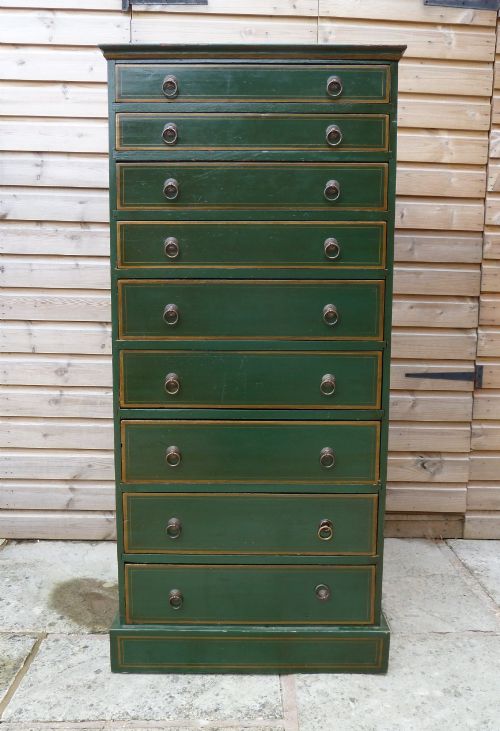
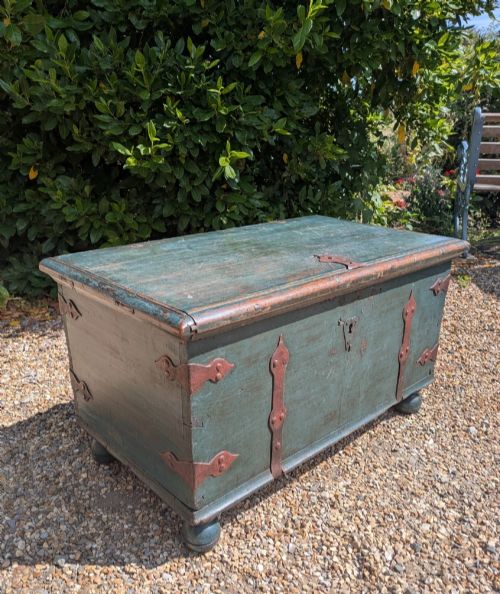
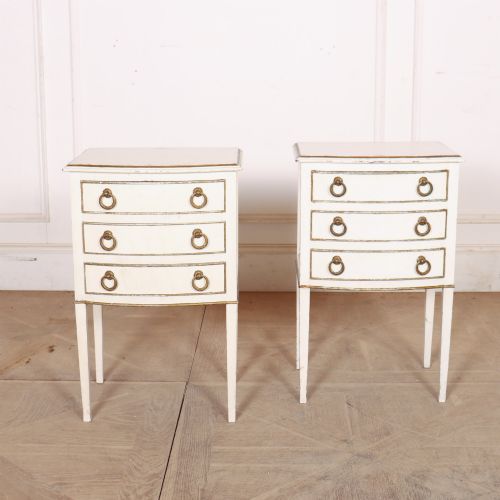

Vintage Painted Chest
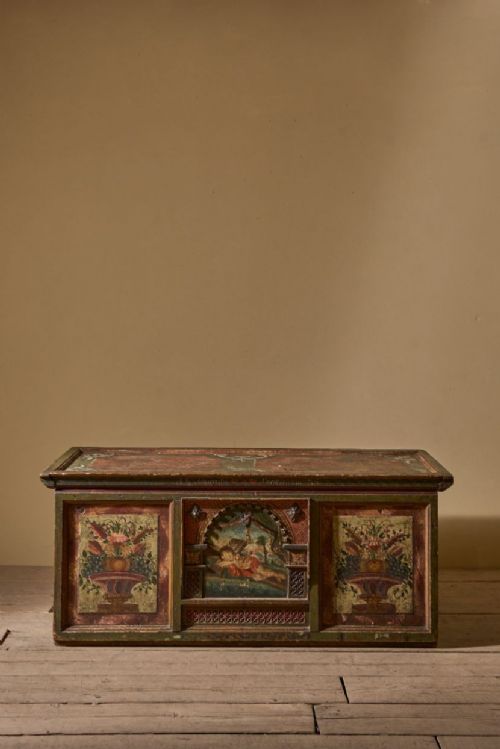
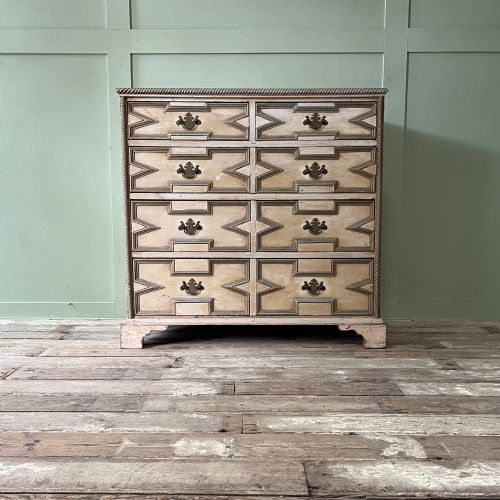
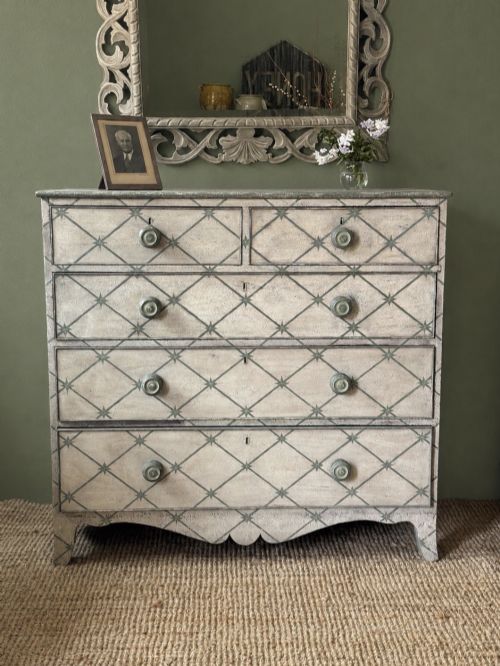
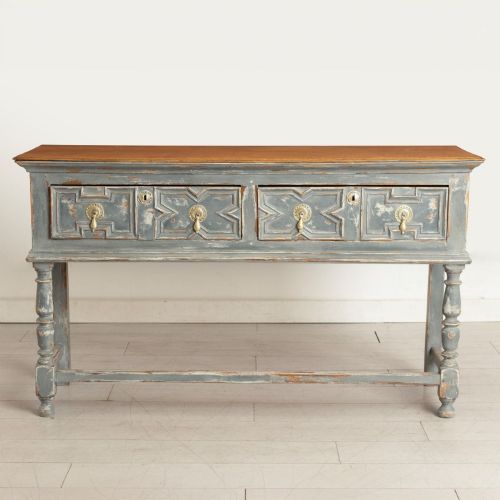
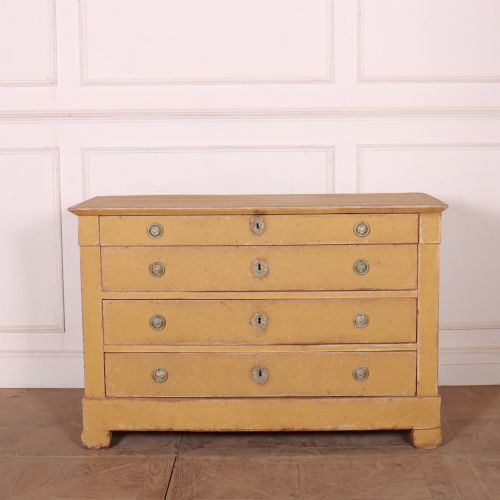
A vintage painted chest brings rustic character and practical storage to a room, spanning 18th-century folk art to 20th-century country pieces.
Vintage Painted Chest
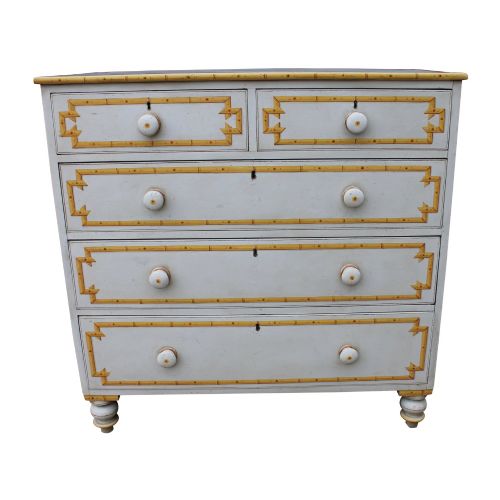
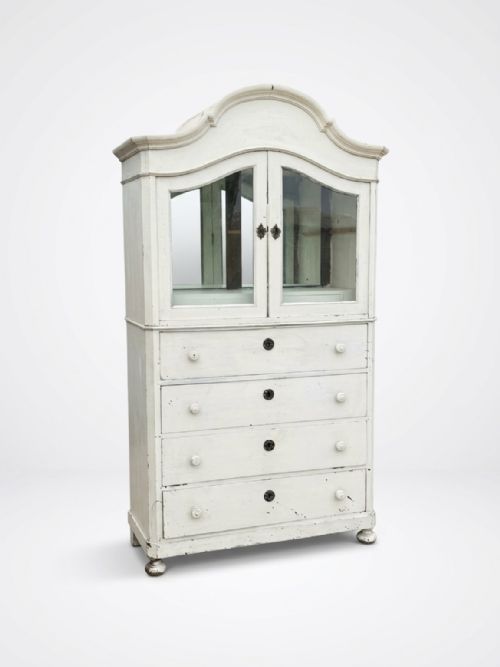
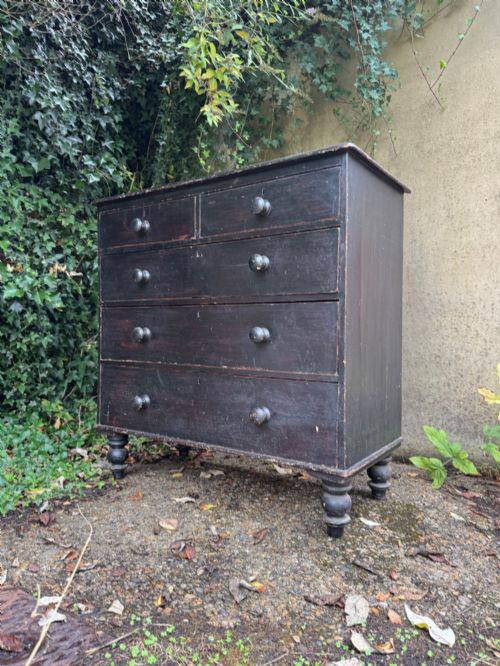
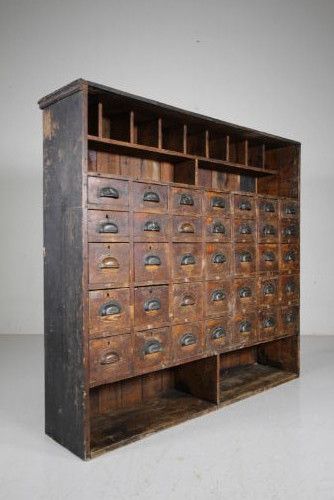
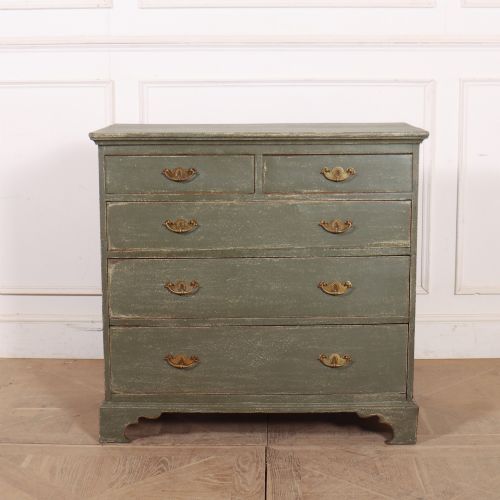
When searching for a vintage painted chest, buyers encounter a diverse selection of storage furniture including chests of drawers, trunks, commodes, and bedside tables. These items emerge from various periods from the 18th century through to the early 20th century, reflecting different regional traditions.
The most common variants on this page include pine chests of drawers and commodes finished in original or decorative paint. Origin styles range widely from English and French provincial to Scandinavian country, French Chateau, and Swedish folk art.
Beyond standard drawer units, the category encompasses campaign military chests, linen presses, cabinets, and steamer trunks. These pieces serve both utilitarian storage needs and distinct decorative roles within domestic interiors.
How they were made
Makers primarily utilised timber such as pine, oak, and teak for the primary carcase and drawers of these storage items. Metal elements like brass and iron appear in structural hardware, strapwork, and campaign transport fittings.
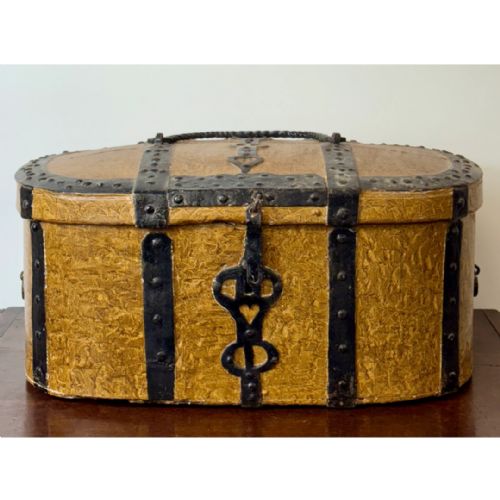
Surfaces received decorative treatments including traditional paint, scumble finishes, lacquer, and faux-wood effects applied over wood. Hand forged iron strapwork and glass components occasionally supplement the core wooden construction.
Vintage Painted Chest Retail Price Guide 2026
Typical asking prices for vintage painted chest among the pieces listed under this phrase on Sellingantiques today, from the lower quarter to the upper quarter. They describe what is for sale here now, not the wider market.
What varies in quality
The distinction between standard and superior pieces rests largely in the preservation of original surface finishes and period decorative details. Items retaining their authentic early paint layers or specialised folk art motifs hold greater historical integrity.
Construction methods and hardware selection further differentiate the range, as seen in hand forged iron strapwork, dovetail joinery, and robust brass fittings. Finer examples display harmonious proportions alongside carefully executed regional styles like serpentine fronts or diamond-point moulding.
Sir Clough Williams Ellis
The Vintage Painted Chest Glossary
- Commode
- A low chest of drawers or cabinet, often of French or continental origin. These pieces frequently feature serpentine fronts or decorative commode styling.
- Campaign Military Chest
- A sectional chest designed to split into separate parts for transport by officers. These typically incorporate brass corners and recessed carrying handles.
- Scumble Paint
- A decorative technique involving a translucent glaze dragged or layered over a base coat to imitate grain or texture. Housekeepers cupboards and country furniture often display this finish.
- Linen Press
- A tall piece of furniture featuring upper cupboard doors enclosing sliding trays, placed above lower drawers. They served historically for storing household linen flat.
- Strapwork
- Ornamental metal bands or strips fastened across a surface for reinforcement and decoration. Hand forged iron versions appear on heavy storage trunks.
Vintage Painted Chest: Frequently Asked Questions
How do I date a painted chest?
Dating relies on examining construction methods, timber types, and the composition of the paint layers. Regional design traits also help assign pieces to specific periods like the 18th or 19th century.
Hardware such as brass handles and iron strapwork offer further clues regarding the manufacturing era of the furniture.
Are these chests suitable for daily use?
Most pieces function well for everyday storage in modern homes, offering deep drawers or cabinet space. Their durable wood construction ensures they withstand regular handling.
Care should be taken to protect historic painted surfaces from excessive moisture and direct sunlight during daily use.
What is original paint?
Original paint refers to the earliest decorative or protective coating applied to the furniture during its period of manufacture. Surviving primary paint layers contribute significantly to the character and authenticity of vintage pieces.
Subsequent overpainting alters the historical surface, making undisturbed original finishes desirable to collectors.
How do I clean a painted wooden chest?
Cleaning requires a soft, dry cloth to remove dust without disturbing fragile historic finishes. Strong chemical cleaners or abrasive materials must be avoided to prevent stripping the paint.
Wax or specialised gentle polishes may be applied sparingly if the underlying wood or sealed finish permits.