


Vintage Padded Bench
A vintage padded bench brings low, upholstered seating to a room, spanning compact piano stools, footstools, and substantial leather club fenders.
Vintage Padded Bench
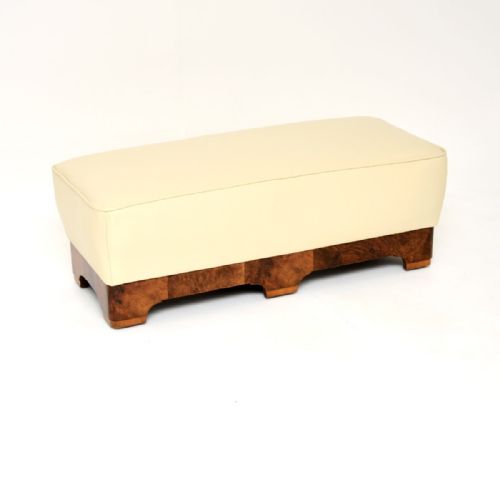
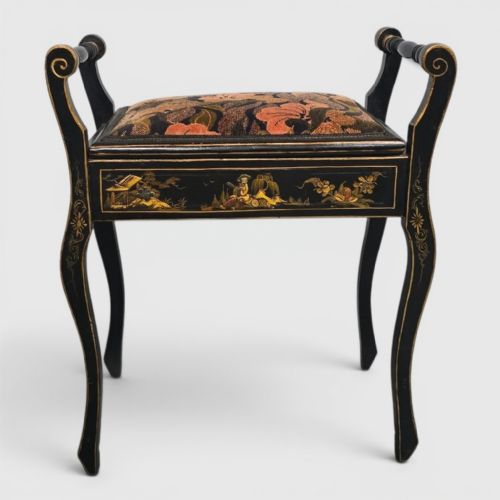
A vintage padded bench encompasses a wide variety of low, upholstered seating forms rather than a single standardised design. When you search for a vintage padded bench, you encounter nineteenth-century footstools, Edwardian piano stools, Art Deco leather and walnut seats, and brass-framed club fenders. These pieces served diverse domestic functions, from the fireside and the dressing table to the music room and the window seat.
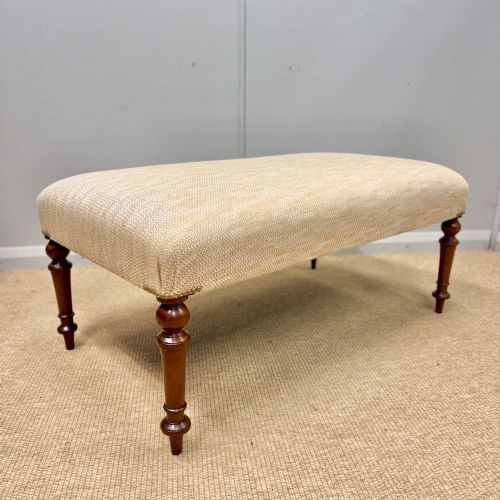
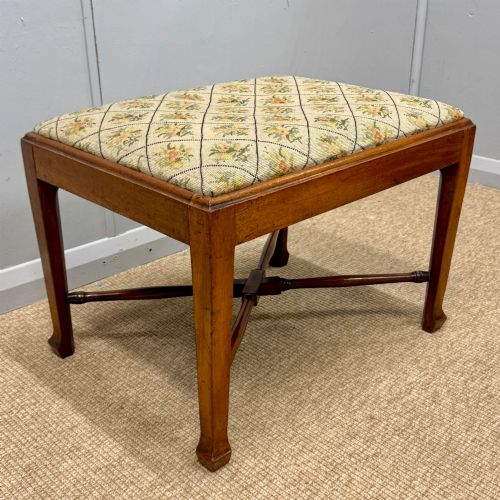
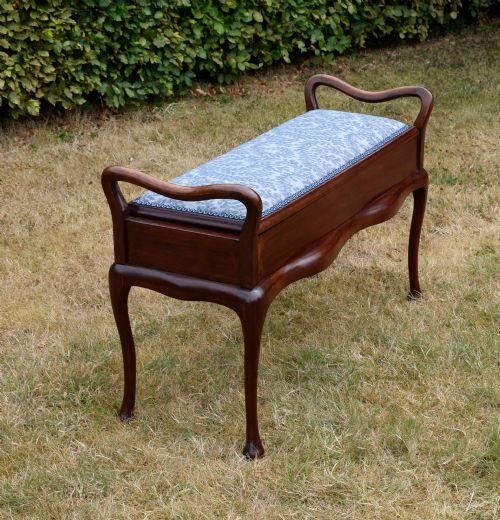
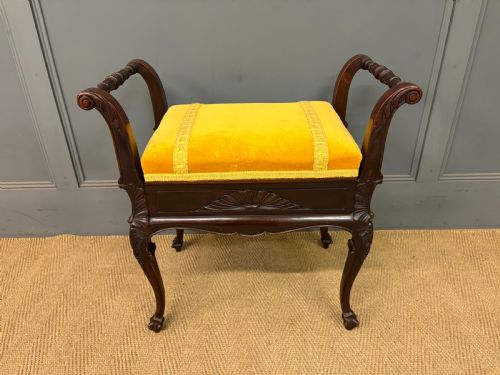
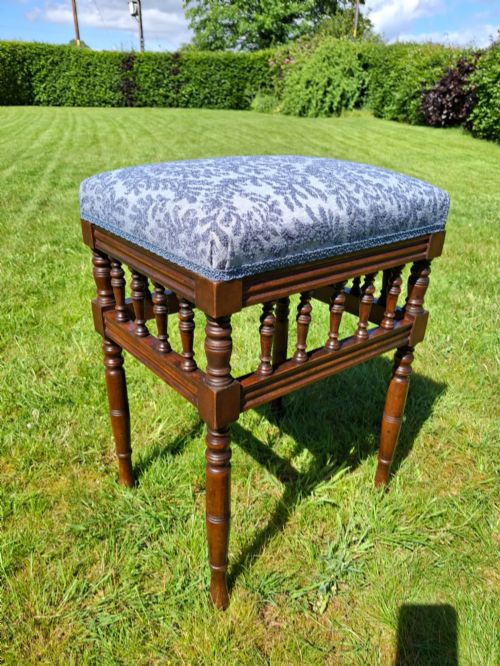
The version you are most likely to meet on this page is a nineteenth-century or Edwardian mahogany, walnut, or brass piece with fabric, leather, or velvet padding. Forms range from small oblong footstools and duet piano stools to large ottomans and club fenders designed to sit around a fireplace. They bridge the gap between structural woodwork and soft upholstery, carrying the stylistic marks of periods from Victorian to Art Deco.
Materials and construction
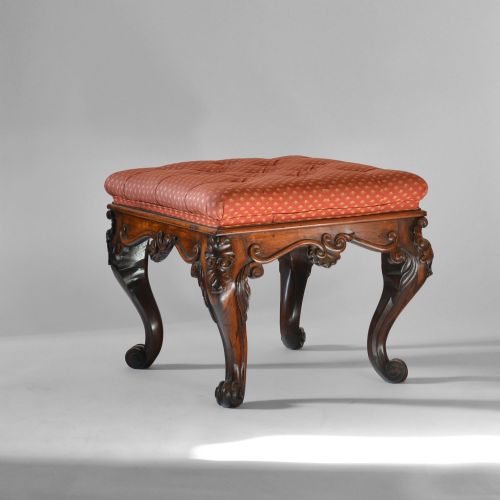
Makers built the frames of these benches using solid hardwoods such as mahogany and walnut, occasionally turning to rosewood or employing brass and heavy iron for specialised fireside forms. These structural timbers were shaped into cabriole legs, twisted rope supports, or straight frames, sometimes featuring inlaid details or carved ornamentation.
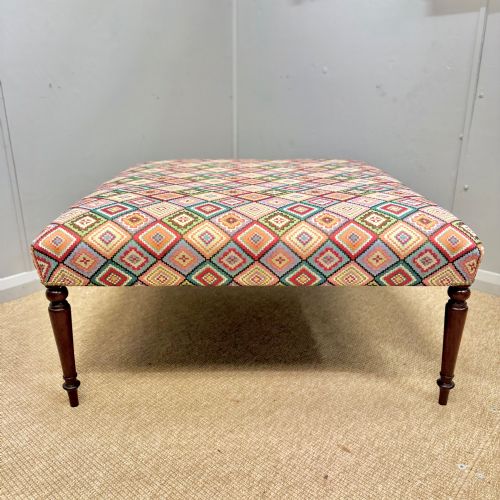
The upper sections combine a wooden or metal base with padding upholstered in leather, velvet, wool, or textile coverings. Traditional methods involved securing stuffing materials over webbing or springs within the frame before applying the outer fabric, leather, or needlepoint cover.
Listings span multiple decades, incorporating Victorian, Edwardian, and Art Deco eras alongside nineteenth-century pieces.
Assessing quality and craftsmanship
Quality in these padded seats rests upon the integrity of the timber frame and the precision of its joinery. Superior pieces display finely carved cabriole legs, crisp inlay work, or substantial cast brass and iron components that hold their shape under daily use.
The standard of the upholstery work and the selection of covering materials further distinguish the range. Hand-dyed leather, deep buttoning, and tactile velvet or needlepoint textile covers indicate a higher grade of manufacture, particularly when paired with robust internal framing.
The Vintage Padded Bench Glossary
- Club fender
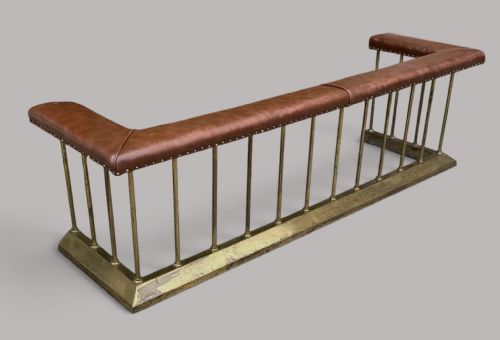
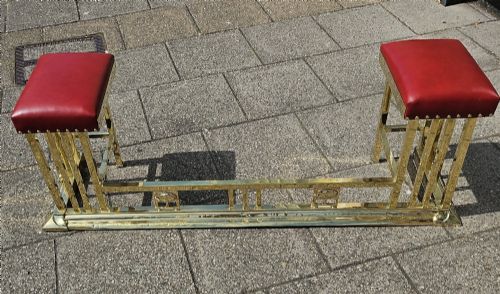
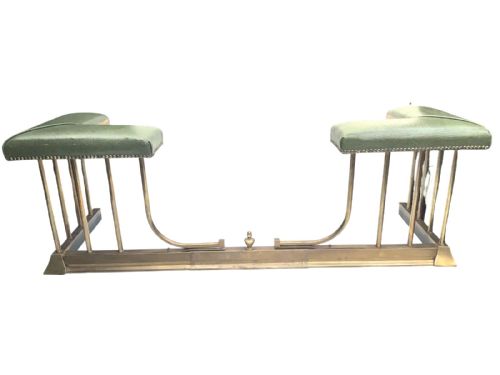
- A low fireside seat with a metal frame, usually brass or iron, and a padded leather top designed to surround a hearth.
- Piano stool
- A seat designed for use at a keyboard, frequently featuring adjustable height mechanisms or a duet format to accommodate two players.
- Ottoman
- A low, fully upholstered piece of furniture with padding across the top, often functioning as a footstool or a box seat.
- Cabriole leg
- A furniture leg that curves outward at the knee and tapers inward toward the foot, commonly found on eighteenth and nineteenth-century designs.
- Cross stretcher
- A structural wooden brace connecting the legs of a stool or table in an "X" shape for added stability.
Vintage Padded Bench: Frequently Asked Questions
What is a club fender?
A club fender is a low, sturdy seat with a metal frame and a padded leather top designed to enclose an open fireplace. It provides comfortable fireside seating while protecting the room from sparks.
These pieces typically feature brass or iron uprights and corners, combining functional metalwork with upholstered comfort for hearthside use.
How do I use a piano stool?
Piano stools serve as dedicated seating for keyboard players, offering stable support and appropriate height for playing. Many historical examples include long duet formats for two people or rotating mechanisms for adjustment.
Beyond music rooms, these compact benches work well as dressing table seats or small occasional stools in living spaces and bedrooms.
What is the difference between a footstool and an ottoman?
A footstool is generally a smaller, lower piece designed primarily for resting feet while sitting in an armchair. An ottoman is often larger and more substantial, functioning as a standalone seat, a coffee table alternative, or a storage box.
Both forms feature padded upper surfaces, but their scale and intended placement within a room typically set them apart.
How do I identify an Edwardian bench?
Edwardian benches often display lighter mahogany frames with subtle inlay work, reflecting the refined tastes of the early twentieth century. They frequently take the form of piano stools, window seats, or small upholstered dressing table stools.
Look for crisp joinery, delicate classical revival details, and traditional fabric or leather upholstery that characterises the period's domestic furniture.