




Vintage Oriental Porcelain Urn
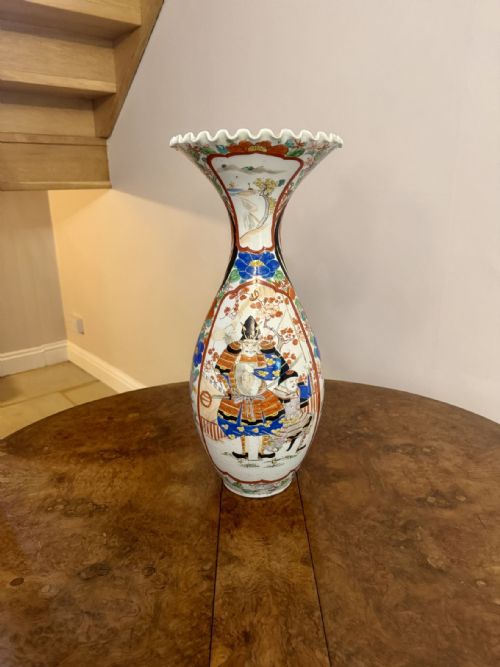
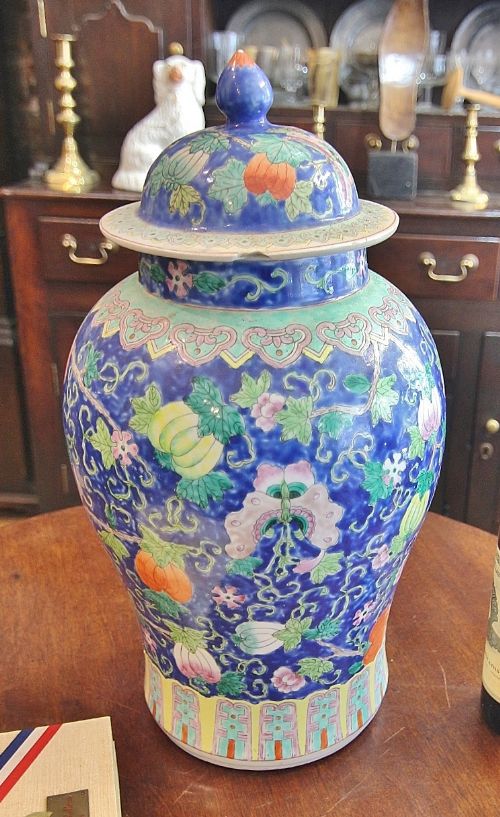
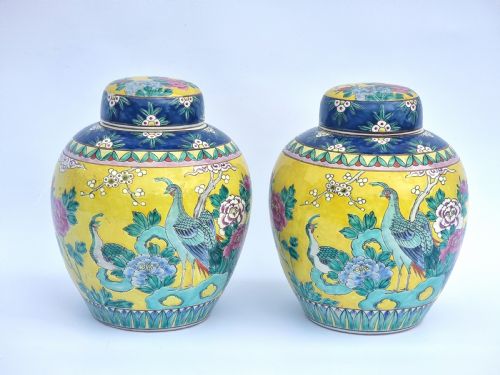
These vintage oriental porcelain urn pieces bring historic ceramic artistry into a room, offering rich painted detail and traditional form.
Vintage Oriental Porcelain Urn
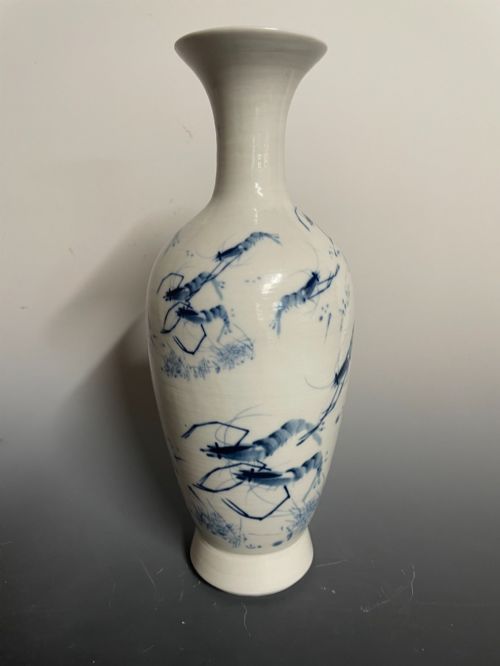
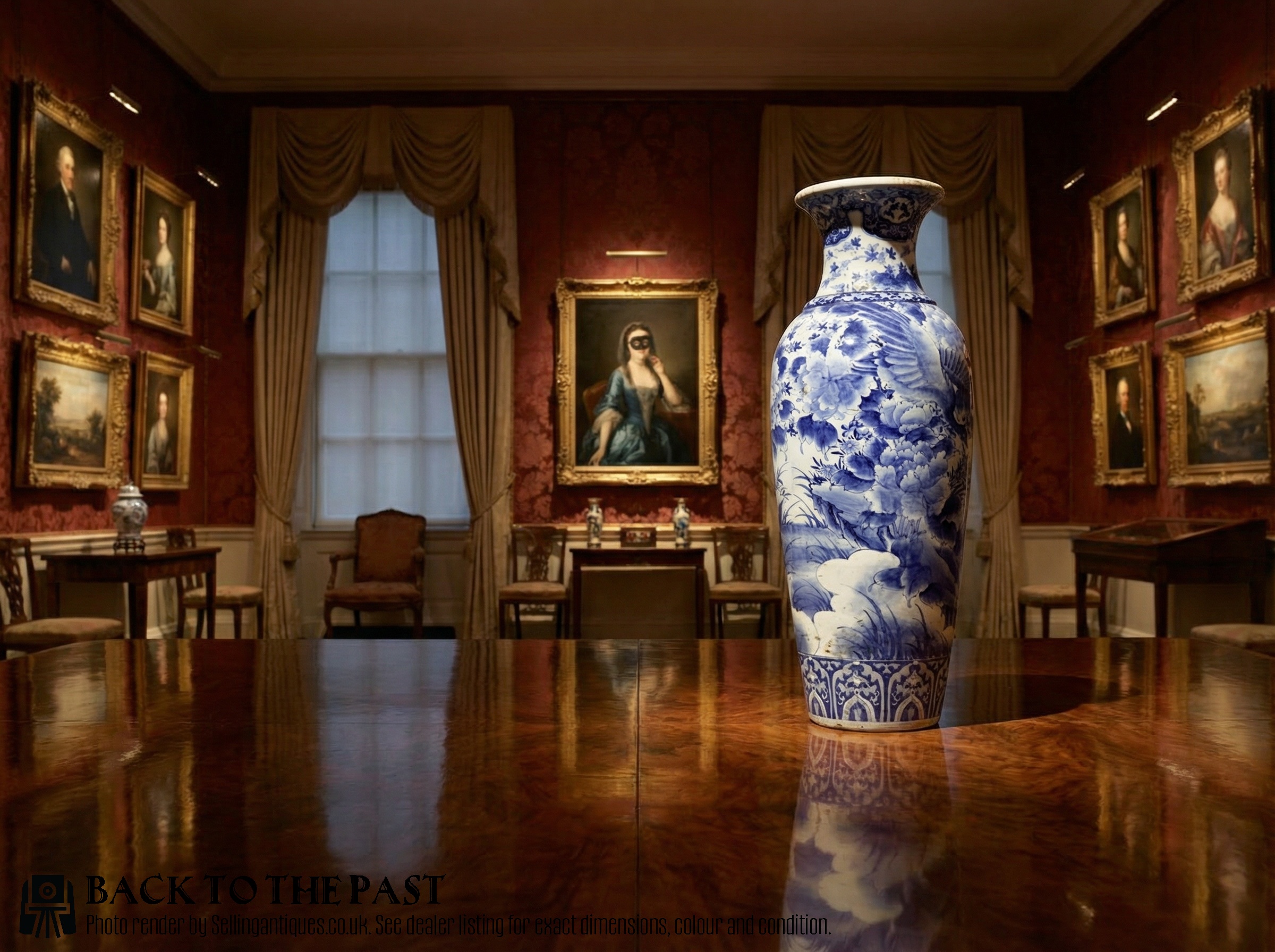
A vintage oriental porcelain urn search brings together decorative vessels created across the nineteenth and twentieth centuries. These objects typically take the form of traditional vases, ginger jars, and covered vessels originating from Japanese and Chinese workshops. Many examples reflect distinct historical periods such as the Meiji era or the Qing dynasty, encompassing both export wares and pieces intended for domestic display.
How they were made
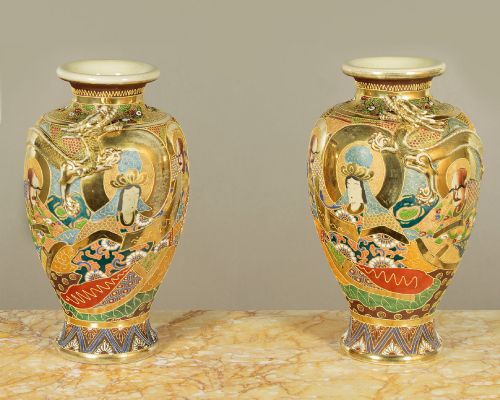
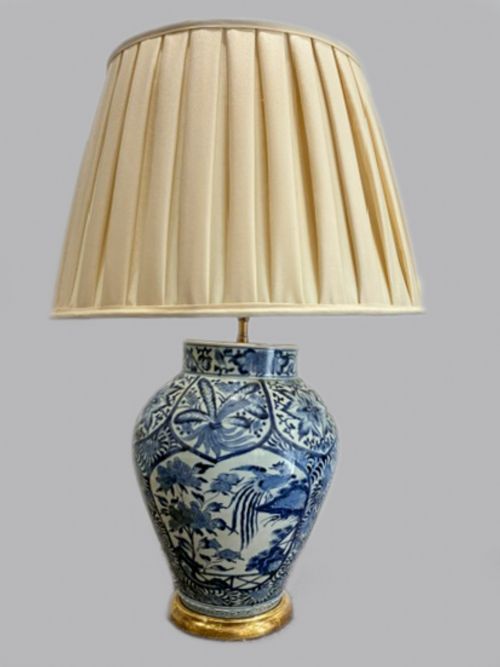
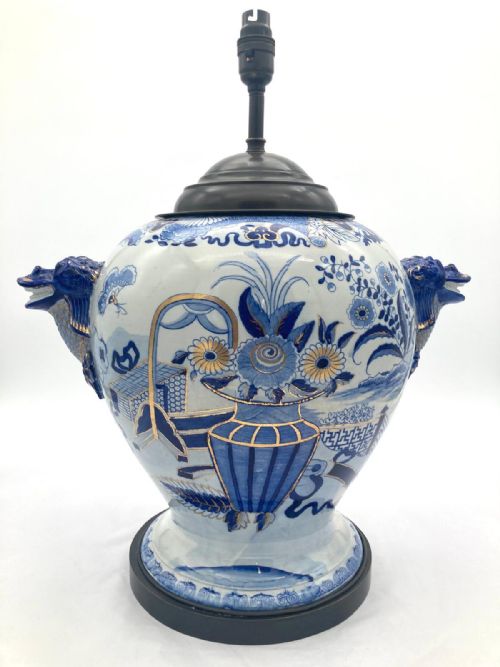
Potters shaped these vessels from refined white clay, applying hand-painted mineral pigments and detailed enamel work before firing the ceramic body. Many pieces incorporate intricate gold leaf highlights and contrasting underglaze cobalt blue decorations that define traditional oriental motifs. Specialised kilns in centres such as Arita and Kyoto produced these distinct surface finishes, ranging from high-gloss transparent glazes to the finely crackled matte surfaces typical of Satsuma wares.
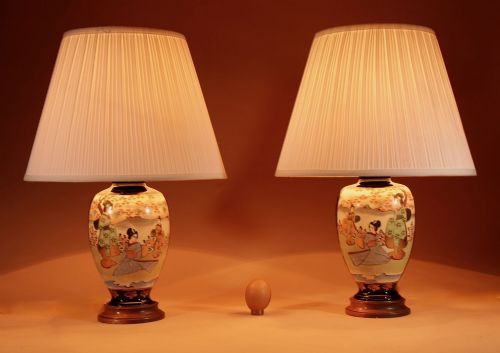
Subsequent modifications often integrated brass fittings and fabric wiring when utilitarian needs led to the conversion of antique vases into lamps. These structural alterations respected the original porcelain bodies, allowing the hand-painted surfaces to remain the primary visual focus.
Listings feature porcelain pieces spanning the eighteenth to the twentieth centuries, utilising enamel, gold leaf, and brass components across Japanese and Chinese aesthetic traditions.
What varies in quality
The standard of a piece rests largely on the precision and fineness of the brushwork applied across the porcelain surface. Superior examples display disciplined figurative scenes or complex geometric panels executed by skilled hands, whereas simpler productions rely on repetitive stencil patterns or heavier, less refined outlines.
The application of gold leaf and the clarity of the enamel pigments also distinguish finer vessels from standard commercial output. Well-preserved gilding and vibrant, stable colours indicate careful past handling and higher initial workshop standards.
Chosei·Hattori·Thomas Allen·Hicks and Meigh·Carlton Ware·Royal Doulton
The Vintage Oriental Porcelain Urn Glossary
- Imari
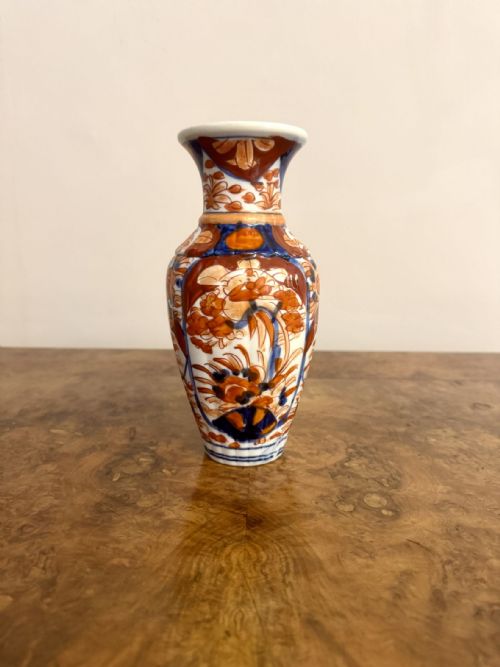
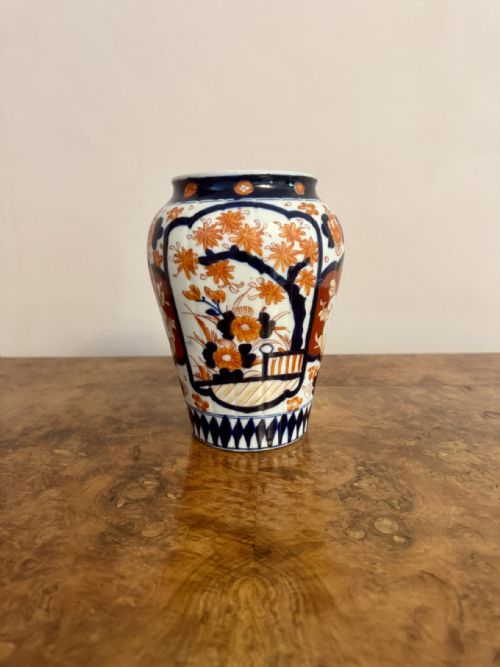
- A style of Japanese porcelain originating from Arita, traditionally decorated in underglaze blue, iron red, and gold. These pieces display dense floral and brocade patterns.
- Satsuma
- An earthenware or porcelain ceramic type from Japan featuring a creamy, crackle-glaze finish painted with polychrome enamels and gilding. Figural processions and landscapes frequently appear on these surfaces.
- Ginger jar
- A high-shouldered ceramic vessel with a domed cover, originally designed for storing spices or tea. In decorative contexts, they serve as prominent standalone display pieces.
- Kutani
- A style of Japanese coloured porcelain known for bold palettes dominated by greens, blues, yellows, and purples. These ceramics often depict birds, flowers, and narrative scenes.
- Chinoiserie
- European decorative style reflecting Chinese artistic motifs and landscapes. This aesthetic influenced various western factories producing oriental-inspired ceramics.
Vintage Oriental Porcelain Urn: Frequently Asked Questions
How do I style an oriental urn in a modern room?
Place a large Imari or Satsuma vase on a plain wooden console table where its detailed patterns can draw the eye without visual competition. Keeping surrounding decor minimal allows the historic ceramic form and hand-painted palette to stand out clearly.
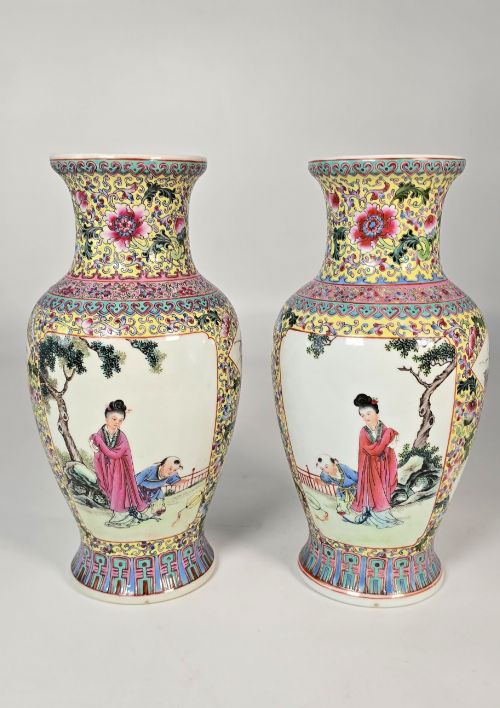
Paired vessels work effectively on either end of a mantelpiece or sideboard to create formal balance. For converted lamp versions, position them near seating areas to provide warm ambient light alongside traditional craftsmanship.
Can I use these urns to hold fresh flowers?
Most antique oriental porcelain urns and ginger jars function best as decorative display pieces rather than functional vases for water. The historic ceramic bodies and historical glazes can be sensitive to moisture over extended periods.
If you wish to display botanicals, placing a small glass or plastic liner inside the vessel protects the interior ceramic wall. Dried stems or artificial arrangements also provide a traditional look without introducing moisture.
How do I tell Satsuma ware from Imari ware?
Satsuma ceramics typically present a warm, ivory-coloured body covered in a fine network of translucent crackle glaze, usually painted with figures or nature scenes in matte enamels and gold. The surface feels slightly softer to the touch due to the earthenware base common in many older examples.
Imari pieces utilise a harder porcelain body featuring crisp underglaze cobalt blue combined with iron red and abundant gilding. The designs lean toward geometric brocade patterns, flowers, and landscapes rather than detailed narrative processions.