


White Porcelain Ginger Jar
A white porcelain ginger jar brings centuries of quiet symmetry and hand-painted blue pigment to a modern room.
White Porcelain Ginger Jar
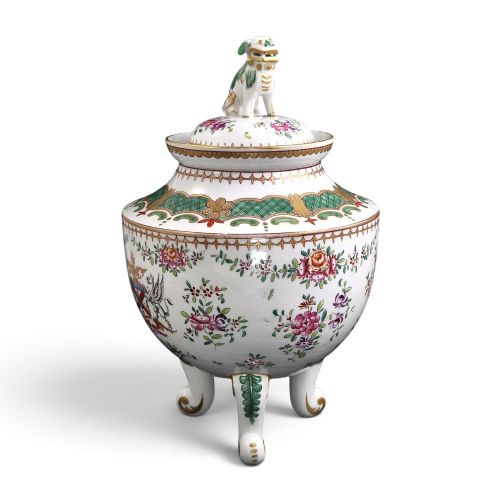
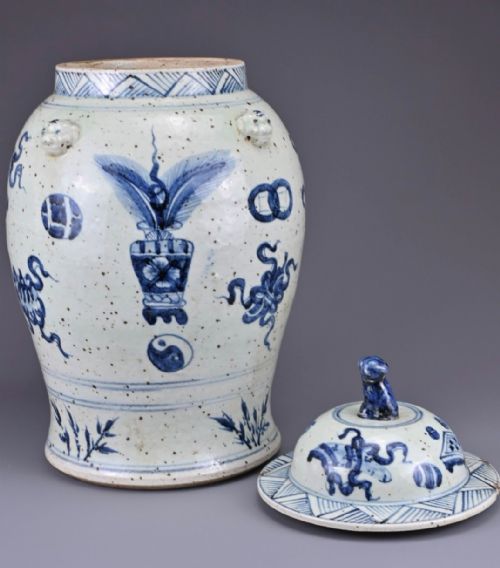
A white porcelain ginger jar is a rounded or ovid lidded vessel originating from distant dynasties and European adaptation, collected today for its robust presence.
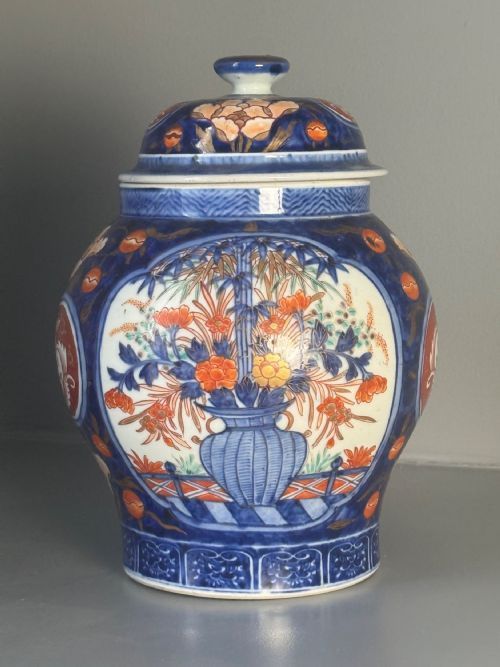
Most examples found in this selection hail from the nineteenth century, alongside eighteenth-century Dutch Delft and Japanese Imari iterations.
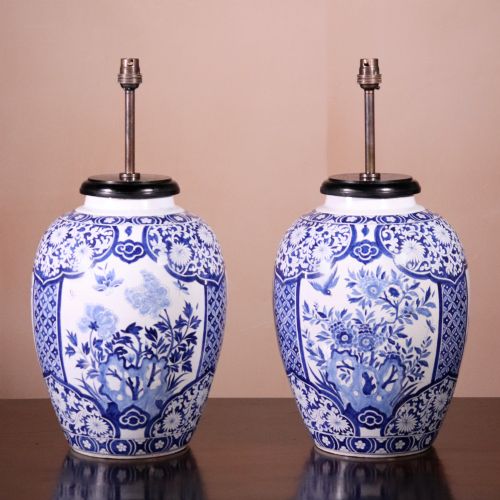
Many of these containers have been adapted into table lamps over time, shifting their utility from storage to domestic illumination while retaining their original covers or proportions.
Materials and construction
Potters shaped kaolin-rich clay on the wheel before applying cobalt glaze or enamel painting beneath a clear finish.
Certain pieces incorporate secondary mountings of brass or wood, while others employ gold leaf or crackle glaze to achieve textured depth.
The listings here span the seventeenth to the twentieth centuries, utilising porcelain, brass, enamel, and wood.
Distinctions in craftsmanship
The precision of the hand-painted cobalt pigment and the clarity of the porcelain body define the upper tier of these vessels.
Harmony between the jar and its original cover, as well as the crispness of moulded relief under the glaze, separates standard domestic ware from finer studio output.
Samson Paris·Fukagawa
The White Porcelain Ginger Jar Glossary
- Ginger jar
- A high-shouldered storage vessel originally designed for spices, distinguished by a wide body and fitted lid. These pieces often lack handles.
- Cobalt glaze
- A metallic oxide pigment applied beneath the transparent glaze that fires to a deep blue colour. It remains stable at high kiln temperatures.
- Famille rose
- A palette of opaque enamel colours dominated by pink and rose shades introduced during the Qing Dynasty. This scheme allowed for nuanced floral shading.
- Imari
- A style of Japanese export porcelain decorated in underglaze blue, iron red, and gold. It was produced in Arita for both domestic and European markets.
- Delftware
- European tin-glazed earthenware produced in the Netherlands to imitate imported Chinese blue and white ceramics. It uses a whitish lead glaze containing tin oxide.
White Porcelain Ginger Jar: Frequently Asked Questions
What were ginger jars used for?
These vessels originally stored spices, salt, and oils in households before finding a place as decorative mantel ornaments.
Over subsequent centuries, European and domestic collectors prized them for their symmetrical form and painted surface narratives.
How do you style a ginger jar lamp?
Jar lamps suit side tables, hallways, or living rooms where their bulbous porcelain bodies introduce height and pattern.
Paired with simple fabric shades, they anchor traditional and contemporary interiors alike without overwhelming the surrounding furniture.
How do I spot an eighteenth-century jar?
Eighteenth-century examples typically display softer potting characteristics, hand-thrown base irregularities, and subtle variations in the cobalt blue tone.
Examination of the glaze surface reveals microscopic crackle and wear consistent with age and early firing methods.
Are these jars waterproof?
While traditional porcelain is vitreous and non-porous, older glazed bodies may have hairline fractures or drilled bases if converted to lamps.
It is wise to use a protective liner if displaying fresh stems inside an antique lidded vessel.