
Vintage Oriental Light
These vintage oriental light selections bring global pattern and rich patination to interior spaces, uniting centuries of craftsmanship.
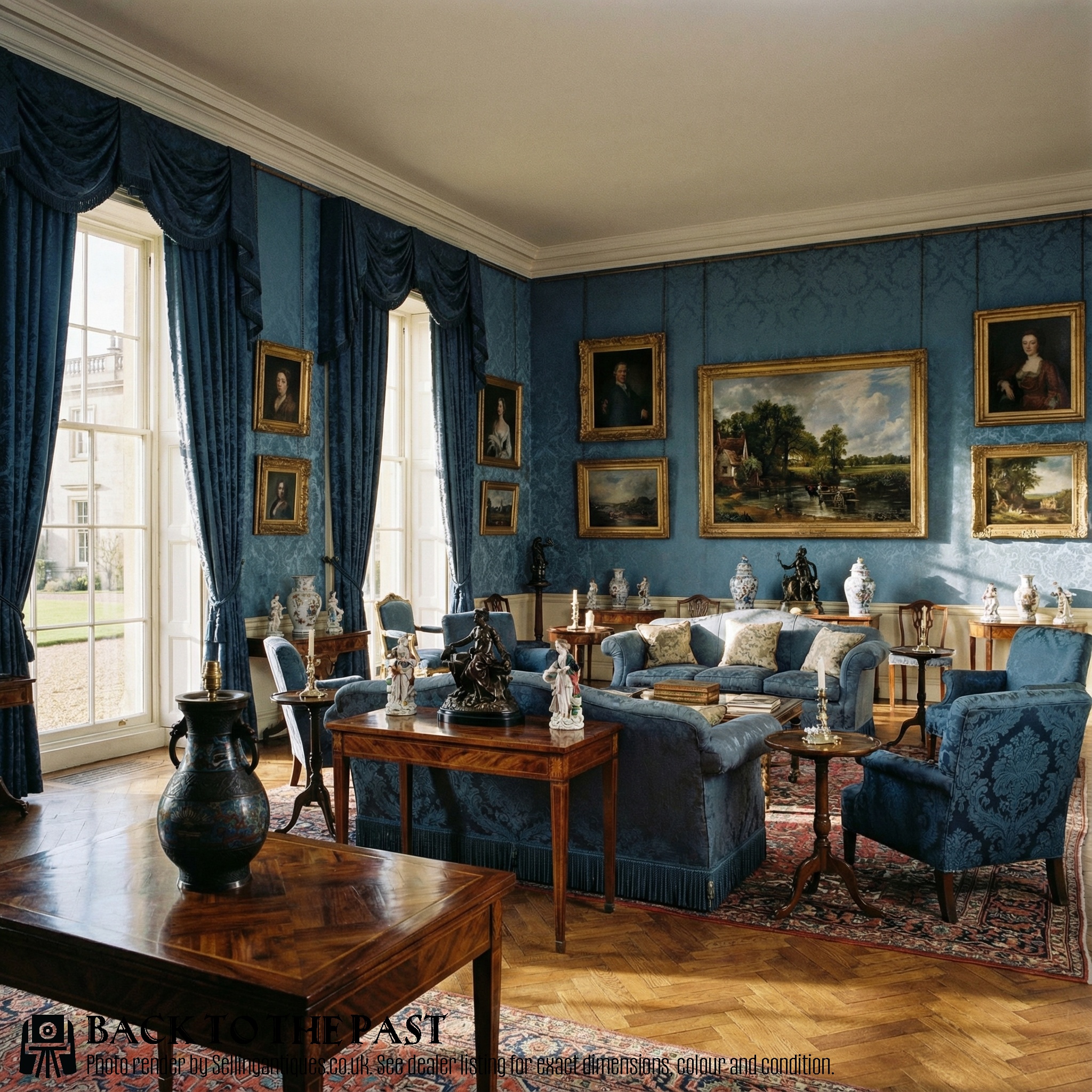
Vintage Oriental Light
A vintage oriental light encompasses diverse illuminated forms and converted vessels drawn from nineteenth-century and early twentieth-century traditions. Buyers exploring this category encounter table lamps, standard lamps, and pendant lights originating from Japanese, Chinese, Kashmiri, and Anglo-Indian workshops.
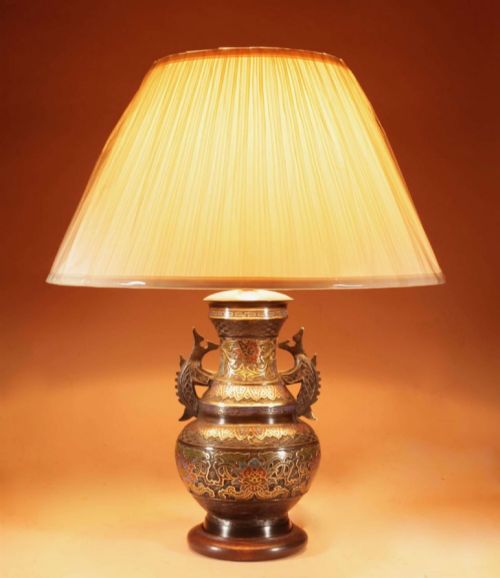
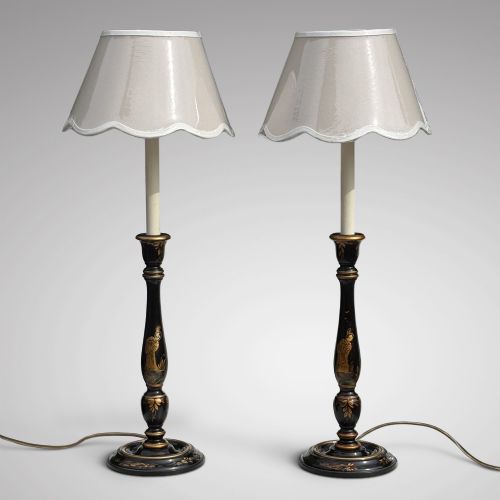
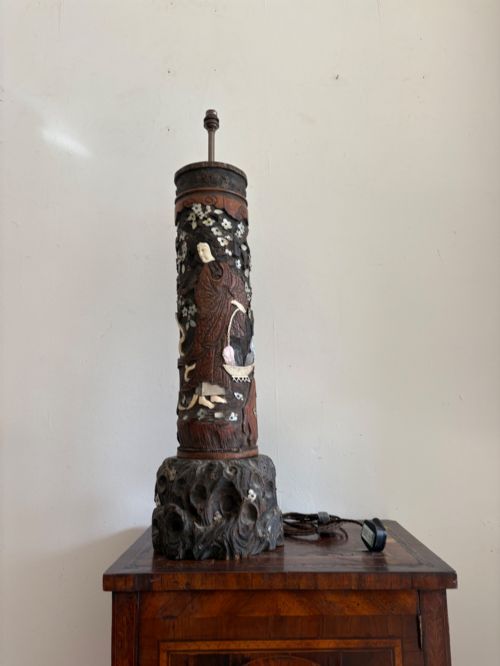
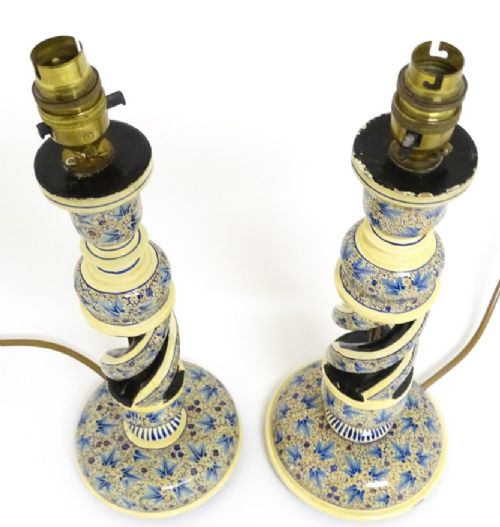
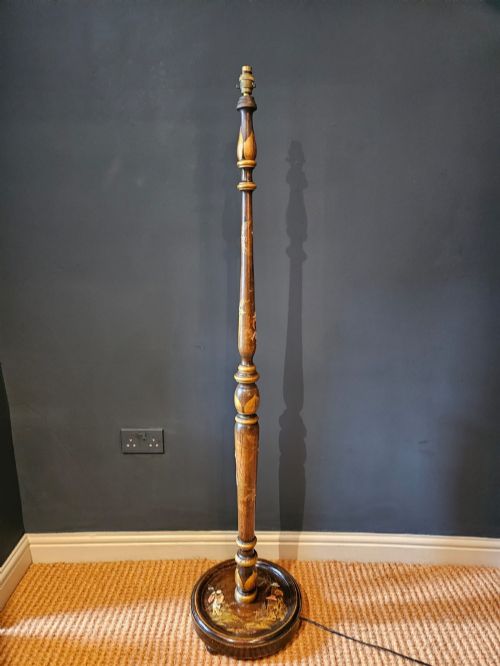
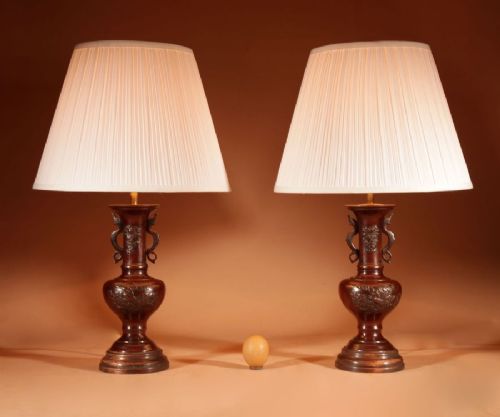
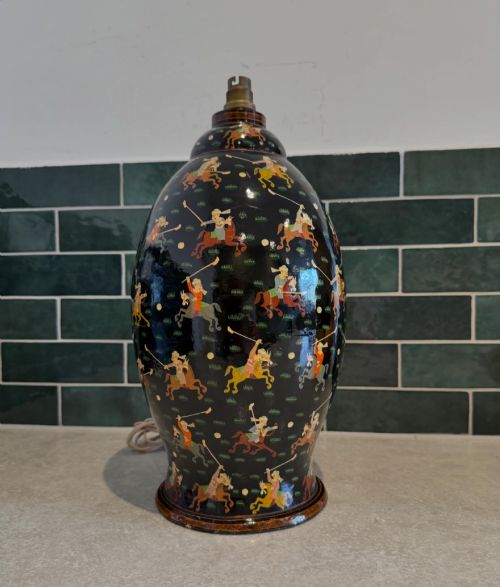
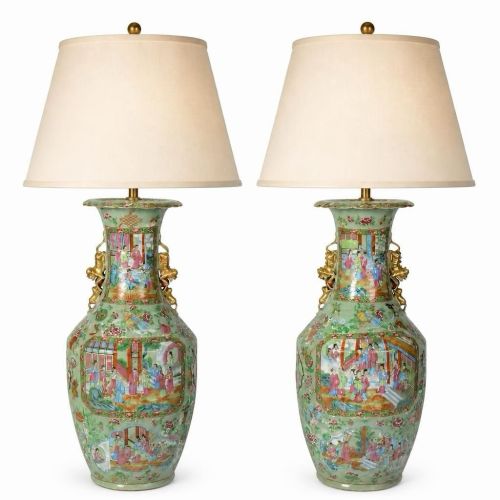
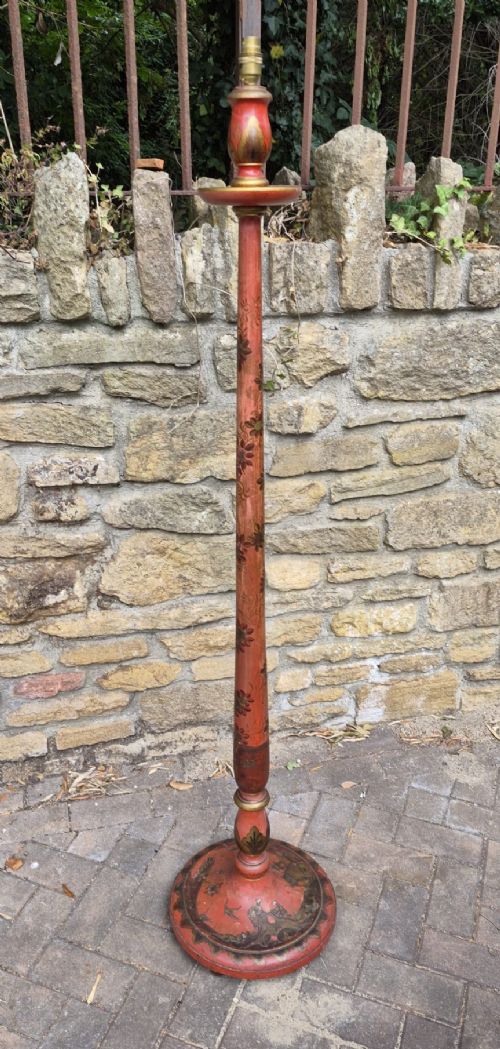
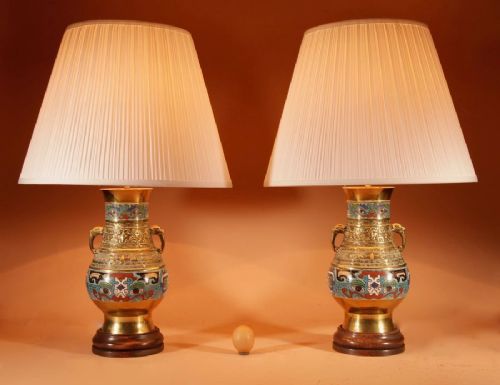
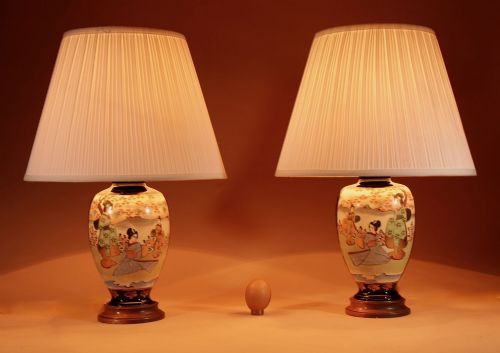
The most common versions met on this page include Chinoiserie lacquered standards, Japanese bronze or Satsuma vases adapted for electricity, and hand-painted Kashmiri table lamps. These pieces range from compact brush pot lamps to tall floor-standing fixtures created across the Edwardian era and the interwar decades.
How they were made
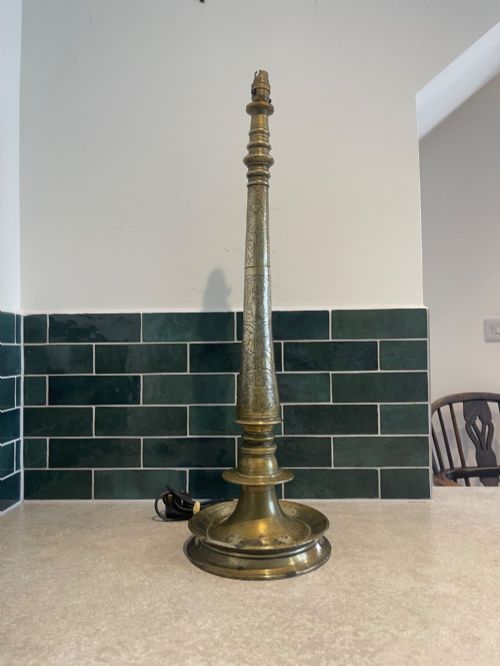
Materials span cast bronze, heavy brass, carved wood, papier-mâché, and porcelain decorated with enamel or cloisonné. Artisans employed traditional lacquer techniques, hand-painting, and intricate metalwork to surface the structures.
Many lighting pieces began as nineteenth-century vases, candlesticks, or carved root wood containers before later conversion into functional lamps.
Listings feature items spanning the 17th century to the 1930s, utilising materials such as bronze, porcelain, lacquer, and brass across Chinoiserie and Japanese Meiji styles.
What varies in quality
The standard of execution depends upon the precision of the hand-painted lacquer work, the depth of the bronze or brass chasing, and the integrity of the original vessel. Pieces retaining their early surface decoration and rich patination demonstrate superior craftsmanship.
Proportion and balance also distinguish finer standard lamps and table fixtures, particularly where converted ceramics or carved elements meet fitted electrical components.
The Vintage Oriental Light Glossary
- Chinoiserie
- European interpretation and imitation of Chinese artistic traditions and motifs, frequently applied to lacquered furniture and standard lamps. This style flourished during the eighteenth century and saw revivals in Edwardian design.
- Cloisonné
- Enamelling technique where thin metal wires form compartments on a bronze or copper base to hold coloured glass paste. Fired surfaces produce vibrant decorative patterns found on Japanese vases adapted as lamps.
- Satsuma
- Japanese earthenware pottery featuring a crackle glaze decorated with polychrome enamels and gilding. These distinct ceramic bodies frequently appear mounted as table lamps.
- Champlevé
- Enamelling method where troughs are scooped into a bronze or brass surface to receive coloured enamel before firing. This technique creates robust, patterned metalwork seen on nineteenth-century Japanese fixtures.
Vintage Oriental Light: Frequently Asked Questions
How do I wire a converted vase lamp?
Conversion involves running a cord through a drilled base or using a fitted brass collar that secures the bulb holder without damaging the antique ceramic.
Professional rewiring ensures the internal components meet contemporary safety standards while preserving the structural integrity of the original vessel.
What is a standard lamp?
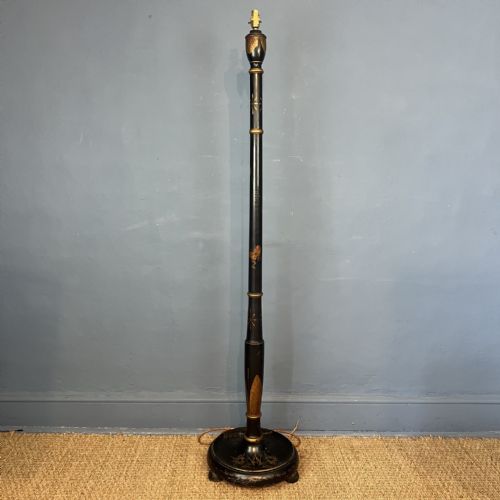
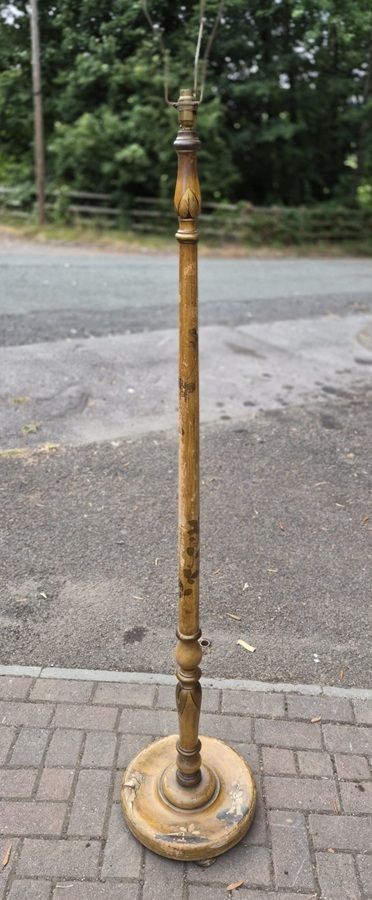
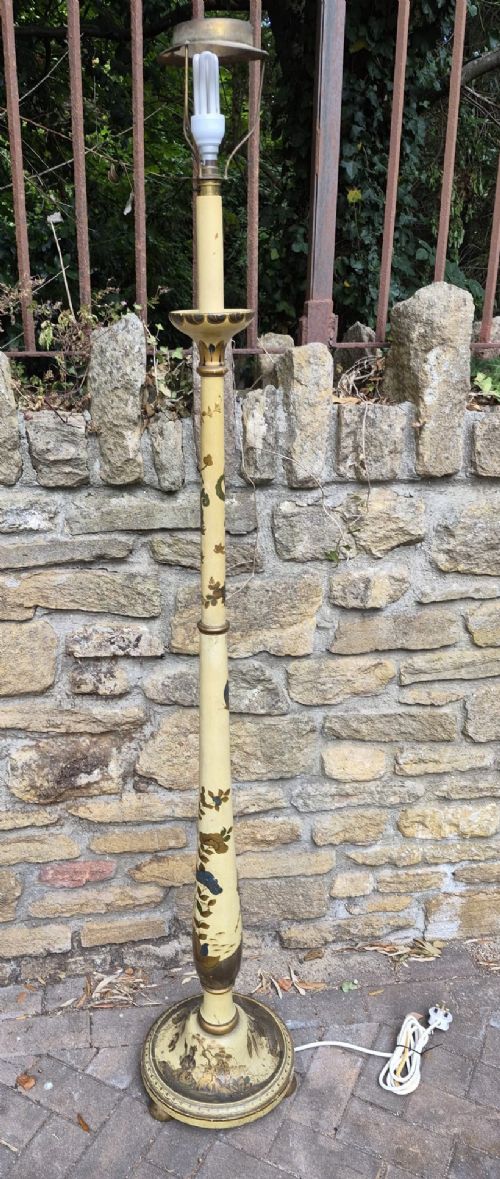
A standard lamp is a tall floor-standing lighting fixture designed to illuminate a room from an upright position.
These pieces often feature turned wooden shafts, Chinoiserie lacquer decoration, or heavy metal bases dating from the Edwardian period onwards.
How do I care for lacquered wood?
Lacquered surfaces require gentle dusting with a soft, dry cloth to prevent abrasion of the delicate hand-painted finish.
Keep these fixtures away from direct sunlight and fluctuating humidity to protect the original nineteenth or early twentieth-century surface.
Are these lamps original antiques?
The category includes period items such as nineteenth-century bronzes, Satsuma vases, and early twentieth-century standard lamps that have been adapted for modern lighting.
Many decorative objects and vessels were converted during their lifespan to serve functional roles in domestic interiors.