




Chinese Bronze Urn Lamp
A chinese bronze urn lamp brings heavy metal presence and rich patination to a room, offering both sculptural weight and soft illumination.
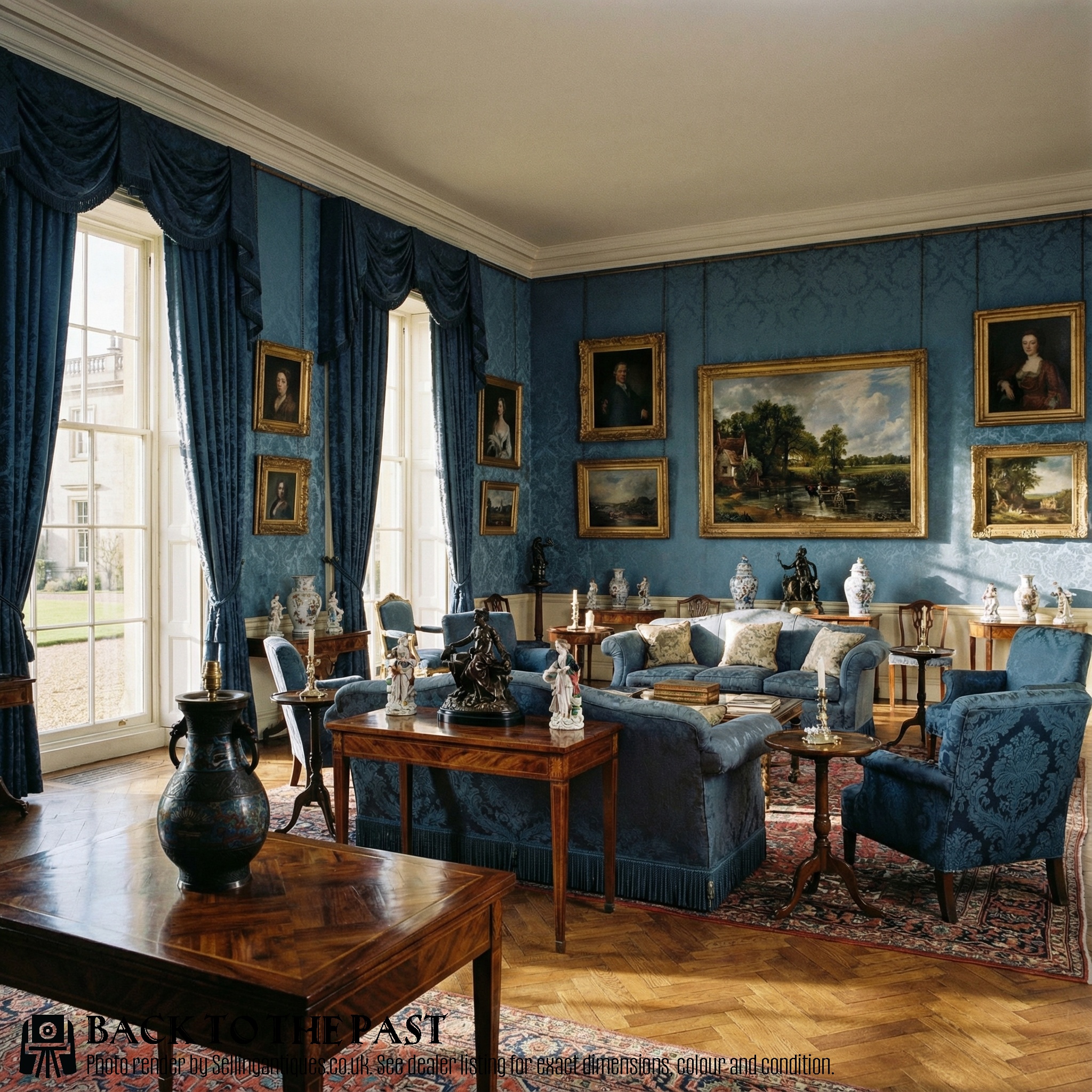
Chinese Bronze Urn Lamp
A chinese bronze urn lamp combines classical vessel forms with electrical adaptation, serving as a striking focal point on a table or sideboard. These pieces originate across several periods including the eighteenth century, nineteenth century, and nineteen thirty.
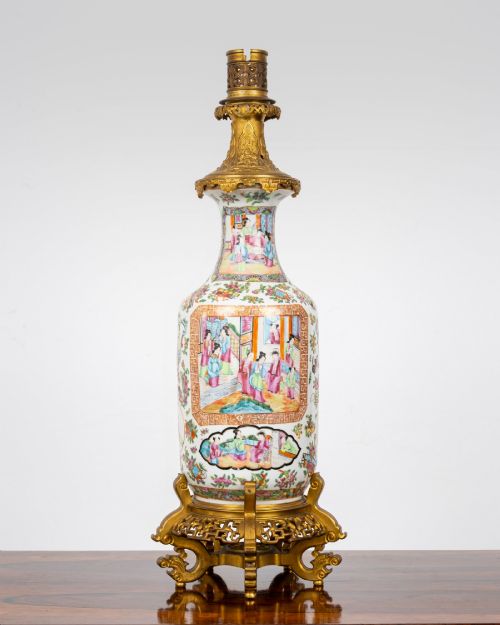
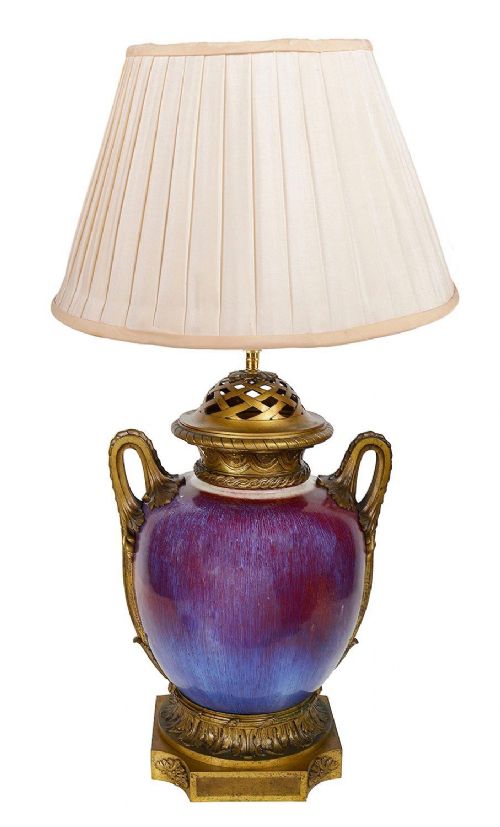
Most examples take the form of converted vases or urns, utilising materials such as bronze, gilt bronze, brass, and ormolu. Makers often integrated porcelain bodies, including powder blue, sang du bouf, and blue and white, alongside bronze mounts.
The aesthetic draws heavily on Chinoiserie, Chinese export, Chinese archaistic, and Qing dynasty traditions, creating pieces that bridge Eastern craftsmanship and Western domestic lighting. Buyers encounter various object types, primarily table lamps and vases adapted for wiring.
Manufacturing and Materials
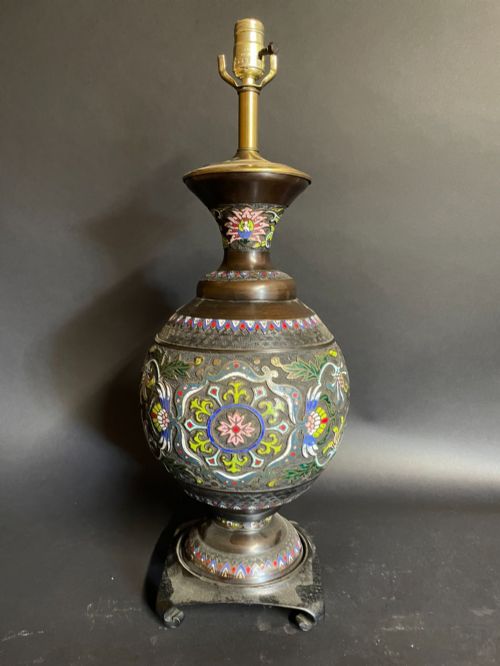
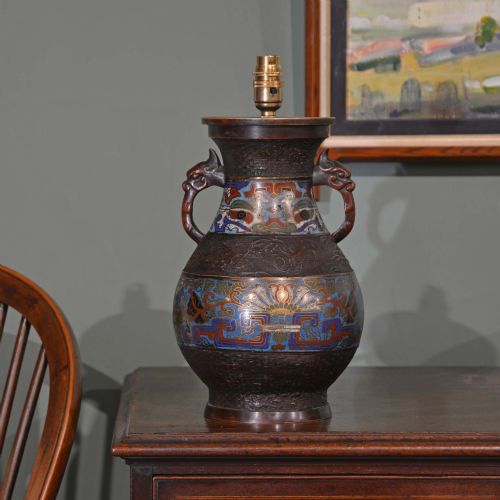
Craftsmen forged these bodies from heavy metals, employing bronze, brass, and ormolu to shape structural elements and decorative mounts. Gilding and patination techniques were applied to the metal surfaces to achieve depth and texture.
Ceramic components such as porcelain provided contrasting bodies, finished in rich glazes including powder blue and sang du bouf. Metal mounts were subsequently fitted around these ceramic or bronze vessels to secure the lamp fittings.
Some heavy bronzes started their careers purely admiring flowers before an electrician got ambitious with a drill.
Assessing Quality and Execution
Quality rests in the crispness of the metal casting and the richness of the applied patination or gilding on the bronze and ormolu. Finer examples display meticulous integration between the metal mounts and the central vessel.
The depth and uniformity of the ceramic glazes, such as powder blue or sang du bouf, distinguish superior pieces from standard production. Harmonious proportion between the urn body and the added mounts dictates the visual success of each lamp.
The Chinese Bronze Urn Lamp Glossary
- Ormolu
- Gilt bronze applied to decorative hardware and mounts. This technique provides a bright, durable gold-coloured finish on metal surfaces.
- Sang du bouf
- Ox-blood red ceramic glaze developed in Chinese kilns. The rich copper-based coloration varies in tone across the vessel body.
- Chinoiserie
- European decorative style reflecting Chinese artistic influences. Artisans applied these motifs to furniture, ceramics, and metalwork.
- Archaistic
- Design style emulating ancient ritual bronzes and vessels. This approach revives historic shapes and decorative patterns from early dynasties.
- Famille rose
- Palette of opaque overglaze enamel colours dominated by pink. This technique flourished during the Qing dynasty on porcelain.
Chinese Bronze Urn Lamp: Frequently Asked Questions
What is a chinese bronze urn lamp?
These pieces are decorative vessels, often vases or ritual forms, that have been wired for electricity to function as table lamps. They combine cast metal bodies with patinated surfaces and sometimes porcelain elements.
Originating across multiple centuries, they serve to bring historical form and ambient lighting into contemporary interiors.
How do I style these lamps?
Place them on heavy wooden sideboards, desks, or living room tables where their sculptural metalwork can anchor the space. Pair them with fabric shades that complement the tones of the bronze or the underlying porcelain glaze.
Keep surrounding decor restrained to let the rich patination and classical proportions remain the focal point of the room.
How are periods identified?
Dating relies on examining the casting techniques of the bronze mounts, the quality of the ormolu, and the characteristics of the ceramic glazes. Eighteenth-century and nineteenth-century pieces often display hand-finished details and specific stylistic nods to Qing dynasty or archaistic designs.
Later nineteenth-century and nineteen-thirty adaptations show different wiring channels and mounting styles that reflect the period of conversion.
Were these originally made as lamps?
Most examples started life as decorative vases, urns, or bronze vessels before being converted into lamps at a later date. This adaptation often involved drilling the base or fitting bespoke metal mounts to hold electrical components.
Makers preserved the original antique body while updating its function for modern domestic use.