

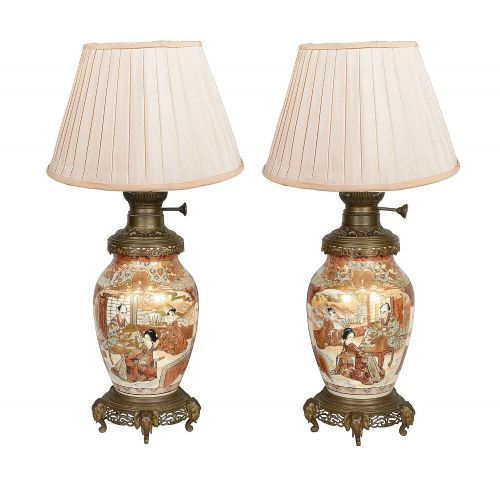


Asian Bronze Desk Lamp
An asian bronze desk lamp brings rich oriental craftsmanship to a workspace, combining cast metal form with period lighting.
Asian Bronze Desk Lamp
When searching for an asian bronze desk lamp, buyers encounter pieces originating from distinct cultural traditions spanning the Victorian era through the early twentieth century. The selection ranges from Japanese Meiji period castings to Chinese Chinoiserie and Qing dynasty designs adapted for illumination.
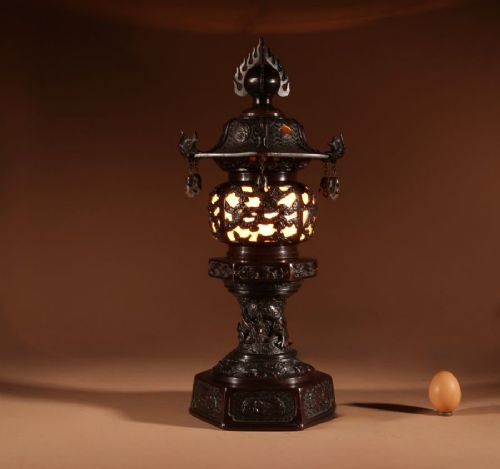
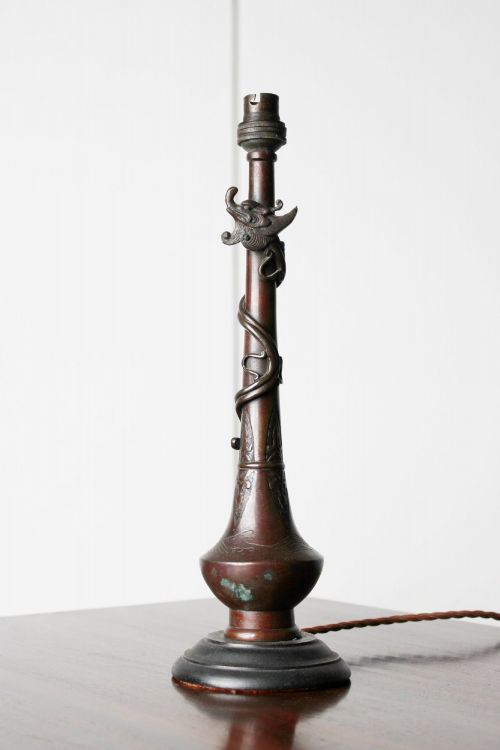
Table lamps dominate this category, frequently incorporating converted vases, lanterns, and figural sculptures depicting dragons or elephants. These items bridge decorative arts and practical desk accessories, utilising bronze alongside materials like earthenware and cloisonné enamel.
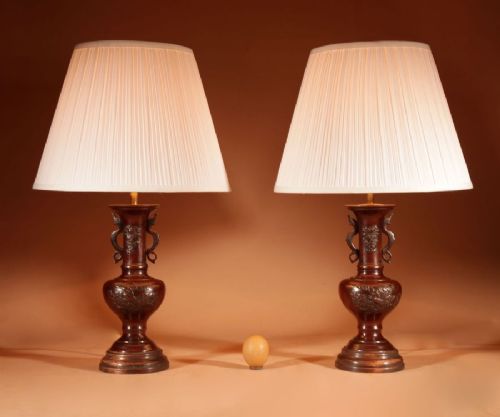
The most common examples on this page date from the nineteenth and early twentieth centuries, including Edwardian interpretations and pieces from the 1920s and 1930s. Buyers frequently discover pairs alongside single large lanterns, reflecting varied import histories and domestic conversions.
Manufacturing methods and materials
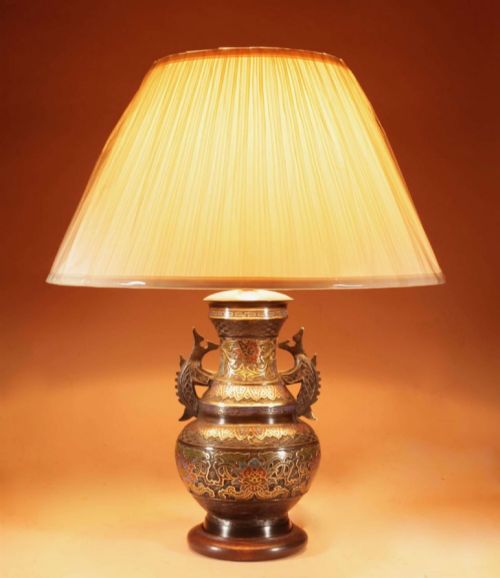
Metalworkers utilised bronze, gilt bronze, and brass to cast the structural bodies of these lamps, often employing traditional techniques seen in Japanese Meiji period and Chinese archaic metalwork. Surface decoration frequently incorporates champlevé and cloisonné enamel work to create intricate coloured patterns across the bronze ground.
Many lighting conversions integrate ceramics such as Satsuma, Celadon, and Arita Imari earthenware alongside wood bases and metal fittings. Shades in fabric, silk, and brass complement the heavy metal bases, completing the construction of each desk lamp.
Materials recorded across the inventory include bronze, brass, gilt bronze, champlevé, cloisonné, silk, fabric, and wood.
Determinants of quality
The distinction between standard production and superior examples rests upon the crispness of the bronze casting and the complexity of surface ornamentation. Finely chased dragon or elephant figures and detailed champlevé enamel work elevate a piece above simpler cast forms.
Material integration also dictates standard, particularly where original bronze works meet period ceramic bodies such as Satsuma or Celadon vases. Cohesive proportions between the heavy metal base and the overall lamp structure separate exceptional examples from basic conversions.
The Asian Bronze Desk Lamp Glossary
- Champlevé
- An enamelling technique where troughs are dug into the bronze surface and filled with vitreous enamel before firing. This method creates bold coloured patterns across the metal body.
- Meiji Period
- The era in Japanese history spanning from 1868 to 1912, noted for metalwork and decorative arts exported to Western markets. Pieces from this time often feature naturalistic motifs such as dragons and elephants.
- Cloisonné
- Enamelling work created by soldering wire compartments onto a bronze base and filling them with coloured paste. It produces intricate cellular designs across table lamps and vases.
- Archaistic
- A decorative style that deliberately imitates ancient Chinese ritual bronze forms and vessel shapes. Makers applied these classical motifs to later nineteenth-century lighting pieces.
- Satsuma
- A type of Japanese earthenware featuring a ivory-coloured cracked glaze decorated with enamel and gilt. These ceramic bodies frequently appear converted into desk lighting.
Asian Bronze Desk Lamp: Frequently Asked Questions
Are these lamps converted antiques?
Many examples began as decorative vases, temple lanterns, or bronze sculptures before receiving electrical fittings. This practice of conversion preserves historic oriental craftsmanship while adapting the objects for modern illumination.
Buyers should examine the wiring pathway and the integration of the lamp hardware with the original bronze or ceramic body. Such adaptations often occurred during the Victorian, Edwardian, or later twentieth-century periods.
How do I identify a Meiji period lamp?
Meiji period pieces date between 1868 and 1912, typically displaying highly detailed bronze casting and naturalistic subjects like dragons or elephants. The workmanship reflects the opening of Japanese trade and the specific artistic standards of that era.
These lamps often feature distinct patination and refined surface chiselling that separate them from later twentieth-century reproductions. Examining the weight and joinery of the bronze provides further clues to their origin.
What maintenance do bronze lamps require?
Bronze surfaces benefit from gentle dusting with a soft, dry cloth to prevent the accumulation of grit within recessed chasing. Avoid harsh chemical cleaners or abrasive polishes that can strip the historic patination.
Fabric and silk shades require separate care, often needing light brush attachment vacuuming. Ensuring the electrical components meet current safety standards is essential for daily desk use.
How do Chinese and Japanese styles differ?
Chinese pieces often incorporate cloisonné enamel, Celadon ceramics, or archaic vessel forms reflecting long dynastic traditions. Japanese examples from the Meiji period frequently showcase dynamic figural work, including dragons and elephants.
Recognising these aesthetic traits helps buyers distinguish between the various Asian origins represented in the selection. Each tradition utilises distinct casting and surface decoration techniques.