
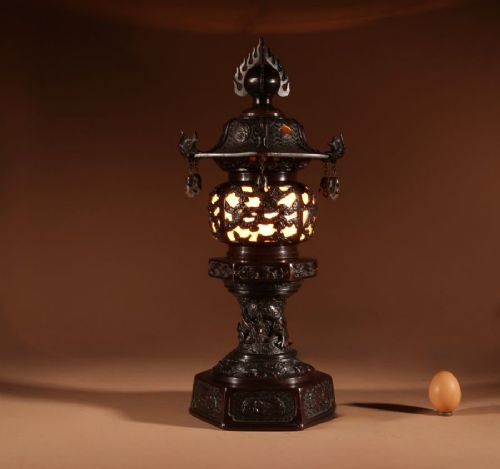
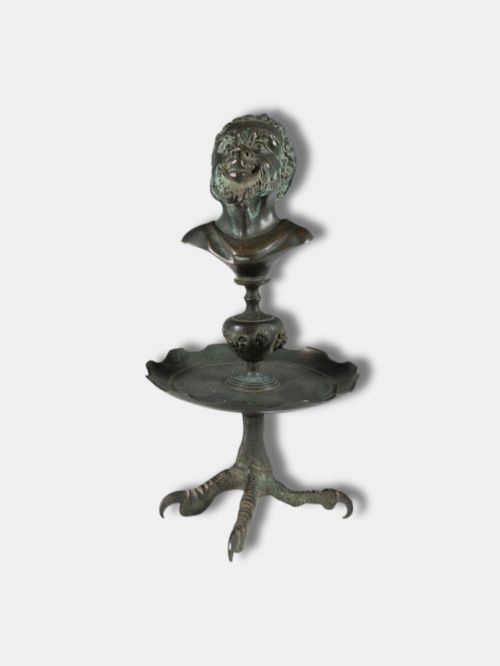

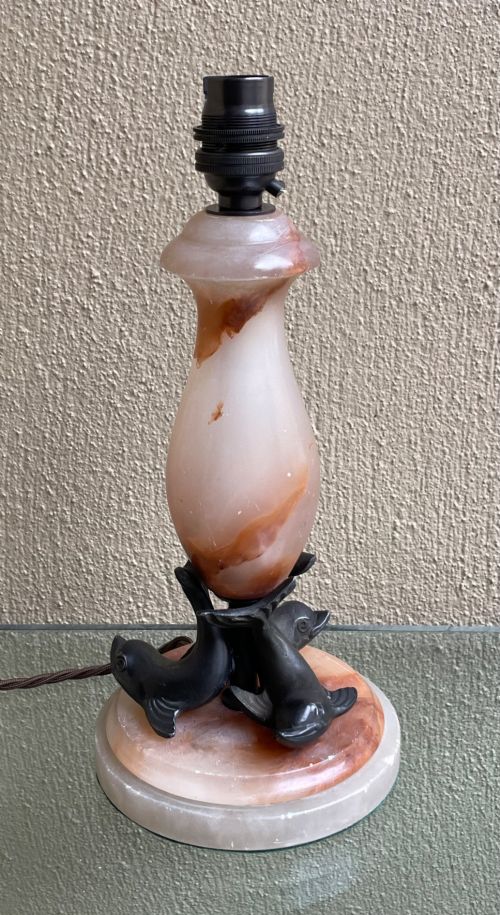
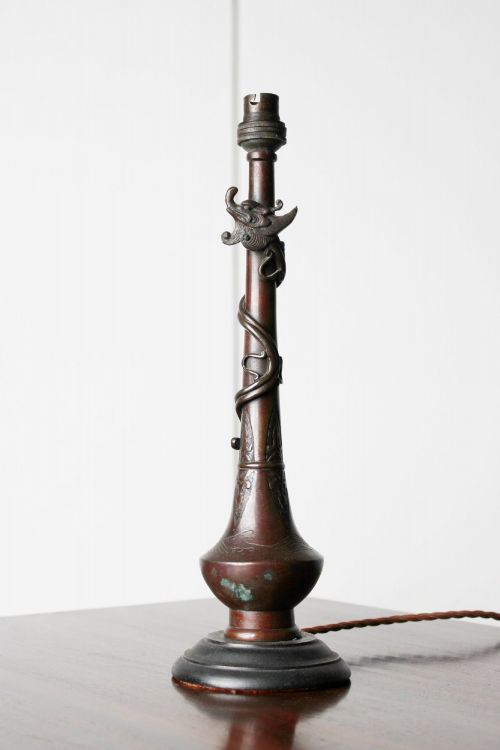


Patinated Bronze Desk Lamp
A patinated bronze desk lamp brings deep historical character and steady task illumination to a study through dark cast metal and classical form.
Patinated Bronze Desk Lamp
A patinated bronze desk lamp unites functional light with sculptural weight, drawing from centuries of metalworking traditions. When you search for a patinated bronze desk lamp, you encounter pieces that range from early nineteenth century Grand Tour oil conversions to sleek art deco silhouettes.
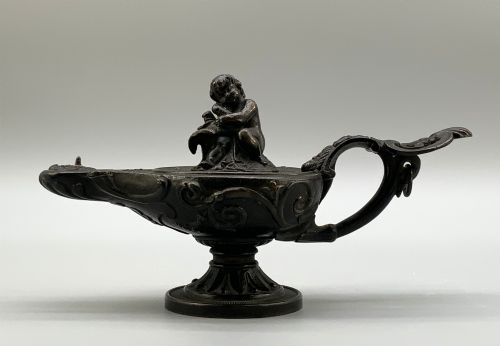
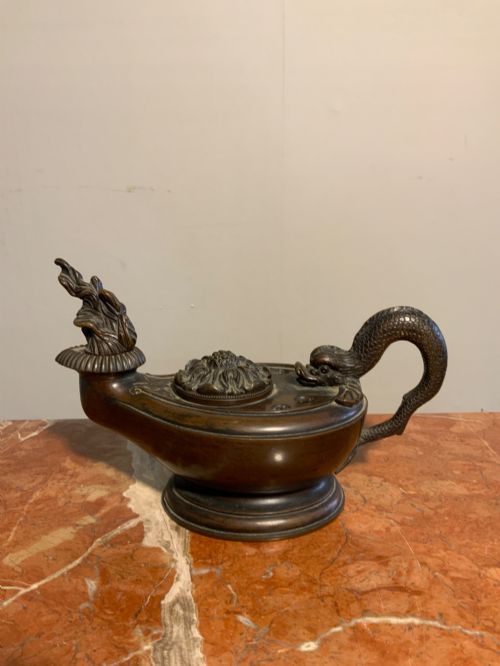
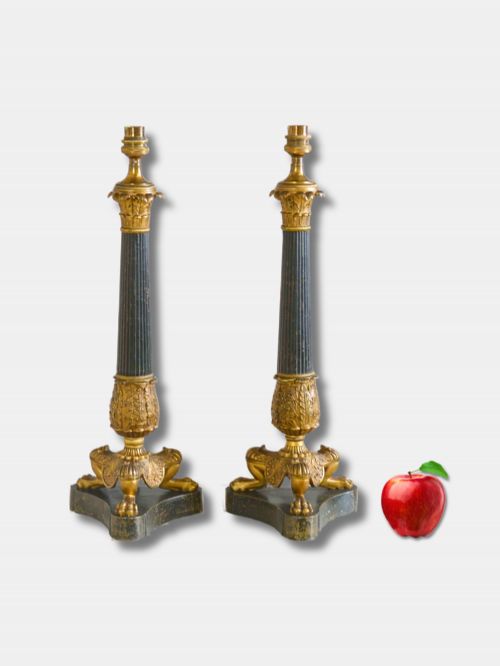
The selections on this page span diverse stylistic influences including French Empire, neoclassical, art nouveau, and Japanese Meiji period designs. Many examples originate as candlesticks, oil lamps, urns, or ewers subsequently adapted for electrical use.
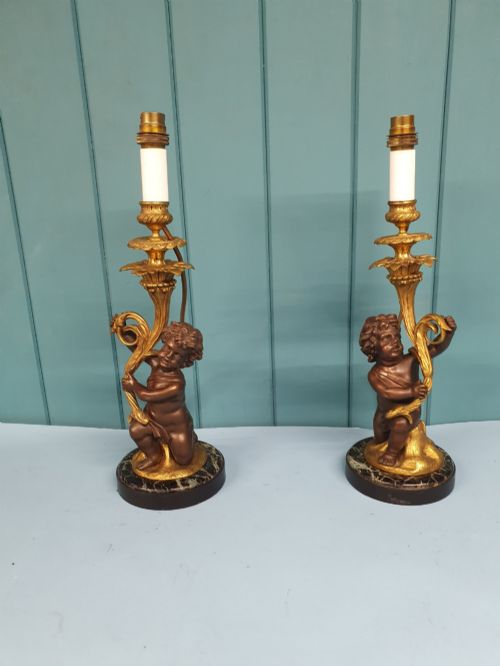
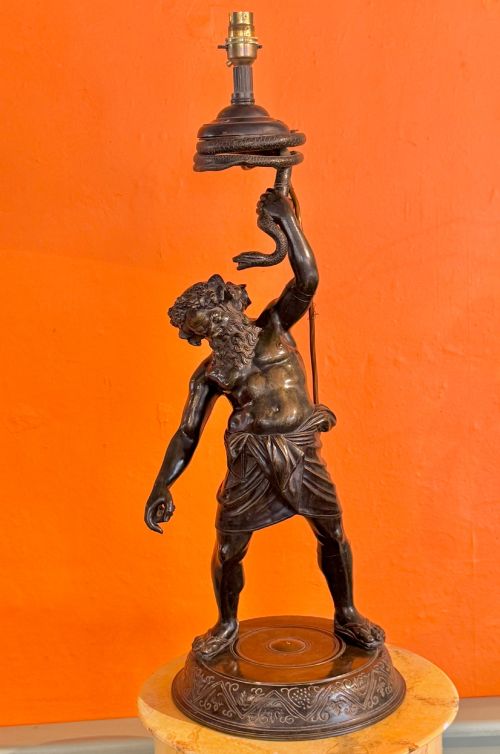
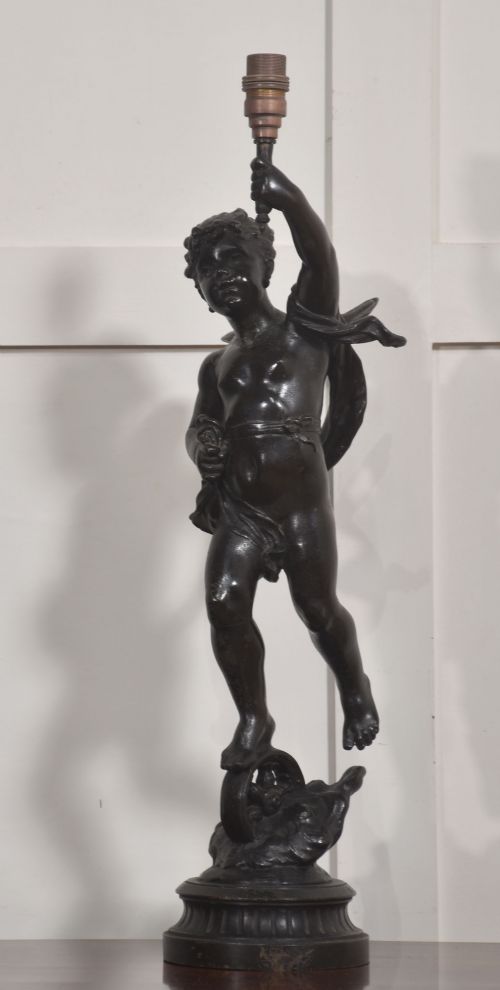
Table lamps and table lights dominate the forms, alongside figural subjects depicting cherubs, satyrs, and classical deities. These objects serve as substantial focal points on a writing desk or library table.
How They Were Made
Casting forms the foundational technique, utilising bronze, brass, or patinated metal poured into intricate moulds to achieve sharp figural detail and structural rigidity. Artisans often combine cast bronze with contrasting ormolu, gilt bronze, and marble elements to elevate the visual texture.
Surface treatments define the characteristic dark finish through controlled oxidation or applied patination, sometimes paired with fabric shades, glass cabochons, or alabaster components. Metalworkers finish the pieces by hand, chiselling and burnishing high-relief areas to create depth.
Listings feature 19th Century, Edwardian, and 1920s periods alongside materials including bronze, brass, ormolu, marble, and fabric.
What Varies in Quality
The sharpness of the cast ornament distinguishes standard production from superior examples, particularly in figural work where facial expressions and drapery folds remain crisp. High-quality pieces show meticulous hand-chasing on the bronze surface after casting, rather than relying solely on the raw mould.
The integration of secondary materials such as ormolu, marble bases, and glass cabochons reveals the maker's ambition and economic investment. A cohesive composition where every structural joint and decorative mount feels intentional separates an exceptional object from a routine conversion.
G. Amodio Naples·Georges Leleu·Wilhelm Wagenfeld·P.Sega·Adrien Gaudez·Tiffany Studios NYC
The Patinated Bronze Desk Lamp Glossary
- Patinated bronze
- Bronze that has been treated chemically or naturally to produce a darkened, aged surface finish. This finish protects the underlying metal while offering a subdued, non-reflective appearance.
- Ormolu
- Gilded bronze produced by applying a mercury and gold amalgam to the metal base and heating it until the mercury evaporates. This creates a brilliant golden layer popular in classical and empire furnishings.
- Grand tour
- A cultural journey undertaken by wealthy young Europeans in the eighteenth and nineteenth centuries to study classical antiquity. Items acquired on these travels often replicated ancient ruins or artefacts in bronze.
- Meiji period
- The era in Japanese history spanning from 1868 to 1912, characterised by industrialisation and increased export of fine metalwork. Pieces from this time often feature elaborate dragons, elephants, and flora.
- Ewer
- A large jug with a wide spout traditionally used for washing hands before conversion into a lamp base. These vessels provide a tall, balanced silhouette for desktop lighting.
Patinated Bronze Desk Lamp: Frequently Asked Questions
What is a patinated bronze desk lamp?
A patinated bronze desk lamp is a lighting fixture constructed from cast bronze with an aged or darkened surface finish. These items often originate as oil lamps, candlesticks, or decorative urns from the nineteenth and early twentieth centuries.
Craftsmen adapt these antique metal bodies to hold electrical fittings while preserving their sculptural integrity. They provide directional illumination while functioning as prominent decorative art on a working surface.
How do I date a bronze lamp?
Dating a bronze lamp involves examining the casting technique, stylistic markers, and the nature of any later electrical conversions. Nineteenth-century pieces frequently display neoclassical, empire, or grand tour motifs with hand-chased surface details.
Later pieces from the 1920s and 1930s adopt art deco geometries or simpler architectural lines. The wiring methods and hardware components also help establish whether an adaptation occurred during the gas-to-electric transition or later.
Were these lamps originally electric?
Most antique bronze lamps on this page began life as oil lamps, candlesticks, ewers, inkwells, or architectural columns. They were converted to electricity during the twentieth century as households abandoned oil and gas lighting.
This conversion process preserves the antique metal body while updating the internal core for modern use. Collectors value the retention of the original patination and mountings despite the electrical update.
How do I care for patinated bronze?
Care for patinated bronze requires gentle dusting with a soft, dry cloth to prevent the accumulation of grit in recessed details. Avoid abrasive cleaners, polishes, or harsh chemicals that can strip away the historical surface oxidation.
Keep the metal away from excessive moisture and direct heat sources to preserve the stability of the finish. Periodic light waxing can protect the surface if recommended for the specific type of patination.