


1920s Bronze Table Light
A 1920s bronze table light brings period illumination to a room, cast in durable metal and styled in the height of the interwar decorative arts.
1920s Bronze Table Light
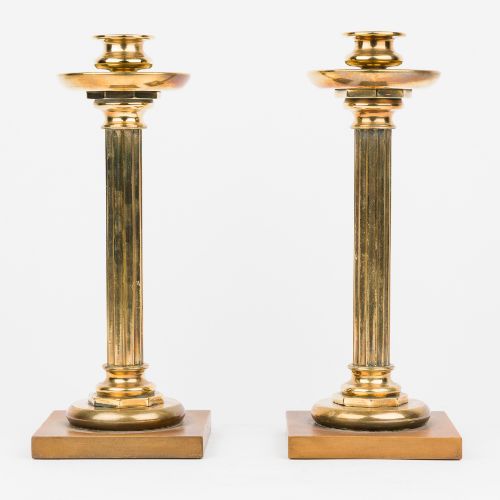
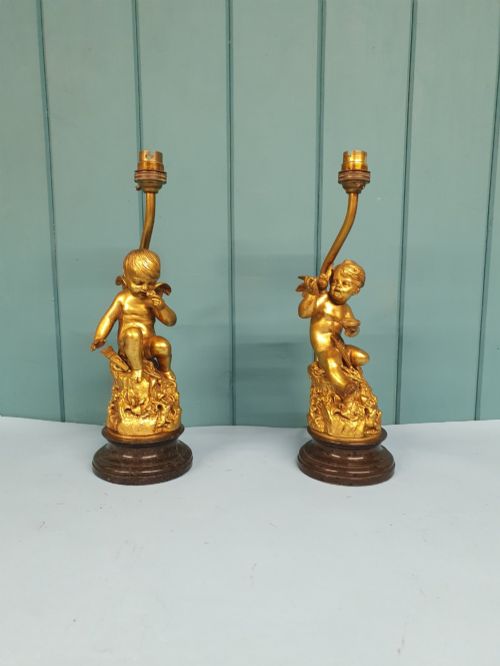
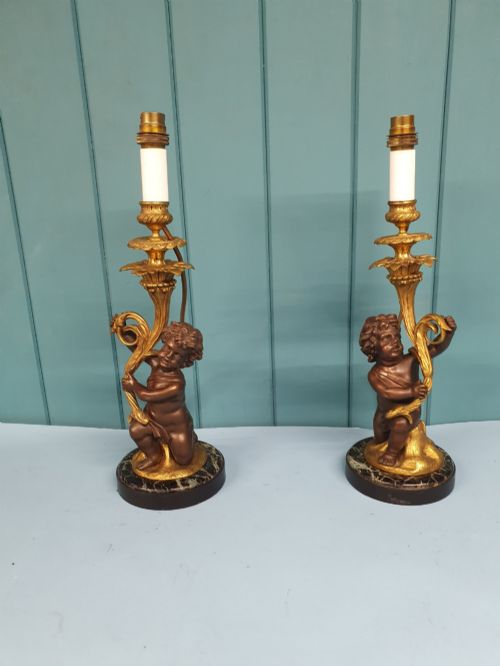
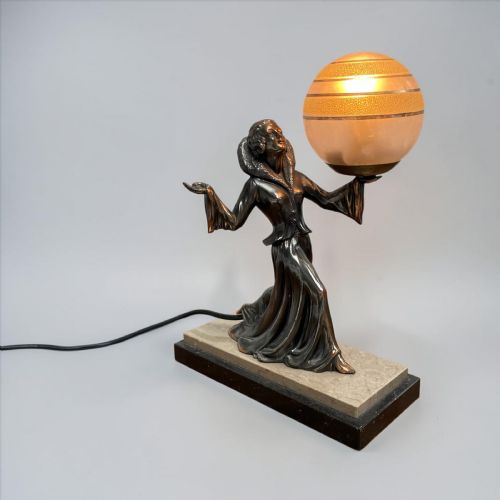
A 1920s bronze table light encompasses desk lamps, figural pieces, and night lights originating from the 1920 and 1930 periods. You will regularly encounter figures of ladies, cherubs, and animals mounted alongside the primary illumination.
The aesthetic spans Art Deco, Bauhaus, and French Rococo Revival styles, showing how diverse interwar design remained. Many examples incorporate glass shades or marble bases to complete the composition.
Among the selection, figural table lamps featuring bronze figures and night lights depicting birds or children appear frequently. These objects combine functional lighting with sculptural qualities characteristic of the era.
How they were made
Makers utilised bronze, gilt brass, and patinated metal for the structural bodies, often shaping them through casting. Cold painting was applied to particular figural subjects to add surface colour.
Marble served as a substantial foundation for bronze figures, while frosted glass and clear glass formed shades and panels. Metal mounts and fittings completed the assembly of these domestic fixtures.
The documented periods span the years 1920 and 1930, capturing the shift from early revivalism to mature Art Deco and Bauhaus design.
What varies in quality
The refinement of the casting and the detail in figural elements distinguish better examples from standard production. Sculptural subjects by known modellers carry distinct artistic merit.
The harmony of mixed materials, such as the fit between bronze figures and marble bases, demonstrates the care taken during manufacture. Surface patination and the original quality of cold painting alter the visual depth of the piece.
Bruno Zach·Hennes France
The 1920s Bronze Table Light Glossary
- Bronze
- A copper alloy traditionally utilised for durable casting in sculptural bases and figural mounts. It provides a heavy and stable foundation for table lighting.
- Art Deco
- A dominant design style of the interwar period characterised by streamlined forms and geometric influences. It often appears in the structural lines of 1930 lamps.
- Cold Painted
- A technique where pigment is applied to metal without subsequent high-temperature firing. This finish appears on figural bronze subjects from the era.
- Patinated Metal
- Metal treated to produce a decorative surface finish through oxidation or chemical agents. It alters the initial bright metallic appearance to deeper tones.
1920s Bronze Table Light: Frequently Asked Questions
What styles define a 1920s bronze table light?
The aesthetic encompasses Art Deco geometry, Bauhaus minimalism, and ornate French Rococo Revival motifs.
These varied approaches reflect the design transitions occurring across the decade.
What materials accompany the bronze structure?
Makers frequently paired bronze with marble bases and frosted or clear glass shades.
Patinated metal and gilt brass also appear across the available selection of table lighting.
How were figural lamps designed?
Figures of ladies, cherubs, boys, and animals form the primary sculptural element of many interwar table lights.
These subjects are cast in metal and cold painted to enhance the visual narrative.
How do night lights differ from table lamps?
Night lights generally provide softer, lower-level illumination suited for bedrooms and smaller spaces.
They often feature compact figural groups such as birds in flight or children with animals.