




Neapolitan Bronze Sculpture
Neapolitan bronze sculpture captures classical antiquity and southern Italian life through tactile metalwork shaped by nineteenth-century foundry traditions.
Neapolitan Bronze Sculpture
When you search for neapolitan bronze sculpture, you encounter works that span the nineteenth century and stretch into the early twentieth century. These pieces encompass grand tour souvenirs, figures after the antique, and realist depictions of local subjects.
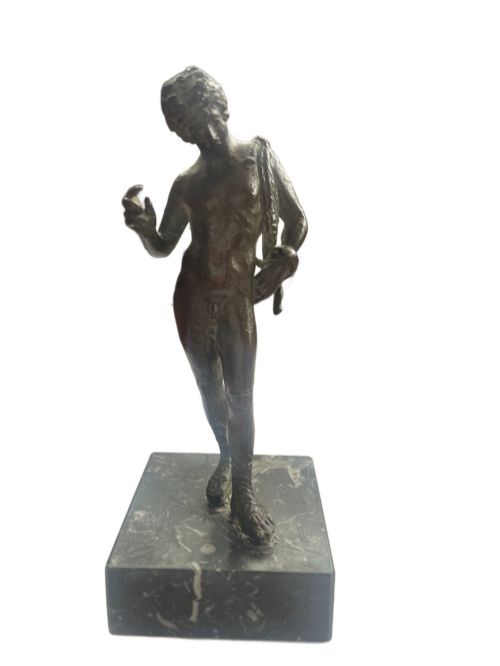
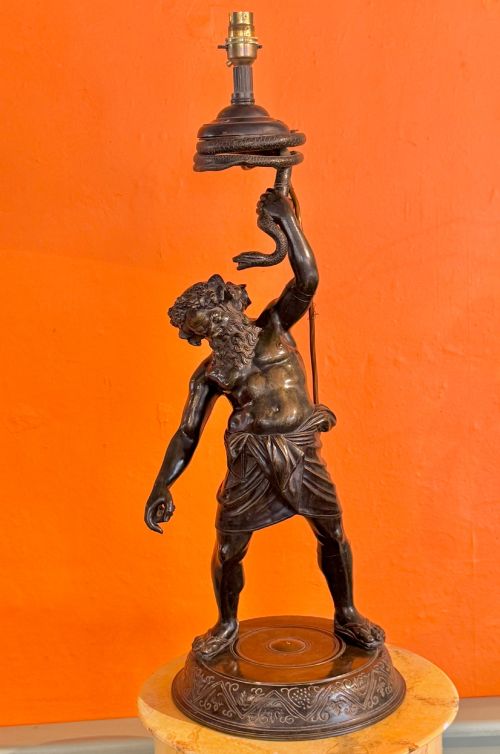
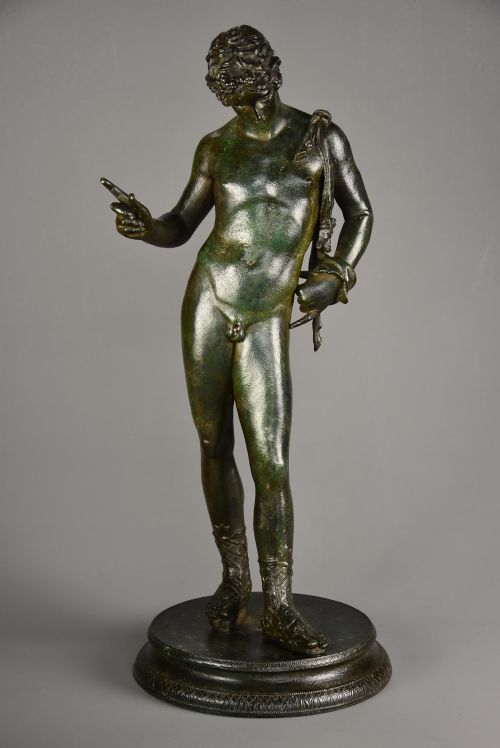
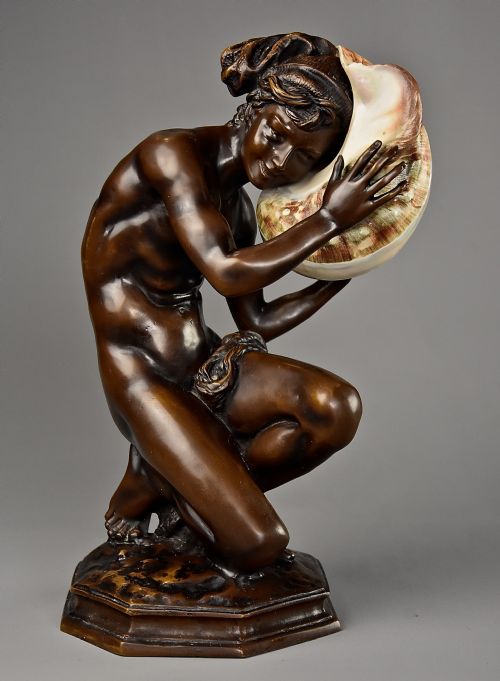
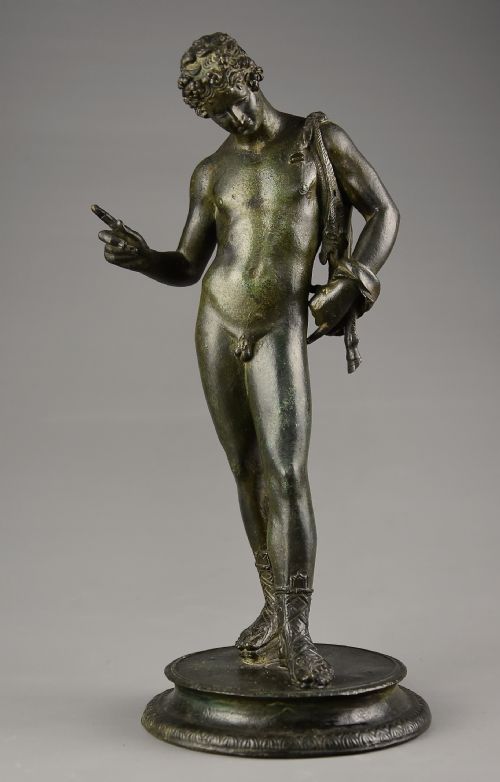
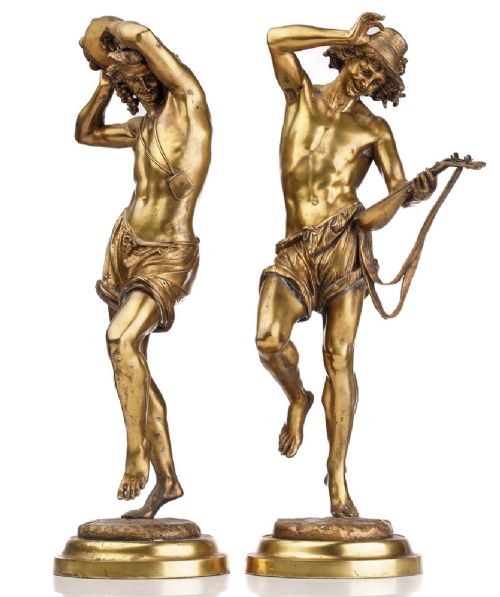
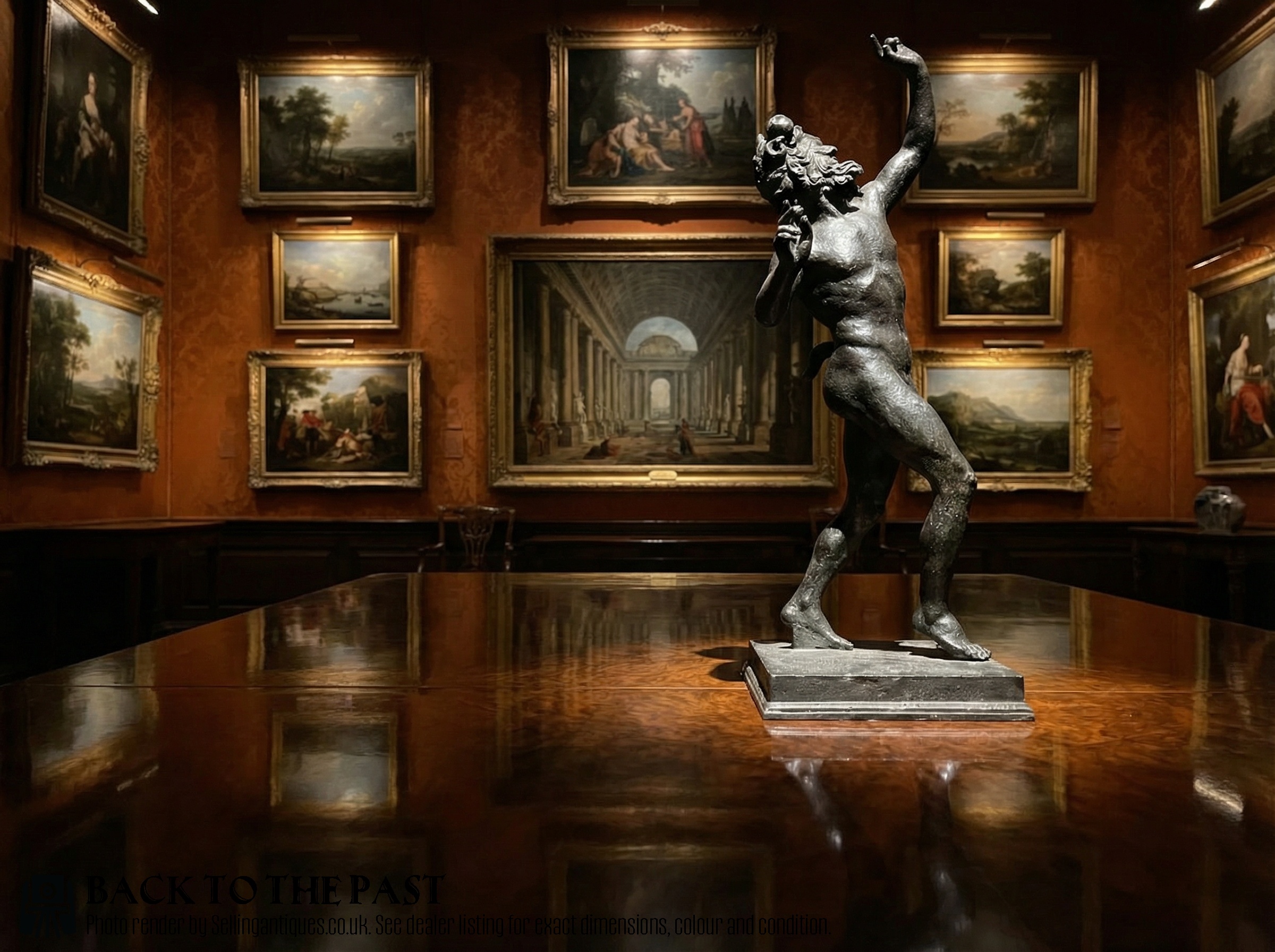
The objects take several distinct forms on this page, ranging from standalone statues and figurines to functional table lamps. Figures of mythological subjects like Narcissus, Bacchus, and the dancing faun appear frequently alongside genre studies of fisher boys and musicians.
Originating largely from Italian and French workshops, these sculptures reflect both the classical inheritance of Pompeii and the academic realism of the period. Collectors encounter subjects modeled after ancient statuary as well as original compositions by named makers working in Naples and beyond.
Materials and Casting Methods
The pieces rely on bronze as the primary medium, frequently finished with patinations that range from dark green tones to warm highlights. Gilt bronze also appears in specific sculptural pairs.
Bases frequently incorporate marble or fossil marble to anchor the metal figures securely. Brass components are utilised in functional adaptations such as table lamps.
Ancient youths and dancing fauns share shelf space with lutenists and tambourine players.
Judging Quality
Quality rests in the crispness of the casting and the sensitivity of the subsequent chasing work. Detail in the facial expressions, musculature, and drapery separates finer examples from more routine souvenir pieces.
The richness and depth of the patination contribute significantly to the visual weight of a piece. Base materials also matter, with substantial fossil marble mounts adding presence to grand tour figures.
G Amodio Naples·Giuseppe Renda·Vincenzo Gemito·Albert Ernest Carrier Belleuse·Francisque Joseph Duret·Michele Amodio
The Neapolitan Bronze Sculpture Glossary
- Grand Tour
- A cultural journey undertaken by wealthy young Europeans to see the classical antiquities of Italy. Souvenirs from these trips often included bronze reductions of famous ancient statues.
- Patinated Bronze
- Metal treated with chemicals to produce a specific surface colour or aged finish. Dark green patinations are typical of nineteenth-century classical figures.
- Gilt Bronze
- Metal coated with a thin layer of gold using mercury amalgamation or electroplating. This technique highlights decorative details on figures and ornamental objects.
- Fossil Marble
- Limestone containing distinct organic fossils, frequently cut and polished for use as sculptural bases. It provides a heavy, decorative footing for bronze statuary.
- After the Antique
- A descriptor for artworks copied or adapted from ancient Greek and Roman prototypes. These reproductions formed a staple of nineteenth-century production.
Neapolitan Bronze Sculpture: Frequently Asked Questions
What is a grand tour bronze?
Grand tour bronzes are nineteenth-century souvenir sculptures produced in Italy and France for travellers visiting classical sites. They typically replicate famous ancient statues discovered at Pompeii or Rome.
These pieces allowed collectors to bring classical antiquity and Italian craftsmanship back into their nineteenth-century homes.
How do I identify a fisher boy figure?
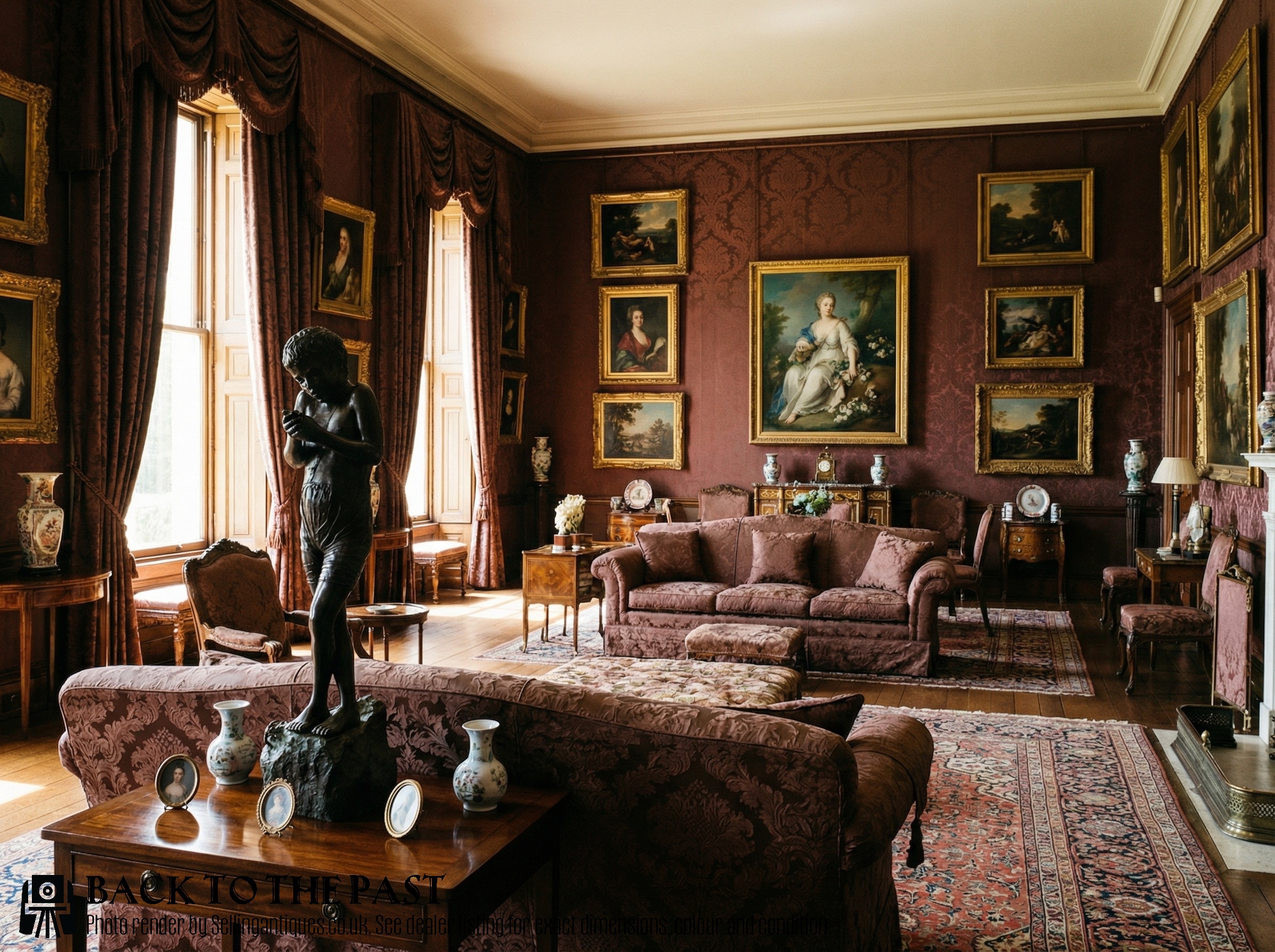
Fisher boy figures depict youthful locals in realistic nineteenth-century poses, often standing on rock bases. They reflect the realist interest in everyday southern Italian life.
Unlike mythological subjects modelled after ancient statues, these genre figures capture contemporary character studies.
What materials support these sculptures?
Many figures are mounted upon heavy bases made from marble or fossil marble to provide stability. Brass parts occasionally appear in pieces adapted as table lamps.
The metal itself is primarily cast bronze, finished with various patinations or occasionally gilt surfaces.
Are these pieces signed by makers?
Some sculptures bear the names of notable nineteenth-century artists or foundry signatures such as Amodio or Gemito. Others remain unsigned as typical workshop souvenirs of the period.
Signatures help attribute works to specific Neapolitan or French ateliers active during the eighteen-eighties and nineties.