


Brass Globe Desk Light
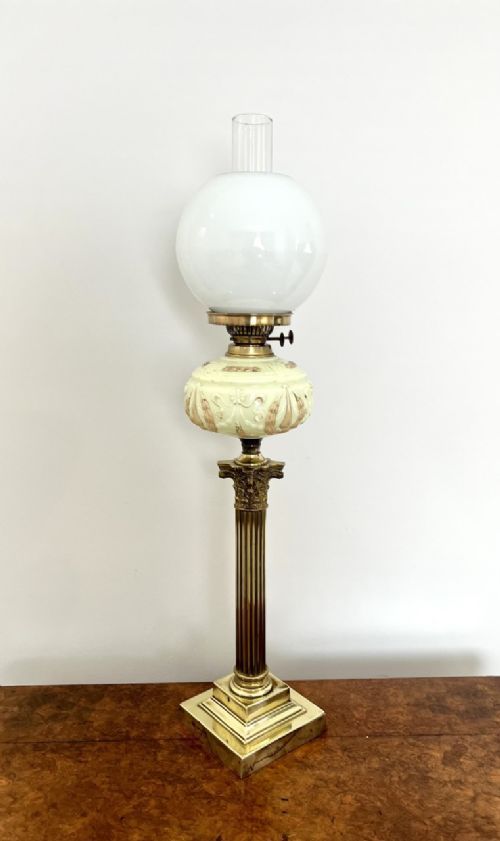
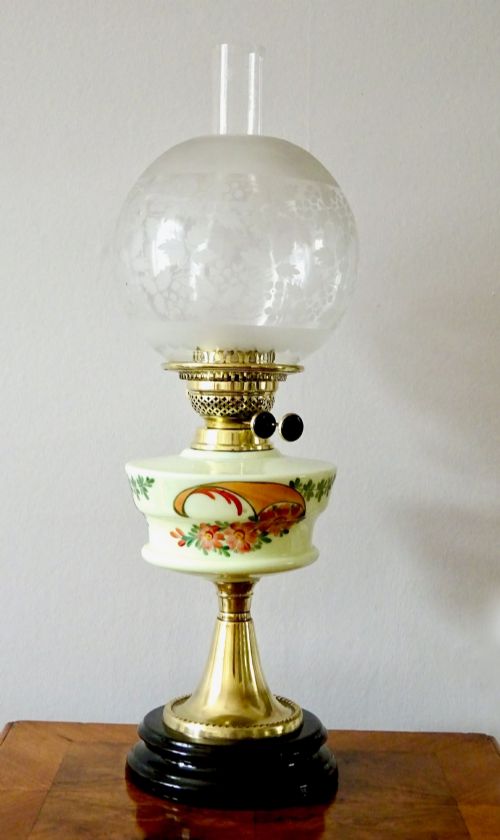
A brass globe desk light brings focused character to a study, built from heavy brass and milk glass.
Brass Globe Desk Light
A brass globe desk light provides an adjustable source of illumination using a spherical shade mounted to a metal stand. You meet these pieces in Victorian, Edwardian, and Art Deco styles, often originating from British and French workshops.
The form adapts traditional oil lamps and night lights into electric table lamps. Most examples combine a brass body with opaline glass or milk glass globes, creating a diffused glow suited for a desk or table.
The selection ranges from early nineteenth century bronze models to later twentieth century variations. Formats include converted oil lamps alongside dedicated table lamps featuring ceramic and marble elements.
How they were made
The construction relies on cast and turned brass, often paired with bronze or marble for stability. Metalwork is shaped by hand or lathe, creating weighted bases that support the upper shade fittings.
Globes are formed from blown opaline glass, milk glass, or terrestrial glass, sometimes decorated with enamel. Ceramic and faience components appear as glazed body sections, while ebonised wood provides contrasting detail on specific stands.
Listings feature brass, opaline glass, and bronze across Victorian, Edwardian, and Art Deco periods.
What varies in quality
The distinction between tiers rests on the weight of the metal casting and the crispness of the turned brass details. Heavier bronze and thick marble bases show superior material selection compared to lighter stamped assemblies.
Glass quality separates standard shades from finer examples, with even opaline distribution and clean thermal edges indicating better manufacture. Maker stamps, such as Gaggenau or Messenger attributions, mark higher workshop standards.
The Brass Globe Desk Light Glossary
- Opaline glass
- A pale, translucent glass created by adding bone ash or opacifiers to the melt. This material diffuses light evenly without complete transparency.
- Pricket lamp
- A candlestick or lamp featuring a central metal spike to secure the candle or fitting. This form derives from ecclesiastical lighting traditions.
- Faience
- Tin-glazed earthenware decorated with opaque colours before firing. It offers a smooth surface frequently used in decorative lamp bodies.
- Ebonised wood
- Timber treated with a dark stain or finish to imitate ebony. It provides a dense black contrast against polished brass fittings.
Brass Globe Desk Light: Frequently Asked Questions
What is a brass globe desk light?
A brass globe desk light is a task or ambient lamp featuring a spherical glass shade mounted on a brass or bronze stand. These pieces draw on Victorian and Edwardian oil lamp designs.
Many examples originate as period oil lamps subsequently converted for electrical use. The combination of brass and white glass creates a classic desk accessory.
How do I date a brass globe desk light?
Dating relies on examining the materials, manufacturing marks, and styling clues present in the metal and glass. Victorian and Edwardian pieces show heavy cast brass and hand-blown opaline shades.
Art Deco and later 1930s examples often introduce granite bases, mottled glass, or streamlined geometric forms. Maker stamps on the metal work also help establish the decade of production.
Were these always electric lamps?
Most older examples started life as oil lamps or night lights before being adapted for modern electricity. Conversion work preserves the decorative metal and glass components while updating the internal wiring.
Some nineteenth century pieces retain burners or pricket fittings alongside their original glass globes. This history of adaptation is standard for antique desk lighting.
How do I clean brass and glass lamps?
Cleaning requires mild soap and warm water for glass shades to preserve the internal opaline finish. A soft cloth prevents scratching on blown glass surfaces.
Brass and bronze components should be dusted gently without harsh metal polishes that remove period patina. Preserving the natural surface age maintains the character of the metal.