


Dark Bronze Reading Light
These dark bronze reading light pieces offer functional illumination with timeless form, bringing practical warmth and character to any study or corner.
Dark Bronze Reading Light
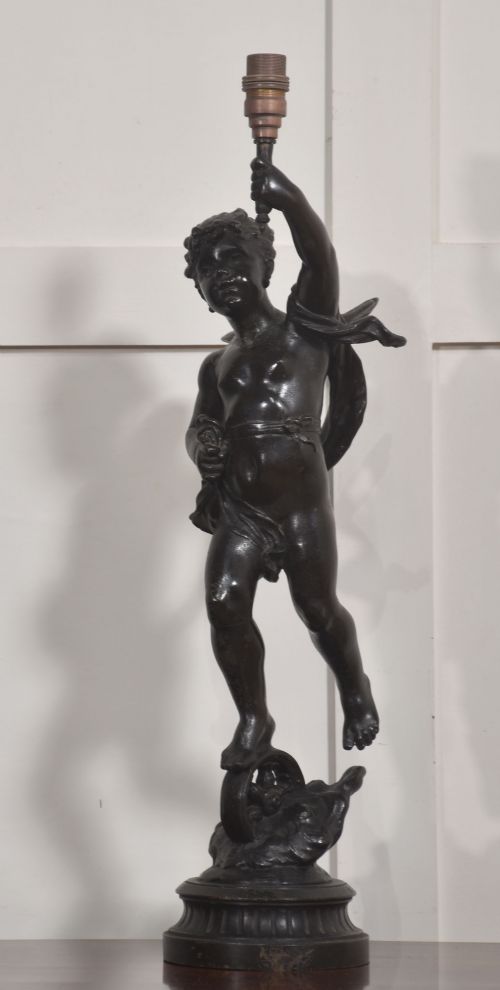
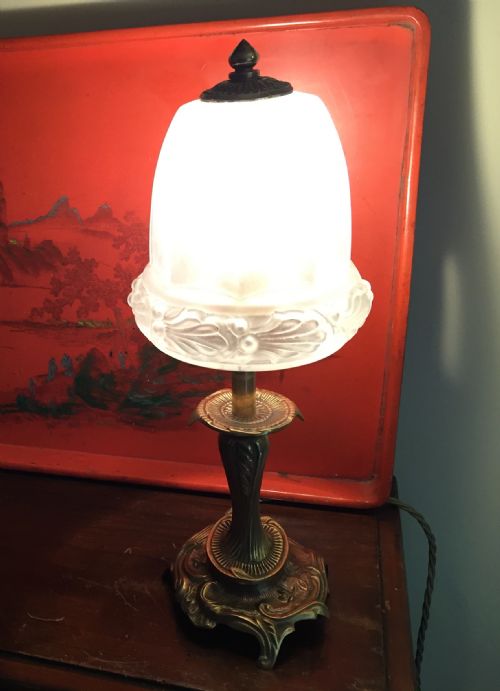
A dark bronze reading light provides focused task lighting while serving as a substantial decorative object in a room. When exploring a dark bronze reading light, you encounter formats spanning table lamps, floor lamps, and desk lamps.
The selections here showcase influences from the nineteenth century through to the mid-twentieth century, capturing periods such as the Edwardian era, Art Nouveau, and Art Deco. Table lamps and adjustable floor standards dominate the current spread.
Origins stretch across European workshops, taking in French Neoclassical, Swedish Neoclassical, and Jugendstil aesthetics. Each piece relies on cast metalwork and patinated finishes to achieve its distinctive dark tone.
Materials and construction
Master craftsmen shaped these lamps primarily using bronze, brass, and patinated metal, often complemented by cast iron, spelter, and ormolu. Fabric shades and frosted glass elements frequently complete the construction, diffusing the light effectively.
Foundries utilised traditional casting methods to produce detailed figures, fluted columns, and adjustable standards. Surface patination was carefully applied to the metal to create rich, dark finishes that deepen in character over time.
Current listings span the nineteenth century to the twentieth century, incorporating materials like bronze, brass, ormolu, and frosted glass.
Assessing quality and craftsmanship
Superior examples distinguish themselves through crispness of cast detail and the depth of the patination applied to the metal. Finer pieces demonstrate careful proportion and balance, whether configured as a tall floor standard or a compact desk lamp.
The integration of secondary materials, such as gilded ormolu accents or carved marble bases, marks the distinction between standard production and higher workshop output. Mechanical adjustments on standard lamps operate with greater precision on superior builds.
The Dark Bronze Reading Light Glossary
- Patinated metal
- Metal treated with chemical solutions or heat to produce a dark, protective, or decorative surface finish. This process highlights the contours of the casting.
- Ormolu
- Gilded bronze produced by applying a mixture of mercury and gold leaf to a base metal. It provides bright contrast against dark bronze components.
- Spelter
- A zinc alloy commonly utilised as a cheaper alternative to bronze for decorative cast figures. It takes patination well to mimic heavier metals.
- Jugendstil
- The German variant of Art Nouveau, characterised by flowing organic lines and natural motifs. It heavily influenced lighting design at the turn of the twentieth century.
Dark Bronze Reading Light: Frequently Asked Questions
Where should I place a dark bronze reading light?
These lamps suit studies, libraries, and bedside tables where focused task illumination is required. Their rich metallic tones also anchor corners in living rooms.
Position them near armchairs or desks to make full use of their adjustable standards or directional shades.
How do I clean dark bronze?
Dust the surface gently with a soft, dry cloth to prevent grime accumulation. Avoid harsh chemical cleaners that might strip the patinated finish.
Preserving the original surface texture maintains the historical character and visual depth of the metal.
Can I replace the shade on these lamps?
Shades can generally be updated or replaced provided the fitting matches the original collar or harp assembly. Fabric and glass options appear across the period selection.
Ensure any replacement shade matches the proportional scale of the heavy bronze base.
How do I identify an Edwardian reading light?
Edwardian pieces often feature adjustable standards and simpler classical lines compared to earlier ornate Victorian designs. They prioritise utility alongside restrained decorative motifs.
Look for functional brass or bronzed mechanisms designed for ease of movement in domestic spaces.