



Asian Bronze Light
An asian bronze light brings sculptural weight and patinated depth to a room, drawing the eye with cast metal and converted vessels.
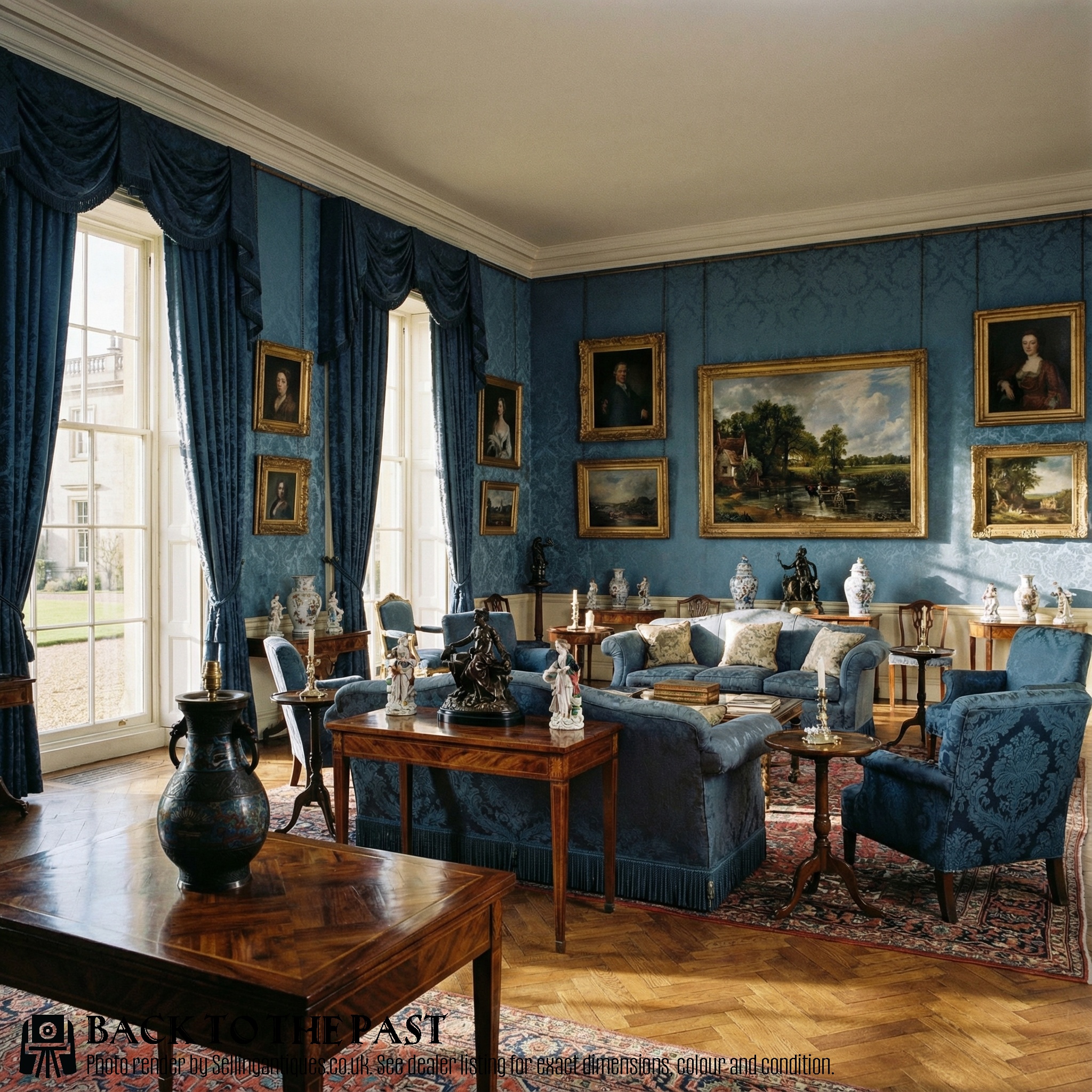
Asian Bronze Light
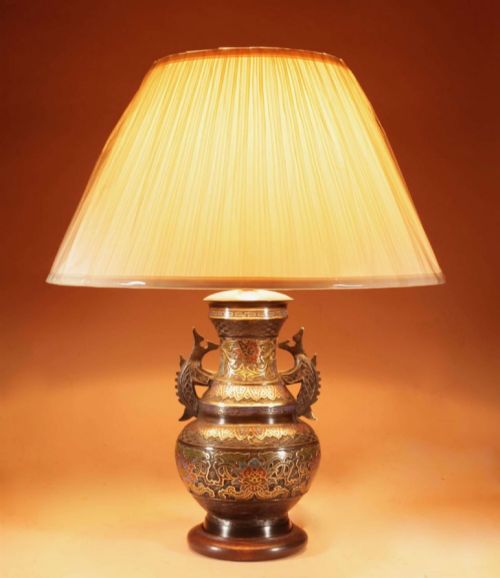
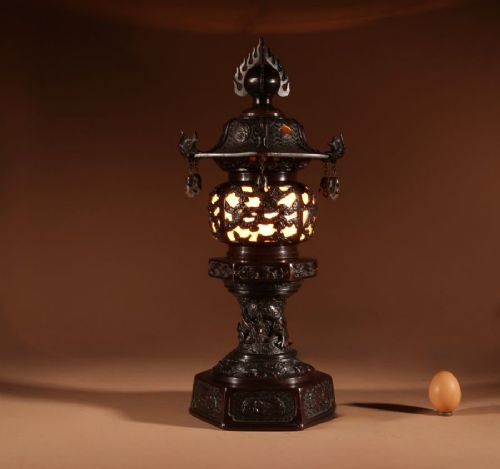
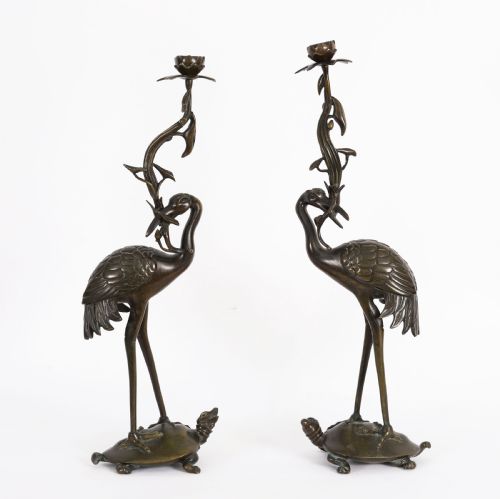
When you search for an asian bronze light, you encounter table lamps, candlesticks, and hanging lanterns drawn from nineteenth-century Japanese and Chinese traditions. These pieces often originate as temple vessels, vases, or pricket candlesticks that later undergo conversion into electrical fittings.
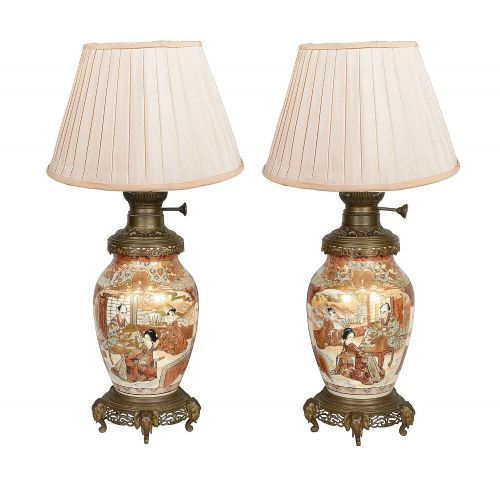
The most common examples on this page date from the Victorian, Edwardian, and Meiji periods, utilising bronze alongside brass, gilt bronze, and enamel. Makers frequently incorporated Satsuma, celadon porcelain, and cloisonné components into the final design.
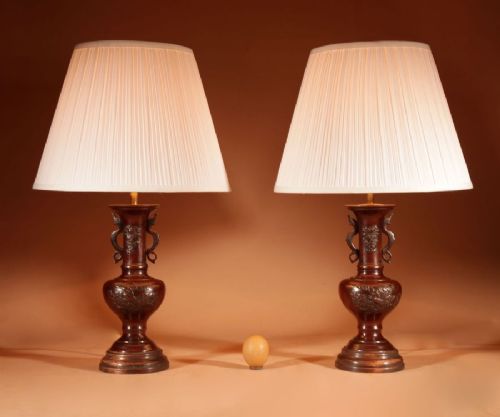
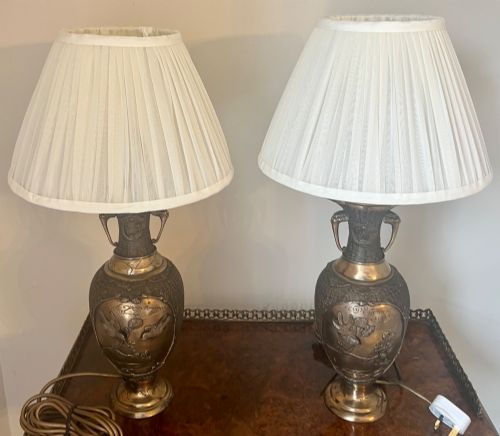
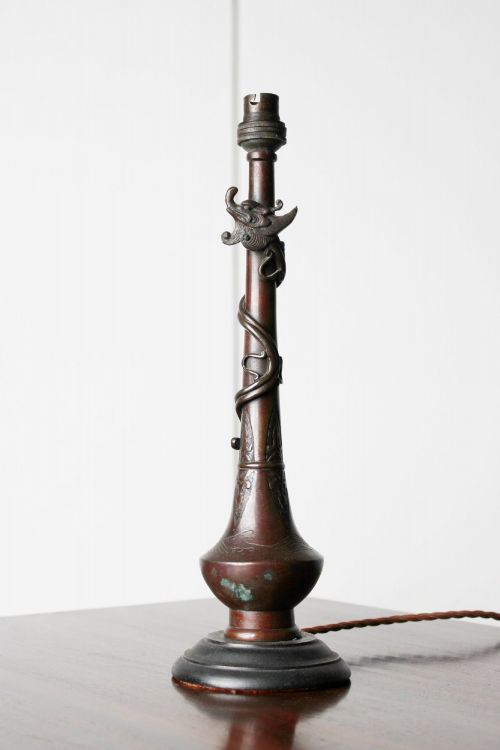
Japanese Meiji examples and Chinese export pieces dominate the selection, featuring motifs such as dragons and elephants. You find both single table lamps and matched pairs suitable for mantelpieces or side tables.
Materials and construction
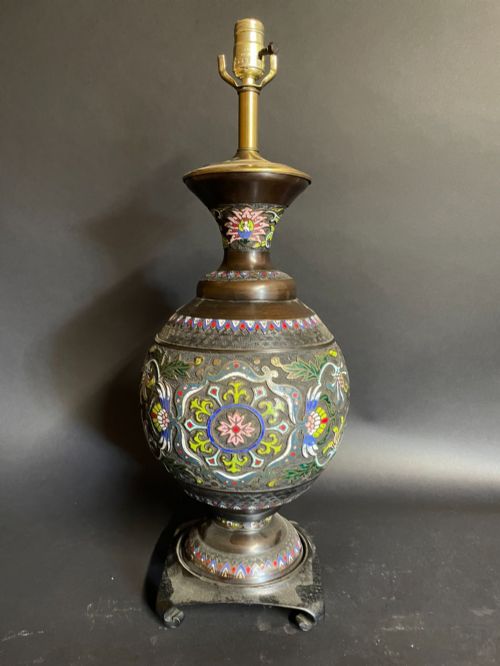
Craftsmen shaped these bodies through bronze casting, frequently applying champlevé or cloisonné enamel work to create coloured surface patterns. Many items incorporate gilt bronze highlights or contrasting wooden bases.
Conversion work for electricity typically happened decades after the original manufacture, integrating fabric or silk shades while retaining the vintage metal structure beneath.
Materials span raw bronze and gilt bronze, paired with silk, fabric, porcelain, and wood.
Assessing quality and finish
Quality rests in the crispness of the cast detail, particularly on figural elements like dragons or elephants where finer chiselling defines the surface. The depth and integrity of the enamel work also separate standard production from superior examples.
Original patination and the harmonious integration of converted vase bodies dictate the overall desirability. Pieces retaining their original form without overly intrusive electrical alterations command stronger interest.
The Asian Bronze Light Glossary
- Champlevé
- An enamelling technique where troughs are dug into the bronze surface and filled with vitreous paste before firing. This method creates bold coloured patterns across the metal body.
- Cloisonné
- Enamel decoration formed by soldering delicate metal wires to the bronze substrate to create separate compartments for coloured paste. The piece is then fired and polished smooth.
- Meiji Period
- The era in Japanese history spanning from 1868 to 1912, noted for intricate metalwork and decorative export goods destined for Western markets.
- Pricket Candlestick
- A candleholder featuring a sharp central spike rather than a socket to secure the wax candle in place. These altar items often measure with considerable height.
- Celadon
- A pale green jade-like glaze applied to porcelain vessels that frequently serve as the central body for converted lamps. The subtle tone complements dark patinated bronze mounts.
Asian Bronze Light: Frequently Asked Questions
How do I clean an antique bronze lamp?
Dust the metal gently with a soft dry cloth to preserve the historic surface patination. Avoid harsh chemical polishes that strip away the aged bronze colour.
Take care around enamel sections such as cloisonné or champlevé to prevent moisture from seeping into aged crevices.
Were these always electric lamps?
Most examples began life as temple vessels, pricket candlesticks, vases, or oil lamps before later conversion to electricity. This adaptation usually occurred during the Victorian or Edwardian periods to suit modern homes.
Original lamp fittings are uncommon, so modern wiring is standard for safe household use.
How do I date a Japanese bronze light?
Examine the style markers, noting whether the piece falls within the Meiji period or late nineteenth century. Cast quality and the presence of export marks can offer further chronological clues.
Associated ceramic components like Satsuma or celadon pottery also help narrow down the production era.
Where should I place a bronze lantern?
Hanging lanterns and heavy table models suit hallways, studies, or living rooms where their sculptural form acts as a focal point. Ensure the weight of the bronze is supported adequately by your chosen surface or ceiling fixture.
Pair them with complementary side tables to balance their decorative visual presence.