
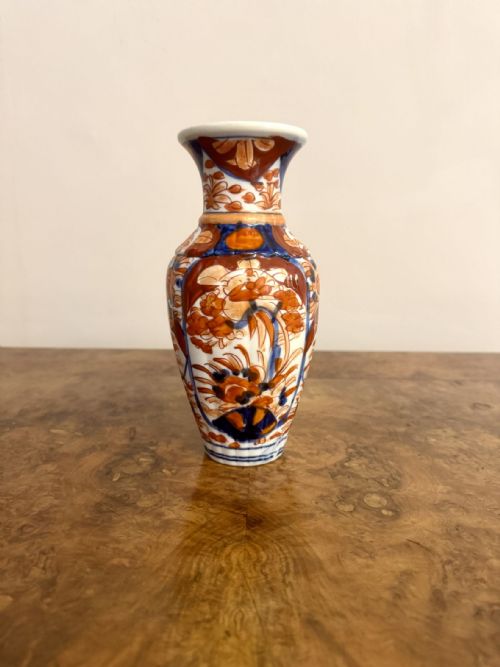
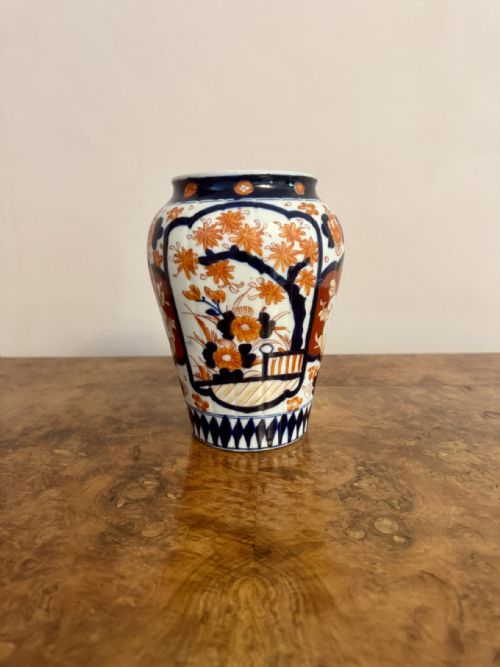
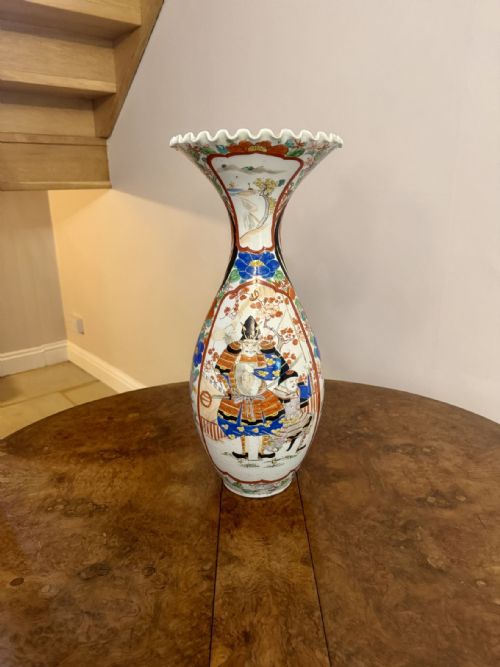

Vintage Oriental Ceramic Vase
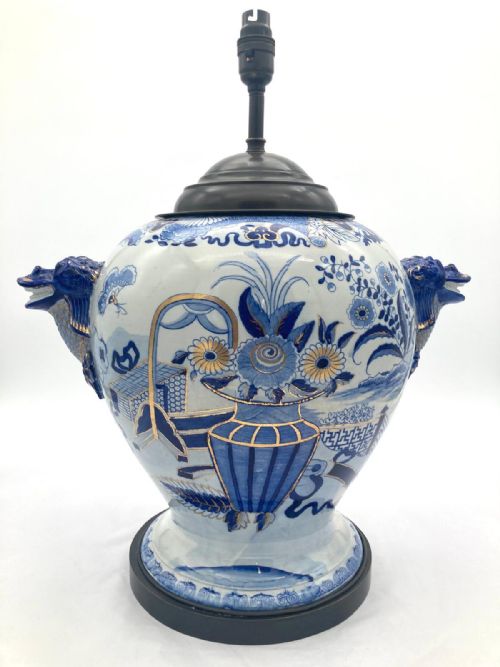
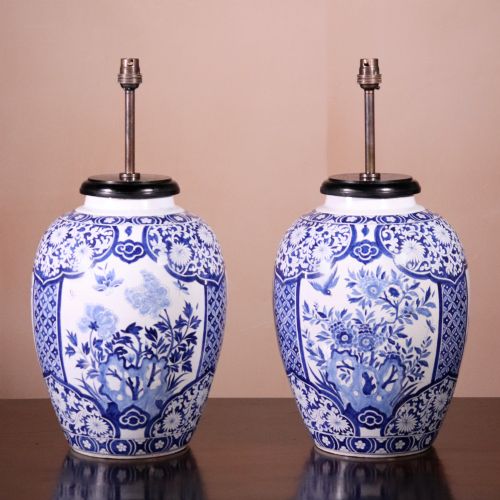
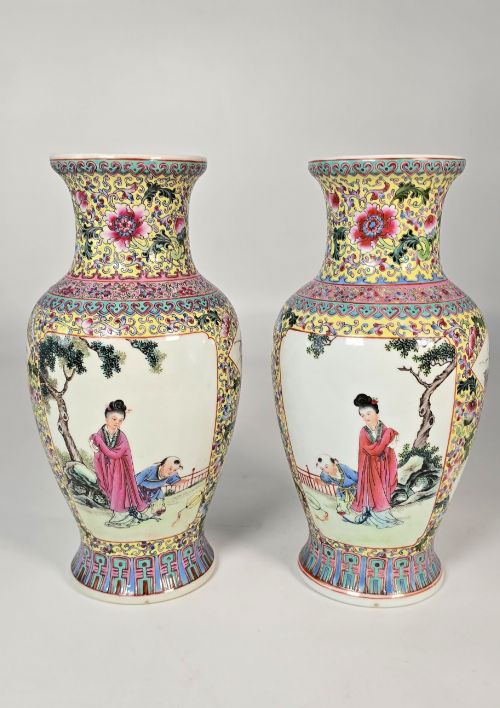
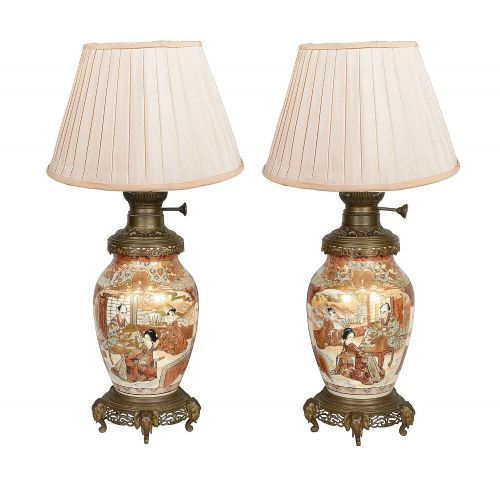
These pieces unite centuries of craftsmanship from Japan and China, offering a vintage oriental ceramic vase to anchor any room.
Vintage Oriental Ceramic Vase
A vintage oriental ceramic vase brings traditional East Asian artistry into domestic spaces through forms designed for display or utility. When searching for a vintage oriental ceramic vase, buyers encounter items ranging from nineteenth-century porcelain vessels to early twentieth-century earthenware pieces.
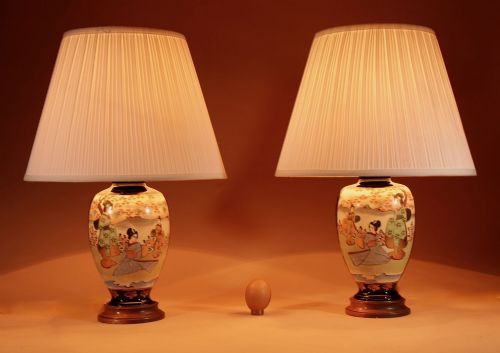
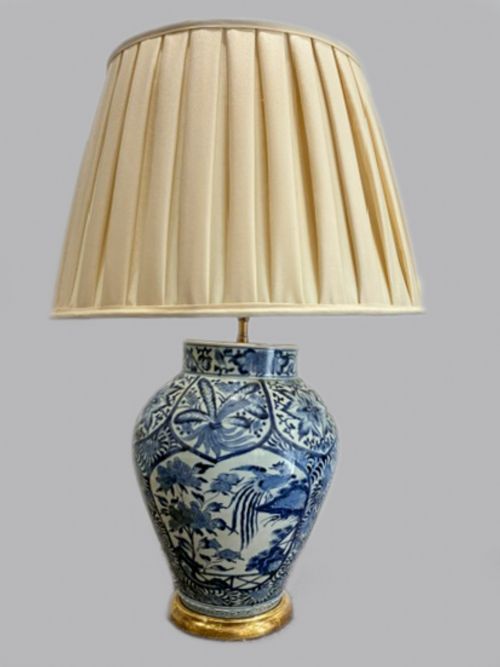
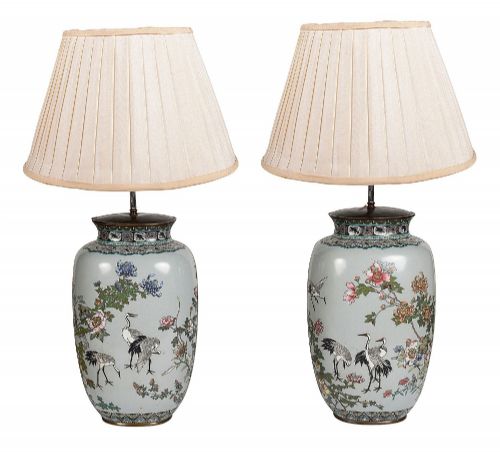
The selection here spans diverse production centres and eras, featuring Japanese Imari wares, Satsuma earthenware, and Chinese famille rose ceramics. Many examples survive as pairs, while others have been adapted into table lamps over time.
Forms include ginger jars, baluster vases, and floor-standing containers alongside smaller cabinet miniatures. Each object reflects the specific decorative vocabulary of its period of origin.
How They Were Made
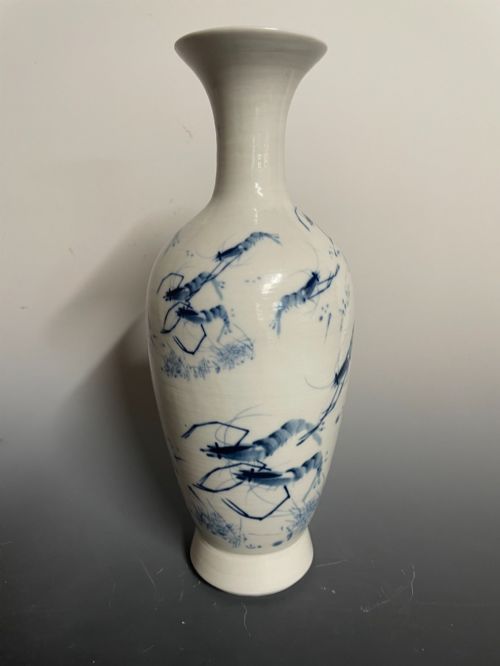
Potters utilised porcelain, earthenware, and red clay as foundational bodies, shaping them on wheels or moulding them by hand. These bases received pigments, enamels, and glazes before undergoing firing in kilns.
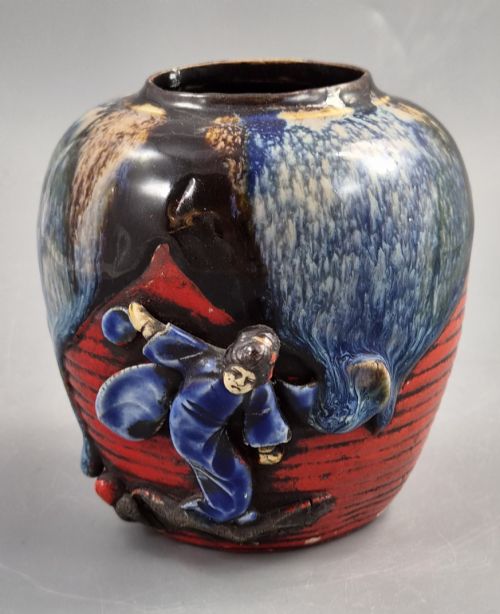
Artisans applied surface decoration using underglaze blue, vibrant polychrome enamels, and gold leaf highlights. Raised elements, such as applied figures and dragons, were sculpted separately and attached prior to the final firing process.
Listings incorporate ceramics spanning from seventeenth-century vessels to twentieth-century ironstone, porcelain, and earthenware.
What Varies in Quality
Mastery of the brush dictates the visual depth of painted scenes, separating hurried commercial output from meticulous studio painting. Fine miniatures demonstrate exceptional control in rendering intricate figural processions and botanical details.
The integrity of the glaze and the precision of the initial ceramic body formation determine structural longevity. Superior examples maintain crisp relief mouldings and harmonious colour saturation without muddy or misaligned transfers.
Hicks and Meigh·Chosei·Kōko·Hakusan·Kinkozan·Carlton Ware
The Vintage Oriental Ceramic Vase Glossary
- Imari
- A style of Japanese porcelain featuring a distinct palette of underglaze blue, iron red, and gilt highlights. Originating in Arita, these wares were widely exported to European markets.
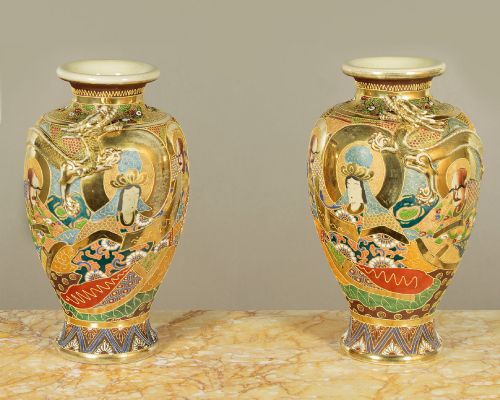
- Satsuma
- Earthenware pottery characterised by a fine crackle glaze and elaborate polychrome enamel designs enriched with gold. Kyoto workshops produced many of the finest decorated examples.
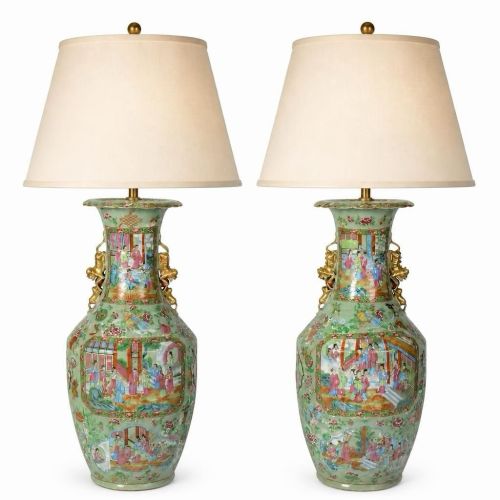
- Famille Rose
- A palette of Chinese porcelain decoration dominated by opaque pink enamel introduced during the Qing dynasty. This classification includes a broad range of floral and figural compositions.
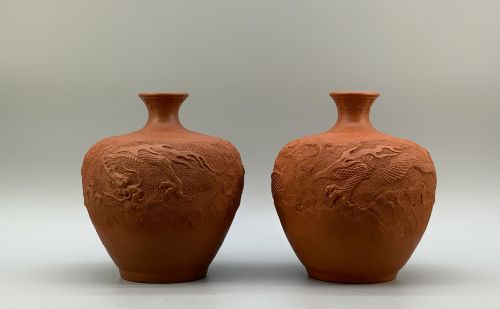
- Tokoname
- A Japanese ceramic tradition known for unglazed red clay pottery, often incorporating modelled figures such as dragons. These sturdy pieces reflect utilitarian and artistic convergence.
- Garniture
- A set of matching vases or jars designed to be displayed together on a mantelpiece or sideboard. Such matching groups formed a cohesive decorative scheme in period interiors.
Vintage Oriental Ceramic Vase: Frequently Asked Questions
How do I identify Satsuma ware?
Satsuma ceramics display a characteristic ivory-coloured earthenware body covered in a fine network of visible glaze crackles. Artisans then applied dense, colourful enamel scenes accented with gold leaf.
These pieces typically originated in workshops around Kyoto or the Satsuma domain during the nineteenth and early twentieth centuries.
Were these vases made for export?
Many eastern ceramics from this era were produced specifically for Western export markets, responding to European tastes for exotic decoration. Potters in Arita and various Chinese kilns adapted traditional motifs for international buyers.
As a result, forms like large floor vases and ginger jars frequently found homes in nineteenth-century drawing rooms.
Why are some vases converted to lamps?
Adapting ceramic vessels into lighting fixtures was a popular practice in twentieth-century interior design to repurpose decorative items for modern living. This conversion often involved drilling a discreet hole for wiring or mounting the piece on a brass base.
Such modifications integrate historical craftsmanship into contemporary lighting without discarding the original artistic body.
What is the difference between Imari and Kutani?
Imari porcelain relies on a strict palette of deep cobalt blue, iron red, and gold, featuring crisp botanical or geometric panels. Kutani wares often employ bolder, monochromatic or multi-coloured enamel schemes dominated by greens and purples.
Both traditions represent distinct regional Japanese pottery centres with unique glazing techniques.