


Red Ceramic Decorative Vase
A red ceramic decorative vase brings vibrant colour and pattern into a room, drawing the eye directly to traditional craftsmanship.
Red Ceramic Decorative Vase
When you search for a red ceramic decorative vase, you encounter a diverse selection of nineteenth and early twentieth century vessels originating predominantly from Japan and Europe.
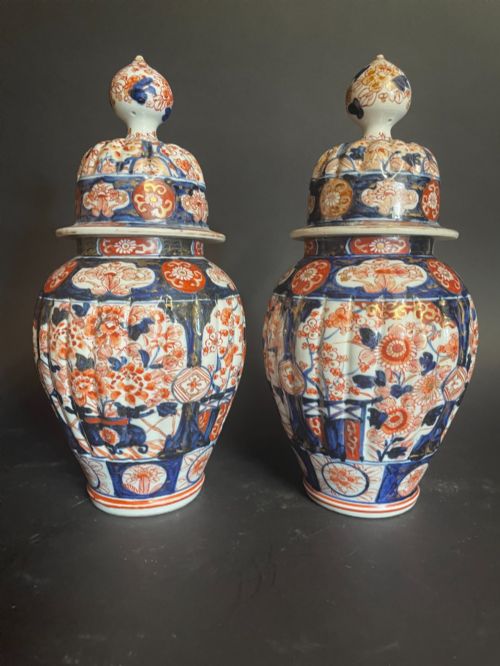
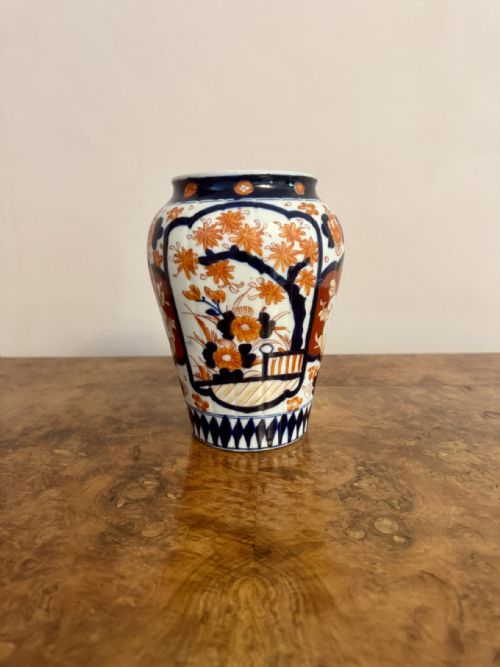
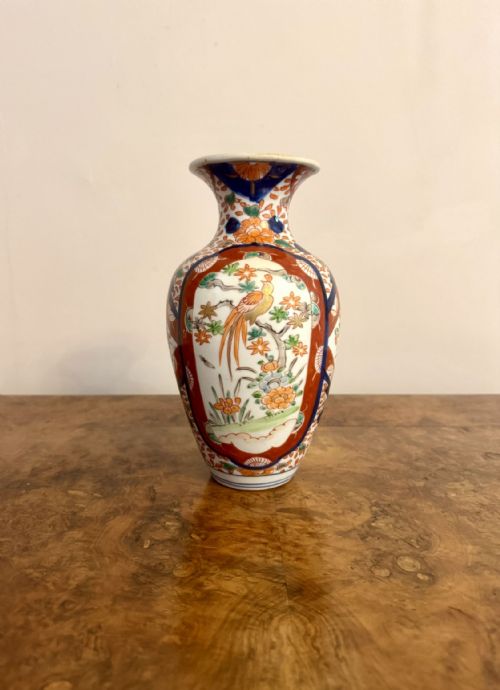
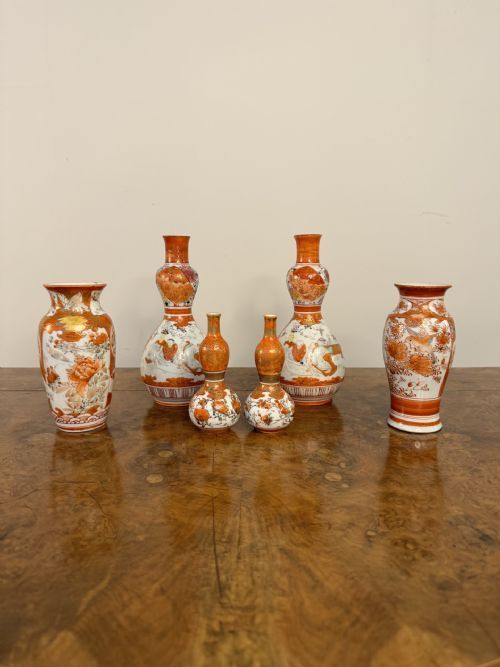
The most common examples on this page are Japanese Imari and Kutani vases, alongside French studio pottery, English ironstone, and Continental maiolica.
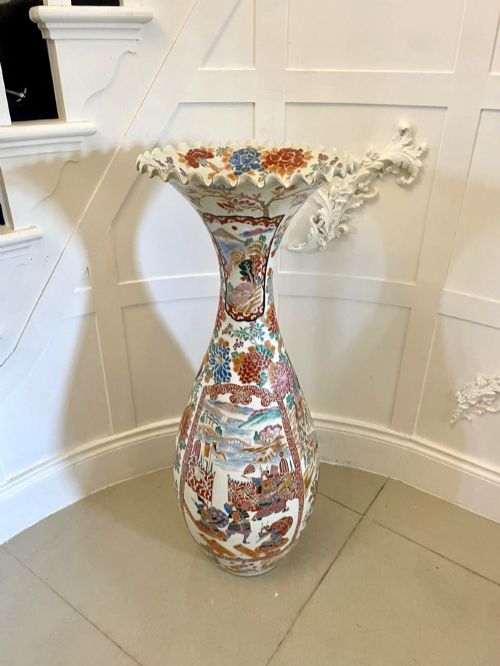
Forms range from large floor-standing vessels and lidded ginger jars to pairs of baluster vases and delicate ewers.
How they were made
Potters shaped porcelain, earthenware, stoneware, and ironstone by hand or on the wheel before applying detailed underglaze and overglaze colours.
Many items incorporate rich enamel pigments, applied figures, lacquer over-paint, and touches of gold leaf or gilt detailing.
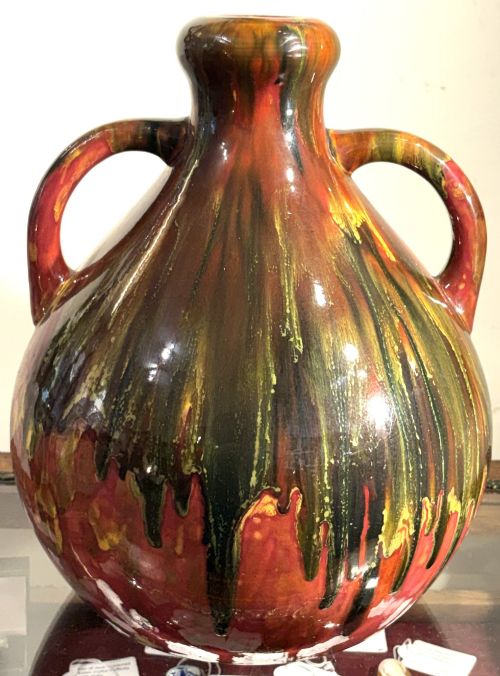
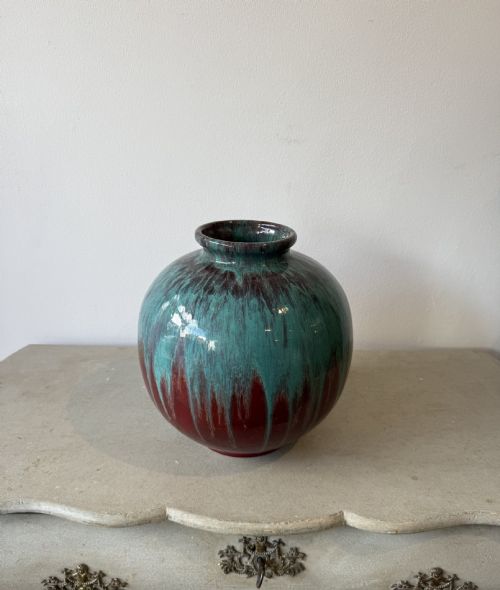
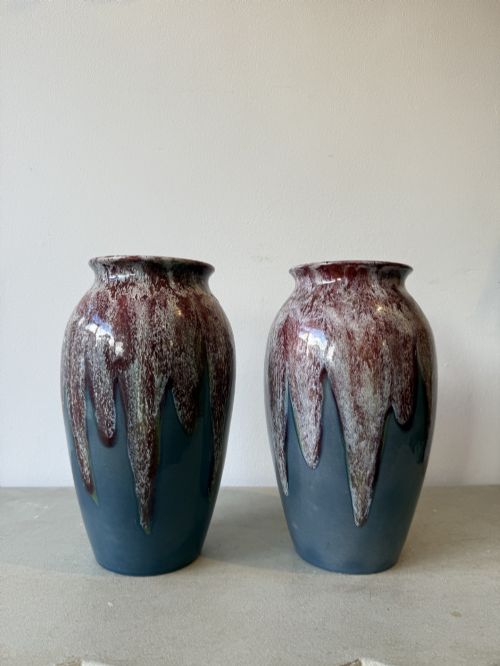
Kiln-fired glazes, including drip glaze techniques and tin-glazed maiolica finishes, create the glossy surfaces seen across these periods.
A tiny applied figure clings to a Japanese baluster vase, reminding us that potters enjoyed adding unexpected characters.
What varies in quality
The standard of painting and hand-finishing determines the visual impact, separating tightly controlled, intricate brushwork from simpler, hurried decoration.
Substantial scale and balanced proportions elevate certain pairs and garnitures, particularly when lids and covers match the base pieces precisely.
The clarity of the glaze and the preservation of delicate surface elements like gilt and lacquer dictate the overall integrity of the piece.
Royal Worcester·Doulton
The Red Ceramic Decorative Vase Glossary
- Imari
- A traditional Japanese style of porcelain decorated in underglaze blue and a distinctive palette of iron red and gold.
- Kutani
- Japanese porcelain known for bold pictorial designs, often incorporating rich red and gold overglaze enamels.
- Maiolica
- Tin-glazed earthenware produced in Europe, noted for brightly coloured decorative painting.
- Baluster
- A vase with a rounded body that tapers toward the neck, resembling an architectural column.
- Garniture
- A matched set of three or more vases or jars displayed together on a mantelpiece or sideboard.
Red Ceramic Decorative Vase: Frequently Asked Questions
How were ginger jars used?
Ginger jars originally stored and transported spices, herbs, and oils in households and trading vessels.
Over time, makers decorated these sturdy lidded containers specifically for display in formal rooms.
Where should I place a floor vase?
Floor vases suit empty corners, wide hallways, or hearths where their height draws the eye upward.
Heavy ceramic and stoneware bodies provide the stability needed for freestanding floor placement.
How do I identify Meiji period pieces?
Meiji period items date from the reign of Emperor Meiji, spanning from the late nineteenth to the early twentieth century.
Japanese pieces from this era often display exceptionally detailed hand-painted scenes and signed maker marks.
What is pot pourri?
Pot pourri jars feature pierced or perforated covers designed to release the fragrance of dried flowers and spices.
These lidded vessels combined decorative ceramic craft with practical domestic scenting.