


Japanese Relief Pottery Vase
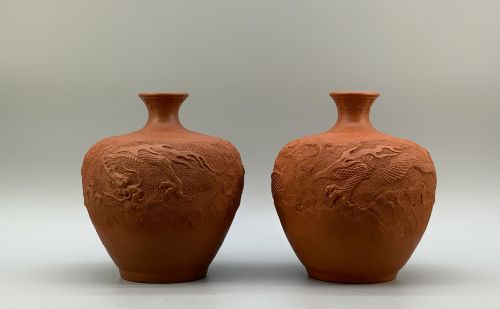
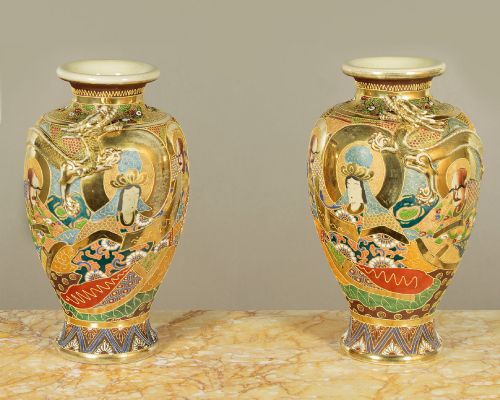
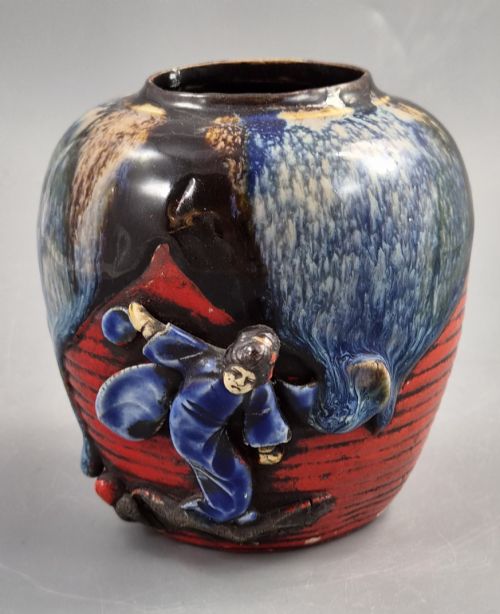
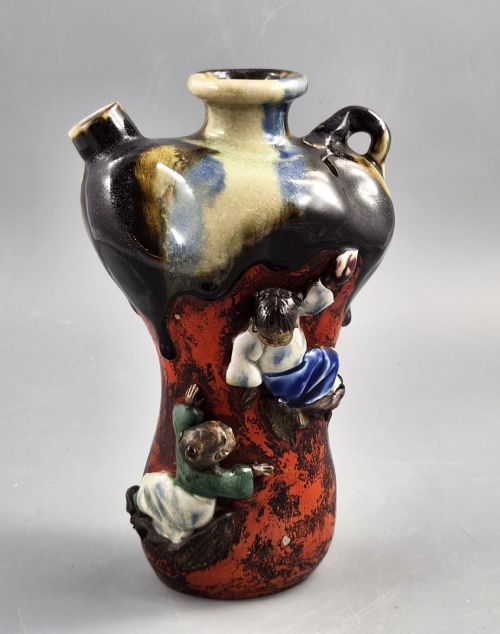
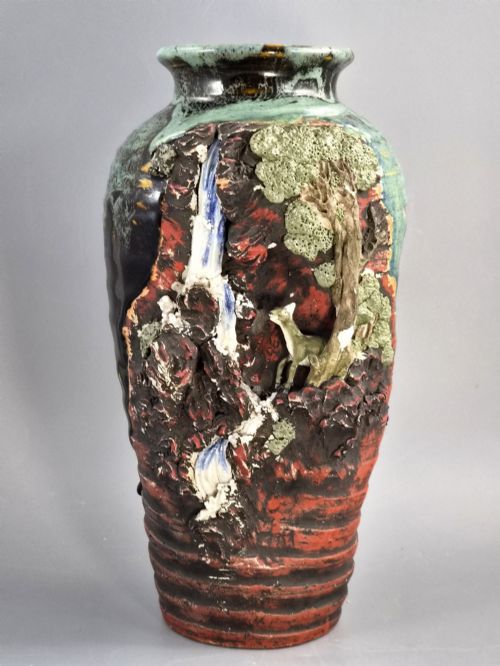
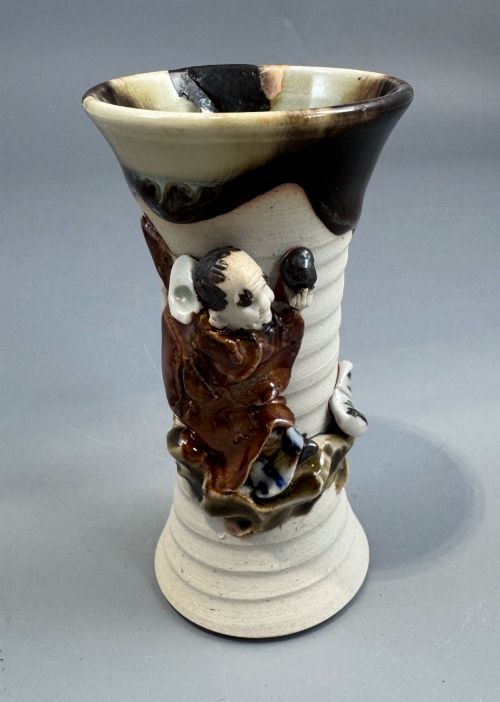
A japanese relief pottery vase brings sculptural figures, textured glazes and rich historic character straight into your room.
Japanese Relief Pottery Vase
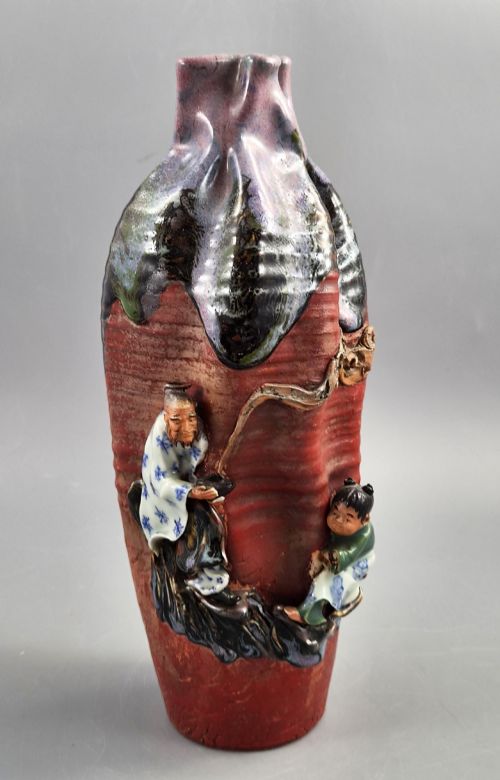
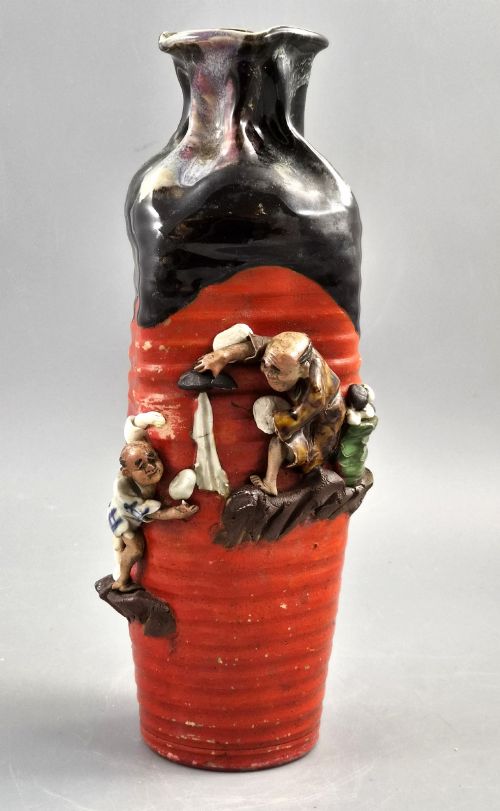
A japanese relief pottery vase showcases tactile, three-dimensional elements built directly onto the body of the vessel. When searching this phrase, you encounter distinctive forms originating across the Meiji, Taisho and Showa periods.
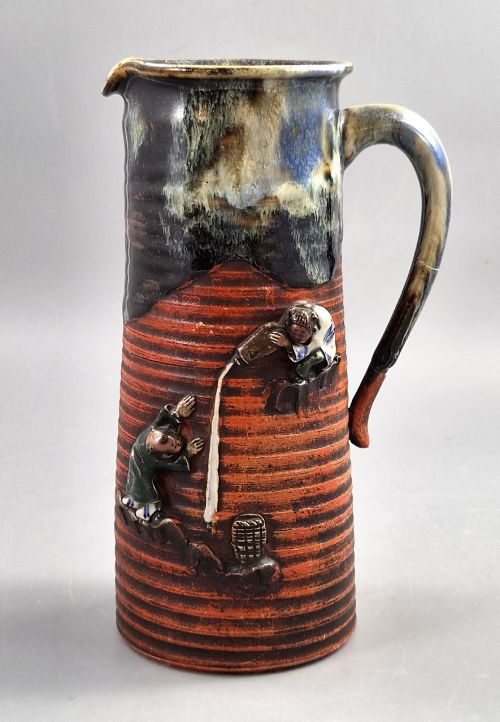
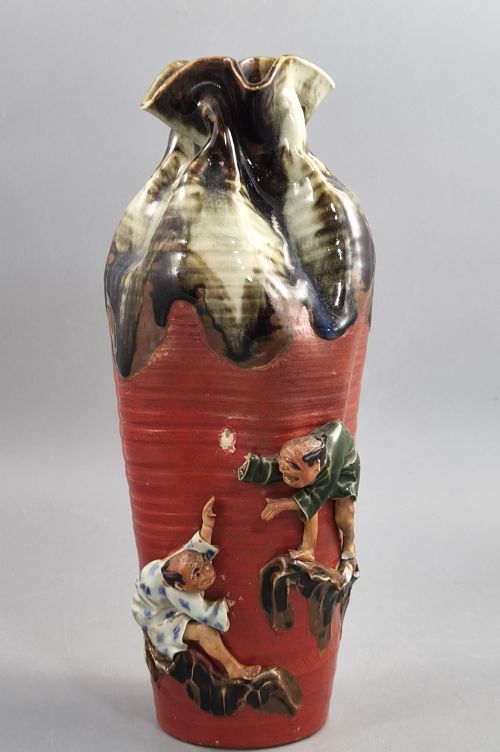
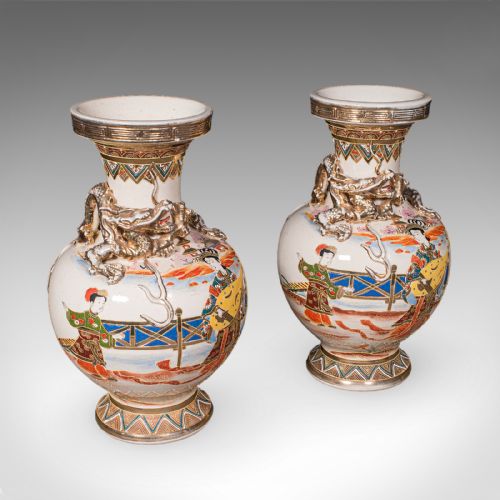
The pieces on this page heavily feature the Sumida Gawa tradition, alongside Satsuma, Tokoname and pieces by notable makers. You will find baluster shapes, pitchers, jars and jardiniere vessels populated by applied figures, dragons and landscapes.
Vessels span earthenware and stoneware constructions, often finished with striking flambé, oxblood or lavender glazes. These works bridge traditional pottery with vivid sculptural storytelling.
Materials and construction methods
Potters utilised earthenware, terracotta and heavy stoneware as foundational bodies, shaping them into baluster vases, pitchers and jars. These substrates provided the necessary thermal stability for complex firing processes.
Makers applied figures, dragons, foliage and panels in high relief directly onto the wet clay body by hand. Enamel, gold leaf and thick flambé or oxblood glazes were then applied before firing to create vivid colour and texture.
Listings span earthenware, stoneware and terracotta bodies finished with flambé, oxblood and enamel glazes.
Judging the range of quality
The standard of a japanese relief pottery vase rests upon the crispness of the modelled figures and the depth of the glaze work. Master modellers rendered facial expressions and drapery with notable precision.
Signature markings from recognised artists elevate a piece significantly, marking the output of skilled workshops. The harmony between the heavy, flowing flambé glaze and the sharp relief elements dictates the overall success of the vessel.
Inoue Ryosai·Makuzu Kozan II
The Japanese Relief Pottery Vase Glossary
- Sumida Gawa
- A distinctive type of Japanese pottery originating from the banks of the Sumida River in Tokyo. It is famous for its heavily textured flambé glazes and applied sculptural figures.
- Flambé glaze
- A streaked, unpredictable glaze effect created during high-temperature firing where metallic oxides melt and pool. It produces rich shifts in colour from blues and lavenders to deep reds.
- Jardiniere
- A large ornamental ceramic pot or bowl designed to hold growing plants or flowers. These vessels often feature substantial relief landscapes or figural scenes around the exterior.
- Baluster
- A vase shape characterised by a rounded body that tapers toward the base and swells near the lower portion. This classic silhouette provides a stable canvas for extensive relief decoration.
- Karako
- A traditional motif depicting a Chinese child or children at play, frequently utilised in Japanese decorative arts. These figures appear climbing across vases and pouring vessels.
Japanese Relief Pottery Vase: Frequently Asked Questions
What is a Sumida Gawa vase?
A Sumida Gawa vase is a specific style of Japanese art pottery featuring heavy, dripping glazes and applied figures moulded in high relief. These pieces often depict sages, children or natural scenes climbing across the surface.
Originating around the late Meiji and Taisho periods, they stand apart from smooth ceramic vessels through their bold, tactile construction.
How do I date these vases?
Dating relies on stylistic markers, materials, and signatures associated with specific ceramic traditions active from the Meiji period through the Showa period. Pieces often span transitional eras like Meiji to Taisho.
Examining the base, the type of stoneware body, and glaze characteristics helps narrow down the production decade.
Are these pieces signed?
Many fine examples bear artist signatures or workshop seals impressed into the clay or written in enamel. Signatures attribute works to masters such as Inoue Ryosai or Makuzu Kozan II.
Unsigned pieces still reflect the regional styles and workshop traditions of their period of origin.
How should I display a heavy relief vase?
Place the vase on a sturdy, level surface where adequate lighting can catch the fine details of the applied figures and textured glazes. Because these vessels feature three-dimensional elements, viewing them from multiple angles enhances the experience.
Keep them away from high-traffic edges where protruding elements might suffer accidental contact.