





Taisho Period Japanese Pottery
Taisho period japanese pottery brings together expressive sculptural forms and detailed painted surfaces from early twentieth-century Japan.
Taisho Period Japanese Pottery
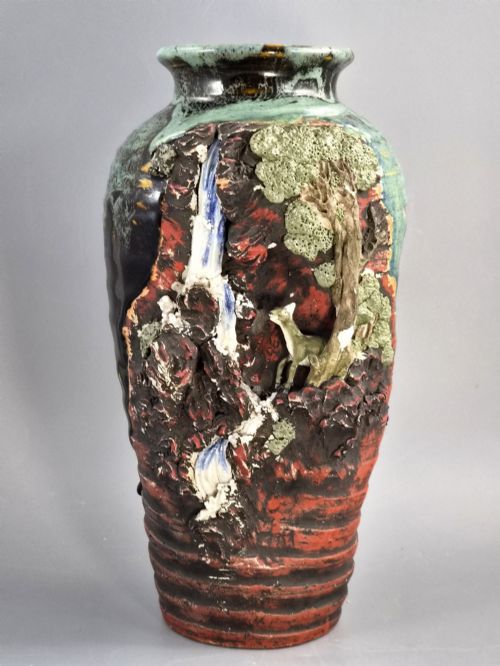
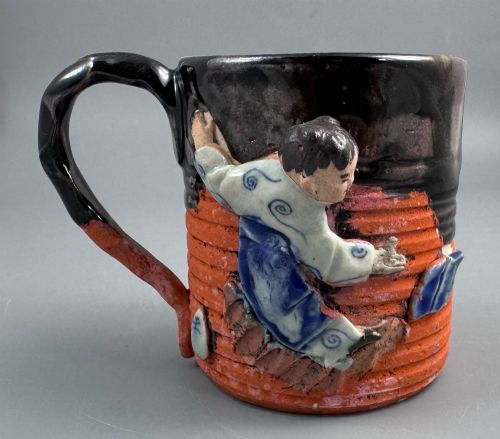
Taisho period japanese pottery encompasses diverse decorative and utilitarian objects made during the early decades of the twentieth century. Pieces found here span vessels such as vases, pitchers, jars, bowls, and teacups, alongside sculptural figurines and complete tea sets.
The selection reflects both the continuation of late nineteenth-century decorative traditions and the transitional aesthetics bridging the Meiji, Taisho, and early Showa eras. Works range from heavily textured sculptural styles to finely painted earthenware and stoneware forms.
Materials and construction methods
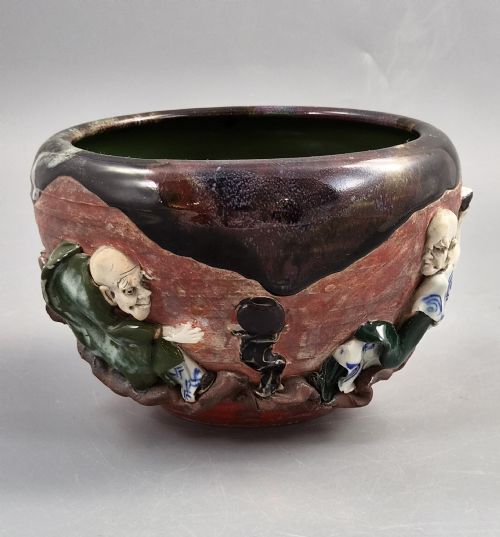
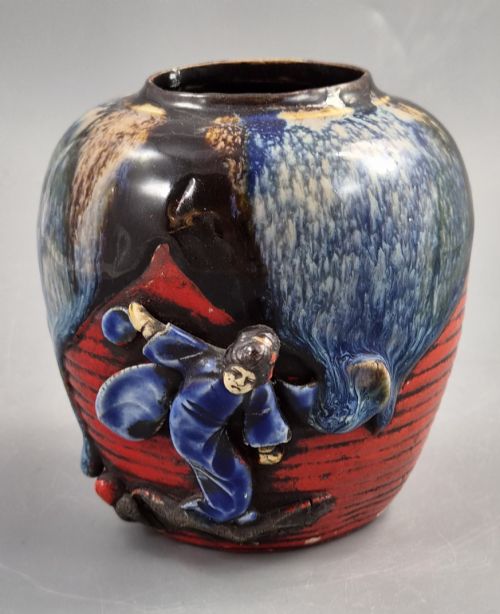
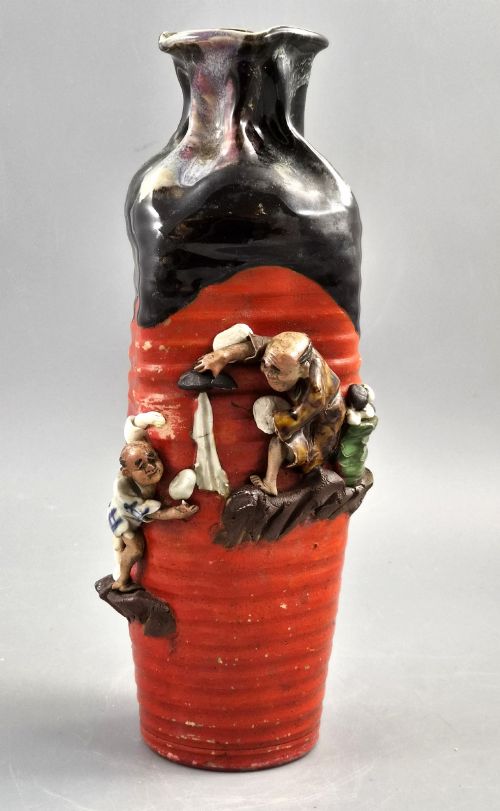
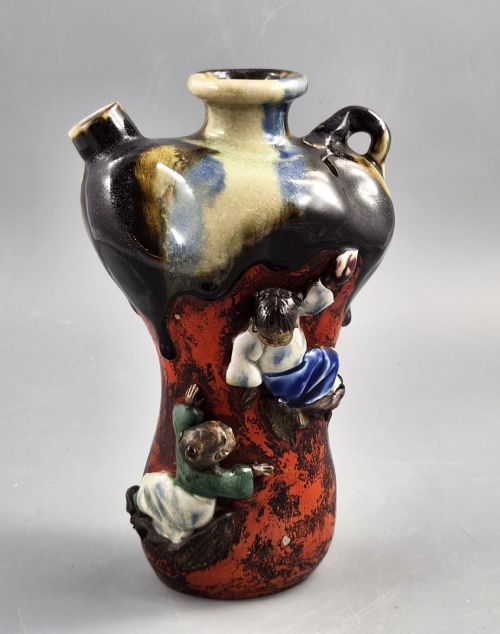
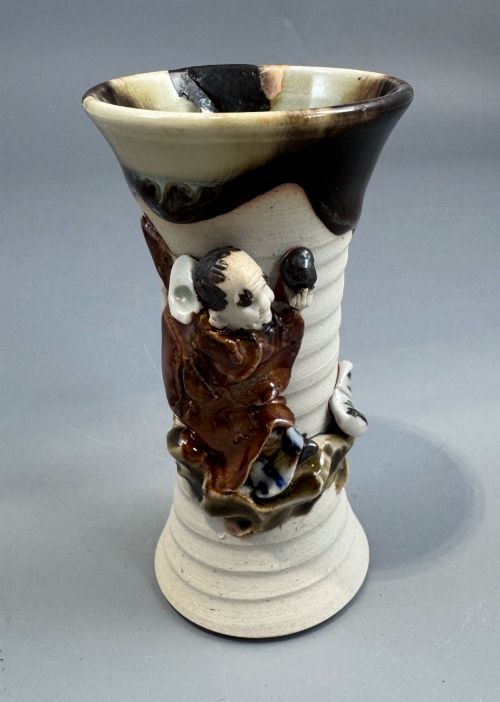
Potters utilised earthenware, stoneware, and porcelain bodies, often enhanced with applied sculptural figures in high relief. Glazes play a central role, with flambe effects, enamel colours, and gold leaf detailing appearing frequently across the listed objects.
Many works combine thrown or moulded clay bases with hand-modelled figures, carved elements, and intricate brushwork. Signatures, artist stamps, and original boxes occasionally accompany these pieces, indicating specific studio origins.
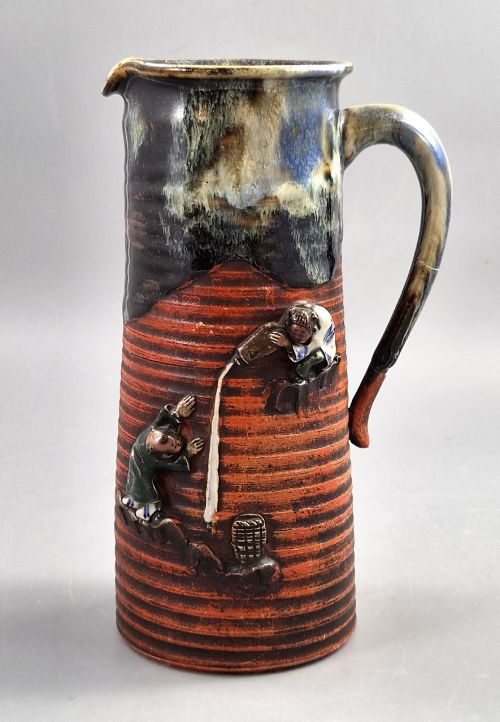
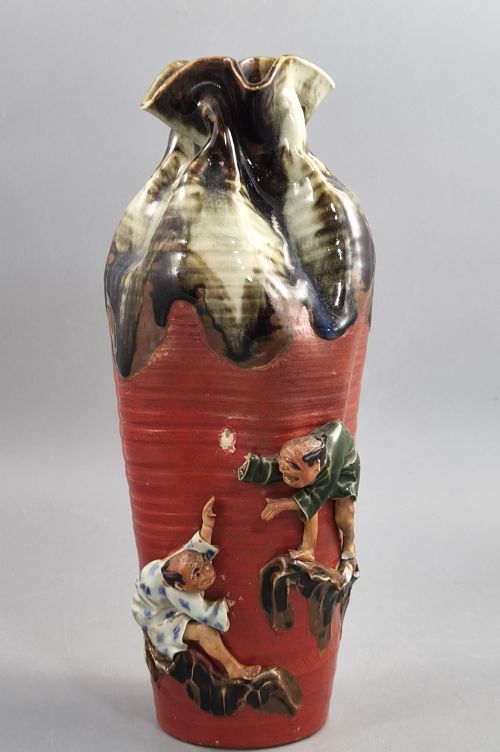
Dragons, sages, and mischievous children climb relentlessly up the sides of various vases and pitchers.
Factors of distinction
Quality rests upon the precision of the modelling, the depth of the glaze effects, and the clarity of painted details. Pieces attributed to documented makers or specific studios display greater control in both sculptural execution and surface decoration.
The complexity of applied elements and the harmony between glaze and form separate standard production pieces from more ambitious studio creations. Preservation of delicate relief work, enamel pigments, and gilding directly influences the character of each item.
Inoue Ryosai·Tagawa·Makuzu Kozan II·Taniguchi
The Taisho Period Japanese Pottery Glossary
- Sumida Gawa
- A style of Japanese pottery originating from the banks of the Sumida River in Tokyo, known for heavily textured glazes and applied figures in high relief. These works often depict figures from folklore, sages, or animals climbing the exterior of the vessel.
- Satsuma
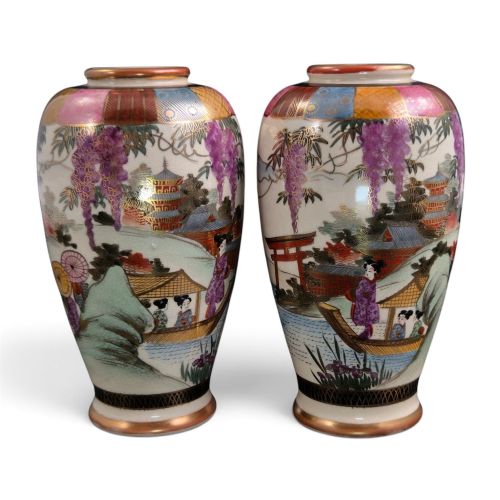
- A type of earthenware originating from Satsuma Province, traditionally characterised by a ivory-coloured, crackled glaze decorated with elaborate enamel patterns and gilding. Many pieces from the transitional period maintain these detailed painted landscapes and figural scenes.
- Kutani
- A style of Japanese porcelain or ceramic ware recognised by vibrant overglaze enamel colours and dense pictorial designs. Motifs frequently include figures, floral arrangements, and intricate border patterns.
- Tokoname
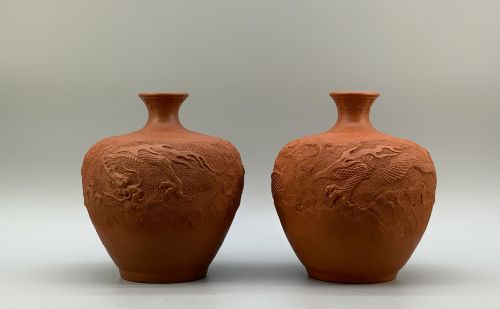
- One of the ancient kilns of Japan, known for producing durable unglazed or naturally glazed stoneware and red clay bodies. Pieces often incorporate carved or applied decorative motifs such as dragons and phoenixes.
- Suiban
- A shallow decorative basin or bowl used primarily for traditional flower arrangement or as a brush washer. These water holders frequently feature sculptural elements along the rim or interior.
Taisho Period Japanese Pottery: Frequently Asked Questions
What defines taisho period japanese pottery?
This category includes ceramics produced in Japan during the Taisho era, spanning sculptural relief vessels and intricately painted wares.
The pieces bridge traditional nineteenth-century aesthetics and early twentieth-century studio methods, reflecting diverse regional techniques.
Are these ceramics marked by makers?
Many examples bear signatures, artist ciphers, or studio stamps either painted on the base or impressed into the clay.
Attributions often link specific sculptural styles or monograms to known workshops and individual artisans.
How should these decorative ceramics be displayed?
These vessels and bowls suit stable display surfaces away from direct sunlight to protect delicate enamel colours and gold leaf details.
Textured sculptural pieces benefit from placement that allows clear viewing of the relief figures from multiple angles.