
Vintage Oil Lighting
These vintage oil lighting pieces, spanning the Victorian and Edwardian eras, offer practical illumination cast through brass, glass, and ceramic.

Vintage Oil Lighting
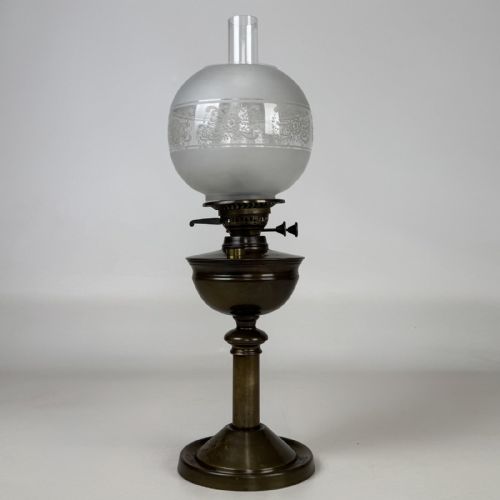
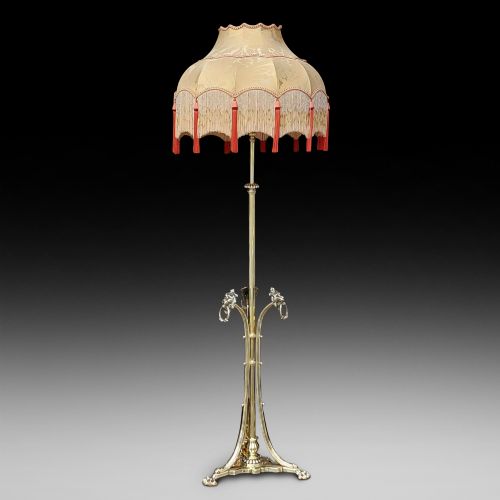
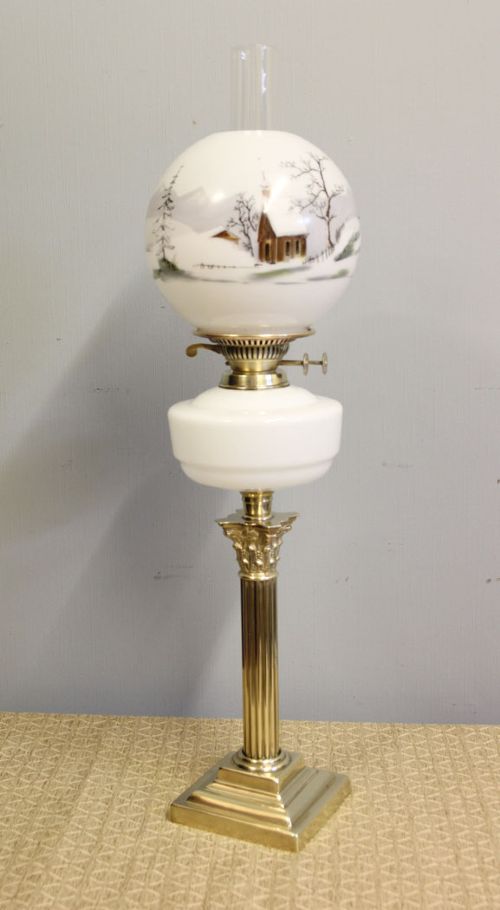
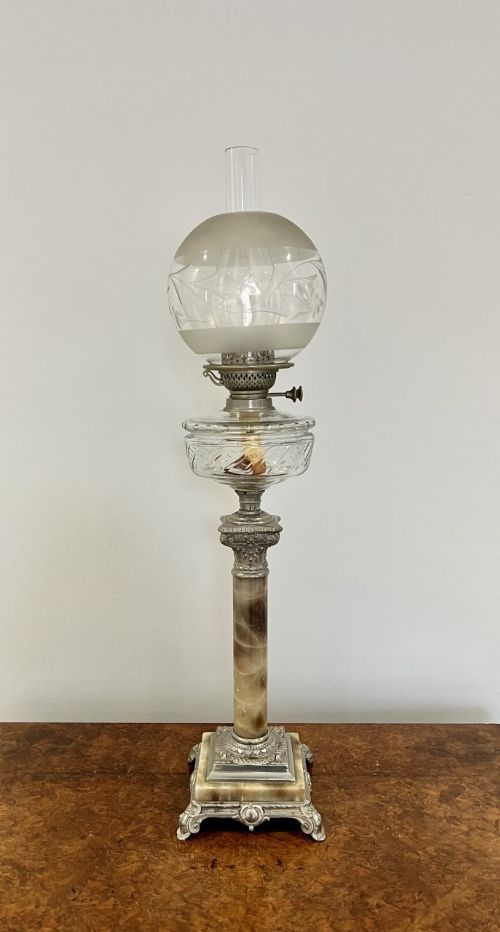
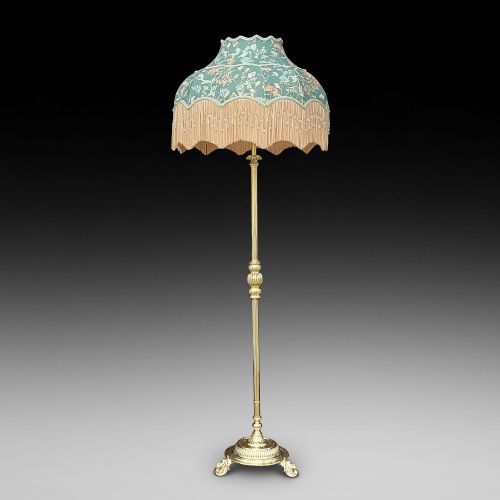
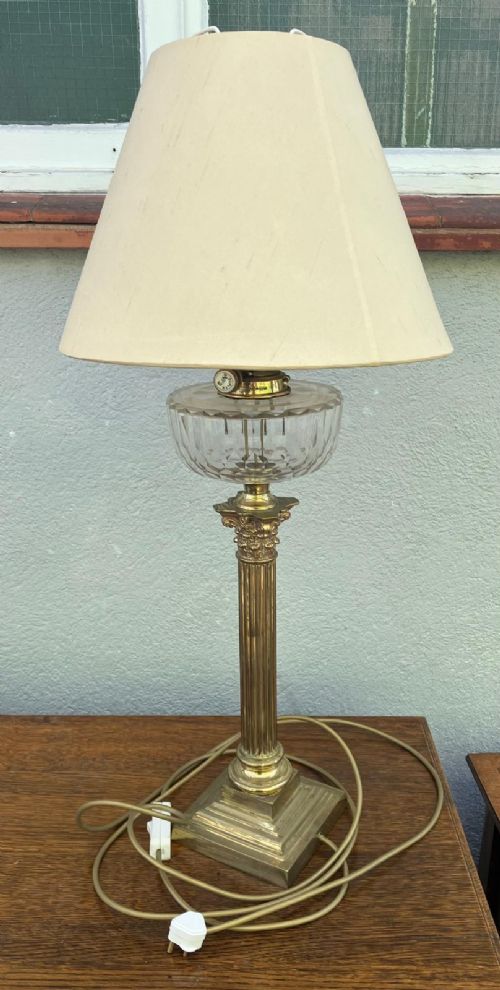
Vintage oil lighting centres primarily on the brass, glass, and ceramic domestic lamps that illuminated homes before electricity became universal. These items range from table lamps and Corinthian column standards to hanging paraffin lamps and adjustable floor standing pieces.
The most common examples encountered in this selection originate from the Victorian and Edwardian periods, often pairing heavy metal bases with tinted or hand-painted shades.
Alongside functional household lamps, the selection includes related accessories such as replacement glass shades, student lamps with implements, and railway hand lanterns.
Materials and construction
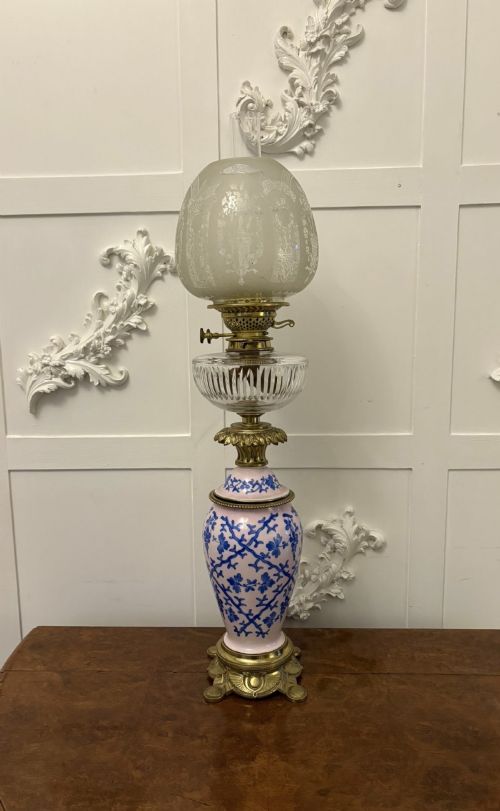
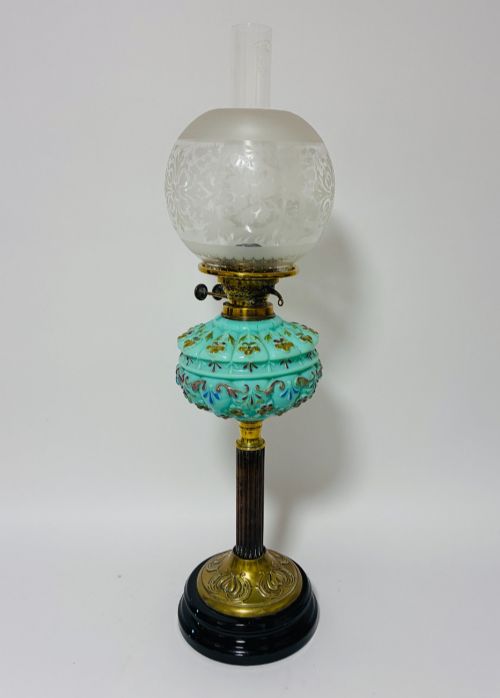
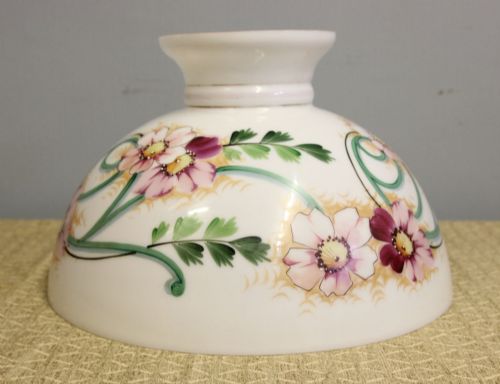
Makers utilised cast brass for robust columns and bases, frequently pairing the metalwork with ceramic reservoirs and fonts painted with botanical or winter scenes.
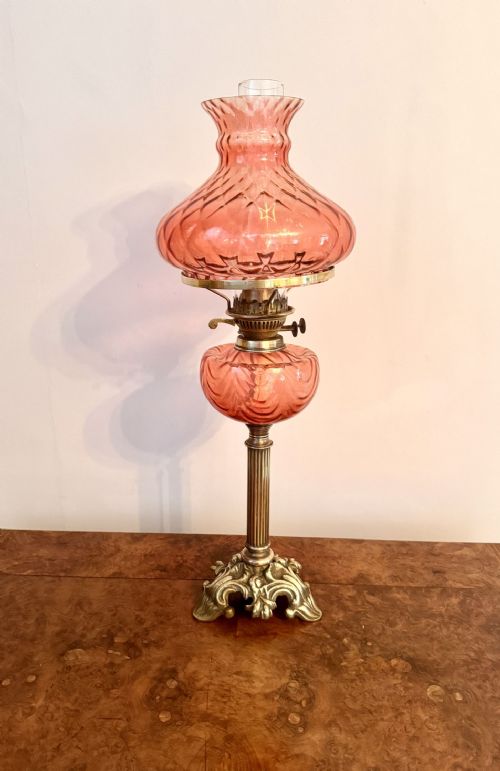
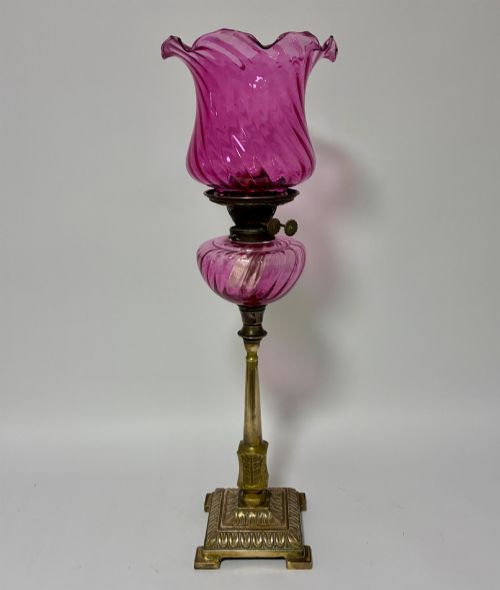
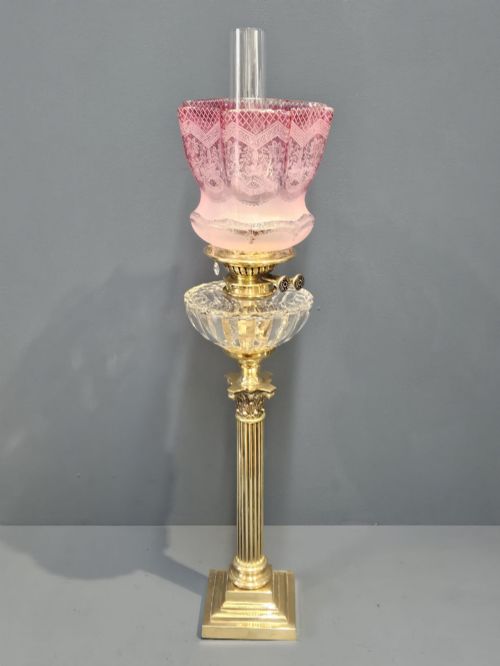
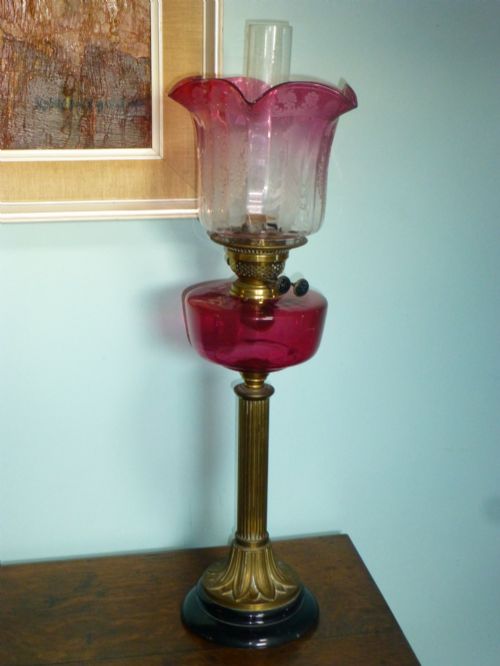
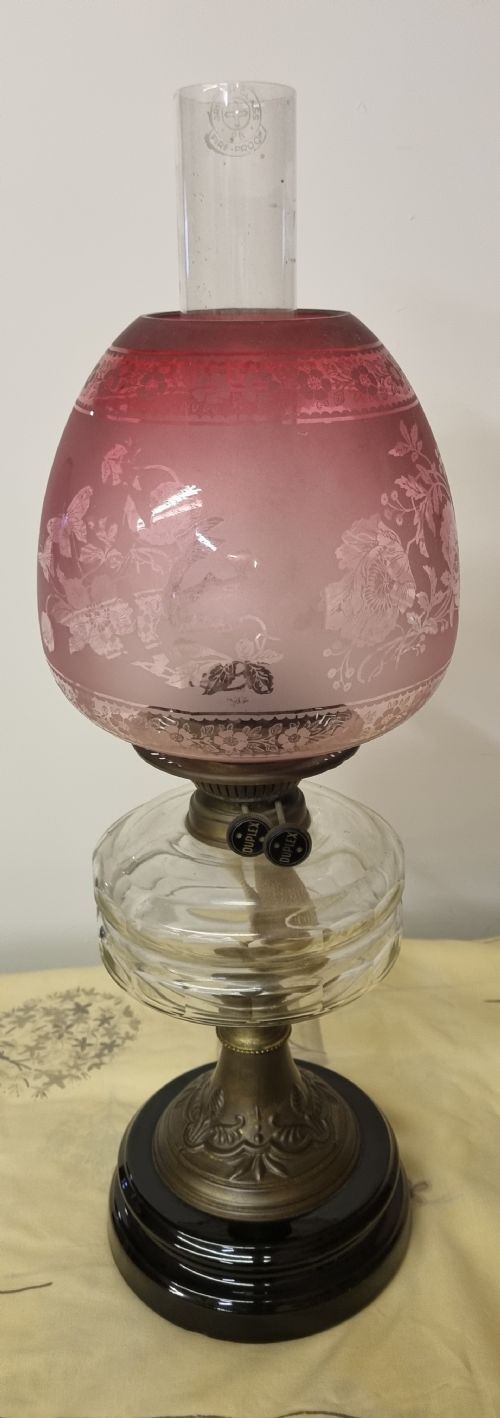
Shades were formed from coloured glass, including cranberry and opaline varieties, sometimes hand-blown or etched in tulip shapes to diffuse the burner's light.
Engineering mechanisms such as duplex double burners and adjustable brass standards allowed users to control the flame height and intensity.
Railway inspectors once relied on tri-colour lens lanterns to signal trains through the dark.
Judging the standard of execution
Quality rests in the weight of the cast brass, the crispness of architectural details on Corinthian columns, and the fidelity of hand-painted porcelain components.
Finely made pieces incorporate specialised mechanisms from known makers, paired with heavier, richly coloured hand-blown glass shades rather than thin moulded glass.
Eli Griffiths & Sons·Hinks·Sitzendorf·Gustave Serrurier Bovy
The Vintage Oil Lighting Glossary
- Duplex burner
- A double-wick burner system designed to provide a brighter illumination than standard single-wick lamps. These assemblies often bear maker stamps on the brass thumb-turns.
- Opaline glass
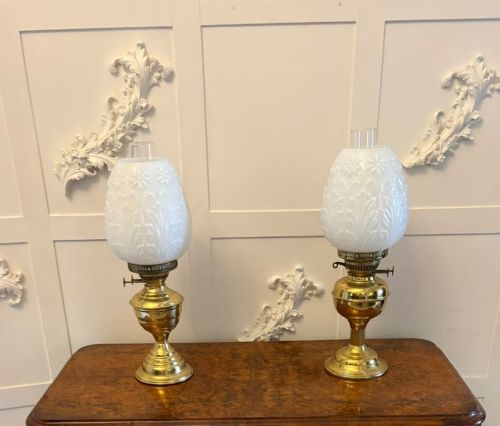
- A milk-white translucent glass frequently utilised for Victorian lamp shades and globes. It softens the glare of the flame while diffusing a warm glow.
Vintage Oil Lighting: Frequently Asked Questions
How do I operate a duplex burner?
Operating a duplex burner involves trimming the twin cotton wicks evenly and filling the reservoir with refined paraffin oil. Adjust the thumbscrews to raise the wicks slightly above the brass gallery before lighting.
Allow the glass chimney to warm gradually to prevent cracking from thermal shock. Extinguish the flame by turning the adjusters downward until the wicks drop below the air vents.
Were these lamps converted to electricity?
Many surviving lamps retain their original oil burners, fonts, and wick mechanisms. Some examples have been wired for modern electrical use while preserving the exterior metalwork and glass shades.
Examine the collar and burner assembly closely to determine whether the fuel reservoir remains intact or has been adapted for a cable.
How do I clean opaline and cranberry glass shades?
Wash glass shades gently in warm water using a mild detergent and a soft cloth. Avoid abrasive scouring pads that can scratch delicate hand-painted enamel or gilt decoration.
Dry the glass thoroughly with a lint-free cloth before mounting it back onto the brass gallery.
How do I distinguish Victorian from Edwardian lamps?
Victorian examples frequently favour ornate brass castings, Corinthian columns, and deep cranberry or etched glass shades. The aesthetic leans toward heavy ornamentation and rich colours.
Edwardian pieces often introduce simpler lines, onyx components, or influences from the Art Nouveau and Secessionist movements, reflecting changing domestic tastes.