

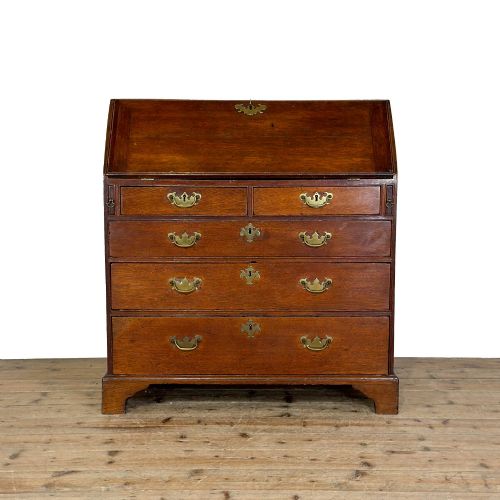
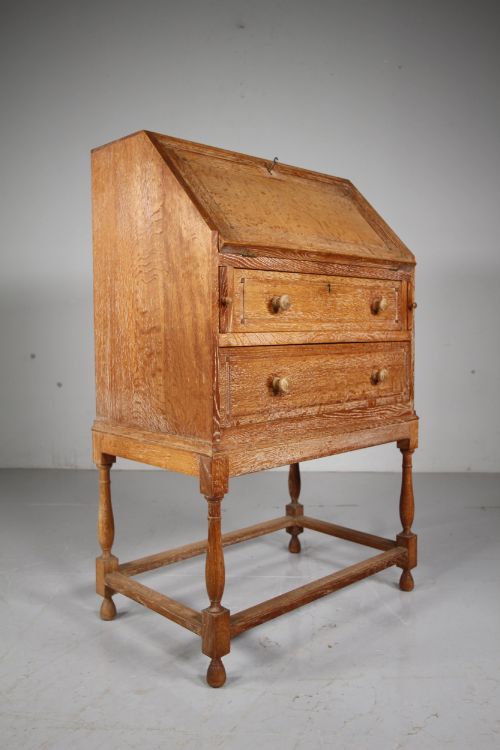
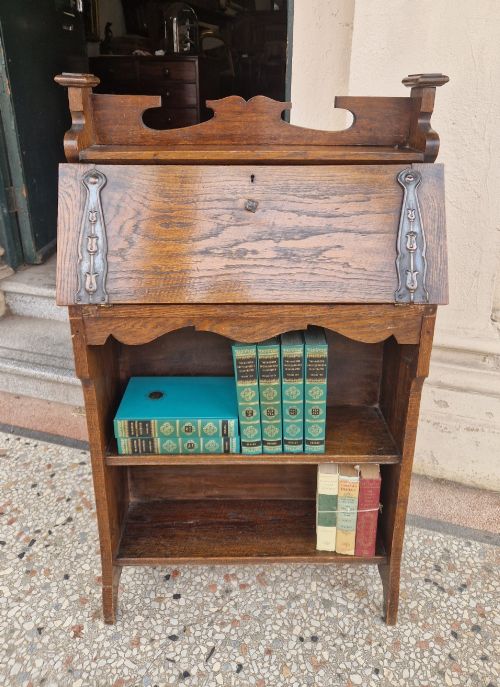
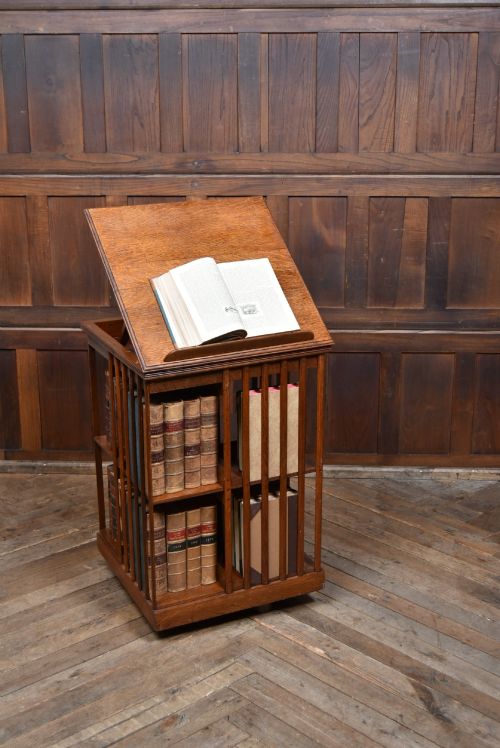
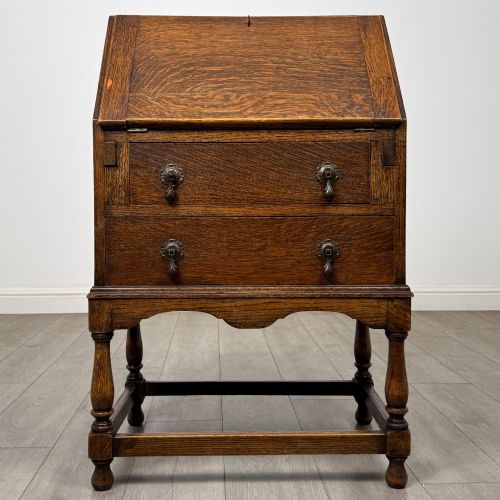
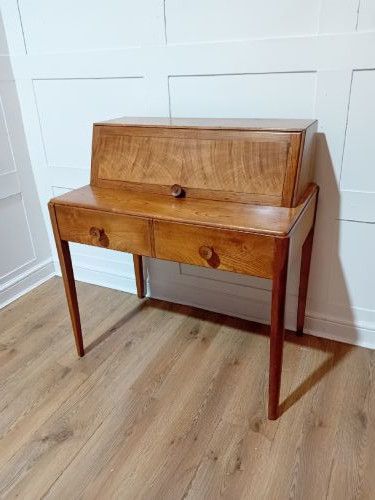
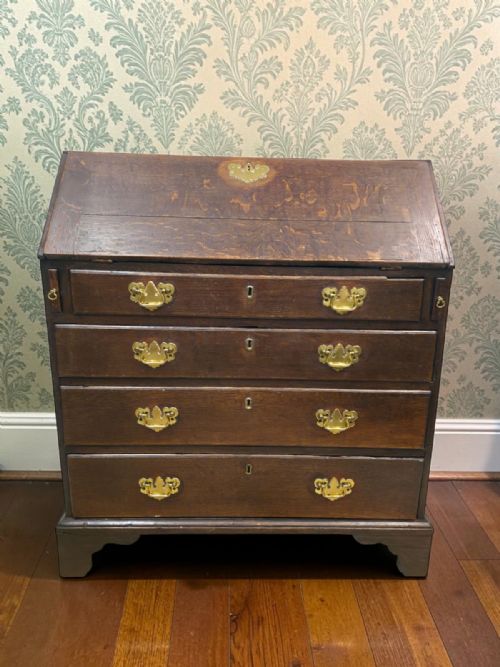
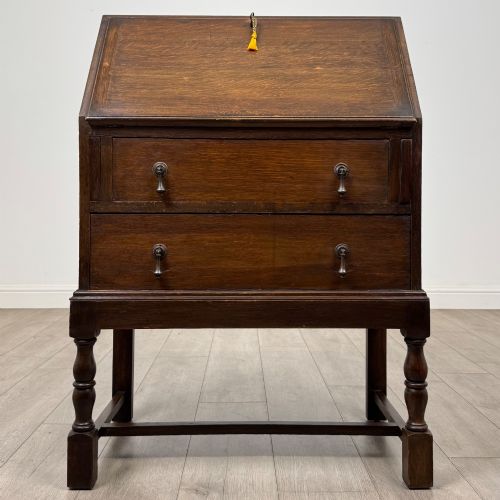
Vintage Oak Slant Desk
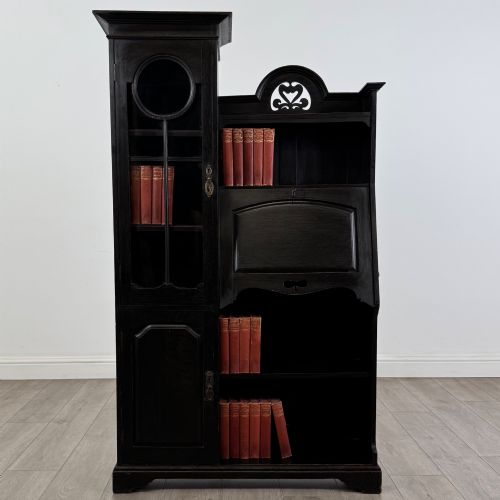
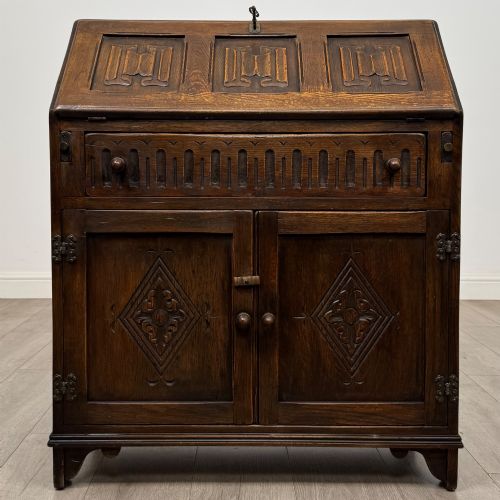
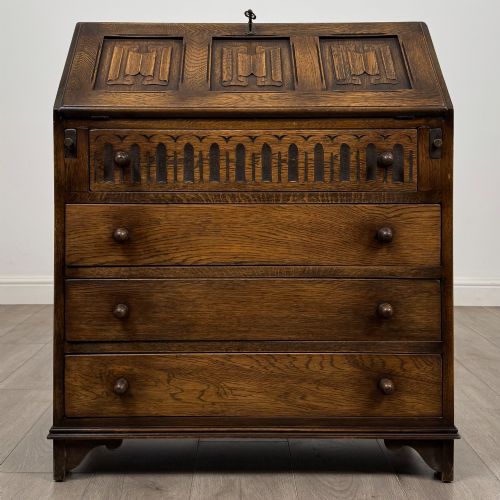
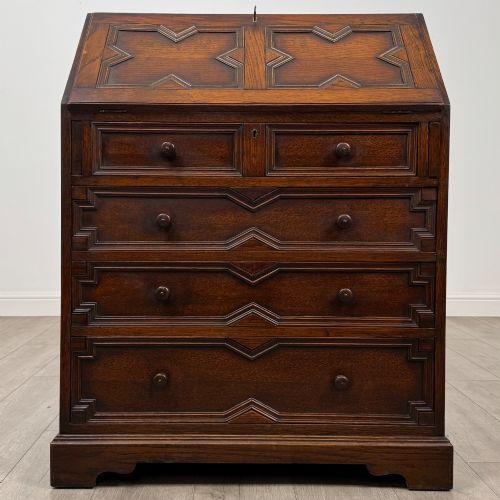
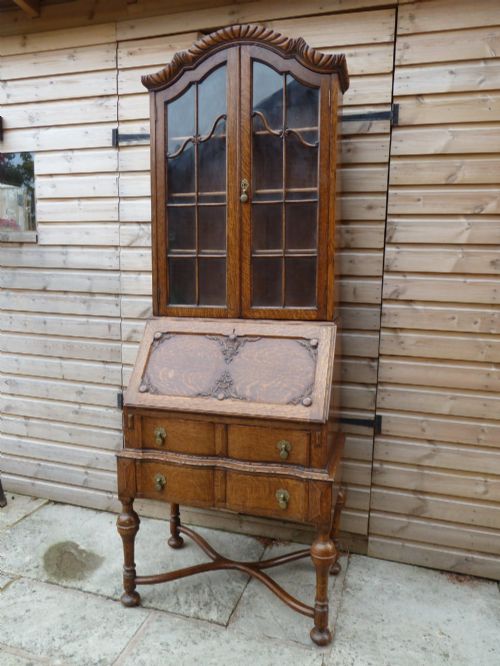
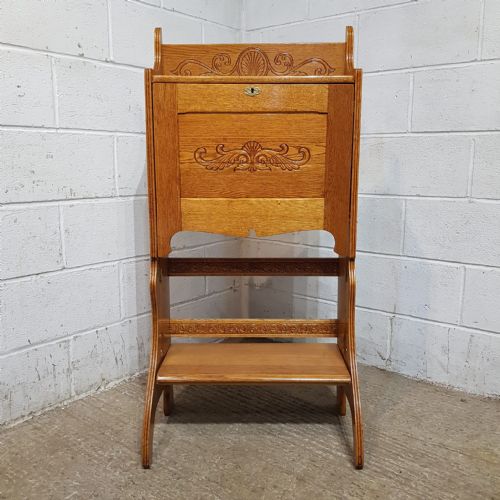
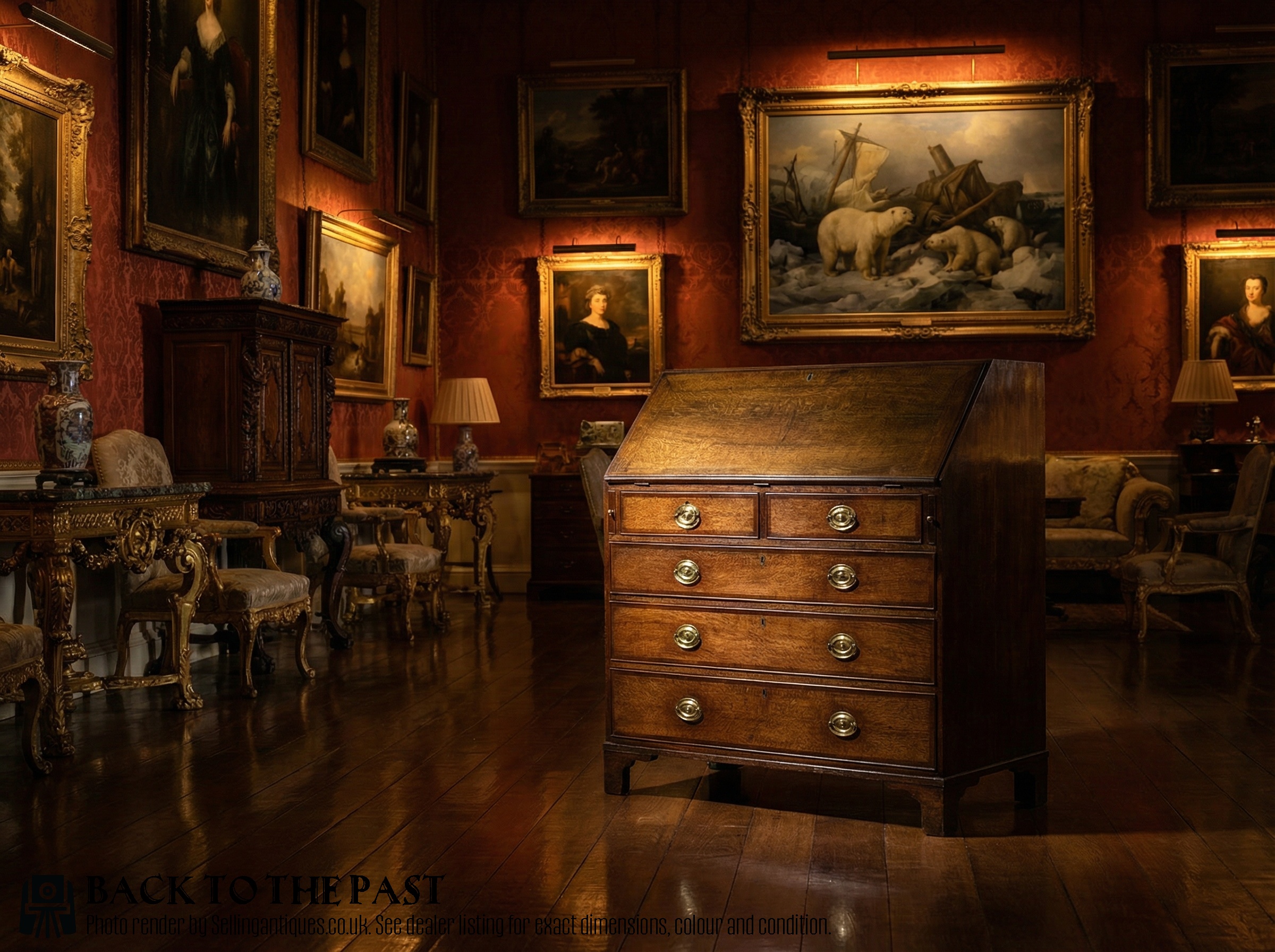
A vintage oak slant desk offers a hinged fall front that drops to reveal a fitted writing interior, combining practical workspace with classic timber character.
Vintage Oak Slant Desk
A vintage oak slant desk is fundamentally a bureau or writing desk designed with a sloping fall front, appearing across periods from the 17th century through to the 1930s. When buyers search this phrase, they encounter diverse forms ranging from simple Edwardian writing desks to substantial bureau bookcases and early oak pieces.
Makers and regional styles represented in the listings span from Cotswold School pieces to Jacobean revival interpretations and labelled department store items. Buyers searching for this phrase will find that oak remains the dominant material, sometimes accompanied by ebonised details or brass hardware.
Materials and construction methods
Construction relies primarily on solid oak, frequently finished in a golden tone or enriched with linenfold carving, panel detailing, and ebonised accents. Makers utilised traditional joinery techniques to build robust fall-front mechanisms and complex internal compartments comprising small drawers and pigeonholes.
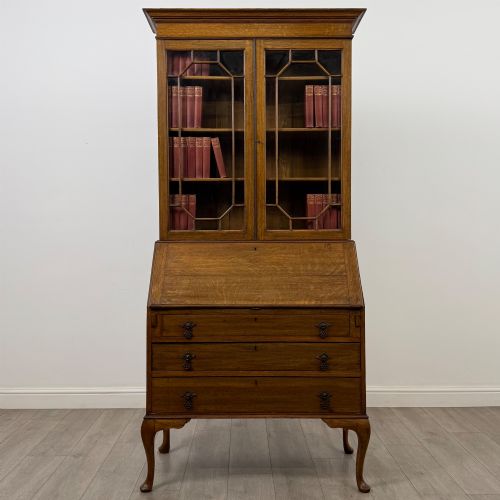
Hardware elements incorporate brass and iron for hinges, handles, and escutcheons, while select bureau bookcases integrate glazed upper cabinet doors framed in timber. Secondary materials such as glass and copper appear in associated items like letter boxes and display furniture.
Listings span from the 17th century through Georgian, Victorian, Edwardian, and 1930s periods, demonstrating sustained demand for oak writing furniture.
Distinctions in craftsmanship and design
Quality varies significantly in the intricacy of the internal fittings, where superior pieces showcase secret compartments, finely turned small drawers, and stepped pigeonholes behind the fall front. Plain utility versions contrast with heavily carved Jacobean revival or Cotswold School examples that demonstrate individual maker artistry.
The choice of timber grain, particularly select golden oak or richly patinated 18th-century boards, separates ordinary production items from exceptional workshop pieces. Structural integrity of the slant fall-front hinges and the presence of original maker labels further define the upper tier of the range.
Heals of London·Arthur Basil Reynolds·Stanley Webb Davies·Pairs MFG Co
The Vintage Oak Slant Desk Glossary
- Fall front
- The sloping hinged panel on a bureau that pulls down to serve as a writing surface. It conceals the internal drawers and pigeonholes when closed.
- Bureau bookcase
- A dual-purpose tall furniture form combining a slant desk base with upper shelving enclosed by doors, often glazed. These pieces provide substantial storage for books and writing materials.
- Linenfold
- A style of carved wooden panelling that imitates folded vertical folds of linen. This decorative motif appears frequently on Edwardian oak furniture.
- Pigeonhole
- A small compartment within a desk interior used for sorting letters and papers. In better pieces, these compartments feature arched tops or tiny flanking drawers.
- Cotswold School
- An Arts and Crafts design movement centred in the Cotswolds that emphasised simple craftsmanship and visible construction. Pieces from this tradition are often attributed to specific named makers.
Vintage Oak Slant Desk: Frequently Asked Questions
What is a slant desk?
A slant desk is a piece of furniture featuring a sloping hinged lid that opens to provide a writing surface. It typically encloses a fitted interior with small drawers and pigeonholes for correspondence.
In the context of these listings, they are commonly referred to as bureaux or writing desks, spanning several centuries of British cabinet making.
How do I date an oak bureau?
Dating an oak bureau involves examining the construction methods, handle hardware, timber patination, and stylistic revival cues. Georgian and 18th-century pieces generally show hand-cut dovetails and simpler structural lines.
Later Edwardian and 1920s examples often incorporate revival styles such as Jacobean linenfold carving or Arts and Crafts simplicity, alongside machine-assisted joinery.
Where were these desks used?
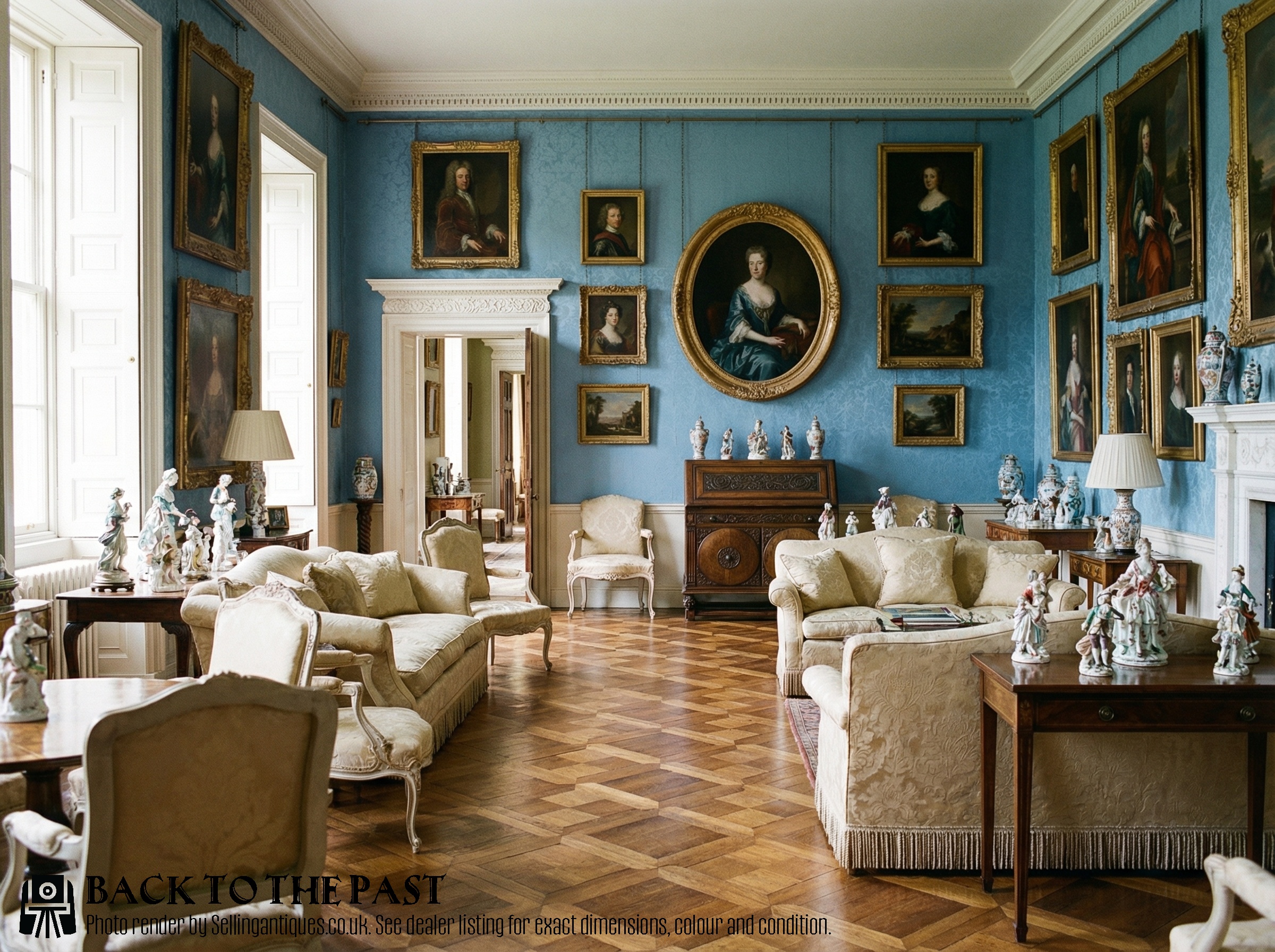
These desks served primarily as private writing cabinets for correspondence, household administration, and record keeping in period homes. They were placed in studies, bedrooms, and reception rooms where secure storage for letters was necessary.
Some specialised variations found in the listings functioned as commercial reception greeting stations or school desks for children.
How do I care for vintage oak?
Vintage oak benefits from minimal intervention, maintaining its natural finish through light dusting with a dry or slightly damp cloth. Avoiding direct sunlight and extreme humidity changes protects the timber and the antique polish.
Regular waxing with a traditional beeswax preserves the lustre of the grain without building up heavy chemical residue.