
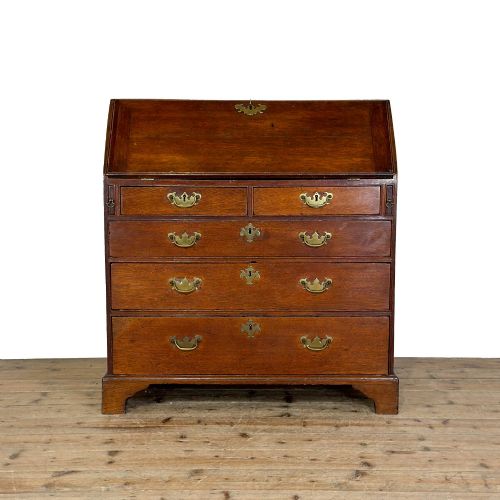
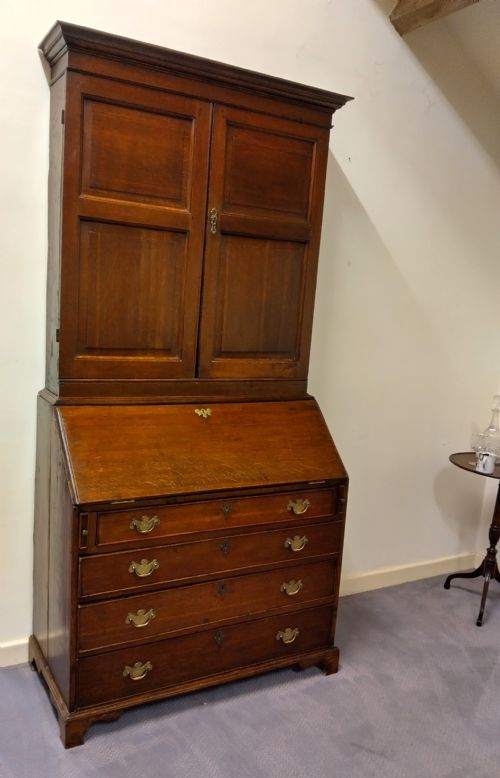
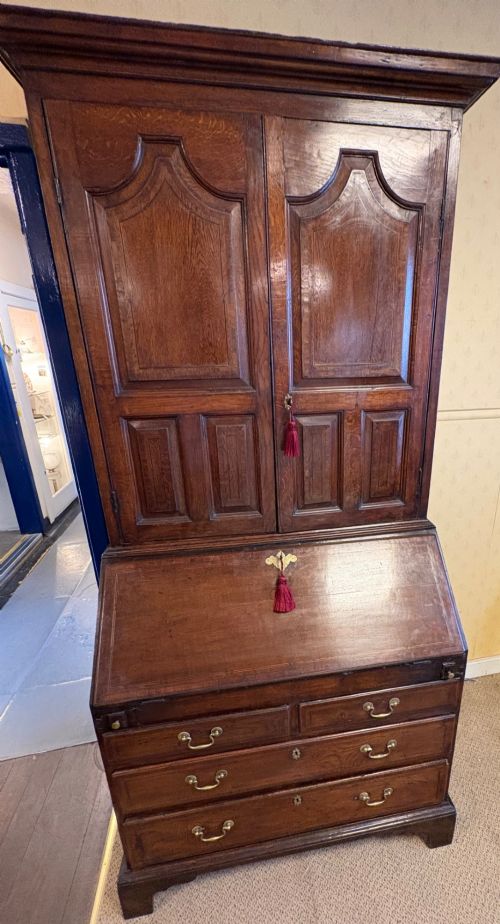
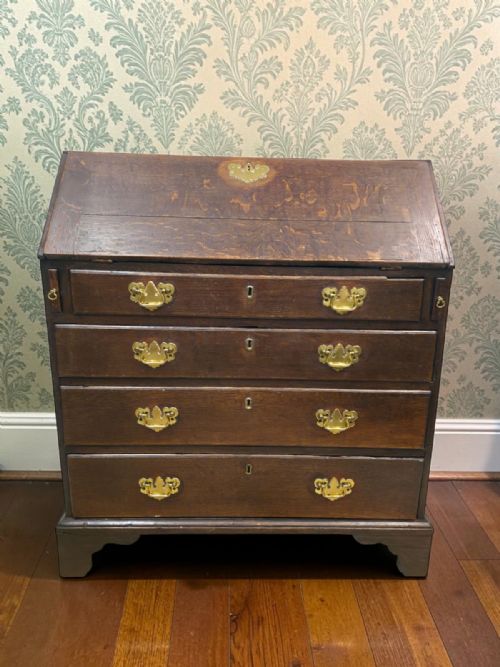




Georgian Oak Bureau Desk
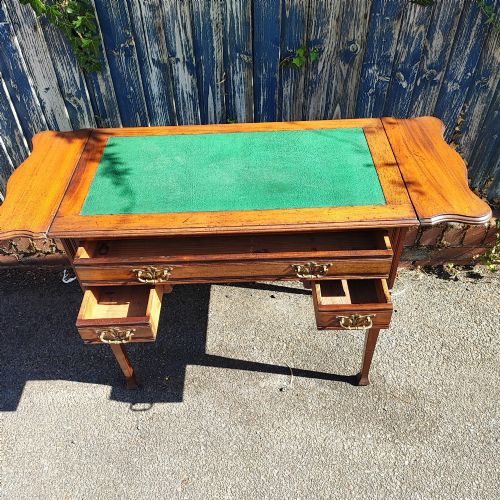
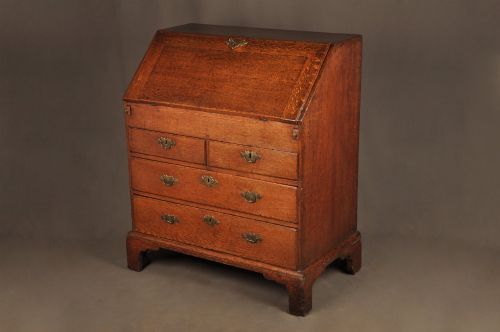
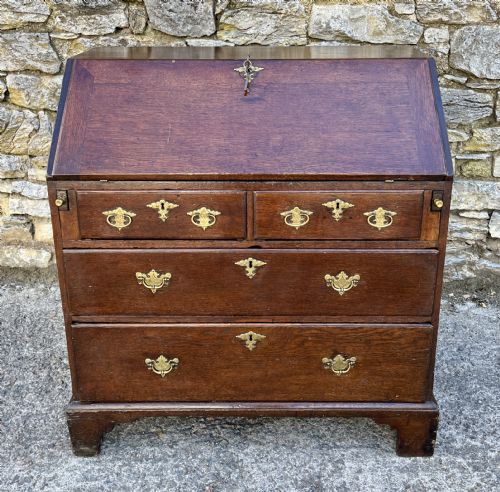
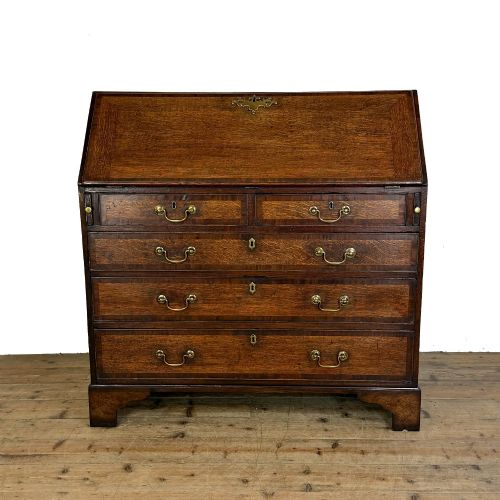
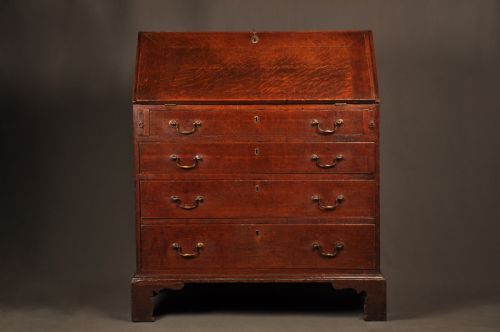
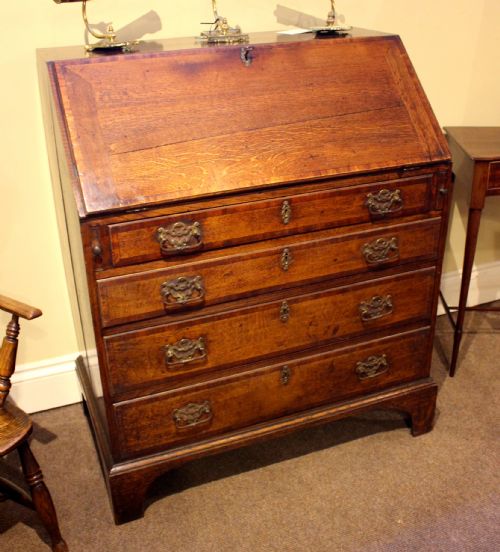
When you select a georgian oak bureau desk, you choose a sturdy working cabinet designed for letters and ledgers with a drop-down writing flap.
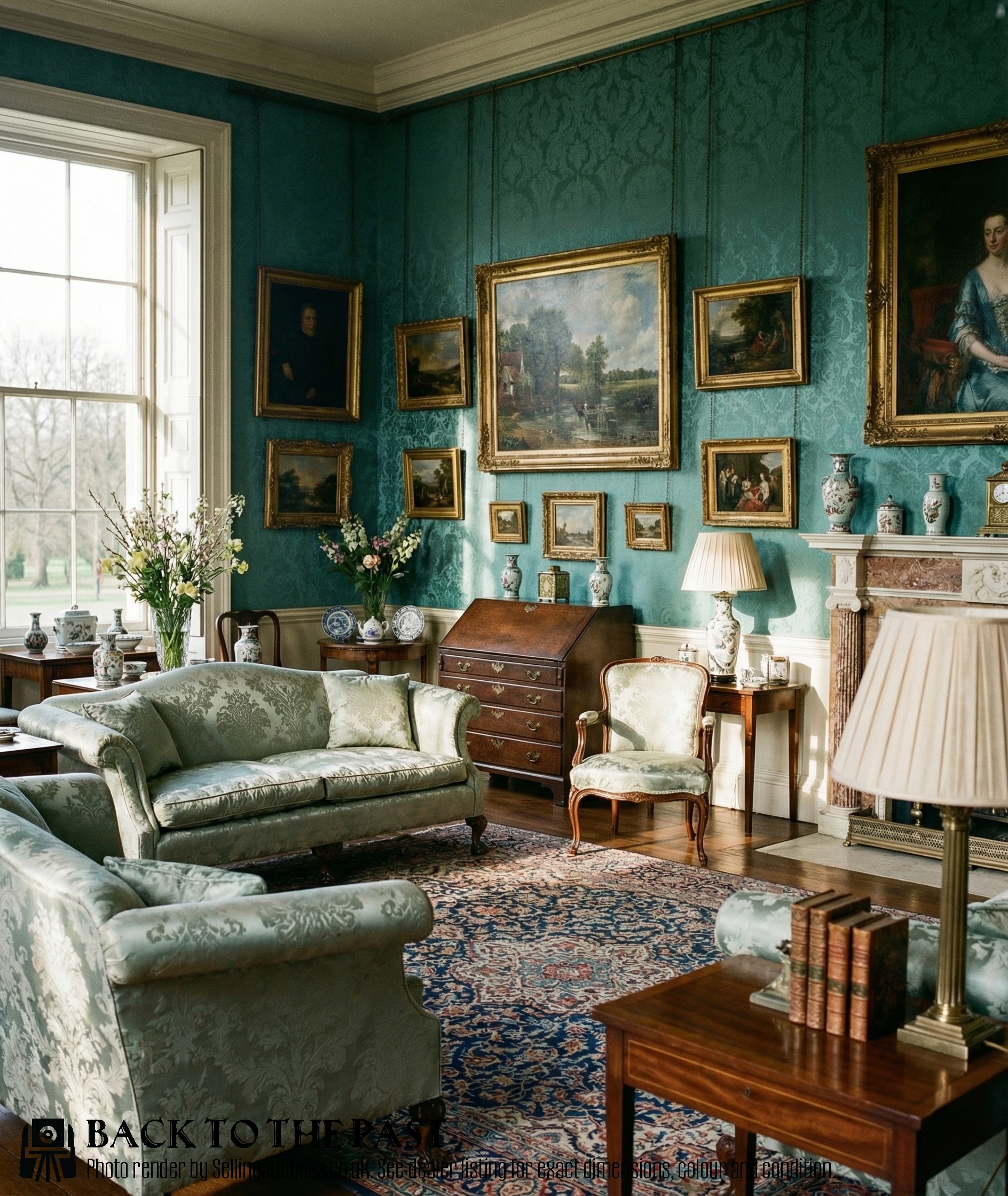
Georgian Oak Bureau Desk
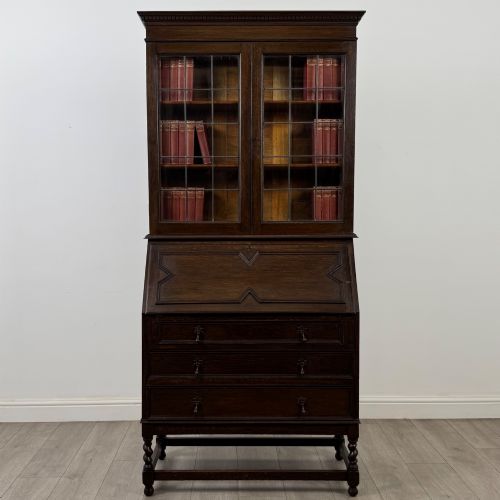
A georgian oak bureau desk combines a practical writing slope with drawers beneath, forming a traditional workspace used throughout the eighteenth century and beyond. These pieces range from compact country examples to larger cabinet formats topped with bookshelves.
Most items on this page date from the Georgian period or the eighteenth century, though variations extend from seventeenth-century vernacular pieces to later Edwardian revivals. They typically present a fall-front board that opens to reveal internal pigeonholes and small drawers.
Makers utilised native timber, often pairing solid oak carcasses with secondary woods and brass handles. The domestic scale of these desks makes them suited for modern study spaces and living rooms alike.
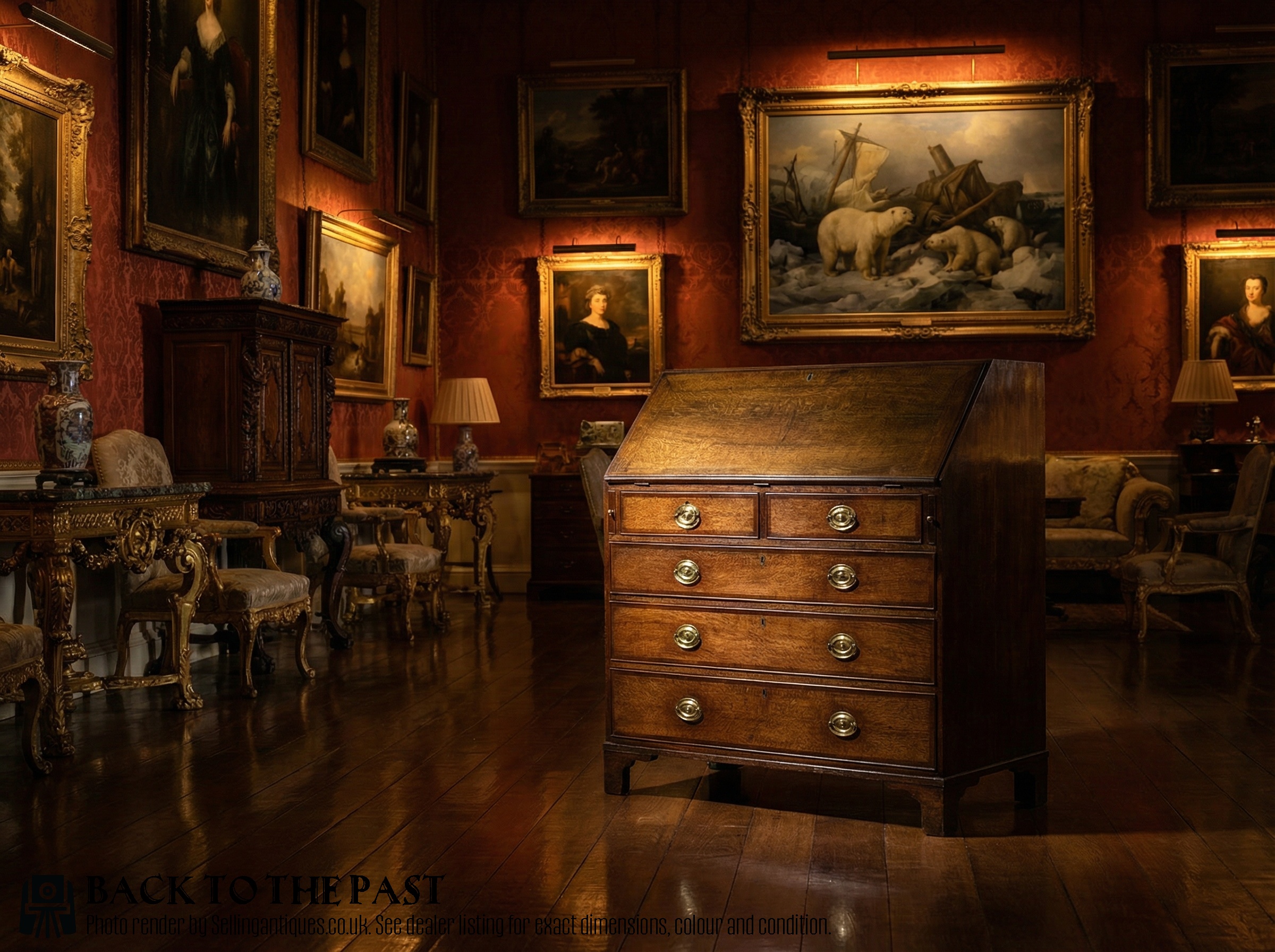
Materials and Construction
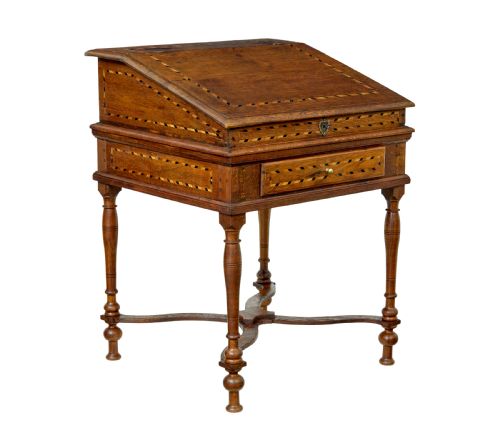
Cabinetmakers built these desks primarily using solid oak, sometimes selecting quarter-sawn boards that display attractive medullary rays. Selected pieces incorporate crossbanding, inlay, or secondary panels of walnut and fruitwood.
Internal compartments often feature stepped drawers and secret compartments constructed with dovetail joints. Iron and brass hardware, including drop handles and escutcheons, secure the fall-front writing surface and internal pigeonholes.
Georgian Oak Bureau Desk Retail Price Guide 2026
Typical asking prices for georgian oak bureau desk among the pieces listed under this phrase on Sellingantiques today, from the lower quarter to the upper quarter. They describe what is for sale here now, not the wider market.
Secret drawers hidden behind stepped internal compartments offered Georgian writers a private space for their most confidential notes.
Judging Quality and Craftsmanship
The standard of a bureau rests on the selection of timber and the precision of its joinery. Fine examples show careful grain matching across the fall-front and balanced proportions in the internal stepped drawers.
Subtleties such as hand-cut dovetails, original brass fittings, and well-executed crossbanding separate master-built pieces from simpler country work. Alterations, adaptions for modern televisions, or replacement hardware distinguish heavily modified items from untouched originals.
The Georgian Oak Bureau Desk Glossary
- Fall-front
- A hinged writing flap that drops down to provide a horizontal desk surface. It conceals the internal pigeonholes and small drawers when closed.
- Stepped interior
- An arrangement of internal drawers and pigeonholes arranged in ascending tiers. This feature is often found in higher-quality eighteenth-century examples.
- Crossbanding
- A narrow strip of veneer applied around the border of a drawer front or writing flap. The grain runs perpendicular to the surrounding wood for decorative contrast.
- Pigeonhole
- A small, open compartment built into the interior of the desk for sorting letters and papers. They form part of the fitted writing compartment behind the fall-front.
- Escutcheon
- A protective brass plate surrounding a keyhole. It prevents the wood from splitting around the lock.
Georgian Oak Bureau Desk: Frequently Asked Questions
What is a bureau desk?
A bureau desk is a compact item of furniture featuring a sloping hinged lid that opens for writing. Inside, you find a collection of small compartments and drawers for stationery.
Beneath the writing flap, several larger drawers provide storage for household papers or ledgers. This format became popular for home administration during the eighteenth century.
How do I date an oak bureau?
Dating relies on observing construction methods, timber choice, and hardware styles. Eighteenth-century pieces typically show hand-cut dovetails and vernacular oak construction without machine uniformity.
Secondary indicators include the design of the interior pigeonholes and the presence of crossbanding or inlay work. Later revival pieces often use standardised screws and modern timber preparation.
Where were these desks placed?
These desks served as practical writing stations in parlours, studies, and private chambers. Their compact footprint allowed them to fit easily into domestic spaces.
Today, they function well as writing tables or laptop stations in modern home offices. Their enclosed storage keeps working materials hidden when not in use.