
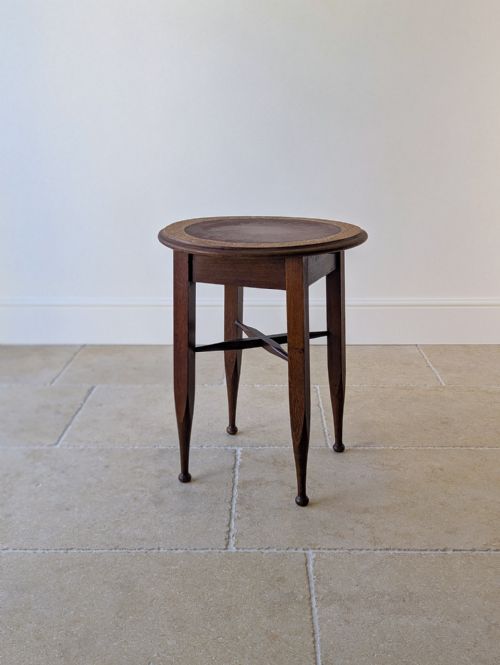

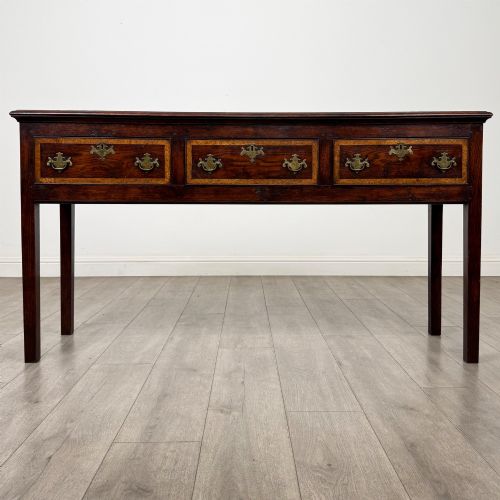
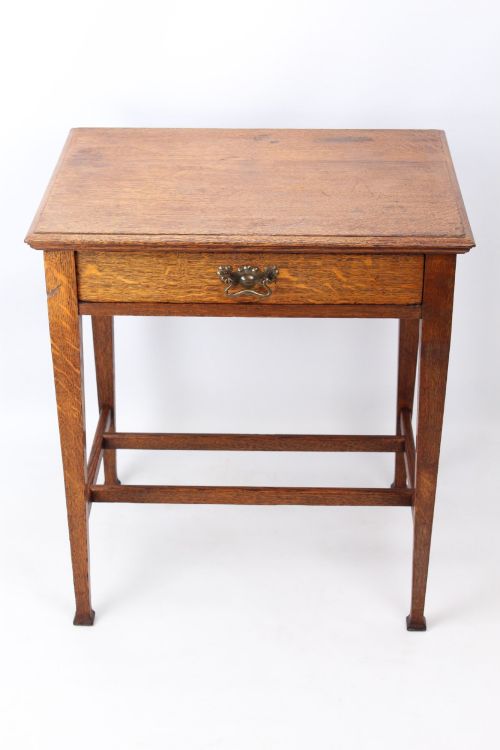
Vintage Oak Side Table
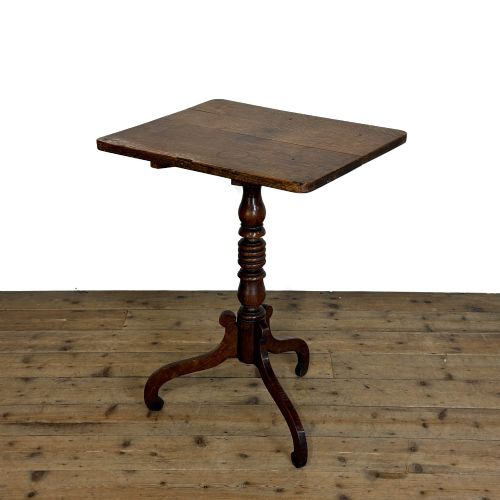
A vintage oak side table brings honest timber and dependable surface space into a room, spanning styles from Arts and Crafts to Jacobean Revival.
Vintage Oak Side Table
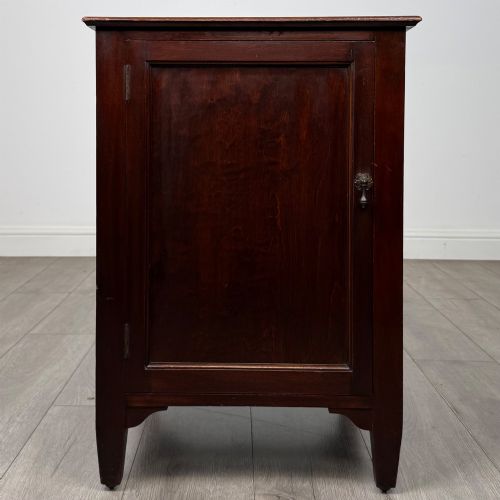
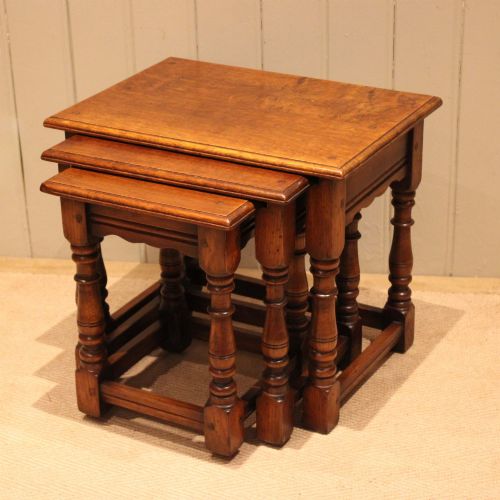
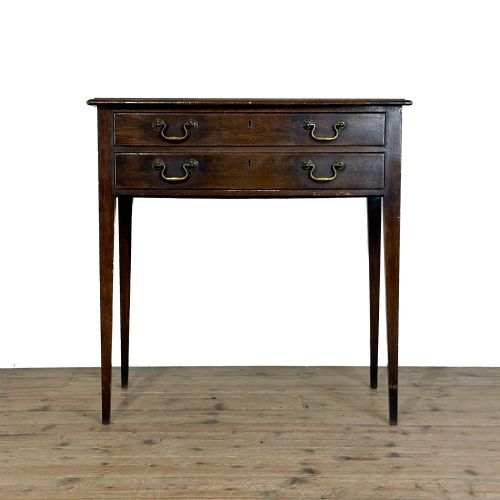
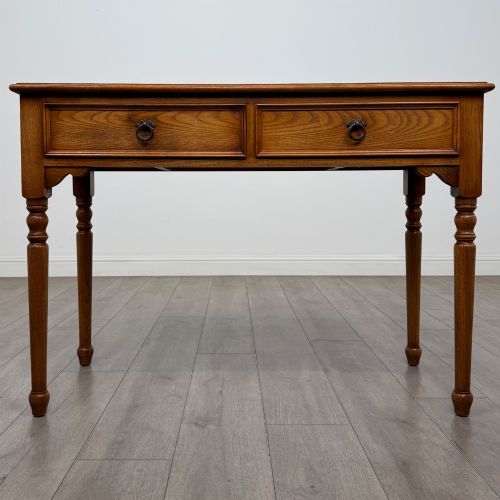
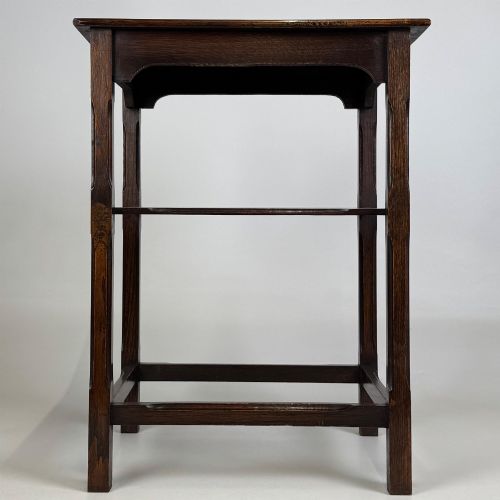
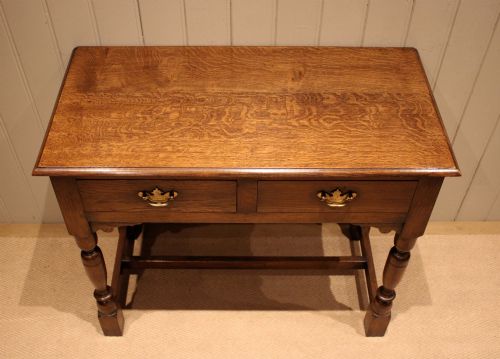
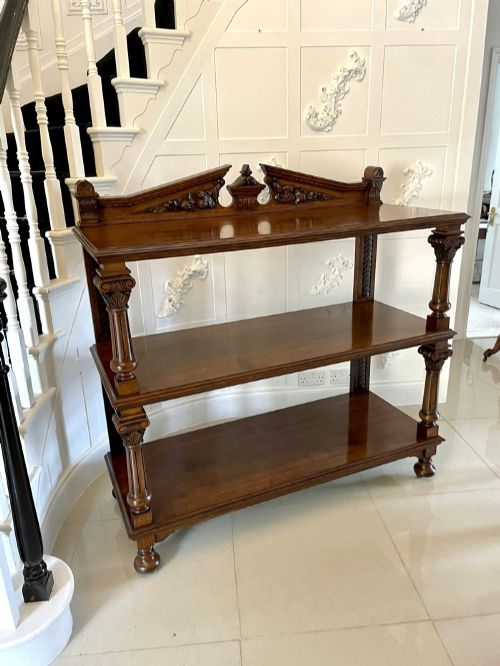
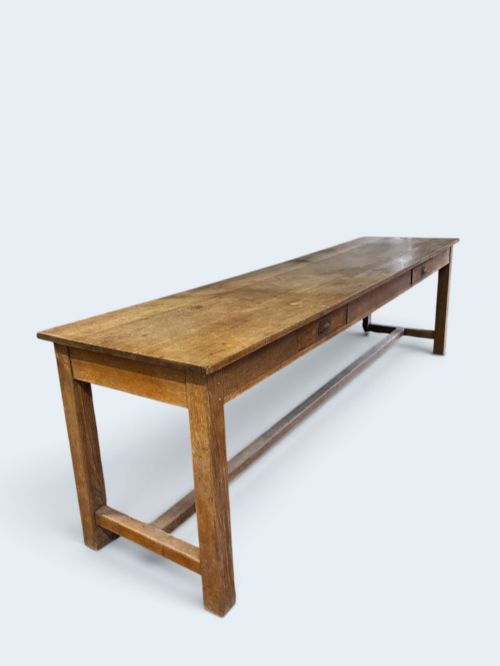
A vintage oak side table serves as a sturdy auxiliary surface, appearing in forms ranging from simple gateleg designs and lowboys to tiered trolleys and nests of three tables. The pieces documented here span the Victorian, Edwardian, and Art Deco eras, with a strong representation of early twentieth-century production.
Buyers seeking a vintage oak side table most frequently encounter Edwardian interpretations and pieces dated around nineteen-twenty. These examples demonstrate the enduring popularity of oak for domestic furniture, whether finished in pale tones, honey hues, or limed surfaces.
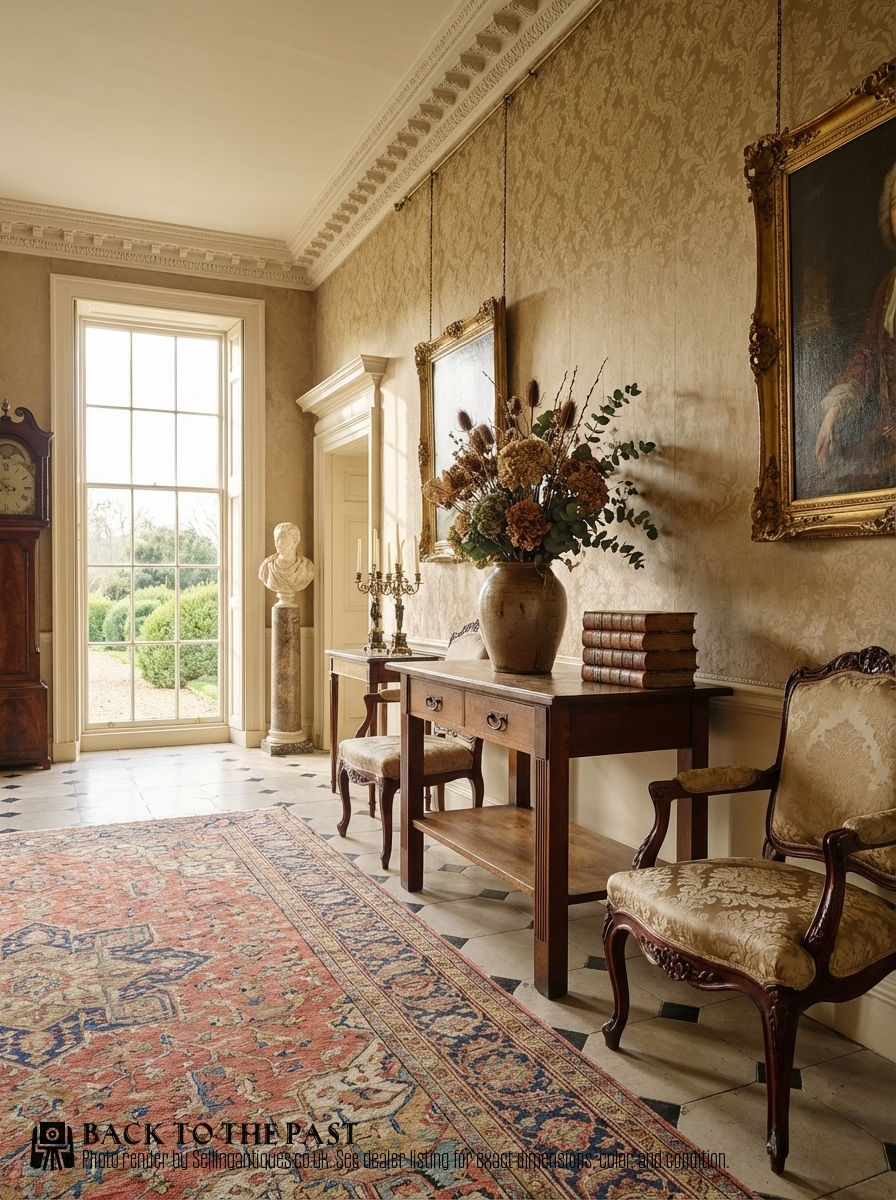
Assessing quality and craftsmanship
The distinction between standard utility items and finer examples rests in the selection of timber and the restraint of the carving. Superior pieces exhibit balanced proportions, well-figured solid oak, and crisp detailing that honours the structural form rather than obscuring it.
Construction integrity defines the upper tier of these tables. Tighter joinery, smoothly operating drawers, and well-balanced pedestals separate carefully considered workshop pieces from more utilitarian factory output.
Vintage Oak Side Table Retail Price Guide 2026
Typical asking prices for vintage oak side table among the pieces listed under this phrase on Sellingantiques today, from the lower quarter to the upper quarter. They describe what is for sale here now, not the wider market.
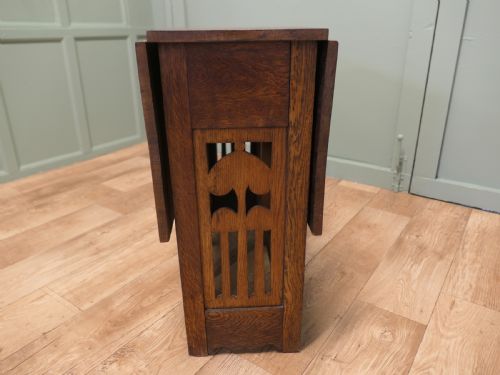
Some side tables cleverly double as magazine racks, proving that past generations appreciated tidy reading material just as much as we do.
The Vintage Oak Side Table Glossary
- Lowboy
- A small oak side table featuring one or more drawers beneath the surface, originating in earlier centuries but frequently interpreted in later revival pieces.
- Gateleg table
- A drop-leaf table with hinged flaps supported by swing legs that move outward to hold the leaves in position.
- Jacobean Revival
- A nineteenth and twentieth-century stylistic movement emulating seventeenth-century English furniture through heavy turning, panelled construction, and geometric carving.
- Cotswold School
- An Arts and Crafts design movement emphasising simple construction, unadorned solid timber, and visible craftsmanship.
- Limed oak
- Timber treated with a white pigment or finish to highlight the open grain, popular during the Art Deco period.
Vintage Oak Side Table: Frequently Asked Questions
How do I date a vintage oak side table?
Dating relies on observing construction methods, timber thickness, and stylistic clues such as hardware and leg turning. Pieces from the Edwardian period often feature lighter framing, while Victorian and revival items tend toward heavier carving and darker finishes.
Maker's marks or registration numbers can sometimes narrow down the decade of production. Comparing the joinery underneath with known period examples remains one of the most reliable methods for establishing age.
Are these tables suitable for daily use?
Solid oak construction makes these tables exceptionally durable and well-suited to holding lamps, books, or drinks in everyday settings. Their robust nature ensures they withstand regular handling without losing stability.
Protecting the surface from excessive moisture and direct heat preserves the finish. Regular dusting and occasional wax application keep the timber nourished over years of domestic service.
What is the difference between Arts and Crafts and Jacobean Revival tables?
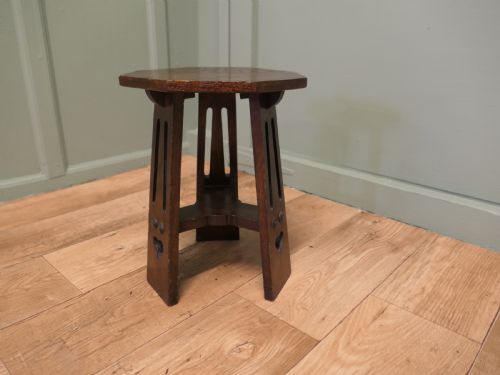
Arts and Crafts pieces focus on honest construction, visible joinery, and simpler geometric forms that celebrate the natural grain of the oak. They often feature octagonal tops or understated plant stand designs.
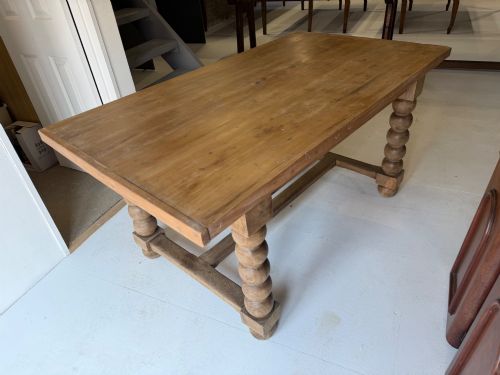
Jacobean Revival tables lean into seventeenth-century aesthetics, displaying heavier turned legs, moulded drawer fronts, and decorative carving. These pieces aim for a more imposing, historic presence within a room.
How do I care for limed oak surfaces?
Limed oak requires gentle cleaning with a soft, dry cloth to prevent the white pigment trapped in the grain from lifting. Avoid harsh chemical cleaners or abrasive scouring pads that can strip the delicate surface treatment.
Applying a specialist wax sparingly helps protect the porous timber without yellowing the limed effect. Keeping the table away from direct sunlight prevents the oak underneath from darkening unevenly.