


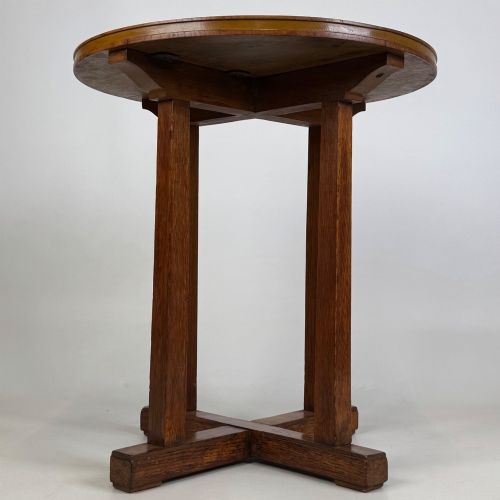
Pedestal Accent Table
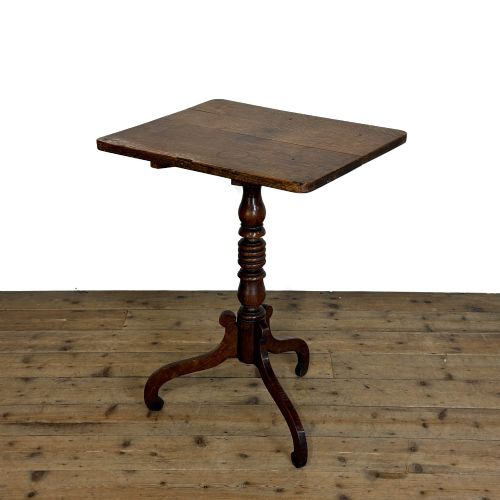
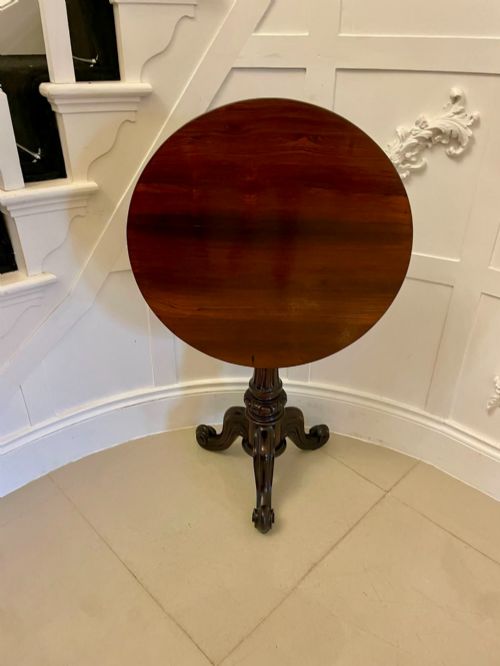
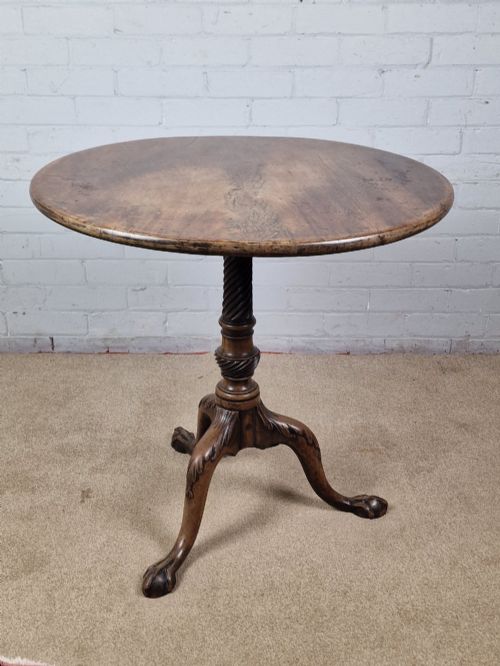
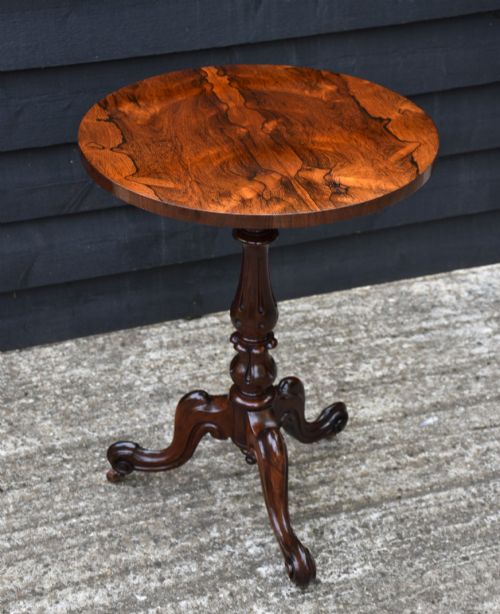
These pedestal accent table designs range from tilt top wine tables to walnut lamp tables, offering practical surfaces raised on central supports.
Pedestal Accent Table
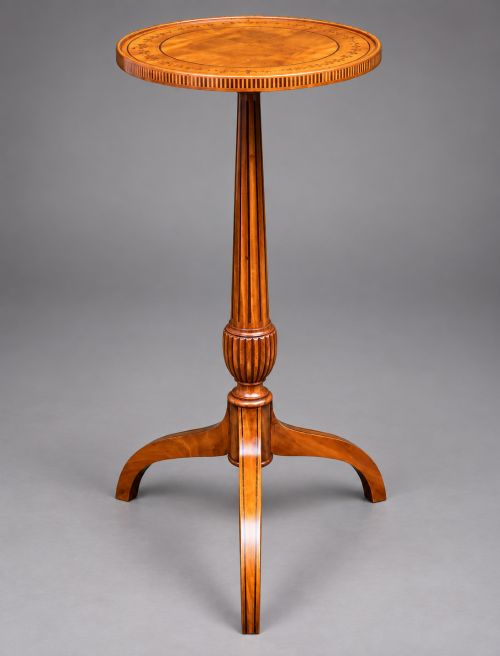
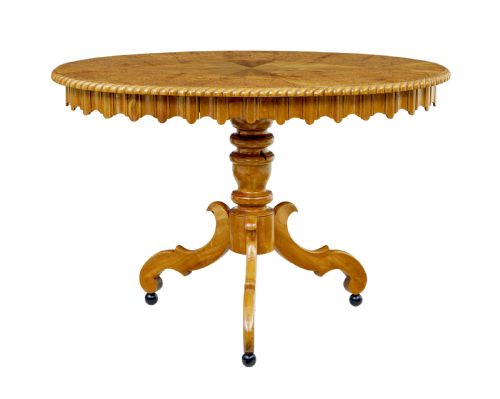
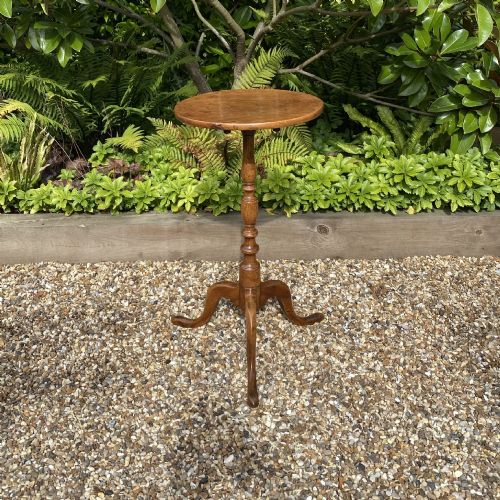
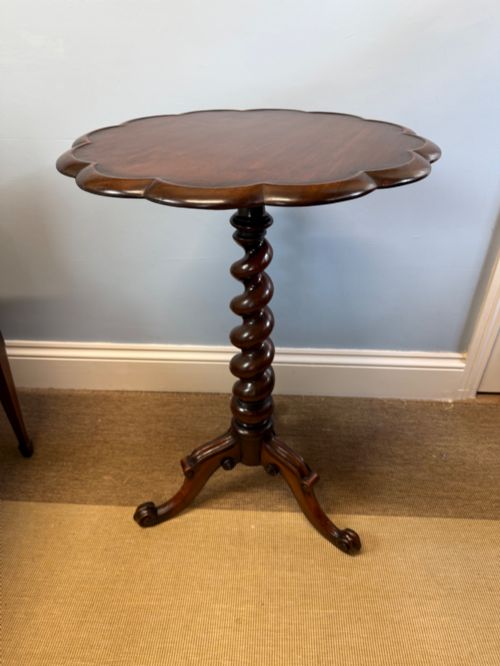
When you search for a pedestal accent table, you encounter compact circular or oval surfaces supported by a central column and tripod or shaped base. These pieces function as wine tables, lamp tables, or occasional tables, designed to stand beside seating or in small spaces. The selection on this page draws heavily from Victorian and Edwardian periods alongside earlier Georgian examples.
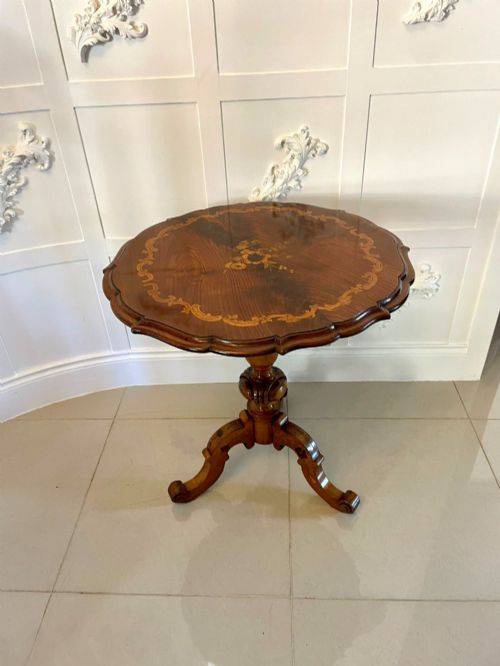
The most common forms you meet include mahogany and walnut wine tables, tilt top examples, and occasional tables with marquetry or inlaid details. Woods such as oak, rosewood, and pine appear frequently across nineteenth-century and twentieth-century pieces. Occasional variations include painted finishes, marble tops, and brass mounts.
Origin and period heavily influence the character of each piece, spanning from eighteenth-century Irish and English designs through to Arts and Crafts and later twentieth-century iterations. Whether you require a small tripod table for a corner or a larger centre table, the format remains fundamentally centred on a single pedestal shaft.
How they were made
Cabinet makers constructed these tables using dense hardwoods like mahogany, walnut, and oak, often selecting burr wood veneers for figured top surfaces. Turning lathes shaped the central pedestals and legs, while joinery techniques such as dovetails and tenons secured the frameworks. Inlaid decoration utilised contrasting timbers like satinwood or added mother of pearl details.
Surface finishing involved hand polishing with shellac or wax to highlight the natural grain of the timber. Tilt top mechanisms relied on brass catches and wooden birdcage or block pivots to allow the table top to fold flat when not in use. Gilded brass mounts and leather inset tops provided additional decorative and functional elements.
The inventory includes specialised forms such as tilt top tables, wine tables, centre tables, and occasional lamp tables with inlaid surfaces.
What varies in quality
The distinction between standard examples and finer pieces rests upon the selection of timber and the precision of the hand carving. Superior tables exhibit highly figured burr walnut, rosewood, or satinwood veneers matched symmetrically across the surface, whereas lesser pieces use plain or secondary timbers. The crispness of turning on the pedestal shaft and the stability of the tripod base also dictate the grade of manufacture.
Marquetry and inlay work mark another tier of distinction, where intricate floral motifs executed in varied woods demonstrate superior craftsmanship compared to simpler painted or plain tops. Furthermore, the presence of operational tilt top mechanisms fitted with original brass hardware elevates the standing of an occasional table within the range.
Gillows
The Pedestal Accent Table Glossary
- Tilt top table
- A table featuring a hinged top that rotates to a vertical position for storage against a wall. This mechanism typically utilises a wooden catch or brass latch.
- Tripod base
- A pedestal support terminating in three individual feet or legs. This configuration ensures stability on uneven floors.
- Wine table
- A small occasional table designed to hold a glass or bottle beside a chair. These pieces usually feature circular tops supported by a slender column.
- Marquetry
- Decorative veneer work forming pictures or patterns by fitting together small pieces of coloured wood, shell, or ivory. Craftsmen embed these designs directly into the surface timber.
- Gueridon
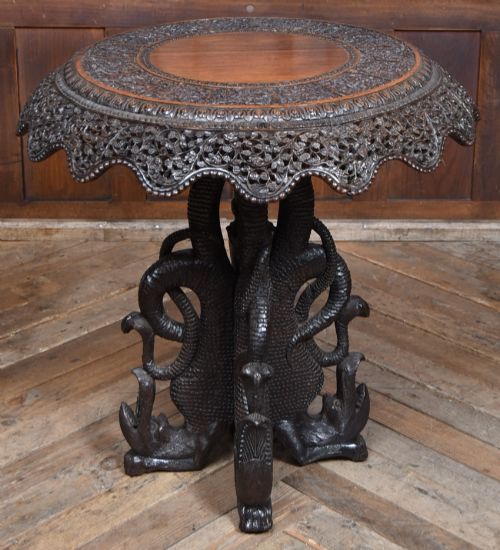
- A small French occasional table or stand supported by a central column or figures. The form originated in the seventeenth century and remained popular through the Victorian era.
Pedestal Accent Table: Frequently Asked Questions
How were pedestal accent tables used originally?
These tables served primarily as movable surfaces for holding drinks, books, or lamps beside seating areas in reception rooms. Smaller tilt top versions were folded down only when needed and stored against walls to preserve floor space.
In larger rooms, centre tables stood independently to display decorative objects or accommodate writing materials. Their lightweight pedestal construction allowed servants to reposition them easily throughout the house.
How do I identify a Victorian pedestal table?
Victorian examples often feature rich timbers like burr walnut and rosewood, frequently enhanced with marquetry inlay or shaped pie crust rims. The turning on the central pedestal tends to be heavier and more ornate than earlier Georgian counterparts.
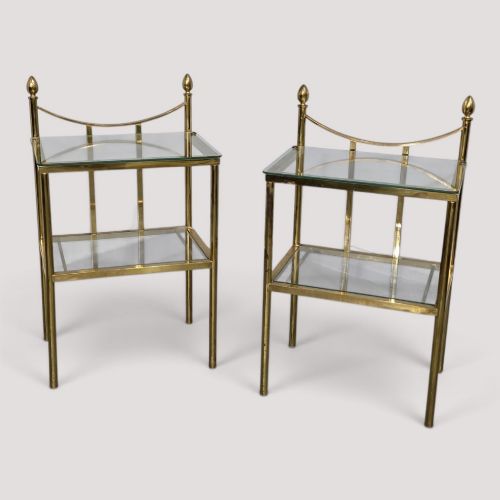
Construction methods from this era also include machine-sawn components alongside traditional hand joinery. Many pieces incorporate tilt top mechanisms or brass and glass elements characteristic of the late nineteenth century.
Where should I place a wine table?
A wine table fits well beside an armchair or sofa where surface space is needed for a cup or book. Because of their compact footprint, they occupy awkward corners or narrow gaps between furniture without cluttering the room.
Their decorative timber grains and inlaid tops also make them suitable as display pedestals for small sculptures or plants. Placing them away from direct heat sources protects the polished wood finishes.
What is the difference between a lamp table and a wine table?
Lamp tables generally offer slightly broader surfaces and sturdier proportions to safely support lighting fixtures and heavier bases. Wine tables are traditionally smaller and lighter, engineered for temporary placement next to seating.
Both terms describe similar pedestal formats, but historical listings often distinguish them by scale and top diameter. In practice, either type functions effectively for drinks or small decorative items.