
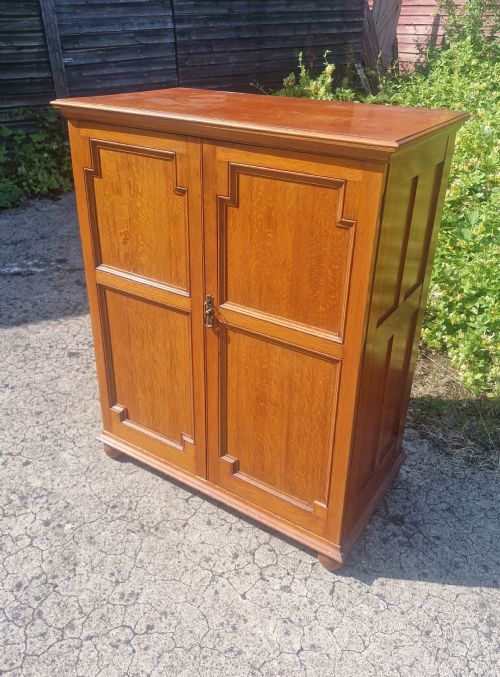
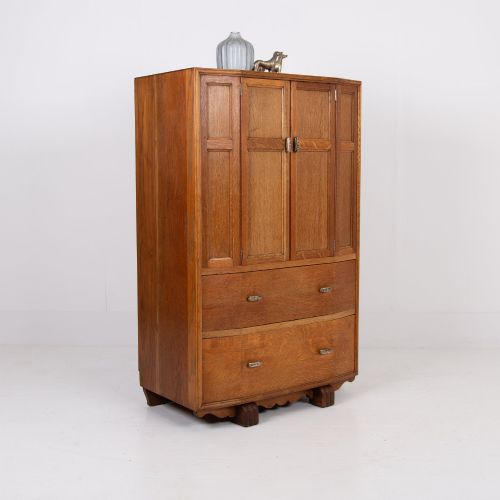
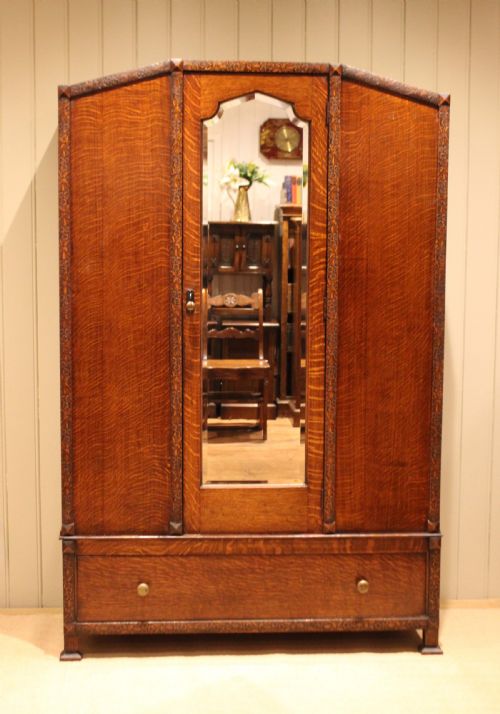

Vintage Oak Press Cupboard
A vintage oak press cupboard delivers robust timber storage with deep historical roots, bringing traditional craft and panelled utility into domestic rooms.
Vintage Oak Press Cupboard
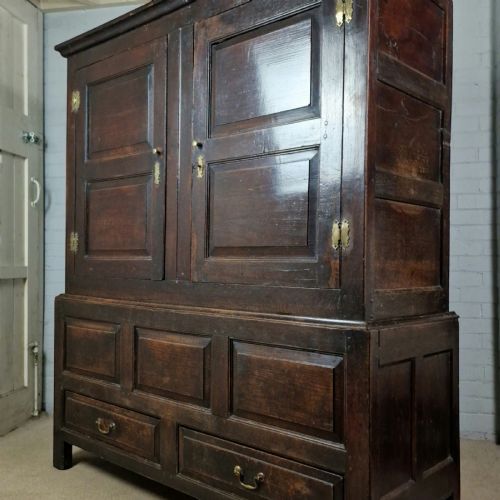
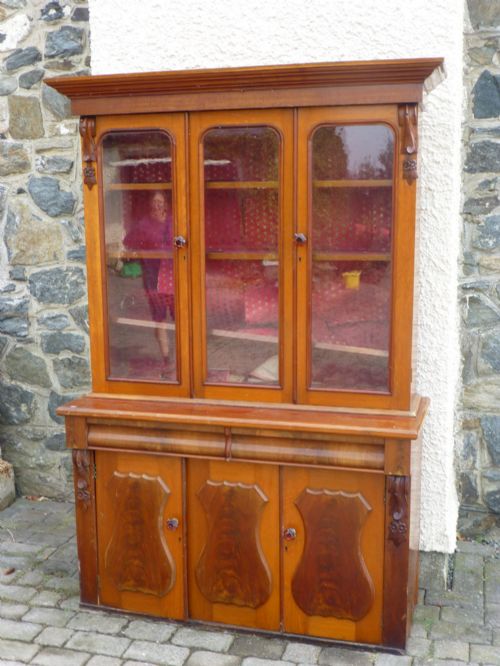
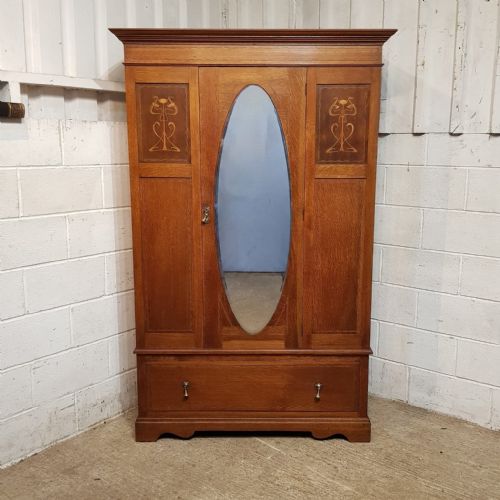
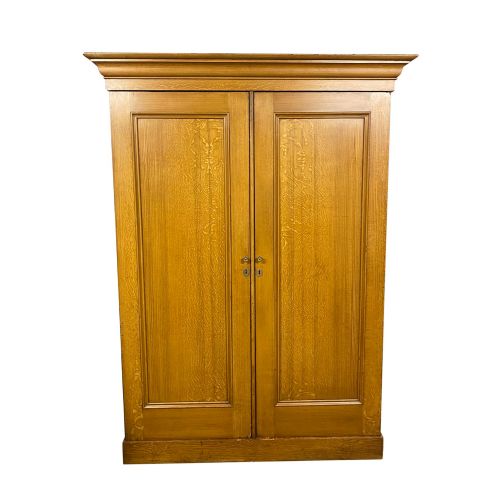
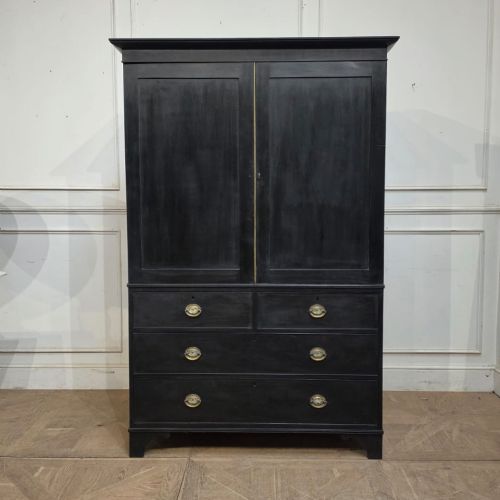
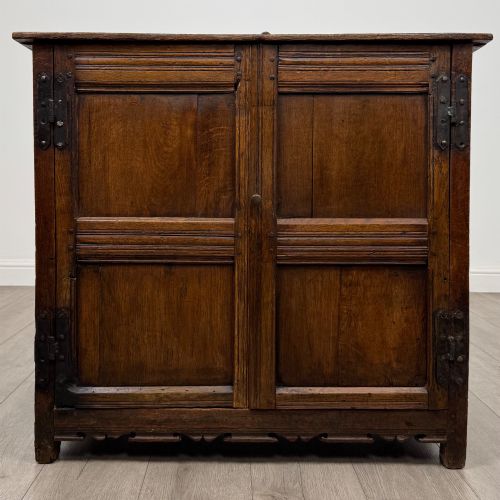
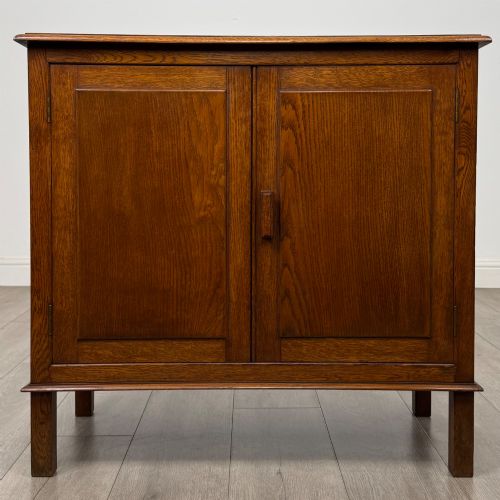
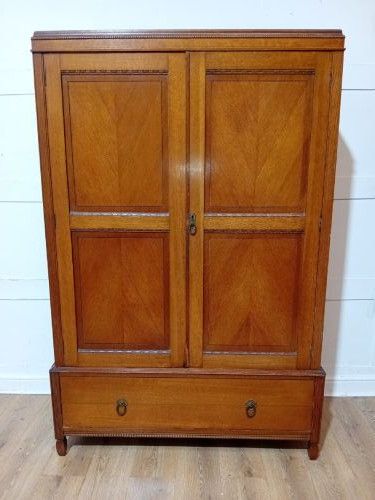
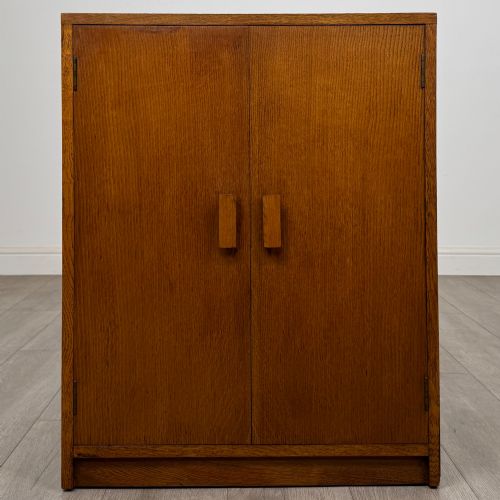
A vintage oak press cupboard spans centuries of utilitarian furniture design, encompassing heavy regional forms and lighter revival pieces. Buyers seeking this phrase encounter a broad assortment of large storage furniture, including traditional linen presses, court cupboards, and panelled wardrobes made from solid timber.
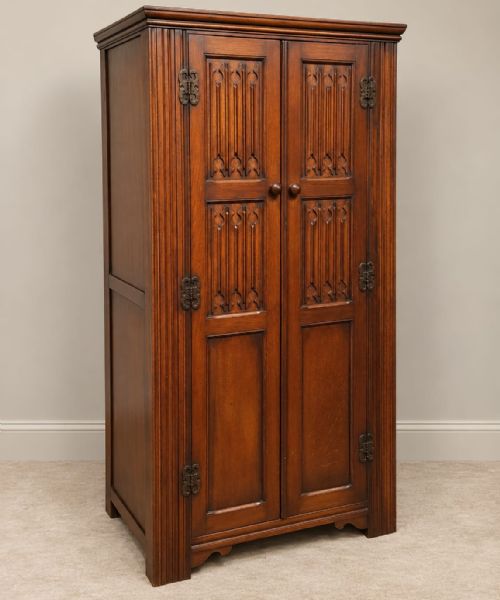
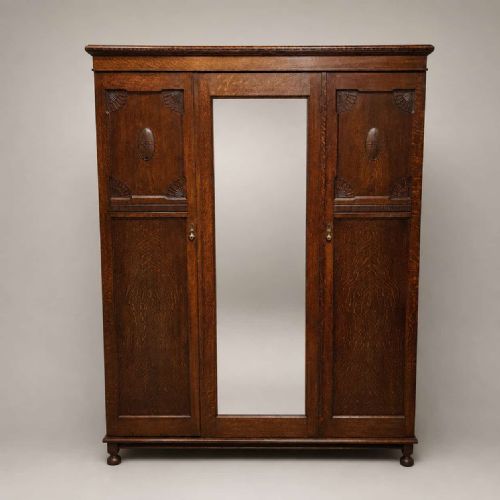
The pieces on this page draw from periods ranging from the eighteenth century through to the early decades of the twentieth century. Early examples display regional vernacular shapes like the Welsh deuddarn, while later items reflect Edwardian fitted compartments, Arts and Crafts influences, and Jacobean revival carving.
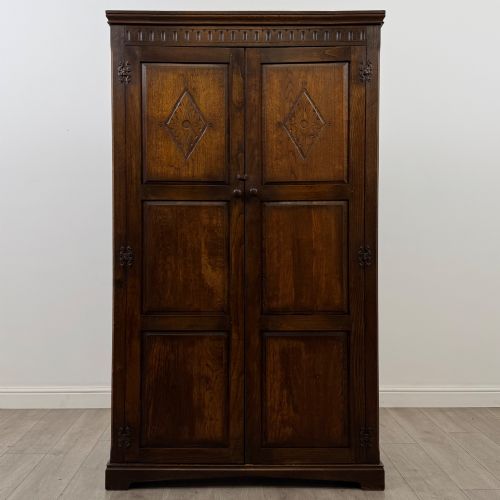
Most entries combine spacious internal storage with distinct stylistic detailing such as fielded panels, carved friezes, and brass hardware. Whether configured as a tallboy, a wardrobe, or a traditional linen press, each item centres on the substantial weight and enduring grain of oak.
Distinctions in construction and finish
The calibre of a vintage oak press cupboard rests on the selection of timber and the precision of its joinery. Superior examples demonstrate tight, hand-cut joints and finely figured oak grain across primary display surfaces, whereas simpler items utilise plain boards and heavier, less refined fixings.
Carved detailing represents another clear dividing line between standard utilitarian items and bespoke pieces. Deeply carved friezes, balanced panel proportions, and original brass or wrought iron hardware elevate the visual authority of the piece compared to plain, unadorned surfaces.
Listings feature oak alongside secondary materials such as brass, iron, glass, mahogany, and pine across multiple centuries.
Harris Lebus
The Vintage Oak Press Cupboard Glossary
- Press cupboard
- A large storage cabinet traditionally used for linens and clothing, featuring enclosed upper or lower sections with internal shelves or hanging space.
- Court cupboard
- A traditional English sideboard or cabinet dating back to earlier centuries, typically featuring stacked tiers and decorative carved supports.
- Deuddarn
- A traditional Welsh two-tier oak cupboard originating from the seventeenth and eighteenth centuries, characterised by recessed upper sections.
- Scumble paintwork
- A decorative surface treatment applied to imitate more expensive woods or grain patterns, seen on nineteenth-century functional furniture.
- Compactum
- A multi-functional wardrobe design combining hanging space, drawers, and shelving within a single compact footprint.
Vintage Oak Press Cupboard: Frequently Asked Questions
What is a vintage oak press cupboard?
A vintage oak press cupboard is a substantial wooden storage cabinet designed for garments, textiles, and household goods. These pieces utilise sturdy oak construction to provide deep internal shelving and hanging space.
Originating across multiple centuries, they range from vernacular eighteenth-century Welsh styles to early twentieth-century Edwardian wardrobes and compactum designs.
How were press cupboards used historically?
Households utilised these large cabinets primarily to store freshly laundered linen, folded garments, and household provisions. The enclosed shelving kept dust away from textiles in homes before modern fitted wardrobes existed.
In larger domestic settings, housekeeper cupboards and kitchen presses served as central storage hubs for daily provisions and household equipment.
How do I fit a large oak cupboard into a modern room?
Placing a heavy oak cupboard requires measuring ceiling height and floor space carefully to accommodate its substantial proportions. Because these pieces are exceptionally heavy, positioning them against a secure wall in a bedroom or hallway ensures stability.
Allowing sufficient clearance for panelled doors to open fully prevents obstruction in tighter contemporary layouts.
How can I tell the period of an oak press?
Dating relies on observing construction methods, hardware types, and stylistic motifs present on the timber frame. Eighteenth-century examples often feature hand-carved details and pegged joinery, while twentieth-century pieces incorporate factory-produced hinges and simpler internal fittings.
Labels or stamps from makers provide definitive chronological markers for pieces produced during the Edwardian era and later.