


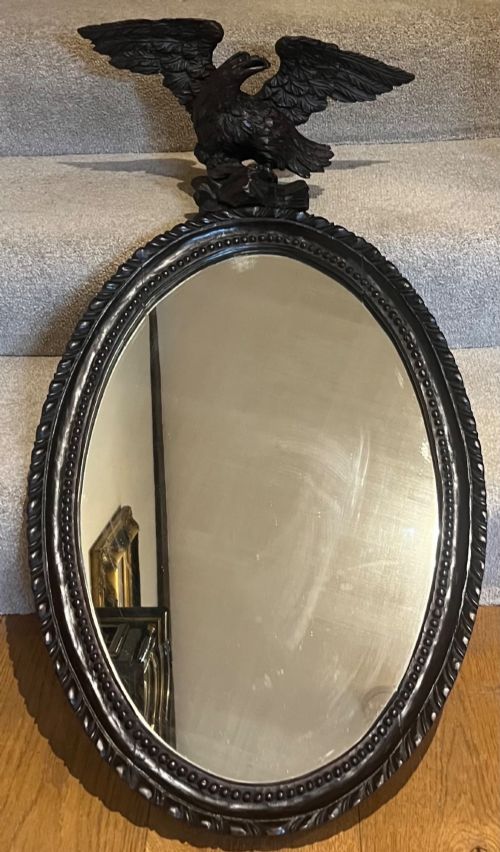

Vintage Oak Frame Mirror
A vintage oak frame mirror brings solid timber grain and reflective depth into a hallway or living space.
Vintage Oak Frame Mirror
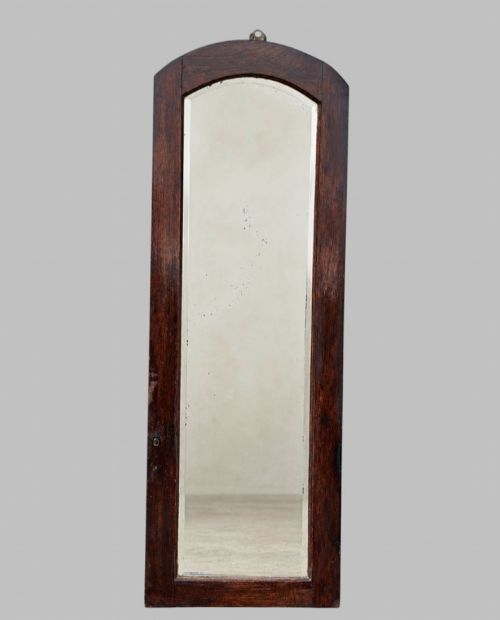
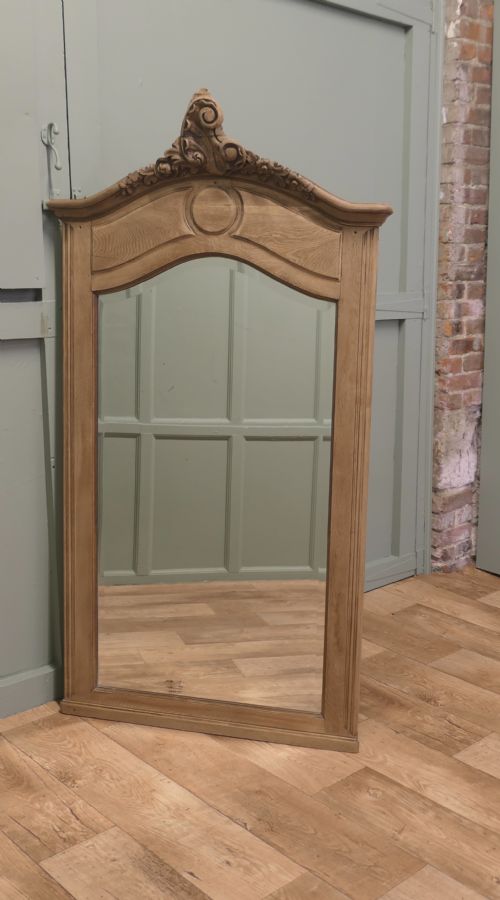
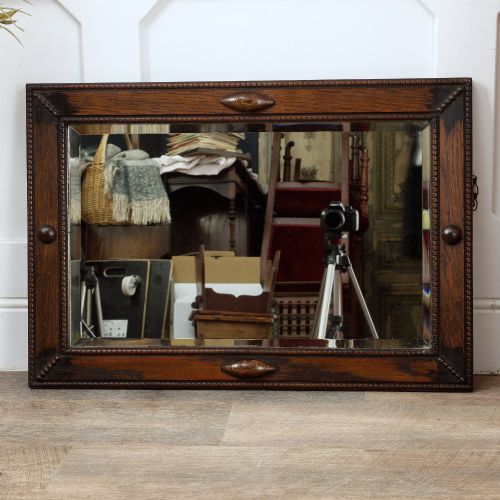
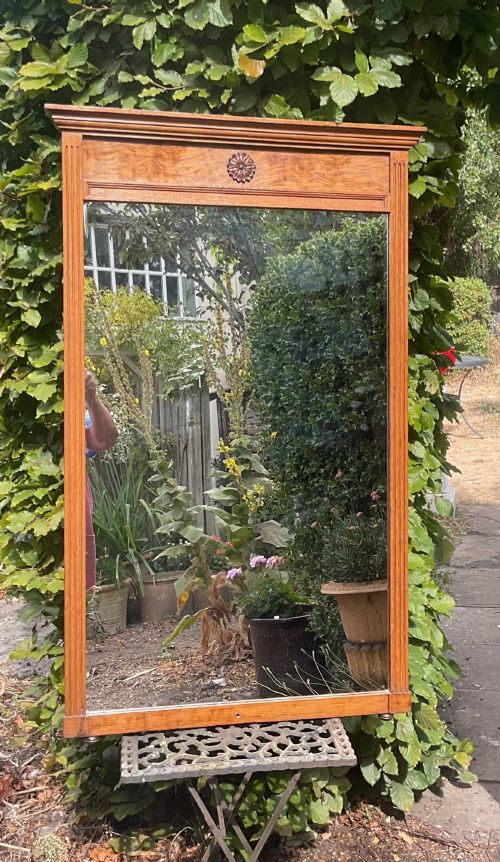
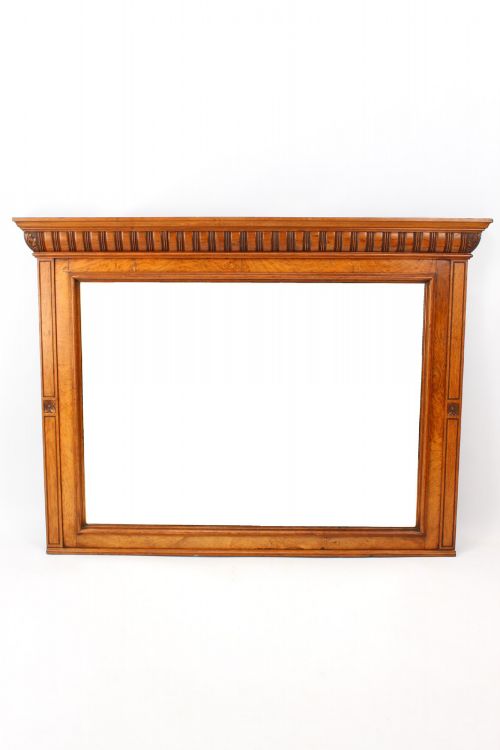
A vintage oak frame mirror is a heavy wall-hanging or standing glass plate set within a wooden housing produced from the nineteenth century into the nineteen-twenties. These pieces appear as simple rectangular shapes, tall overmantels, cheval stands, and arched hall fixtures.
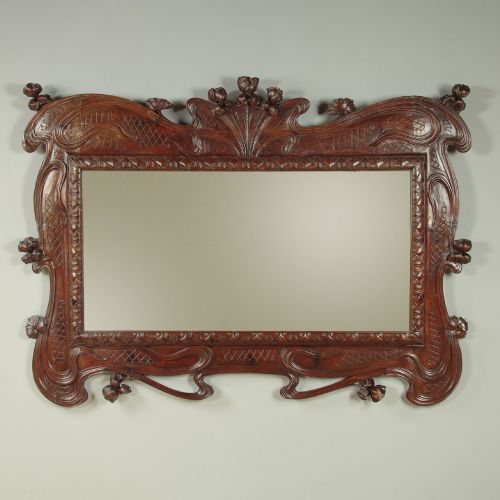
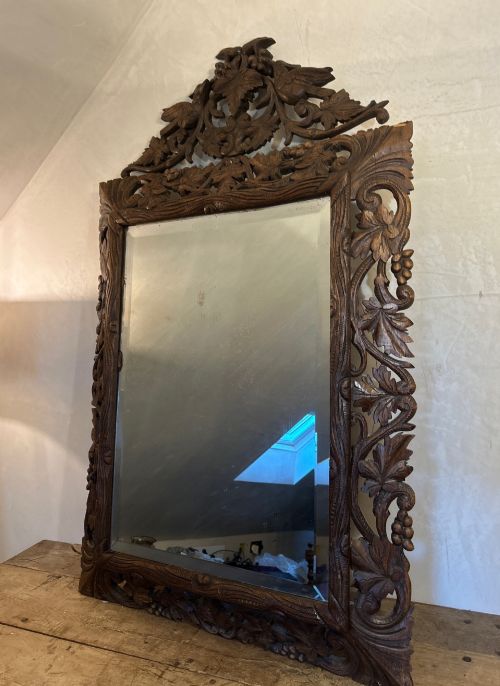
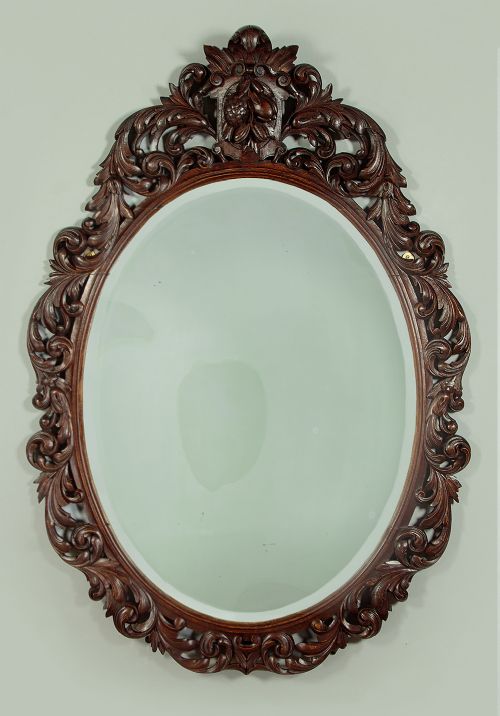
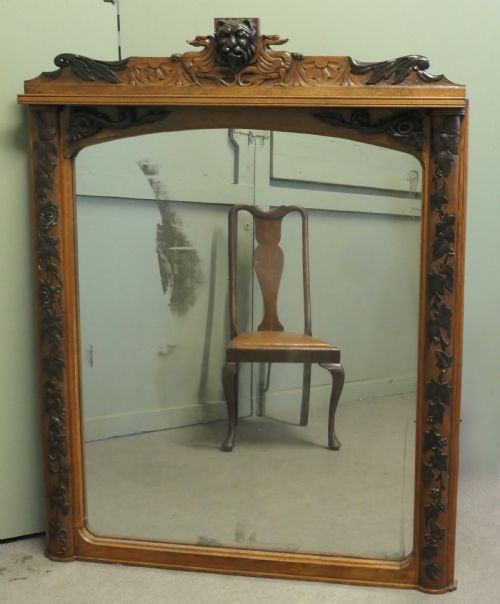
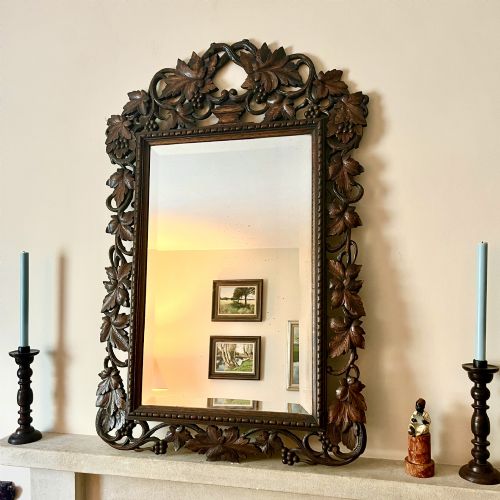
The selection ranges from plain early twentieth-century domestic timber surrounds to ornate nineteenth-century revivals featuring deep carvings. Buyers encounter items influenced by Gothic, Arts and Crafts, and French design movements alongside straightforward Edwardian and Victorian utilitarian objects.
How they were made
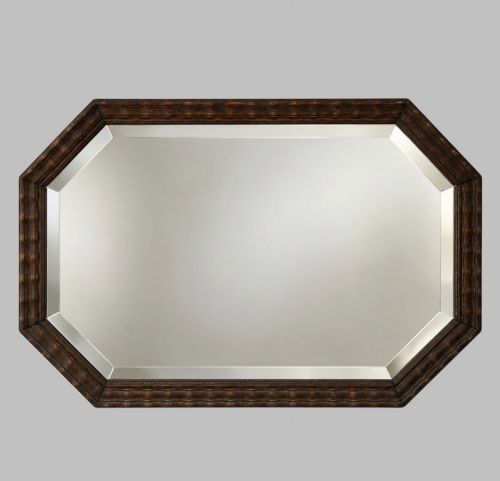
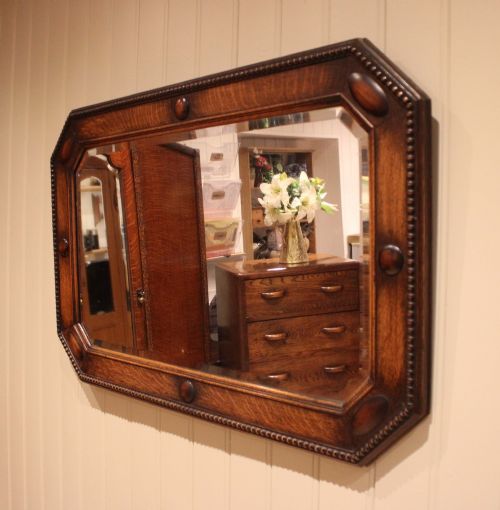
Makers constructed these frames using solid oak, sometimes employing gesso build-ups or applied carved wood details to create depth and texture. Glass plates were cut to fit, with bevelled edges appearing on finer examples to catch the light.
Joinery techniques varied from straightforward corner housing to intricate fret cutting and applied side columns. Some surfaces received bleaching or scrubbing treatments to lighten the timber tone, while others retained darker traditional polishes.
Listings feature oak frames combined with brass, gesso, and bevelled glass across Victorian and Edwardian periods.
What varies in quality
The standard of carving dictates much of the distinction, moving from mechanical repetition to crisp, hand-chiselled foliage and figures. Depth of moulding and the weight of the timber carcass also separate standard utility items from grander architectural pieces.
Condition of the reflective plate matters, particularly where original mercury or silvered glass shows foxing or age spots. The integrity of the original joints and the presence of untouched backboards influence how successfully the piece holds its original form.
Waring and Gillow·Rowley Gallery
The Vintage Oak Frame Mirror Glossary
- Bevelled glass
- A mirror plate with an angled, ground edge that refracts light. This treatment adds a decorative border effect to the reflection.
- Overmantel mirror
- A wide glass designed to hang above a fireplace mantelpiece. These pieces often feature substantial proportions to fill wall spaces.
- Cheval mirror
- A freestanding full-length glass mounted on a pivoting frame between vertical floor pillars. This form allows the user to tilt the viewing angle.
- Gesso
- A plaster-like material applied to wooden frames and carved or moulded into decorative relief. It frequently serves as a base for gilding or paint.
- Fret cut
- Wood pierced and shaped with a fine saw to create openwork patterns. This technique produces lightweight decorative borders on wall frames.
Vintage Oak Frame Mirror: Frequently Asked Questions
How do I hang a heavy oak mirror?
Heavy wooden frames require secure wall fixings anchored directly into masonry or substantial timber studs. Using a rated picture wire or robust mirror plates distributes the weight safely.
Ensure the hanging height allows comfortable eye-level viewing without straining the structural joints of the antique frame.
Can I place these mirrors in bathrooms?
High humidity and fluctuating moisture levels can damage vintage wood and degrade the silver backing behind the glass. Bathrooms place significant stress on nineteenth-century adhesives and unsealed timber.
Dry hallways, bedrooms, and living rooms provide a more stable environment for preserving original materials.
How do I clean an antique mirror glass?
Wipe the surface gently with a soft cloth dampened slightly with water or a mild vinegar solution. Avoid spraying liquid directly onto the glass edge where moisture can seep behind the plate.
Harsh chemical cleaners strip aged finishes from both the wooden surround and the sensitive silvered backing.
What period is an overmantel mirror from?
Victorian and Edwardian overmantel mirrors often reflect the architectural proportions of domestic hearths from those eras. Stylistic clues such as heavy carved mouldings or Gothic revival details point to specific nineteenth-century decades.
Examining the construction methods and the backboards helps confirm the manufacturing era.