



Natural Wood Mirror
A natural wood mirror brings warmth and grain to a room, offering simple reflection through honest frames of oak, ash, and pine.
Natural Wood Mirror
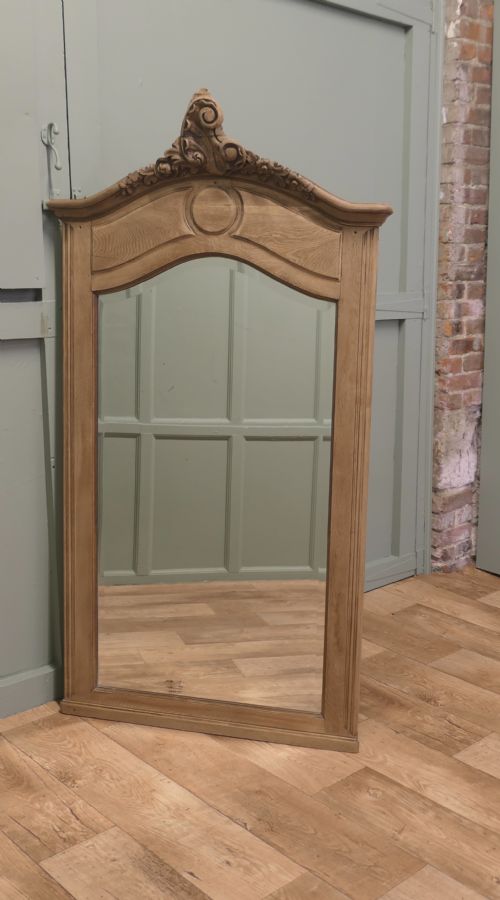
When you search for a natural wood mirror, you are looking at wall-hanging and fitted looking glasses framed in timbers left unpainted or stripped back to their native grain. These pieces range from substantial Victorian frames to lighter provincial work from the nineteenth and early twentieth centuries.
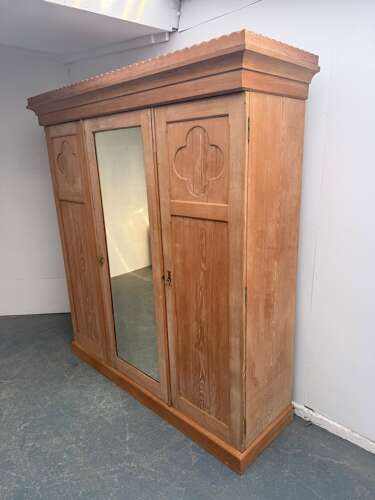
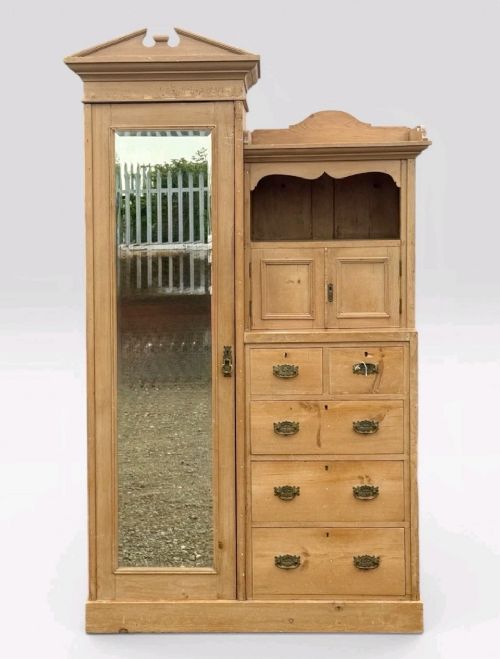
You are most likely to meet French and English examples constructed from oak, pine, and ash, often featuring carved details or simple rustic mouldings. The forms vary from large scrubbed wall mirrors to components integrated into larger wardrobe structures.
How they were made
Cabinetmakers built these frames using solid timbers such as oak, ash, and limewood, frequently shaping the wood with hand-carved motifs or leaving the surface scrubbed and bleached. Joinery methods relied on traditional corner joints and pegged frames to support the heavy weight of early glass.
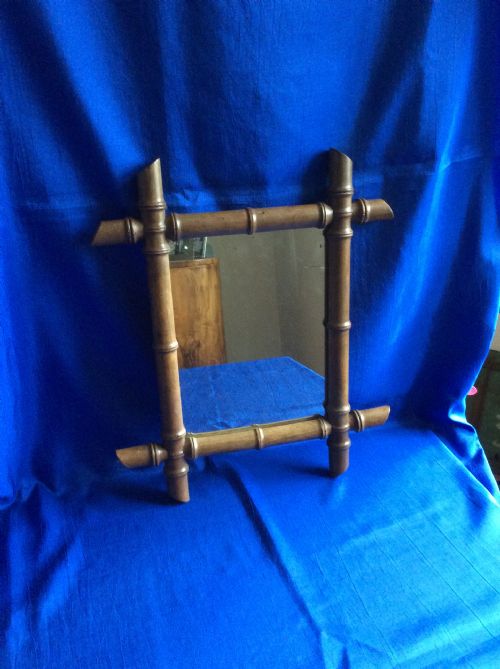
The materials often included brass fixings and original mirror glass, whilst some later pieces utilised faux bamboo turning or wax finishes to protect the wood. Workshops selected native hardwoods for durability and softwoods for provincial carved panels.
Some wardrobe mirrors hide behind faux bamboo turning, fooling the eye with painted timber stalks.
What varies in quality
The standard of carving and the selection of the timber dictate the distinction between ordinary and superior pieces. Hand-carved Italian limewood or French bleached oak shows a depth of relief and crispness of detail that mechanical production cannot match.
Proportion and the integrity of the original wood grain also define the better examples. Clean, scrubbed surfaces and well-balanced frames indicate a higher grade of craftsmanship from regional workshops and Victorian makers.
The Natural Wood Mirror Glossary
- Bleached oak
- Timber treated to lighten its natural tone while retaining the visible grain structure. This finish became popular in continental and English furniture production during the late nineteenth and early twentieth centuries.
- Limewood
- A pale, fine-grained hardwood favoured by carvers because it cuts cleanly in any direction without splitting. It allows for intricate, deep-relief ornamentation on decorative frames.
- Faux bamboo
- Wood turned and painted to imitate the segmented stalks of natural bamboo. This style gained popularity during the Victorian era under the influence of Japanese design imports.
- Scrubbed oak
- Oak timber cleaned thoroughly with water and a stiff brush to remove old finishes and expose the raw grain. This treatment yields a pale, matte surface favoured in rustic contexts.
- Compactum
- A fitted wardrobe designed to provide maximum storage efficiency within a single unit. These pieces often incorporate mirrors and specialised compartments for garments.
Natural Wood Mirror: Frequently Asked Questions
How do I clean a natural wood frame?
Dust the timber regularly with a soft, dry cloth to prevent dirt from settling into the grain. Avoid chemical sprays that can strip the wax or dry out the wood.
For stubborn marks, apply a small amount of beeswax using a fine brush and buff gently. Keep the glass clean with standard window solution applied to a cloth rather than sprayed directly near the frame.
Are these mirrors heavy to hang?
Solid wood frames housing period glass carry considerable weight compared to modern alternatives. You must locate wall studs or use appropriate heavy-duty fixings.
Ensure the hanging wire or brackets on the back are secure and rated for the specific load. Professional installation is advisable for larger pieces.
How do I date a wooden mirror?
Examine the construction methods, the type of wood, and the characteristics of the mirror plate itself. Hand-beveled edges and slight imperfections in the glass often point to nineteenth-century production.
Tool marks on the reverse of the timber and the style of the carving help narrow down the period. Comparing the hardware, such as brass screws, provides further clues.
Can I place these mirrors in a bathroom?
High humidity and fluctuating temperatures can damage antique wooden frames and cause the silver backing of the glass to degrade. Bathrooms present a risk of warping the timber and lifting the finish.
Position these pieces in dry living spaces, hallways, or bedrooms where the environment remains stable. Adequate ventilation is essential if placed near moisture.