
French Carved Crest Mirror
A french carved crest mirror brings sculptural elegance and historic charm to any room through ornate wooden frames and detailed crests.
French Carved Crest Mirror
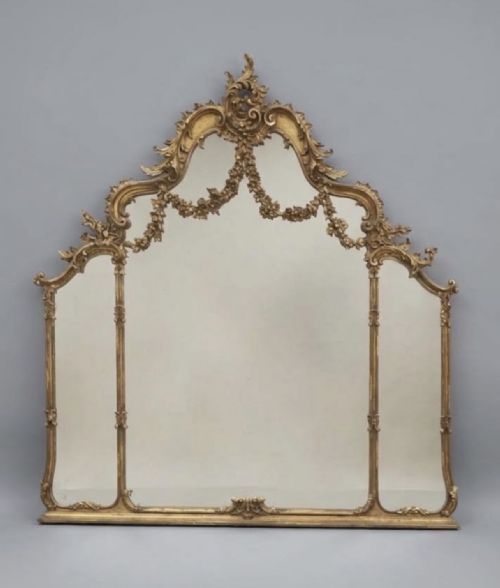
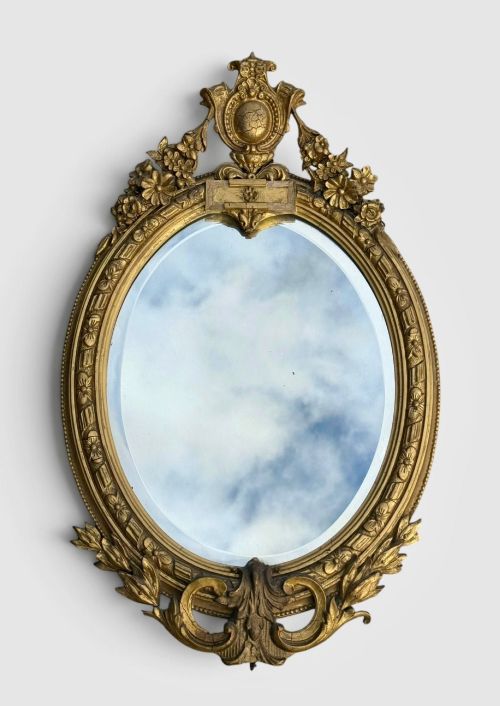
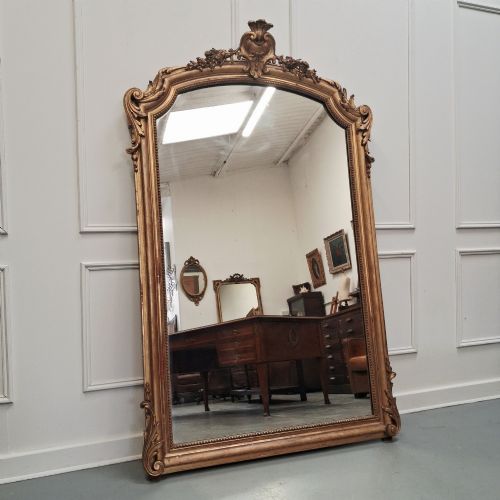
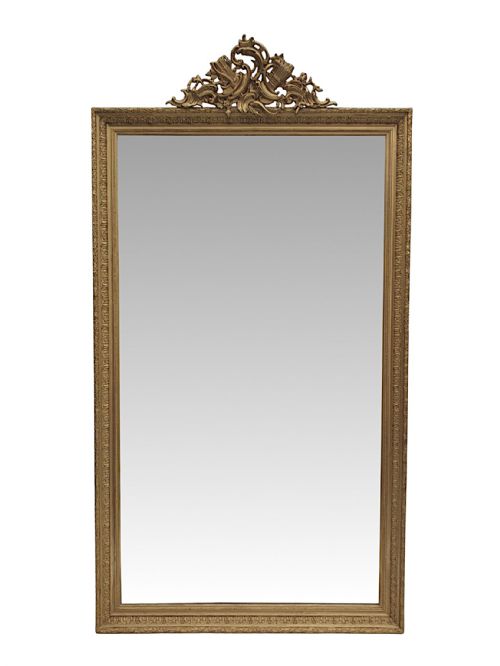
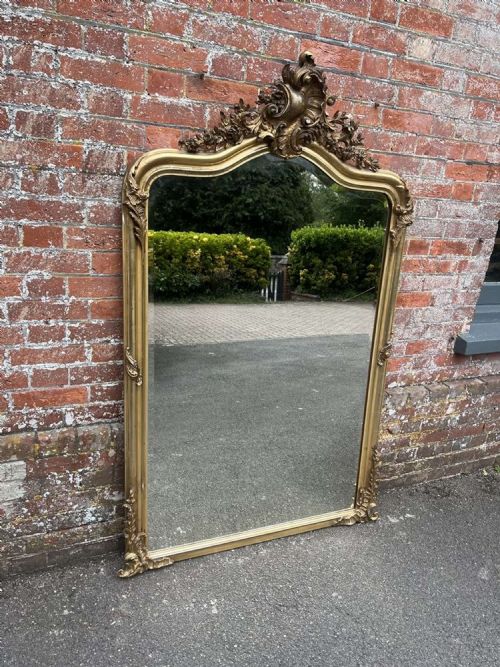
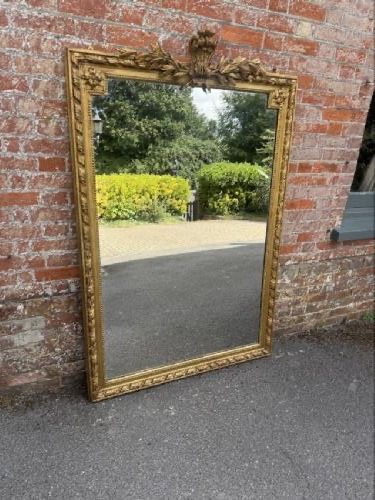
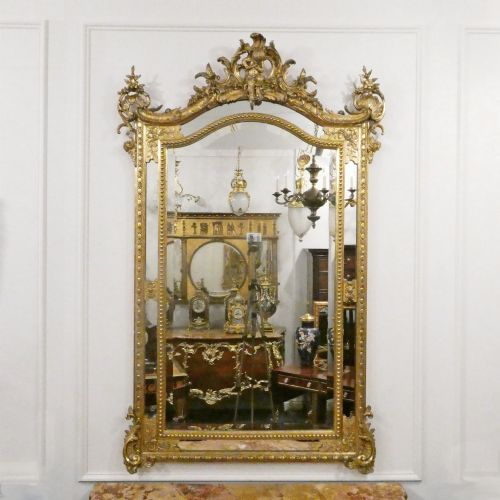
A french carved crest mirror combines functional glass with elaborate wooden framing, originating primarily from the eighteenth and nineteenth centuries. These pieces span various regional interpretations, including grand overmantels, tall pier mirrors, and decorative wall hangings designed to catch and reflect light.
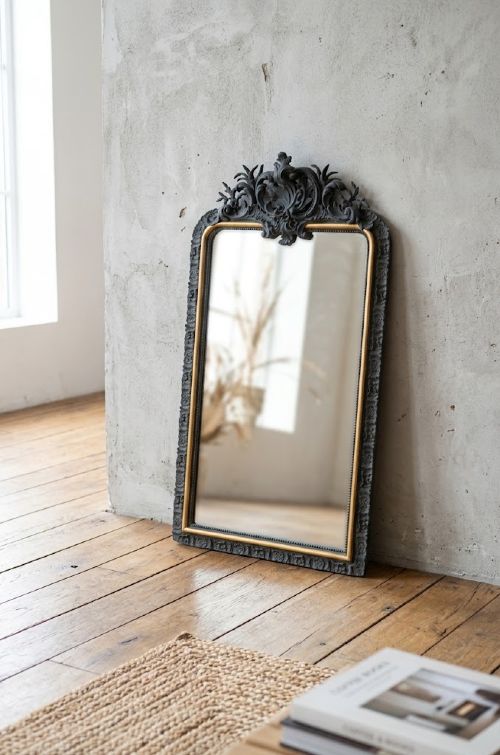
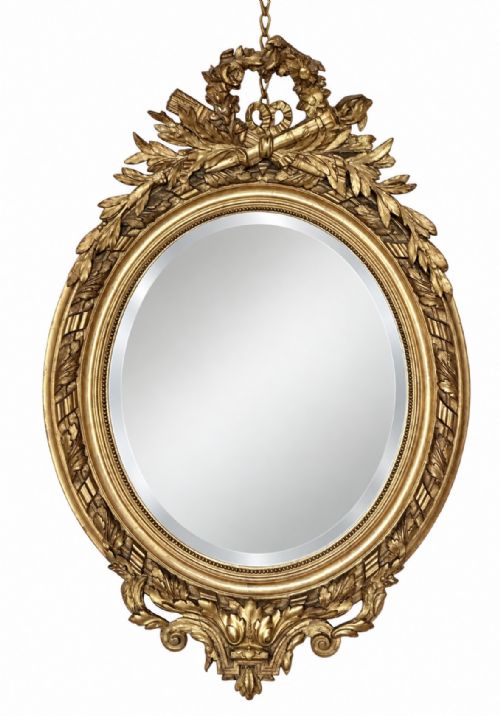
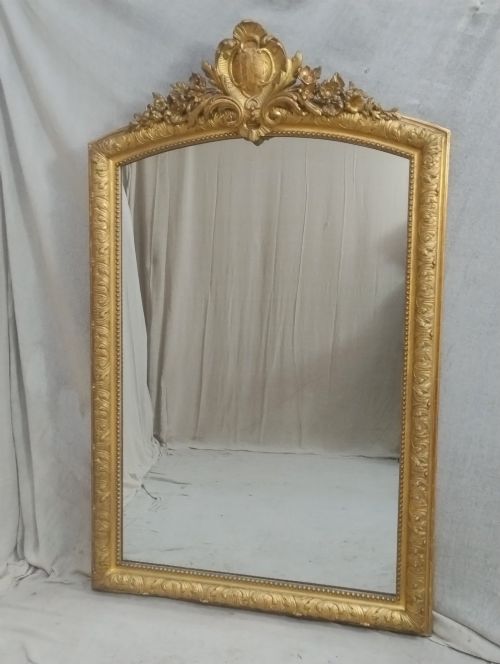
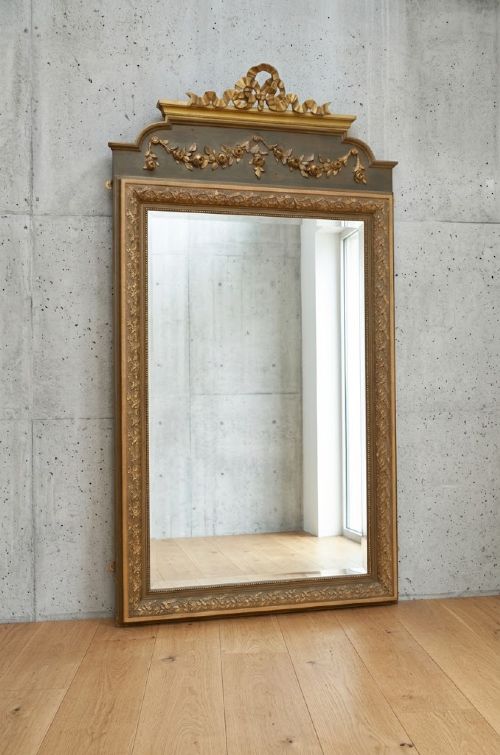
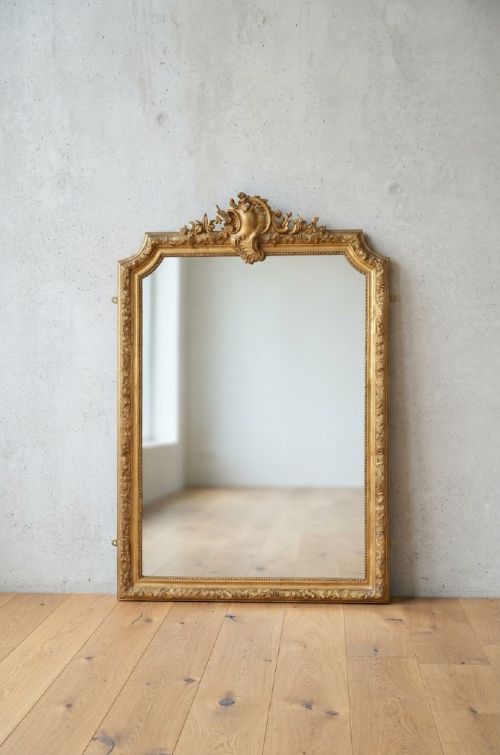
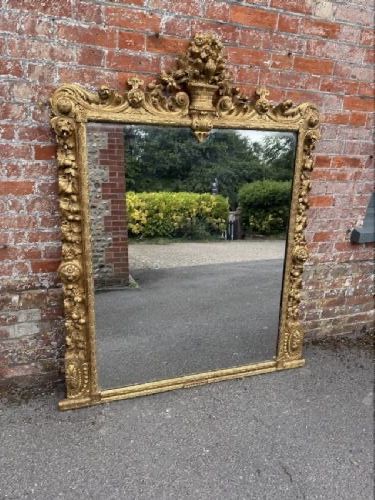
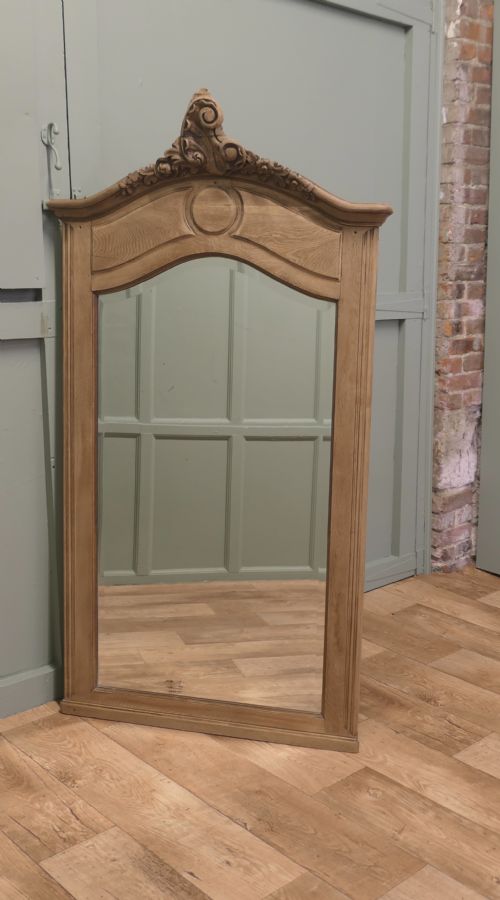
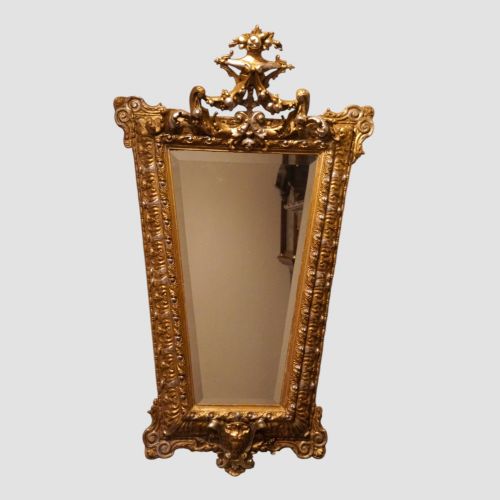
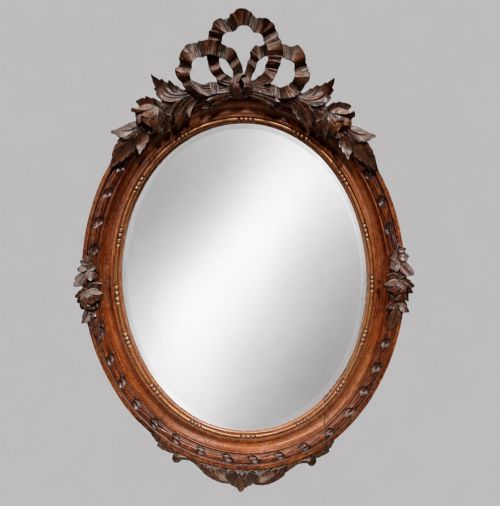
The defining characteristic of these items is the sculptural crest surmounting the main frame, often taking the form of foliate scrolls, ribbon motifs, or floral cascades. Examples range from gilded Rococo revival designs to painted wooden frames displaying the restrained symmetry of the Louis XVI style.
Buyers browsing this selection will most frequently encounter nineteenth-century interpretations alongside earlier eighteenth-century survivors and later twentieth-century variations. Forms vary from large architectural overmantel pieces to intimate oval and rectangular wall mirrors.
How They Were Made
Craftsmen built the primary structure using timber such as oak, pine, or mahogany, shaping the intricate crests and mouldings through hand carving. Artisans then applied layers of gesso to the carved wooden base to create a smooth, responsive surface for subsequent ornamentation.
Gilding techniques involved the careful application of gold leaf, silver leaf, or composition metal over the prepared gesso ground, sometimes burnished to achieve a brilliant metallic sheen. Alternatively, frames received painted finishes or ebonised treatments, occasionally paired with parcel-gilt highlights to accentuate the carved details.
Listings feature periods spanning from the eighteenth century through the nineteenth century, including Victorian, Napoleon III, and Louis XVI styles.
What Varies in Quality
The standard of a french carved crest mirror rests upon the depth, sharpness, and fluidity of the hand-carved ornamentation. Superior examples display crisp relief work and delicate undercut details in the wood and gesso, whereas lesser pieces show softer, shallower moulding produced with mechanical shortcuts.
The integrity of the surface finish and the character of the glass further distinguish individual pieces. Original mercury plates or early bevelled glass with natural foxing indicate higher authenticity and period integrity, while poorly executed modern replacements diminish the historic harmony of the object.
The French Carved Crest Mirror Glossary
- Gesso
- A plaster-like mixture applied to wood frames to provide a smooth base for gilding or painting. It allows craftsmen to model fine relief details before applying gold leaf.
- Overmantel Mirror
- A wide mirror specifically designed to hang above a fireplace mantel. These pieces often feature extended proportions and substantial architectural framing.
- Pier Mirror
- A tall, narrow mirror designed to hang on the wall space between two windows. They frequently incorporate lower consoles or match narrow architectural dimensions.
- Foxed Glass
- Mirror plates showing natural age-related oxidation and dark spotting beneath the glass surface. This chemical ageing creates a characteristic mottled reflection valued by collectors.
French Carved Crest Mirror: Frequently Asked Questions
How do I hang a heavy carved mirror?
Heavy carved mirrors require secure wall fixings anchored directly into solid masonry or substantial wooden wall studs. Professional mirror hangers utilise heavy-duty brackets and wire rated well above the weight of the frame.
Position the mirror at a height that balances the proportions of the surrounding room and fireplace mantel if applicable. Ensure the weight distribution rests evenly across multiple secure anchor points rather than a single fixing.
Are these mirrors suitable for bathrooms?
Humidity and fluctuating temperatures in bathrooms can damage historic gesso, gilding, and antique mirror plates over time. The moisture causes the traditional glue-based gesso to soften and the metal leaf to degrade.
Dry living areas, hallways, and bedrooms provide a more stable environment for preserving fragile antique surfaces. If placed near moisture, ensure adequate ventilation to protect the wooden frame and original backing.
How do I clean an antique mirror frame?
Dust the carved wooden and gilded surfaces gently using a soft, dry brush or feather duster. Avoid applying commercial liquid cleaners, water, or abrasive cloths directly onto gilded or painted gesso.
For the glass plate, apply a mild glass cleaner sparingly to a cloth rather than spraying directly onto the mirror. This prevents moisture from seeping behind the glass and damaging the silvered backing or wooden edges.