




French Provincial Overmantel Glass
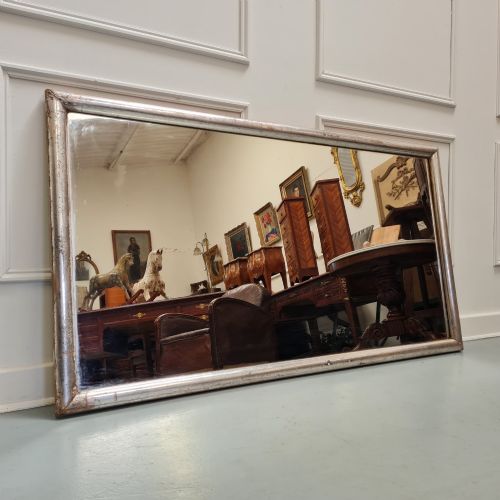
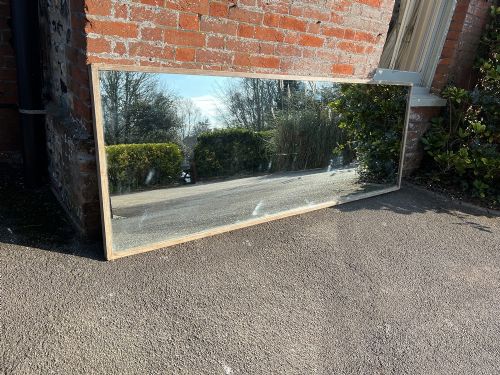
French provincial overmantel glass brings architectural weight and reflective light to a room through painted wood, giltwood, and mercury glass.
French Provincial Overmantel Glass
When you search for french provincial overmantel glass, you encounter substantial wall and overmantel mirrors originating from nineteenth-century France. These pieces typically function above a fireplace or along a main wall, anchoring the proportions of the interior.
The selections available here lean towards nineteenth century periods, spanning specific dates like eighteen eighty and nineteen hundred. Forms include large wall mirrors, trumeau mirrors, bistro mirrors, and arched top designs.
Stylistically, they draw upon French provincial, French chateaux, and Louis XV revival traditions. Painted wood and carved wood frames dominate the selection, often housing original mercury glass.
How they were made
Carpenters constructed these heavy frames using timber such as oak, applying layers of gesso and paint to the carved wood surfaces. Artisans also utilised silver leaf and giltwood finishes to catch the ambient daylight.
The glazing relied upon mercury glass, a silvering technique involving a double-walled blown glass globe filled with a mercury amalgam. This process yielded a distinctive, mottled reflection distinct from modern mirror plates.
The listings span the nineteenth century, including specific years like eighteen eighty, eighteen sixty, eighteen seventy, and nineteen hundred.
What varies in quality
The depth and clarity of hand-carved detail set the better frames apart from simpler mouldings. Carved wood and gesso ornamentation requires precise chisel work that maintains crispness beneath layers of paint.
The integrity of the mercury glass plate determines much of the character. Age-related foxing and oxidation create unique patterns in the silvering that collectors prize for authenticity.
The French Provincial Overmantel Glass Glossary
- Trumeau mirror
- A decorative wall mirror fitted into a wooden wall panel or overmantel frame, often incorporating painted scenes or carved woodwork above the glass.
- Mercury glass
- A double-walled blown glass type silvered with a mercury and tin amalgam between the glass layers, producing a cloudy, atmospheric reflection.
- Giltwood
- Timber coated with a thin layer of gold leaf or gold powder applied over a prepared gesso ground.
- Bistro mirror
- A rectangular commercial mirror utilised in nineteenth-century French cafes, characterised by a robust wooden frame designed for public interiors.
French Provincial Overmantel Glass: Frequently Asked Questions
Where should I hang an overmantel mirror?
These large mirrors traditionally sit directly above a mantelpiece or fireplace to reflect light and anchor the room's proportions. Their substantial scale also suits placement along a primary dining room or hallway wall.
Ensure the wall structure and fixings can support the considerable weight of heavy wood frames and glass plates.
How do I identify nineteenth century French mirrors?
Look for construction traits typical of the era, such as heavy oak or carved wood frames finished with gesso and paint. The presence of mercury glass with natural foxing points towards nineteenth-century production.
Stylistic cues like Louis XV revival motifs and French provincial proportions further help date the piece accurately.
What is mercury glass?
Mercury glass is an early form of silvered glass created by pouring a liquid amalgam between double-walled blown glass. This technique produces a characteristic mottled, dark reflection without modern chemical backing.
Over decades, the silvering oxidises unevenly, creating decorative spots and patches known as foxing.
How do I care for antique painted frames?
Dust painted wood and giltwood surfaces gently with a dry, soft cloth to protect the historic finish. Avoid liquid cleaners and modern solvents that can strip original gesso or nineteenth-century paint.
Keep the mirrors away from direct, harsh sunlight and damp environments to preserve both the wood and the silvered glass plate.