


Carved Timber Accent Mirror
A carved timber accent mirror brings depth and warmth to a room through traditional craftsmanship and timber framing.
Carved Timber Accent Mirror
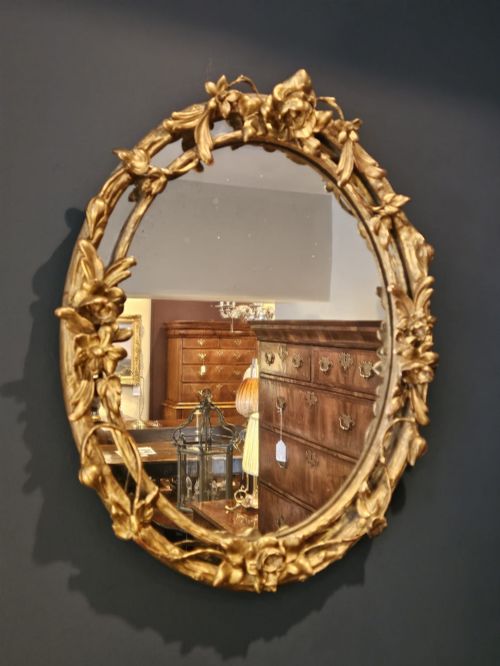
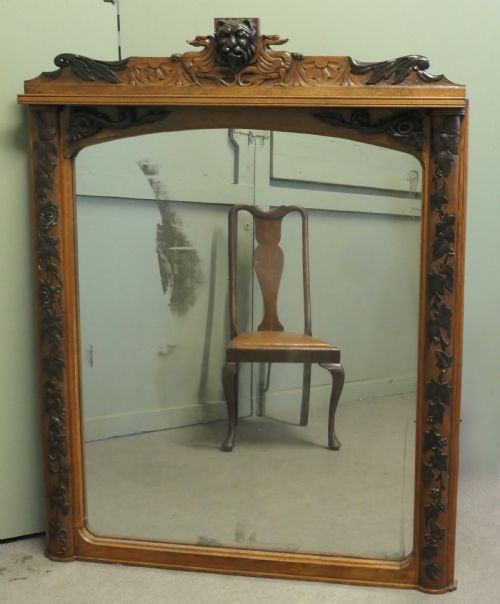
When you search for a carved timber accent mirror, you are looking at wall mirrors and mirrors framed in woods like oak, walnut, and mahogany, alongside gilded finishes.
The pieces appearing on this page span several periods, including the eighteenth century, the nineteenth century, and the nineteen-thirties, showing forms ranging from simple ovals to elaborate giltwood creations.
You will encounter regional styles such as Florentine, French provincial, and Italian Baroque, reflecting diverse historical decorative traditions.
How they were made
Maker's hands shaped these frames from solid timbers including oak, walnut, and mahogany, applying intricate hand carving directly to the wood.
Many examples utilise gesso applied over timber bases as a smooth foundation for gold leaf and giltwood finishes, creating reflective metallic surfaces.
Some pieces incorporate painted treatments and specialised framing techniques such as faux bamboo to achieve distinct textures and decorative effects.
One listed mirror brings the charm of a bamboo thicket indoors, having been cleverly turned from solid timber to mimic tropical grass.
What varies in quality
The depth and crispness of the hand carving separate standard frames from superior examples, as skilled carvers produce intricate relief work with sharp undercut details.
The application of the finish, whether gold leaf or painted wood, dictates the visual richness of the frame and how gracefully the surface ages over time.
The Carved Timber Accent Mirror Glossary
- Giltwood
- Wood that has been coated with gold leaf or a gold-coloured metallic preparation. This finish was widely utilised during the Baroque and Victorian periods to catch the light.
- Gesso
- A plaster-like mixture applied to timber as a preparation for gilding or painting. It provides a smooth surface that can be moulded and carved in fine detail.
- Faux bamboo
- A decorative technique where timber is carved or painted to imitate the segmented stalks of natural bamboo. It became popular during the nineteenth century.
- Rococo revival
- A nineteenth-century design style drawing on eighteenth-century French motifs like C-scrolls, asymmetric curves, and natural foliage. Frames in this style feature elaborate, flowing ornamentation.
Carved Timber Accent Mirror: Frequently Asked Questions
Where should I hang a carved timber accent mirror?
These mirrors suit entrance halls, above mantelpieces, or as focal points in living spaces where their frames can draw the eye.
Ensure the wall construction supports the weight of denser timber and giltwood frames before hanging.
How can I tell a Victorian mirror from an eighteenth-century one?
Eighteenth-century pieces often display distinct construction joints and regional carving traits particular to Dutch or continental workshops.
Victorian pieces frequently reflect revival styles like Rococo or Gothic, using heavier timber bases and characteristic nineteenth-century plate glass.
What is an accent mirror?
An accent mirror serves a decorative function in interior spaces, using its ornate frame to complement the surrounding room design.
Unlike utility mirrors, these pieces prioritize artistic craftsmanship and sculptural timber or giltwood framing.