





Italian Baroque Style Mirror
An italian baroque style mirror brings heavy carving, theatrical curves, and reflective depth into a room.
Italian Baroque Style Mirror
When you search for an italian baroque style mirror, you encounter ornate frames built for dramatic wall presence. The pieces listed span centuries of craftsmanship, ranging from seventeenth-century originals to nineteenth-century revivals.
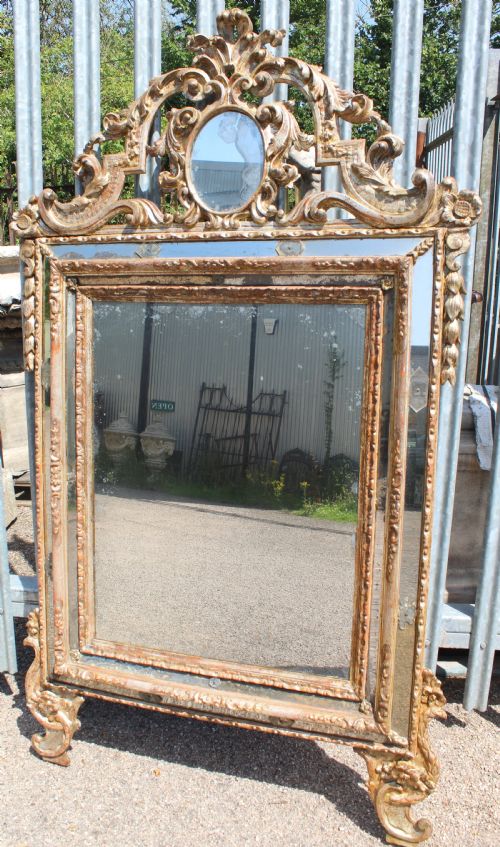
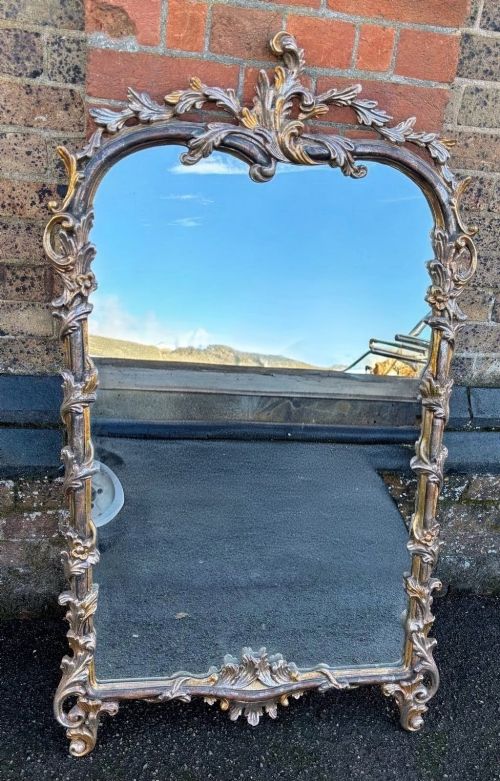
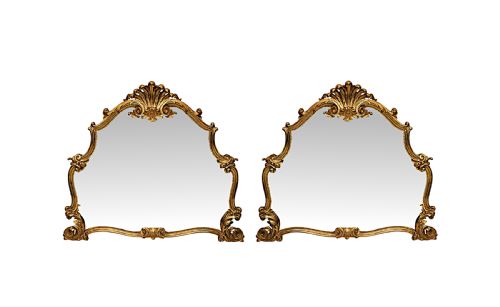
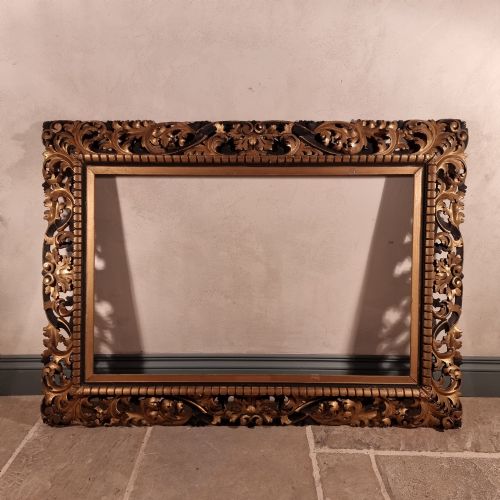
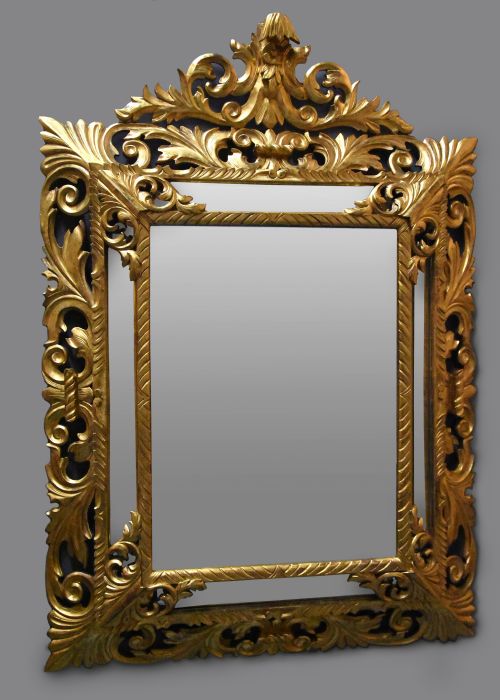
You meet various interpretations including Florentine picture frames, cushion mirrors, and overmantel pieces. Giltwood and carved wood dominate the selection, bringing substantial weight and decorative impact to domestic interiors.
Console tables and mirrored table lamps occasionally accompany the wall hangings in this stylistic category. Most examples, however, function strictly as wall mirrors designed to command attention above a fireplace or mantel.
Materials and Construction Methods
Makers shaped solid timber using hand-carving techniques before applying layers of gesso to prepare the surface. Wood varieties such as limewood and ebonised timber provide the structural foundation for these elaborate frames.
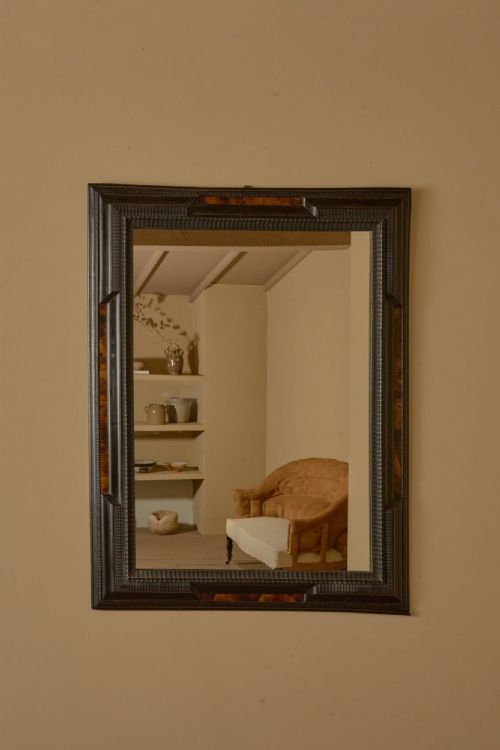
Gilding involved the application of gold leaf over prepared grounds, sometimes combined with silver leaf or faux tortoiseshell finishes. Mirror glass was then fitted into the deeply moulded rebates behind carved crestings.
Italian Baroque Style Mirror Retail Price Guide 2026
Typical asking prices for italian baroque style mirror among the pieces listed under this phrase on Sellingantiques today, from the lower quarter to the upper quarter. They describe what is for sale here now, not the wider market.
Listings feature periods spanning from the seventeenth century through to the 1920s, with nineteenth-century revivals forming the largest group.
Assessing Craftsmanship and Visual Impact
The depth and crispness of the wood carving distinguish superior examples from simpler production. Master carvers achieved deep undercut foliage and scrollwork that catch light differently across the surface.
The quality of the gilding and the preservation of the original gold leaf layer dictate the visual richness of the object. Heavier, more deeply moulded frames command greater presence than flat or lightly decorated borders.
The Italian Baroque Style Mirror Glossary
- Giltwood
- Wood carved and coated with gold leaf over a prepared gesso ground. This finish provides the characteristic metallic brilliance seen on traditional frames.
- Gesso
- A plaster mixture applied to carved wood to create a smooth surface for gilding. It holds fine detail and sharp edges during the carving process.
- Cushion mirror
- A frame profile shaped with a rounded, sloping section that pushes the reflective glass inward. This form creates extra depth and multi-angled light reflection.
- Overmantel
- A large mirror designed specifically to hang above a fireplace mantelpiece. These pieces often span significant horizontal proportions to match the hearth below.
- Ebonised
- Wood treated with a chemical process or stain to resemble expensive ebony. This dark finish contrasts sharply with gilt highlights on nineteenth-century pieces.
Italian Baroque Style Mirror: Frequently Asked Questions
How do I hang a heavy carved mirror?
These wooden frames carry substantial weight due to their dense construction and glass inserts. Secure fixings into wall studs or masonry are essential to support the load safely.
Professional mirror hangers use heavy-duty brackets attached directly to the frame structure rather than relying on decorative crestings or weak original fixings.
How do I clean antique mirror glass?
Wipe the glass gently with a soft, dry microfibre cloth to remove dust. Avoid spraying liquid cleaner directly onto the surface, as moisture can seep behind the silvering or damage the wooden frame.
If cleaning fluid is necessary, apply a small amount to the cloth rather than the glass to protect the surrounding gesso and gold leaf.
What is the difference between baroque and rococo styles?
Baroque design focuses on symmetry, monumental scale, and dramatic sculptural weight. The carvings emphasise grandeur, architectural structure, and powerful visual rhythm.
Rokoco style introduces asymmetrical scrolls, lighter forms, and playful natural motifs inspired by shell and plant shapes. Both traditions appear frequently across nineteenth-century revival pieces.