


Vintage Oak Floor Clock
A vintage oak floor clock stands tall in a room, bringing the steady tick of centuries past into a modern home.
Vintage Oak Floor Clock
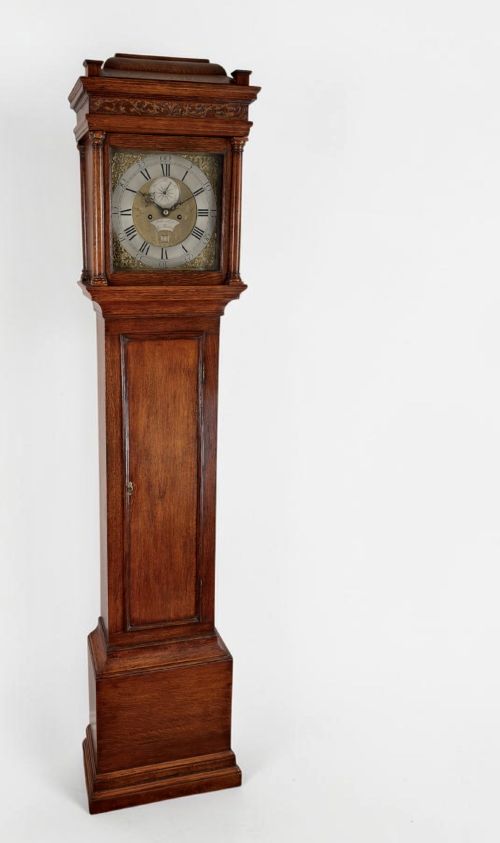
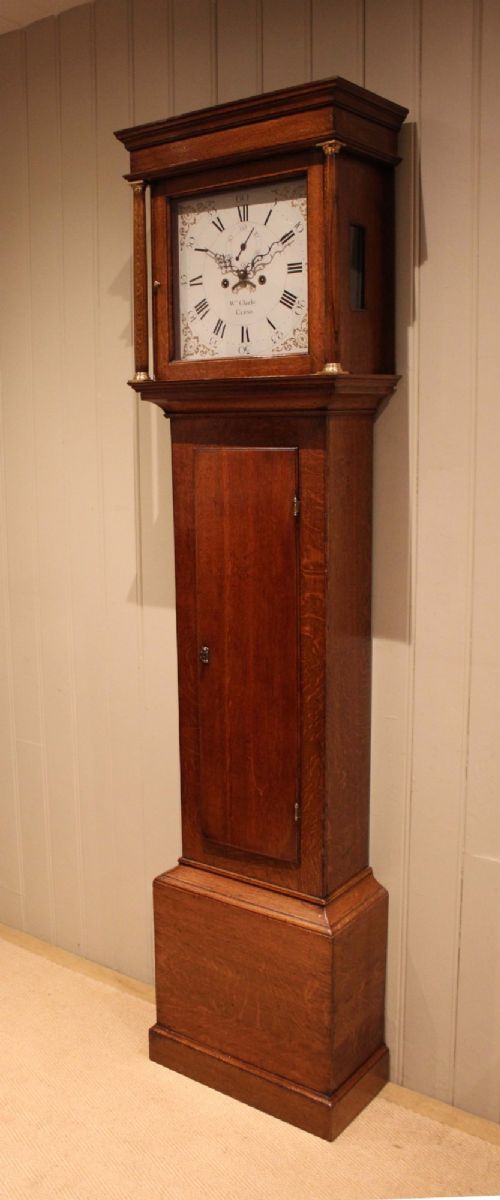
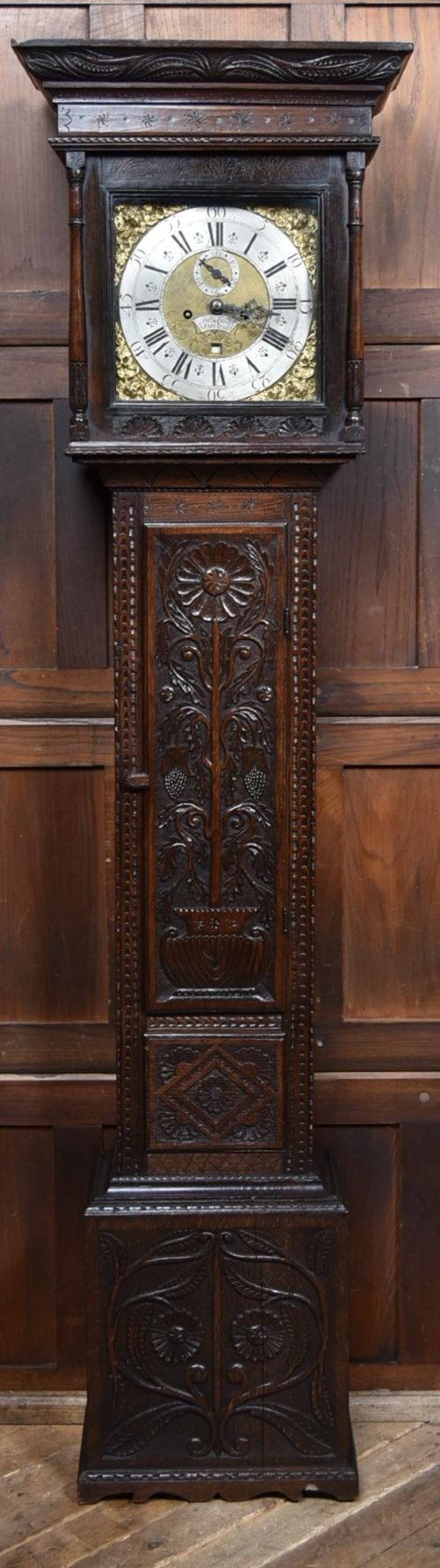
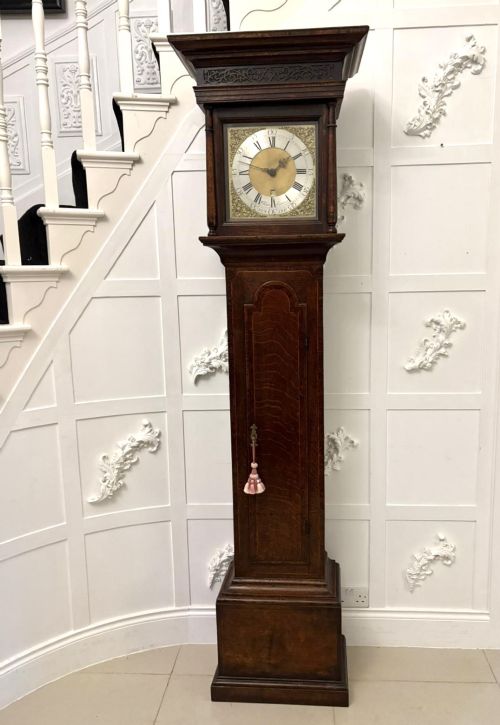
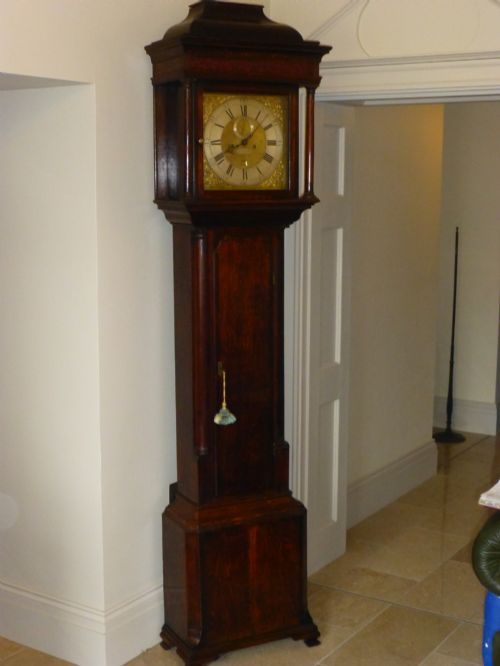
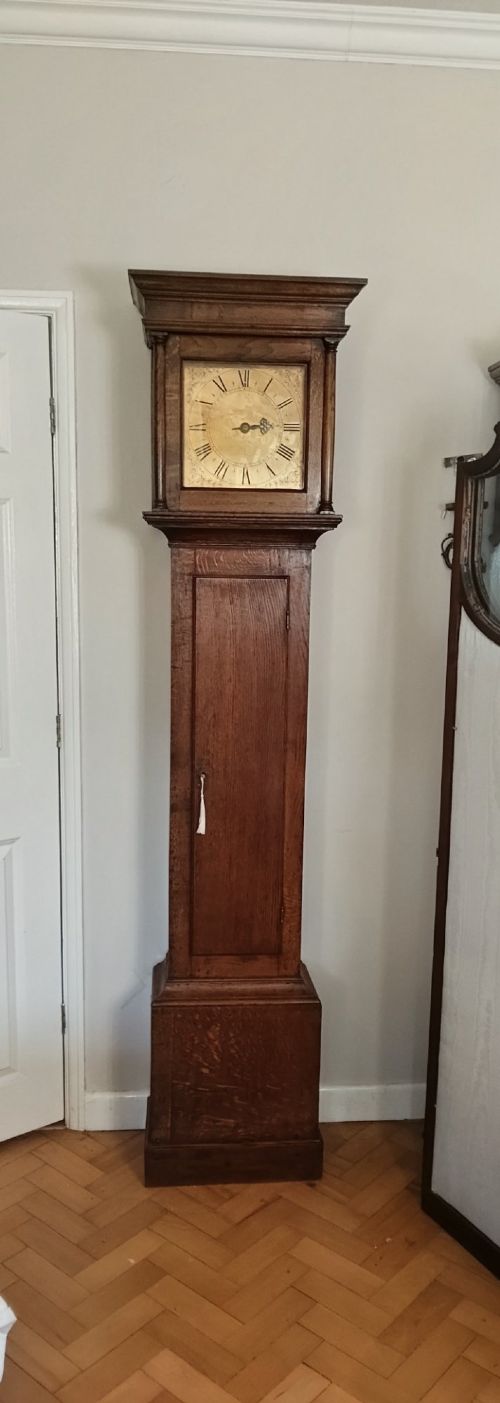
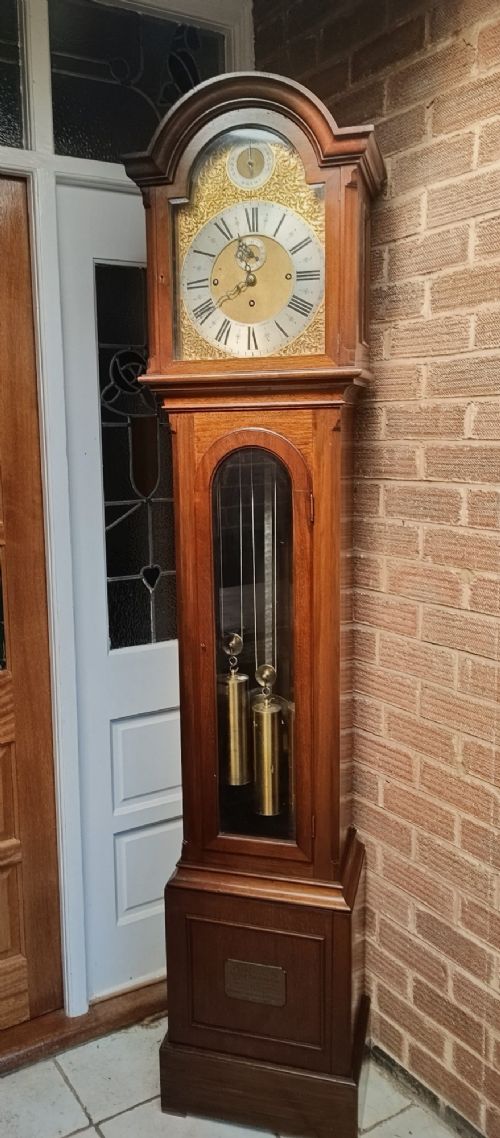
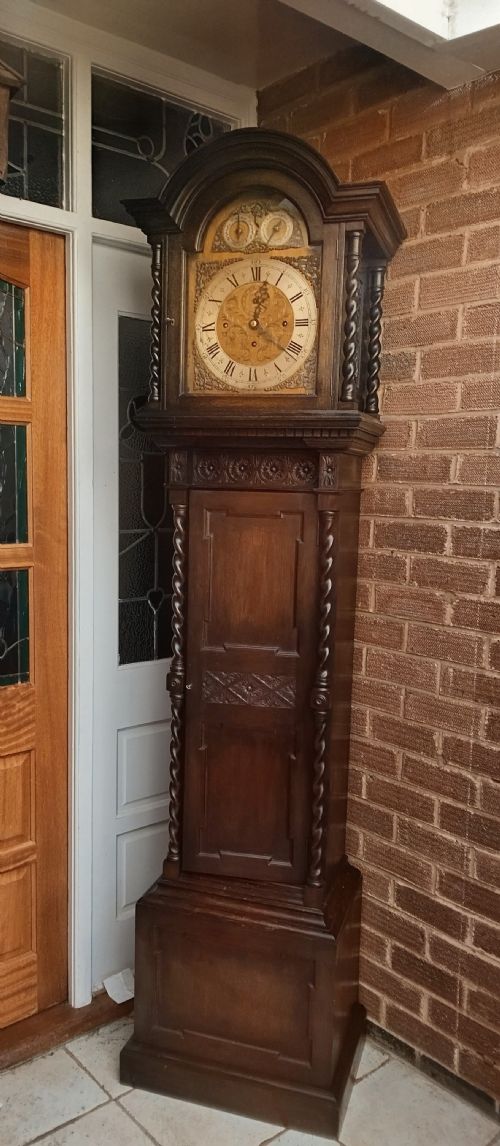
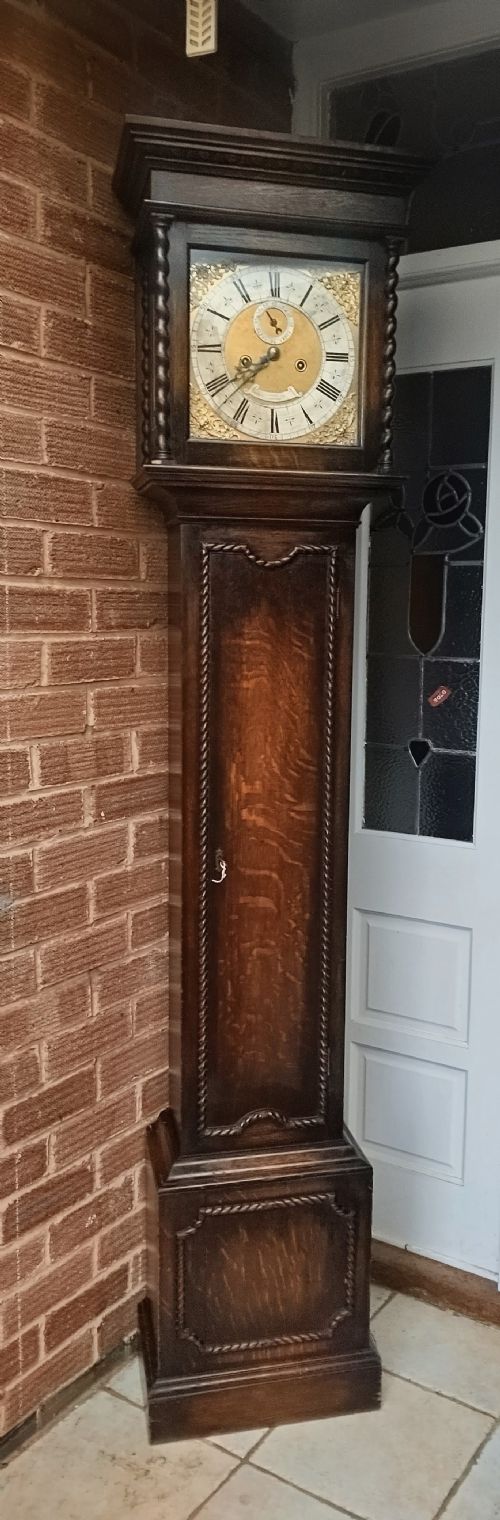
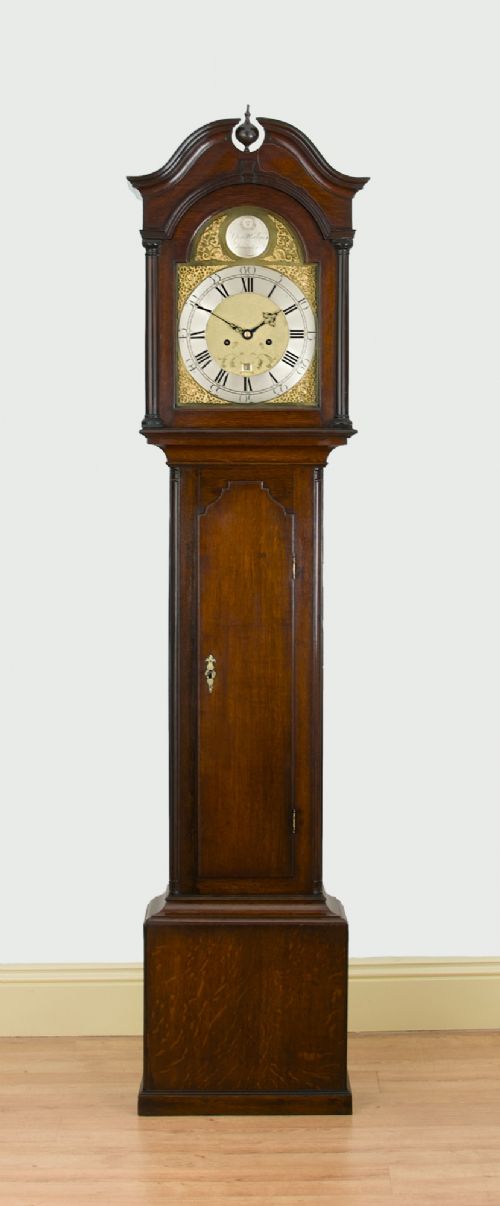
A vintage oak floor clock, also known as a longcase or grandfather clock, is a tall pendulum-driven timepiece housed in a wooden trunk designed to stand directly on the floor. When searching this phrase, a buyer encounters upright wooden cases that range from robust provincial forms to more refined regional designs.
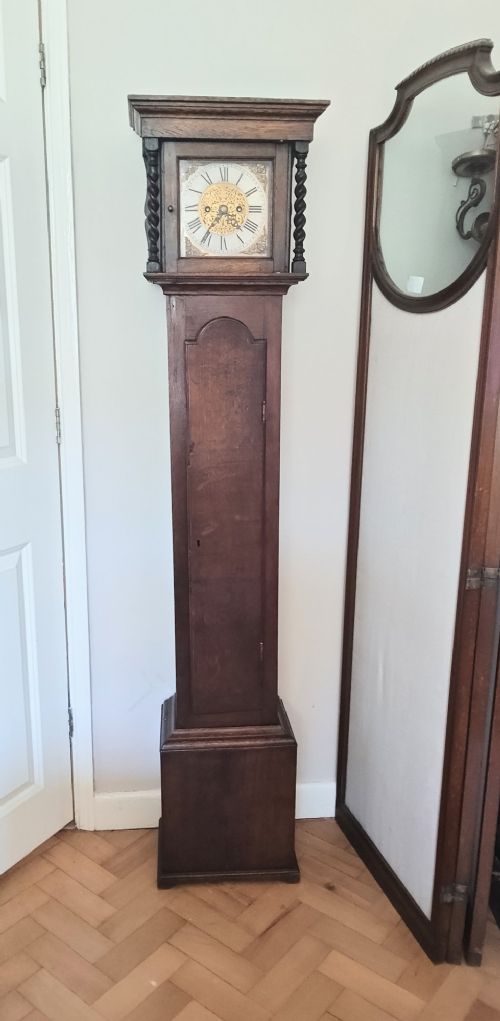
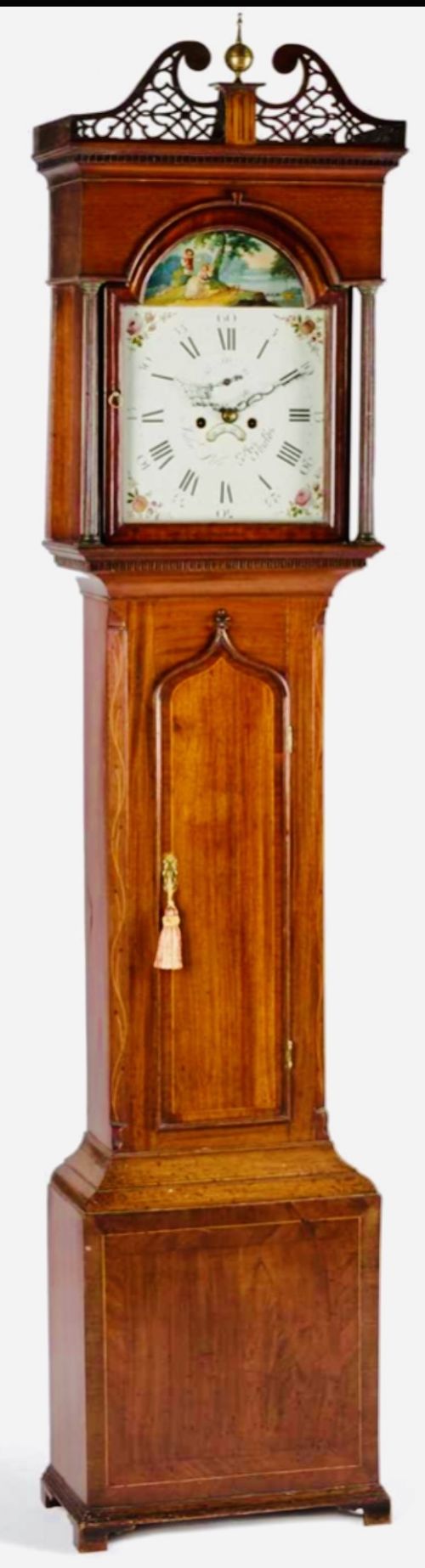
The versions most commonly met on this page span several periods, from 18th Century and Georgian examples through to Edwardian and later 1920 or 1930 musical and chiming variations. These pieces house brass or painted iron dials and rely on weight-driven movements to measure time.
Makers from various towns and cities signed these dials, creating functional furniture that also served as the heart of a household. Regional variations appear in both the cabinetwork and the movement signatures, connecting each piece to a specific maker or location.
Materials and construction
Makers built the structural cases of these timepieces predominantly using solid oak, occasionally incorporating walnut, mahogany, or burr oak veneers to accent the primary timber. Glass protected the delicate dial faces, while iron and brass formed the complex interior gears, pendulums, and weights.
Clockmakers fitted the wooden cases with brass or painted iron dials, housing mechanical movements that could run for thirty hours or eight days. Some later Edwardian and 1930 variations incorporated multiple bells or gongs to play musical tunes and quarter chimes.
Materials recorded across the inventory include solid oak, brass, painted iron, glass, and occasional accents of walnut and mahogany.
Assessing quality
Quality in these floor clocks rests on the execution of the cabinetwork and the sophistication of the internal movement. Pieces featuring burr oak accents, fine brass dial engraving, or signed provincial dials demonstrate higher craftsmanship than simpler, plain-cased alternatives.
The presence of complex mechanisms, such as musical chimes, multiple bells, or precision regulators, separates standard timekeepers from the finer examples. The integration of the movement with a well-proportionate oak case defines the upper tier of the range.
Lee of Great Marlow·Jn° Smith·Richard Corless·George Hallifax·Thomas Webbe·David Craig·Richard Prew·Mappin & Webb
The Vintage Oak Floor Clock Glossary
- Longcase clock
- A tall pendulum clock enclosed in a wooden case that stands directly on the floor. This term is often interchanged with grandfather clock.
- Grandmother clock
- A smaller, more compact version of the traditional longcase clock, typically dating from the Edwardian period or the early twentieth century.
- Dial
- The face of the clock where the hours and minutes are displayed. These are frequently made of brass or painted iron and often bear the maker's signature and location.
- Regulator
- A precision pendulum clock designed for high accuracy. These movements often feature specialised dial layouts for careful timekeeping observation.
- Quarter chiming
- A movement mechanism that strikes the bells or gongs every fifteen minutes to mark the progression of the hour.
Vintage Oak Floor Clock: Frequently Asked Questions
What is the difference between a grandfather and a grandmother clock?
A grandfather clock refers to the traditional, full-sized tall case timekeeper designed to stand imposing in a hallway or principal room. A grandmother clock is simply a smaller, scaled-down version of the same form.
These smaller variants typically emerged in later periods, such as the Edwardian era, offering the presence of a floor clock in a more compact height suitable for smaller spaces.
How do you wind an antique oak floor clock?
Winding depends on whether the movement is a thirty-hour or an eight-day system. Most eight-day versions require a key or crank to pull the weights back up or tension the springs.
Careful handling of the key and an understanding of the specific winding holes on the dial face ensure the internal brass gears remain undamaged during the process.
Where were these tall clocks typically placed in a home?
Historically, these timepieces stood in high-traffic communal areas like hallways, stairwells, or living parlours where family members could easily hear the hourly strike. Their commanding height made them a central architectural feature of the interior.
In modern homes, they continue to serve this purpose, anchoring a room with their vertical proportions and traditional timber presence.
How can you tell the period of an oak floor clock?
The period is usually indicated by a combination of the dial style, the shape of the oak hood and trunk, and any signature left by the maker. Earlier 18th Century and Georgian examples often feature square brass dials and simpler wood patination.
Later Edwardian and 1930 pieces frequently introduce musical chimes, arched painted dials, or more refined decorative veneers alongside the oak carcase.